

Yes, a keto diet can work effectively for weight loss and improving metabolic health. By shifting your energy source from carbohydrates to fat, your body enters ketosis, promoting fat burning and steady energy levels. This dietary approach often leads to reduced appetite and improved mental clarity. However, it’s essential to choose nutrient-dense foods to avoid deficiencies and manage potential drawbacks. There’s much more to reflect on, including long-term sustainability and whether it’s right for your lifestyle.
Understanding the Ketogenic Diet

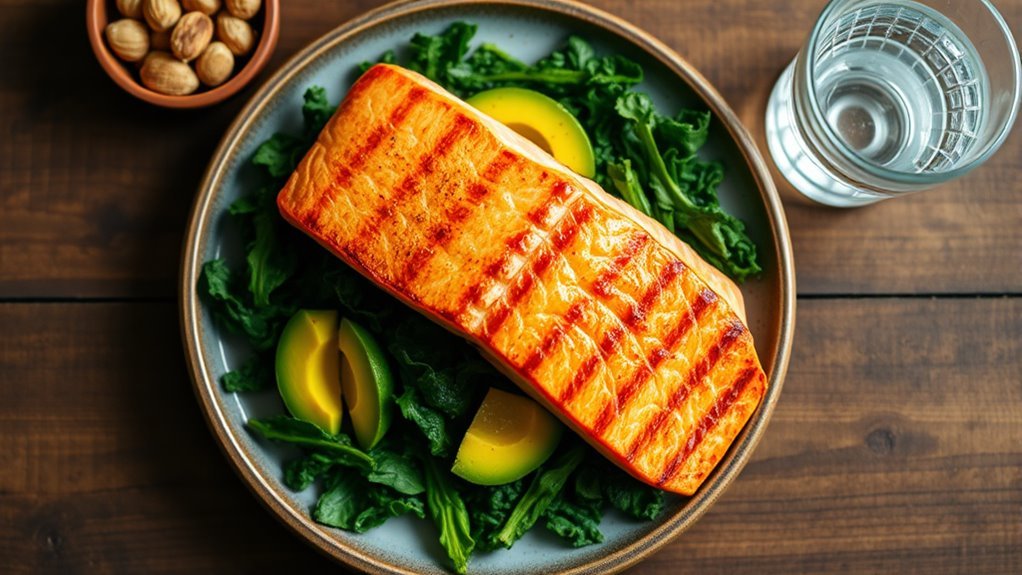
While many diets promise quick weight loss, the ketogenic diet stands out by fundamentally altering how your body processes energy. It’s essential to understand that keto isn’t just a low-carb diet; it shifts your metabolism to burn fat for fuel. However, keto misconceptions often lead people to believe they can consume unlimited fats without considering nutrient quality. A balanced approach is vital. Focusing on whole foods—like avocados, nuts, and leafy greens—ensures you’re getting necessary vitamins and minerals. Additionally, dietary misconceptions may suggest that keto is unsustainable long-term, but many find it liberating and manageable when they prioritize nutrient-dense options. Ultimately, keto can offer freedom from constant hunger and reliance on sugar while promoting a healthier relationship with food.
The Science of Ketosis
Ketosis is a metabolic state where your body switches from using carbohydrates to burning fat for fuel. This shift leads to various metabolic changes, including increased ketone production, which can offer several benefits like improved energy levels and mental clarity. Understanding these processes can help you make informed choices about your ketogenic journey.
What Is Ketosis?
When your body enters a state of ketosis, it shifts from using carbohydrates as its primary energy source to burning fat for fuel. This ketosis process not only helps with weight loss but also enhances mental clarity and energy levels. As you adapt to this metabolic state, your body produces ketones, which serve as a reliable energy source.
| Ketosis Process | Ketosis Benefits | Nutrient Focus |
|---|---|---|
| Fat breakdown | Weight loss | Healthy fats |
| Ketone production | Increased energy | Low-carb vegetables |
| Reduced hunger | Enhanced mental clarity | Protein sources |
Understanding these aspects can empower you to embrace the freedom that comes with a keto lifestyle, making informed choices for your health.
Metabolic Changes Explained
As your body shifts into ketosis, several metabolic changes occur that enhance fat utilization. This process, known as metabolic adaptation, shifts your primary energy source from carbohydrates to fats. By limiting carbs, you encourage your liver to produce ketones, which serve as an efficient energy source. This shift improves energy efficiency, allowing your body to burn fat more effectively. Additionally, as you adapt, you may experience reduced hunger and a more stable energy level, freeing you from constant snacking. It’s crucial to focus on nutrient-rich foods during this change, ensuring you get adequate vitamins and minerals. Embracing these metabolic changes can empower your journey, offering a sense of control and freedom over your health and energy levels.
Benefits of Ketosis
While many people associate ketosis with weight loss, the benefits extend far beyond just shedding pounds. Embracing ketosis can lead to significant improvements in your overall health and well-being. Here are some key benefits you might experience:
- Enhanced fat burning: Your body efficiently utilizes fat as its primary fuel source, promoting sustainable energy levels.
- Appetite suppression: Ketosis can help reduce hunger, making it easier to maintain your dietary goals.
- Improved mental clarity: You may notice sharper focus and cognitive function due to the steady supply of ketones to your brain.
- Stable blood sugar levels: This can help reduce cravings and promote better metabolic health.
With these benefits, ketosis offers a path toward freedom in your health journey, allowing you to thrive.
Benefits of the Keto Diet

The Keto diet offers several notable benefits, particularly for those seeking weight loss and improved metabolic health. You’ll find that it promotes fat burning, helping you shed those stubborn pounds. Additionally, it can enhance your energy levels and mental clarity.
Here’s a quick overview of some benefits:
| Benefit | Description |
|---|---|
| Weight Loss | Encourages fat utilization for energy. |
| Improved Metabolism | Balances insulin levels for better health. |
| Enhanced Mental Clarity | Reduces brain fog and boosts focus. |
With effective keto meal planning and smart keto grocery shopping, you can easily access nutrient-dense foods that support these benefits. Embracing the Keto lifestyle can lead to newfound freedom in your health journey.
Potential Drawbacks and Risks
Although many people experience significant benefits from the Keto diet, it’s important to assess potential drawbacks and risks associated with this low-carb, high-fat approach. Here are four key concerns to take into account:
While the Keto diet offers benefits, it’s crucial to consider its potential drawbacks and risks.
- Nutrient Deficiencies: By restricting certain food groups, you might miss out on essential vitamins and minerals.
- Digestive Issues: A sudden switch in diet can lead to constipation or other digestive problems due to reduced fiber intake.
- Keto Flu: As your body adapts, you may face fatigue, headaches, or irritability.
- Heart Health: High saturated fat intake could raise cholesterol levels for some individuals.
Being aware of these risks can empower you to make an informed decision about whether the Keto diet is right for you.
Long-term Sustainability of Keto
Understanding the potential drawbacks of the Keto diet raises an important question about its long-term sustainability. Many people find the keto lifestyle appealing due to its initial weight loss results, but maintaining that dietary adherence can be challenging. As time goes on, the restrictive nature of the diet may lead to cravings for carbohydrates, making it difficult to stick with. Additionally, nutrient deficiencies can arise if the diet isn’t well-planned. It’s essential to reflect on how this impacts your overall health and well-being. Balancing your nutritional intake while enjoying food freedom can often be more sustainable in the long run. Ultimately, finding a diet that aligns with your lifestyle and offers flexibility may serve you better than a rigid keto approach.
Is Keto Right for You?
Wondering if the keto diet is the right fit for your lifestyle? It’s essential to evaluate your personal health, dietary preferences, lifestyle factors, and individual goals. Here are four key points to help you decide:
- Health Conditions: Consult a healthcare professional if you have any medical issues, like diabetes or heart disease.
- Dietary Preferences: Assess whether you enjoy high-fat foods and can sustain a low-carb intake.
- Lifestyle Factors: Reflect on your activity level and daily routine—does keto fit seamlessly into your life?
- Long-term Goals: Contemplate whether you’re looking for quick weight loss or a sustainable lifestyle change.
Ultimately, the keto diet could be a path to freedom, but it should align with your unique needs and aspirations.
Frequently Asked Questions about the Keto Diet
1. What is a Keto Diet?
A Keto diet, short for ketogenic diet, is a low-carb, high-fat eating plan that aims to shift the body’s metabolism away from carbohydrates and towards fat. By drastically reducing carbohydrate intake and replacing it with fat, the body enters a metabolic state known as ketosis, where it becomes highly efficient at burning fat for energy. This diet typically emphasizes foods like meats, fish, eggs, dairy, nuts, and low-carb vegetables while avoiding sugar, grains, and high-carb foods.
2. Does a Keto Diet Help with Weight Loss?
Yes, many people experience significant weight loss on a Keto diet. When the body is in ketosis, it becomes adept at burning stored fat for energy, which can lead to rapid weight loss in the initial stages. Additionally, the high-fat content of the diet helps to keep people feeling full, which may reduce overall calorie intake. However, individual results can vary based on factors like adherence to the diet, starting weight, and metabolic differences.
3. Are there any side effects of the Keto Diet?
While many people find success with the Keto diet, some may experience side effects, especially during the initial transition into ketosis. Commonly referred to as the “keto flu,” symptoms can include fatigue, dizziness, nausea, and irritability. These symptoms typically subside within a few days to weeks. Long-term effects may include nutrient deficiencies if the diet is not well-planned, as well as potential impacts on heart health due to higher saturated fat intake. It’s essential to consult with a healthcare provider before starting the diet.
4. Can anyone follow a Keto Diet?
While many people can benefit from a Keto diet, it may not be suitable for everyone. Individuals with certain medical conditions, such as pancreatitis, liver disease, or any metabolic disorders, should avoid this diet. Additionally, those with a history of eating disorders may find restrictive diets challenging. It’s crucial to consult with a healthcare professional to determine if the Keto diet is appropriate for your personal health circumstances.
5. How long should I stay on a Keto Diet?
The duration of a Keto diet can vary based on individual goals and health conditions. Some people follow the diet for a few weeks to jumpstart weight loss, while others may adopt it as a long-term lifestyle choice. It’s essential to monitor how your body responds and to make adjustments as needed. Periodic breaks or cycling in and out of ketosis may also be beneficial for some individuals. Consulting with a nutritionist or healthcare provider can help determine the best approach for your situation.
References
- https://www.ncbi.nlm.nih.gov/pmc/articles/PMC6071642/
- https://www.health.harvard.edu/staying-healthy/the-truth-about-the-keto-diet
- https://www.cdc.gov/healthyweight/assessing/bmi/adult_bmi/english_bmi_calculator/bmi_calculator.html
- https://www.webmd.com/diet/obesity/what-is-the-ketogenic-diet
- https://www.mayoclinic.org/healthy-lifestyle/nutrition-and-healthy-eating/expert-answers/keto-diet/faq-20470469
- https://www.nutrition.org.uk/healthyliving/basics/keto-diet.html
- https://www.ncbi.nlm.nih.gov/pmc/articles/PMC6460416/
- https://www.bbc.co.uk/news/health-50832205