A keto diet can raise cholesterol levels, particularly low-density lipoprotein (LDL), though individual responses vary based on genetics and lifestyle. While some people may see increased LDL, others might experience no significant change, and high-density lipoprotein (HDL) often increases, which can benefit heart health. It’s crucial to monitor your cholesterol levels regularly and consider how different fats affect your body. There’s much more to explore about the balance of diets and cholesterol management.
Understanding Cholesterol: The Basics

When it comes to understanding cholesterol, it’s important to realize that not all cholesterol is bad. In fact, cholesterol plays several essential functions in your body, including hormone production and cell membrane maintenance. There are two main cholesterol types: low-density lipoprotein (LDL) and high-density lipoprotein (HDL). LDL, often labeled as “bad” cholesterol, can lead to plaque buildup in your arteries, while HDL is considered “good” cholesterol because it helps remove LDL from your bloodstream. Balancing these cholesterol types is vital for maintaining your overall health. By understanding cholesterol functions and its different types, you empower yourself to make informed dietary choices that support your well-being and freedom to live a healthier life.
What Is the Keto Diet?

The keto diet is a low-carbohydrate, high-fat eating plan designed to shift your body into a state of ketosis, where it burns fat for energy instead of carbs. Typically, this diet consists of about 70-75% fats, 20-25% protein, and only 5-10% carbohydrates. Common food sources include fatty fish, avocados, nuts, and low-carb vegetables, which help you meet these macronutrient goals.
Diet Overview
Although many diets promise quick results, the ketogenic diet stands out for its unique approach to nutrition. This low-carb, high-fat regimen shifts your body into ketosis, a metabolic state where fat becomes the primary energy source. You might’ve heard various keto misconceptions and dietary myths that paint it as unhealthy or unsustainable. However, research indicates that when properly followed, the keto diet can promote weight loss and improve certain health markers. It encourages you to focus on whole, nutrient-dense foods instead of processed options. By understanding the principles behind the keto diet, you can make informed choices that empower your health journey. Remember, it’s essential to tailor any diet to fit your individual needs and lifestyle.
Macronutrient Composition
Understanding how the keto diet works involves examining its macronutrient composition, which is markedly different from many traditional diets. The keto diet emphasizes a unique macronutrient balance that prioritizes dietary fat while considerably reducing carbohydrates. This shift encourages your body to enter a state of ketosis, where fat becomes the primary fuel source.
| Macronutrient | Percentage of Daily Intake |
|---|---|
| Dietary Fat | 70-75% |
| Protein | 20-25% |
| Carbohydrates | 5-10% |
This composition not only alters your energy metabolism but also shapes how your body processes nutrients. By understanding this balance, you can make informed choices that align with your health goals and lifestyle.
Food Sources
A well-rounded keto diet relies on specific food sources that align with its high-fat, low-carb principles. You’ll want to focus on healthy fats from sources like avocados, nuts, and olive oil. These options not only provide essential nutrients but also support your body’s energy needs while keeping carbs low. Don’t forget about quality protein sources, such as grass-fed meats and fatty fish, which help maintain muscle mass. If you’re seeking plant-based options, consider seeds, coconut products, and low-carb vegetables like spinach and kale. Balancing these food sources can help you achieve your keto goals without sacrificing variety or flavor. Remember, the key is to prioritize healthy fats while enjoying a range of satisfying foods.
The Science Behind Dietary Fats
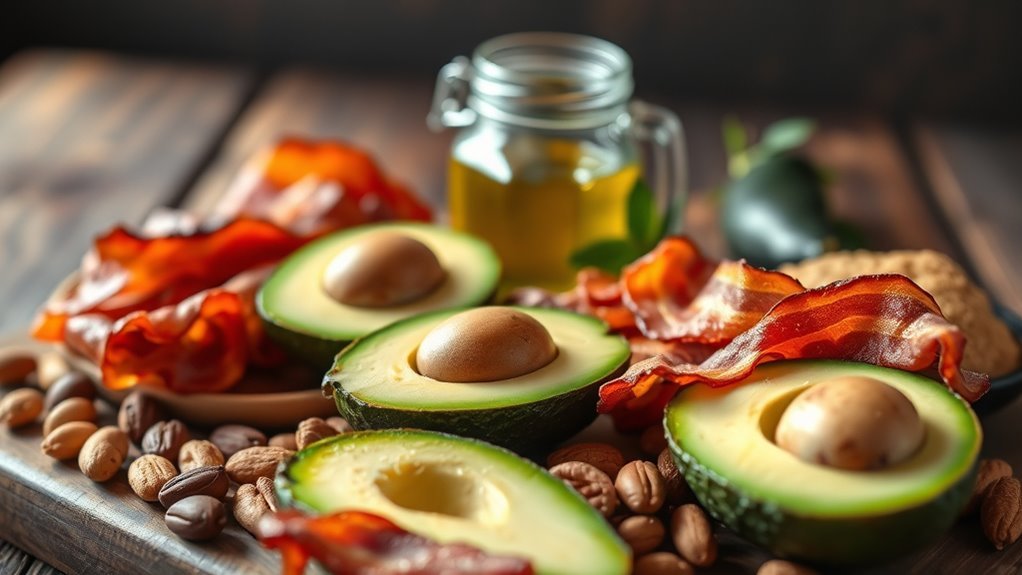
When exploring the role of dietary fats in our nutrition, it is crucial to recognize that not all fats are created equal. Different dietary fat types impact your body in various ways, particularly regarding fat metabolism. Understanding these distinctions can help you make informed choices.
- Saturated Fats: Often found in animal products, these can influence cholesterol levels differently than unsaturated fats.
- Unsaturated Fats: Typically derived from plants, these are known to support heart health and improve fat metabolism.
- Trans Fats: Usually found in processed foods, these are linked to negative health outcomes and should be minimized.
Types of Cholesterol: HDL vs. LDL
While many people often hear about cholesterol in general terms, it’s vital to differentiate between the two primary types: HDL and LDL. Understanding these cholesterol types can empower you in your cholesterol management.
| Cholesterol Type | Functions | Health Impact |
|---|---|---|
| HDL | Transports cholesterol to the liver for removal | Often called “good” cholesterol, helps reduce heart disease risk |
| LDL | Carries cholesterol to cells | Often referred to as “bad” cholesterol, high levels can lead to plaque buildup in arteries |
Managing your cholesterol is essential for heart health. Striking a balance between HDL and LDL is key to maintaining ideal cholesterol functions. By knowing the differences, you can make informed dietary choices that promote your well-being.
How the Keto Diet Affects Cholesterol Levels
When you start a keto diet, you might notice changes in your cholesterol levels, particularly with HDL and LDL. Research suggests that while HDL (the “good” cholesterol) often increases, LDL (the “bad” cholesterol) can vary considerably among individuals. Additionally, the impact on triglyceride levels and the long-term health effects are important factors to take into account as you evaluate your overall cardiovascular health.
HDL and LDL Changes
As you begin the keto diet, understanding how it impacts your cholesterol levels is vital, especially concerning HDL and LDL. The dietary influences of a high-fat, low-carb intake can greatly alter your cholesterol metabolism.
- HDL (high-density lipoprotein), often referred to as “good” cholesterol, may increase, which can benefit heart health.
- Conversely, LDL (low-density lipoprotein) levels can vary; some may experience a rise, while others see no change.
- Individual responses to the keto diet differ, influenced by genetics and overall lifestyle.
Monitoring your cholesterol levels regularly is important as you adapt to this diet. Remember, a balanced approach and consultation with a healthcare professional can help you navigate these changes effectively.
Triglyceride Levels Impact
One key aspect of the keto diet is its notable effect on triglyceride levels, which can greatly influence overall cholesterol health. Many people experience significant triglyceride reduction when following a keto lifestyle. This is largely due to the diet’s emphasis on low carbohydrate intake, which encourages the body to burn fat for fuel instead of relying on sugar. As a result, you’ll likely notice positive metabolism effects, including improved fat oxidation and decreased fat storage. Lower triglyceride levels are often associated with a reduced risk of heart disease, making this aspect of the keto diet particularly appealing. However, it is crucial to monitor your overall lipid profile, as individual responses can vary, and maintaining balance is key to long-term health.
Long-term Health Effects
Although many individuals experience positive changes in cholesterol levels while on the keto diet, the long-term health effects can vary greatly. It’s essential to understand how your body responds over time, as cholesterol trends can markedly impact your overall health and keto longevity.
- Some may see an increase in LDL cholesterol, which could raise heart disease risk.
- Others might maintain or even improve their HDL levels, promoting cardiovascular health.
- Regular monitoring and adjustments can help you strike a balance between benefits and potential risks.
Ultimately, staying informed and consulting with healthcare professionals can guide your keto journey, ensuring you enjoy the freedom of this diet while safeguarding your long-term health.
Potential Benefits of Increased Fat Intake
Increased fat intake on a keto diet can lead to several potential benefits, especially when it comes to managing cholesterol levels. As you embrace fat adaptation, your body becomes more efficient at using fat for fuel, which can enhance your metabolic flexibility. This shift may help improve your overall lipid profile by increasing HDL (good cholesterol) and potentially lowering triglycerides. Many people find that a higher fat intake can lead to better satiety, reducing cravings and aiding in weight management. Additionally, this dietary approach can support stable energy levels throughout the day. By focusing on high-quality fats, you might enjoy improved heart health while still experiencing the freedom and satisfaction of a flavorful diet.
Individual Variability in Cholesterol Response
When it comes to cholesterol response on a keto diet, individual variability plays a significant role. Your genetic makeup can influence how your body processes fats, and the specific composition of your diet can further impact your cholesterol levels. Understanding these factors is essential for tailoring dietary approaches that suit your unique needs.
Genetic Factors Influence Response
While the ketogenic diet has gained popularity for its potential health benefits, individual responses to dietary fat intake can vary considerably due to genetic factors. Your genetic predisposition plays an essential role in how your body processes fats and manages cholesterol metabolism. This means that some individuals may experience significant increases in cholesterol levels, while others may not see much change at all.
Here are a few key points to take into account:
- Genetics can determine how effectively your body metabolizes cholesterol.
- Some may respond positively to a high-fat diet, while others might face risks.
- Understanding your unique genetic makeup can help tailor dietary choices.
Diet Composition Matters Most
Diet composition plays a significant role in how individuals respond to changes in cholesterol levels, particularly on a ketogenic diet. You might find that the quality of your diet, including the types of fats you consume, can greatly affect your cholesterol profile. For instance, a balanced intake of healthy fats—like those from avocados and nuts—can promote better heart health, while trans fats may increase LDL cholesterol levels. Individual responses can vary based on genetics and existing health conditions, so it’s crucial to monitor your own body’s reaction. By focusing on diet quality and maintaining a healthy fat balance, you can navigate the complexities of cholesterol management while enjoying the freedom a keto lifestyle offers.
Monitoring Cholesterol While on Keto
Although many people turn to the ketogenic diet for weight loss and health benefits, it’s essential to keep an eye on your cholesterol levels throughout the process. Cholesterol monitoring is vital for ensuring that your body responds well to the high-fat nature of keto. Regular check-ups with your healthcare provider can help you make necessary diet adjustments.
- Track your cholesterol levels every few months.
- Pay attention to how different fats affect your body.
- Consider keeping a food diary to identify patterns.
Tips for a Heart-Healthy Keto Diet
When starting on a ketogenic journey, it’s essential to prioritize heart health by making informed food choices. Focus on incorporating heart-healthy fats like avocados, olive oil, and fatty fish, which can support cardiovascular wellness. Aim for a nutrient balance by including plenty of non-starchy vegetables, ensuring you get essential vitamins and minerals. While high-fat foods are a staple, moderation is key, especially with saturated fats. Consider the sources of your fats; prioritize nuts, seeds, and plant-based oils over processed options. Staying hydrated and maintaining a balanced intake of electrolytes can also enhance your overall well-being. By choosing nutrient-dense foods, you can enjoy the freedom of a ketogenic diet while supporting your heart health.
Consulting Healthcare Professionals for Guidance
Before starting a ketogenic diet, it’s vital to consult healthcare professionals who can provide personalized guidance tailored to your specific health needs. This step guarantees you’re making informed choices that align with your wellness goals. Here are some consultation options to reflect upon:
Consulting healthcare professionals is essential for personalized guidance before starting a ketogenic diet.
- Registered Dietitians: They can help you create a balanced meal plan that suits your lifestyle while monitoring cholesterol levels.
- Primary Care Physicians: They can assess your overall health and provide professional advice on potential risks related to the keto diet.
- Nutritionists: They may offer insights on nutrient intake and how to maintain a healthy diet during your keto journey.
Taking the time for professional advice can lead to a more successful and enjoyable experience on your keto diet.
Does a keto diet raise cholesterol levels?
The ketogenic (keto) diet can affect cholesterol levels in different ways. Some individuals may experience an increase in total cholesterol, particularly low-density lipoprotein (LDL) cholesterol, while others may see improvements in their lipid profiles. It largely depends on the individual’s body response, the types of fats consumed, and overall dietary choices. It’s essential to monitor cholesterol levels regularly and consult a healthcare professional for personalized advice.
What types of fats are recommended on a keto diet?
On a keto diet, it’s recommended to focus on healthy fats, which include monounsaturated fats such as olive oil and avocados, and omega-3 fatty acids found in fish. Saturated fats, like those from butter and coconut oil, can also be included, but moderation is key. It’s crucial to avoid trans fats and highly processed oils, as they can negatively affect cholesterol levels and overall heart health.
How does the keto diet impact HDL cholesterol?
The keto diet is often associated with an increase in high-density lipoprotein (HDL) cholesterol, which is considered the “good” cholesterol. Higher levels of HDL can help reduce the risk of heart disease. This increase is primarily due to the higher fat intake on the diet, which can promote the elevation of HDL levels. However, individual responses can vary, so monitoring is essential.
Should I be concerned if my LDL cholesterol increases on a keto diet?
An increase in LDL cholesterol on a keto diet can be concerning, but not all LDL is the same. There are different subtypes of LDL, with some being more harmful than others. It’s important to assess not just LDL levels but also the overall lipid profile and risk factors for heart disease. Consulting a healthcare provider can help interpret these numbers and determine the best course of action.
How can I manage cholesterol levels while on a keto diet?
To manage cholesterol levels on a keto diet, focus on incorporating healthy fats, increasing fiber intake through low-carb vegetables, and avoiding processed foods. Regular monitoring of cholesterol levels is crucial, as is consulting with a healthcare professional who can provide personalized recommendations. Additionally, maintaining a balanced diet with a variety of nutrients can support overall heart health.
References
- https://www.ncbi.nlm.nih.gov/pmc/articles/PMC6469609/
- https://www.health.harvard.edu/staying-healthy/the-truth-about-the-ketogenic-diet
- https://www.cdc.gov/nutrition/resources-publications/healthier-communities/heart-disease.html
- https://www.mayoclinic.org/healthy-lifestyle/nutrition-and-healthy-eating/expert-answers/keto-diet/faq-20429811
- https://www.webmd.com/diet/ss/slideshow-keto-diet-overview
- https://www.heart.org/en/news/2020/06/03/what-the-keto-diet-means-for-your-heart-health
- https://www.verywellfit.com/keto-diet-cholesterol-5115837
- https://www.nhlbi.nih.gov/health-topics/cholesterol