
You can have beans on a keto diet, but you’ve got to be careful. Most beans, like black and kidney beans, are high in carbs—often around 37-40 grams per cup. They do offer benefits, like fiber and protein, but that carb count can hinder your ketosis goals. Consider lower-carb options like black soybeans or edamame, and watch your portions. If you’re curious about balancing beans with keto, there are plenty of creative ways to integrate them into your meals.
Understanding the Carbohydrate Content of Beans
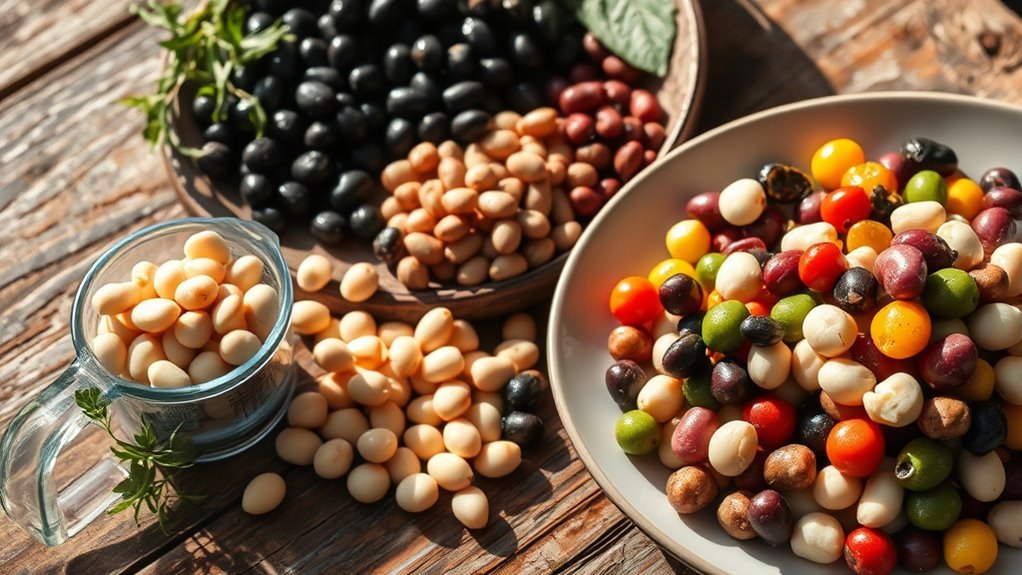
When considering a ketogenic diet, it’s important to understand the carbohydrate content of beans, as they can greatly impact your daily carb intake. Different bean varieties, such as black beans and kidney beans, contain varying levels of carbohydrates. A nutritional analysis reveals that one cup of cooked black beans has about 40 grams of carbohydrates, while kidney beans have roughly 37 grams. While beans are rich in fiber and protein, their carb content can challenge your keto goals. If you’re seeking flexibility in your diet, it’s essential to weigh the benefits of fiber and nutrients against the potential carb overload. Ultimately, knowing the carbohydrate content helps you make informed decisions that align with your keto lifestyle.
The Role of Beans in a Keto Diet
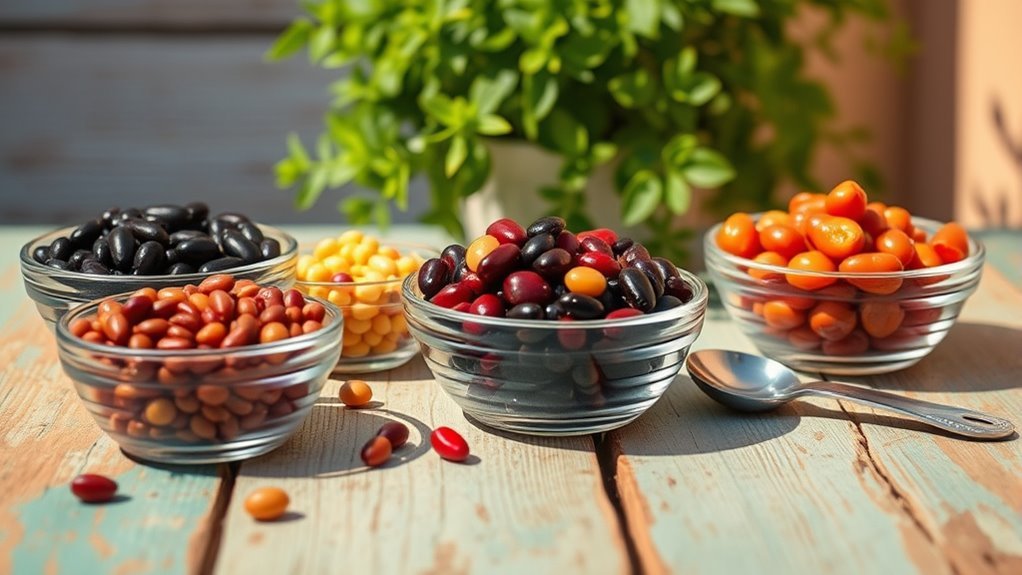
While beans are often praised for their nutritional benefits, their role in a keto diet can be complex due to their carbohydrate content. Different bean varieties vary in carb levels, making it essential to select wisely. Here are some factors to evaluate:
Beans offer nutritional benefits, but their varying carb levels require careful selection for a keto diet.
- High Fiber Content: Many beans are rich in fiber, which can promote digestive health.
- Protein Source: Beans can provide a plant-based protein alternative for those looking to diversify their diet.
- Vitamins and Minerals: They’re packed with essential nutrients like iron, magnesium, and folate.
- Potential for Keto-Friendly Meals: When portioned correctly, beans can fit into a low-carb lifestyle without exceeding your daily carb limits.
Balancing these aspects can help you enjoy the benefits of beans while staying keto-compliant.
Low-Carb Bean Alternatives
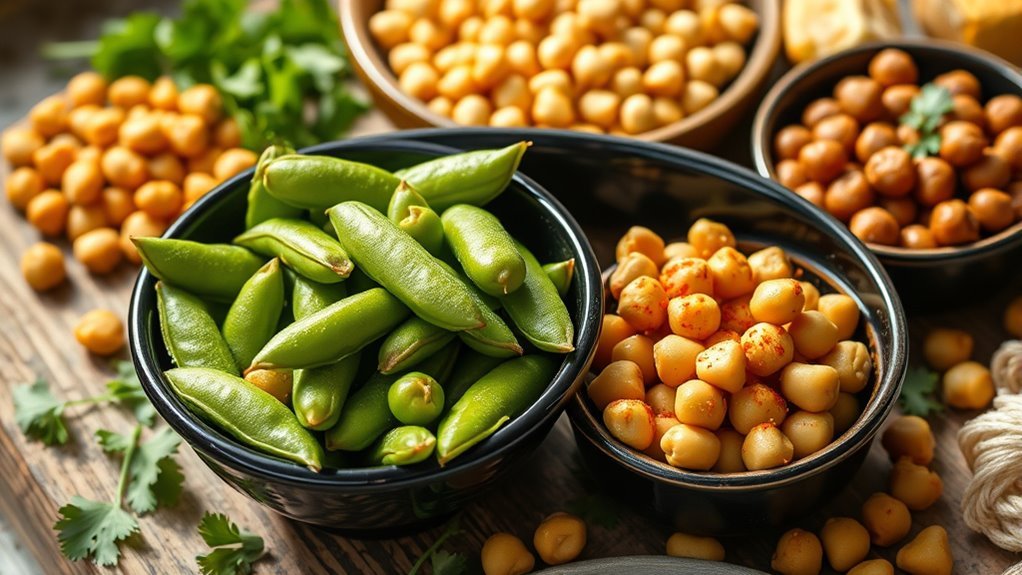
If you’re looking to reduce your carb intake but still want to enjoy a hearty meal, there are several low-carb bean alternatives that can satisfy your cravings. Consider options like black soybeans, which are low in carbs and high in protein, making them ideal bean substitutes. Another great choice is edamame; these young soybeans are both nutritious and versatile. You might also explore lentils, particularly the black variety, which offer a lower carb count compared to traditional beans. Other low carb legumes include chickpeas, when consumed in moderation. These alternatives not only mimic the texture of beans but also maintain the essential nutrients, allowing you to enjoy flavorsome dishes without compromising your keto lifestyle.
How to Incorporate Beans Into Your Keto Meal Plan
Although beans are generally high in carbs, incorporating low-carb options like black soybeans and edamame into your keto meal plan can be both satisfying and nutritious. Here are some tips to help you enjoy bean recipes while sticking to your keto goals:
- Add black soybeans to salads for extra protein and fiber.
- Use edamame as a crunchy snack or toss it into stir-fries.
- Create a keto-friendly bean dip by blending black soybeans with avocado and spices.
- Experiment with bean flour for baking low-carb breads or pancakes.
The Bottom Line on Beans and Keto
When considering beans in a keto diet, it’s essential to recognize their carbohydrate content, as most varieties can hinder your ketosis goals. While beans boast impressive bean nutrition, including fiber and protein, their higher carb counts make them tricky for strict keto followers. If you want to incorporate beans, focus on smaller portions and choose lower-carb options like green beans or black soybeans. Always weigh these choices against your overall daily carb limits, adhering to keto guidelines. Ultimately, you have the freedom to experiment, but be mindful of how beans impact your state of ketosis. By understanding their nutritional profile and adjusting your intake, you can find a balance that works for your lifestyle while enjoying the benefits of beans.
1. Can I eat beans on a keto diet?
While beans are a good source of protein and fiber, they are generally high in carbohydrates, which can make them challenging to include in a strict ketogenic diet. Most beans contain around 20 grams of carbs per cup, which can exceed the daily carb limit for many people on keto. However, small portions of certain lower-carb beans, like black soybeans or green beans, can be included in moderation.
2. What types of beans are lowest in carbs?
The beans with the lowest carbohydrate content that are more suitable for a keto diet include black soybeans and green beans. Black soybeans have about 2 grams of net carbs per half-cup serving, while green beans contain roughly 4 grams of net carbs per cup. Other options like chickpeas and lentils are higher in carbs and may not fit well into a ketogenic meal plan.
3. How can I incorporate beans into a keto diet?
If you choose to incorporate beans into your keto diet, consider using them sparingly. You can add a small amount of black soybeans to salads, stir-fries, or soups to enhance flavor and nutrition without exceeding your carb limits. Always track your overall carbohydrate intake to ensure that you remain in ketosis, and consider combining beans with low-carb vegetables to create balanced meals.
4. What are the nutritional benefits of beans?
Beans are rich in protein, fiber, vitamins, and minerals. They can help promote digestive health, stabilize blood sugar levels, and provide a feeling of fullness. When consumed in moderation, the fiber in beans can also assist in maintaining a healthy gut microbiome. However, for strict keto adherents, it is crucial to balance these benefits against their carbohydrate content to ensure alignment with dietary goals.
5. Are there any alternatives to beans for protein on keto?
Yes, there are many alternatives to beans for protein on a keto diet. Excellent sources of protein include meat (beef, chicken, pork), fish (salmon, sardines), eggs, dairy products (cheese, yogurt), and plant-based options like tofu and tempeh. Nuts and seeds are also great for adding protein and healthy fats without high carb counts. These alternatives can help you reach your protein needs while staying within your carb limits.
References
- https://www.healthline.com/nutrition/keto-diet-foods#beans
- https://www.medicalnewstoday.com/articles/322978
- https://www.dietdoctor.com/low-carb/keto/foods
- https://www.ncbi.nlm.nih.gov/pmc/articles/PMC7400374/
- https://www.webmd.com/diet/obesity/qa/what-are-the-best-foods-to-eat-on-a-keto-diet
- https://www.ketogenic.com/what-to-eat/keto-friendly-foods/