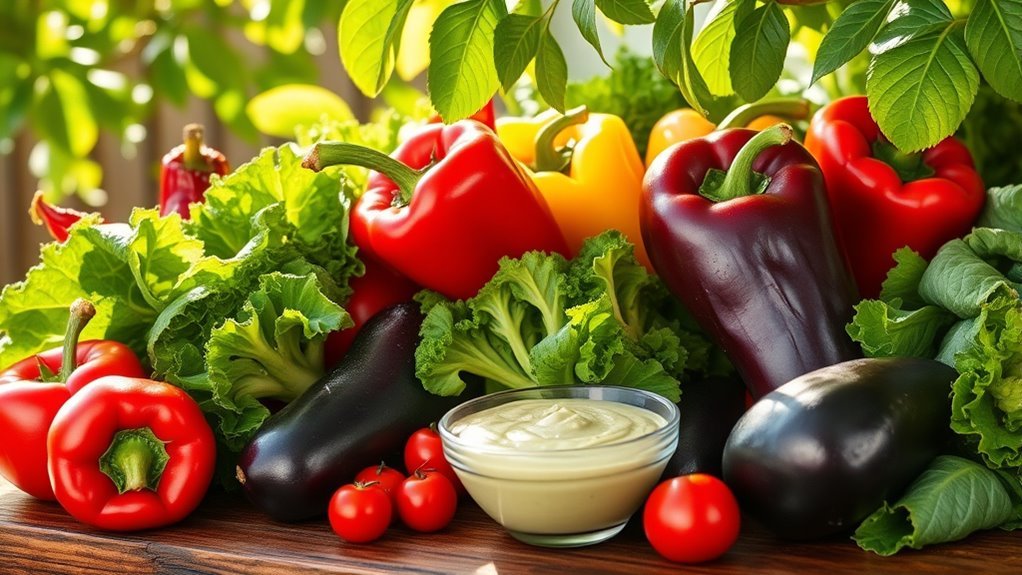

Yes, you can eat vegetables on a keto diet! They’re essential for staying within your carb limits while providing crucial nutrients. Focus on low-carb, non-starchy veggies like leafy greens, broccoli, and bell peppers to support your health and satiety. These vegetables enhance the nutritional value of your meals and help manage cravings. Just be mindful of high-carb options, as they can impact ketosis. Explore creative ways to prepare them for a delicious keto experience!
Understanding the Keto Diet and Its Nutritional Goals
When you commence a keto diet, it’s essential to understand its foundational principles and nutritional goals. The primary objective is to achieve a specific macronutrient balance, typically comprising about 70-75% dietary fat, 20-25% protein, and only 5-10% carbohydrates. This shift encourages your body to enter a state of ketosis, where it burns fat for fuel instead of glucose. To reach this balance, you’ll prioritize high-fat foods while drastically reducing carb intake. It’s vital to select healthy fats, like avocados, olive oil, and nuts, to nourish your body effectively. By understanding these principles, you empower yourself to make informed choices, enabling you to enjoy a fulfilling and liberating keto journey while achieving your health goals.
Low-Carb Vegetables Perfect for Keto
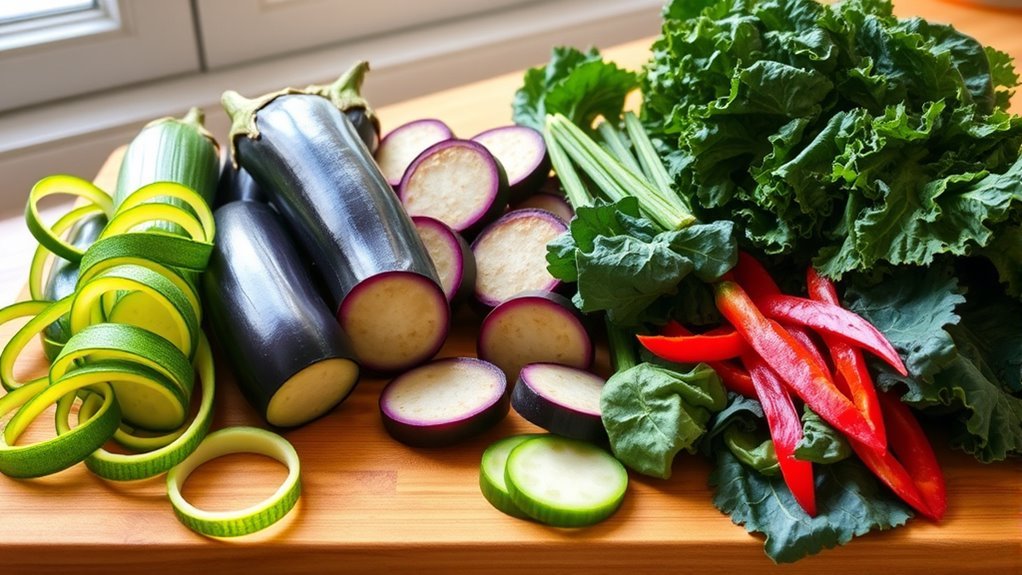
Achieving the right macronutrient balance on a keto diet involves not just focusing on fats and proteins but also carefully selecting your carbohydrate sources. Low-carb vegetables are your best friends, offering essential nutrients without spiking your carb intake. Think leafy greens like spinach and kale, cruciferous options like broccoli and cauliflower, or vibrant bell peppers. These veggies can be easily incorporated into keto vegetable smoothies or made into satisfying vegetable-based snacks. Not only do they keep your carb count low, but they also provide fiber, vitamins, and minerals vital for overall health. Embrace these low-carb options to enjoy variety while staying committed to your keto lifestyle, ensuring you feel satisfied and energized throughout the day.
Non-Starchy vs. Starchy Vegetables
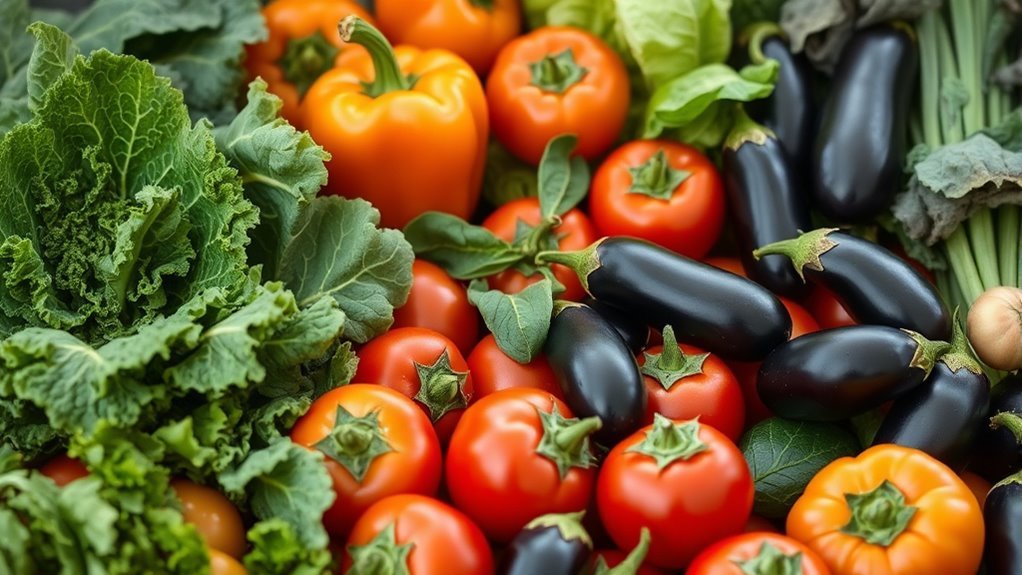
When following a keto diet, it’s essential to understand the difference between non-starchy and starchy vegetables. Non-starchy vegetables, like spinach and broccoli, are low in carbs and packed with nutrients, while starchy vegetables, such as potatoes and corn, can hinder your ketosis goals. Incorporating the right types of veggies can enhance your health and support your dietary objectives.
Defining Non-Starchy Vegetables
Non-starchy vegetables are essential components of a keto diet, offering low carbohydrate content while providing vital nutrients. These veggies, including leafy greens, bell peppers, and broccoli, boast high nutrient density and are packed with vitamins, minerals, and antioxidants. Their impressive fiber content not only aids digestion but also helps you feel fuller longer, which can be beneficial in managing your appetite on a keto journey. Unlike starchy vegetables, non-starchy options keep your carb intake in check while still allowing for a diverse and colorful plate. Incorporating these vegetables into your meals can enhance your overall health and support your ketogenic lifestyle, giving you the freedom to enjoy flavorful, satisfying dishes without compromising your dietary goals.
Starchy Vegetables to Avoid
While non-starchy vegetables are a fantastic choice on a keto diet, it’s equally important to recognize which starchy vegetables to limit or avoid. Starchy vegetable examples include potatoes, corn, peas, and sweet potatoes. These veggies tend to have a higher carbohydrate content, which can hinder your ketosis efforts. For instance, just one medium potato can contain around 37 grams of carbs, while corn has approximately 27 grams per cup. If you’re aiming to maintain your carb intake, it’s best to steer clear of these starchy options. Instead, focus on low-carb alternatives like leafy greens, broccoli, and cauliflower, which allow you to enjoy the benefits of vegetables without compromising your keto goals.
Health Benefits of Vegetables
Although both non-starchy and starchy vegetables provide essential nutrients, their health benefits can vary greatly, especially on a keto diet. Non-starchy vegetables, like leafy greens and cruciferous veggies, are low in carbs but high in nutrient density. They can considerably boost your fiber intake, supporting digestion and promoting a sense of fullness. Here are four key benefits of non-starchy vegetables:
- Rich in Antioxidants: Help combat oxidative stress.
- Low in Calories: Allow you to eat more without exceeding carb limits.
- Hydration: Many have high water content, aiding hydration.
- Vitamins & Minerals: Essential for overall health and well-being.
Incorporating these veggies into your meals can help you thrive on a keto diet while enjoying delicious, satisfying food.
How to Incorporate Vegetables Into Your Keto Meals
Incorporating vegetables into your keto meals can enhance both flavor and nutrition without compromising your carb goals. You’ll want to focus on low-carb options like leafy greens and cruciferous vegetables, and using creative cooking techniques can make them more appealing. Meal prepping these veggies can also save time and guarantee you always have healthy options on hand.
Low-Carb Vegetable Options
When you’re on a keto diet, finding low-carb vegetable options can greatly enhance your meal variety without derailing your carb intake. Incorporating these vegetables into your meals can make for delicious keto-friendly salads or even invigorating vegetable smoothies. Here are some great low-carb options:
- Spinach – Packed with nutrients and perfect for salads or smoothies.
- Zucchini – Great for spiralizing into noodles or adding to stir-fries.
- Cauliflower – Versatile for rice substitutes or creamy mash.
- Bell Peppers – Add vibrant color and crunch to your dishes.
These vegetables not only keep your carb count low but also offer essential vitamins and minerals, empowering you to enjoy your meals while staying true to your keto lifestyle.
Creative Cooking Techniques
While many might think sticking to a keto diet limits their cooking options, there are actually numerous creative techniques you can use to incorporate low-carb vegetables into your meals. Try vegetable spiralizing for a fun twist on traditional dishes; zucchini noodles can replace pasta seamlessly. Roasting techniques also elevate flavors while reducing moisture, making veggies like cauliflower and Brussels sprouts irresistible.
| Cooking Technique | Description |
|---|---|
| Vegetable Spiralizing | Create noodle-like shapes for low-carb meals. |
| Roasting Techniques | Enhance flavors and textures of vegetables. |
| Grilling | Adds smoky flavor and char to your veggies. |
Experimenting with these methods can bring variety to your keto meals, keeping them exciting and satisfying.
Meal Prep Ideas
To make meal prep easier and more effective on a keto diet, you’ll want to focus on incorporating a variety of low-carb vegetables that not only enhance nutrition but also add flavor and texture to your meals. Here are some meal prep ideas to take into account:
- Zucchini Noodles: Spiralize zucchini for a pasta substitute that’s both low in carbs and delicious.
- Cauliflower Rice: Pulse cauliflower in a food processor for a grain-free side that absorbs flavors beautifully.
- Roasted Brussels Sprouts: Toss them with olive oil and seasonings, then roast for a crispy, satisfying addition.
- Stuffed Bell Peppers: Fill with ground meat and spices for a hearty, veggie-packed meal.
For ideal vegetable storage, use airtight containers to keep them fresh throughout the week!
The Health Benefits of Eating Vegetables on Keto
Although many people associate the ketogenic diet primarily with high-fat foods, incorporating vegetables is essential for achieving a balanced and nutritious approach. Vegetables are rich in nutrient density, providing vitamins, minerals, and antioxidants that support overall health. Their fiber content is vital for digestive health, helping you maintain regularity and potentially reducing cravings. Eating low-carb, high-fiber veggies can also help stabilize blood sugar levels, which is particularly important on a keto diet. Furthermore, they contribute to satiety, making it easier to manage your caloric intake without feeling deprived. By embracing a variety of vegetables, you not only enhance the flavor of your meals but also empower your body with essential nutrients while enjoying the freedom that a keto lifestyle can offer.
Creative Ways to Prepare Keto-Friendly Vegetables
When you’re looking to incorporate more keto-friendly vegetables into your diet, creativity in preparation can make all the difference. Here are some delicious ways to enjoy your veggies:
- Roasted broccoli tossed with olive oil and garlic for a crispy side dish.
- Spiralized zucchini turned into noodles and topped with your favorite low-carb sauce.
- Stuffed bell peppers filled with a mix of ground meat, cauliflower rice, and spices, baked to perfection.
- Vegetable skewers featuring grilled Brussels sprouts and creamy asparagus to elevate your barbecue.
Common Mistakes to Avoid When Eating Vegetables on Keto
One common mistake people make on a keto diet is underestimating the importance of choosing the right vegetables. Failing to pay attention to carbohydrate content can lead to unwanted weight gain, making it essential to avoid common pitfalls.
Here’s a quick reference for vegetable selections:
| Low-Carb Vegetables | High-Carb Vegetables |
|---|---|
| Spinach | Corn |
| Kale | Potatoes |
| Zucchini | Carrots |
| Broccoli | Peas |
| Cauliflower | Beets |
Frequently Asked Questions
1. Can you eat vegetables on a keto diet?
Yes, you can eat vegetables on a keto diet, but it’s important to choose the right ones. The keto diet focuses on high-fat, moderate-protein, and low-carbohydrate intake. Non-starchy vegetables, which are low in carbohydrates, are ideal for this diet. Examples include leafy greens (like spinach and kale), broccoli, cauliflower, zucchini, and bell peppers. Aim to consume these vegetables to ensure you are getting essential nutrients while keeping your carb count low.
2. What are the best vegetables to eat on a keto diet?
The best vegetables for a keto diet are those that are low in carbohydrates and high in fiber. Some excellent choices include:
- Leafy greens (spinach, kale, romaine)
- Cruciferous vegetables (broccoli, cauliflower, Brussels sprouts)
- Zucchini
- Asparagus
- Bell peppers
- Mushrooms
- Avocado (technically a fruit, but often used as a vegetable)
These vegetables are not only keto-friendly but also packed with vitamins, minerals, and antioxidants.
3. Are there any vegetables to avoid on a keto diet?
Yes, certain vegetables should be avoided or consumed in moderation on a keto diet due to their high carbohydrate content. These include starchy vegetables such as:
- Potatoes
- Sweet potatoes
- Carrots
- Beets
- Corn
- Peas
It’s advisable to limit these vegetables as they can easily exceed your daily carb allowance on a keto diet.
4. How many carbs should I aim for when eating vegetables on keto?
The amount of carbohydrates you should consume while on a keto diet can vary based on individual goals, but a common recommendation is to limit total carb intake to about 20-50 grams per day. When it comes to vegetables, focus on net carbs, which are calculated by subtracting fiber from total carbohydrates. For example, if a vegetable has 6 grams of carbs and 2 grams of fiber, it has 4 grams of net carbs. Aim to fill your plate with low-carb, high-fiber vegetables to stay within your limit while still getting essential nutrients.
5. Can I eat vegetable juices or smoothies on a keto diet?
While vegetable juices and smoothies can be refreshing, they are often high in carbohydrates, especially if they contain fruits or starchy vegetables. Juicing typically removes the fiber, which can lead to a quicker spike in blood sugar levels. If you want to include smoothies, consider using low-carb vegetables like spinach, kale, and cucumber, and pair them with healthy fats such as avocado or coconut oil to maintain ketosis. Be mindful of the total carb count and aim to keep it low to stay within your daily limits.
References
- https://www.healthline.com/nutrition/keto-diet-foods#vegetables
- https://www.ncbi.nlm.nih.gov/pmc/articles/PMC7071030/
- https://www.verywellfit.com/vegetables-on-the-keto-diet-5110325
- https://www.dietdoctor.com/low-carb/keto/vegetables
- https://www.webmd.com/diet/what-is-the-ketogenic-diet
- https://www.researchgate.net/publication/341465203_The_Ketogenic_Diet_A_Review_of_the_Literature
- https://www.usda.gov/topics/food-and-nutrition
- https://www.health.harvard.edu/blog/the-keto-diet-what-you-should-know-2019081317605