

Eating sweet potatoes on the keto diet is generally not recommended due to their high carbohydrate content. However, understanding portion control and possible alternatives can help you enjoy them in moderation or find suitable substitutes. In this article, we’ll explore the reasons behind this guideline and offer insights into low-carb options for your meals.
Understanding the Keto Diet

The keto diet, short for ketogenic diet, is a low-carbohydrate, high-fat dietary regimen designed to shift the body’s metabolism away from carbohydrates and towards fat and ketone bodies. The primary goal is to induce a state of ketosis, where the body becomes efficient at burning fat for energy. To achieve and maintain ketosis, individuals typically aim for a daily intake of around 20-50 grams of net carbohydrates. This drastic reduction in carb intake forces the body to utilize fat stores, promoting weight loss and various health benefits.
Adhering to these macronutrient ratios is crucial, especially because consuming excess carbohydrates can significantly hinder the body’s ability to enter or stay in ketosis. Thus, understanding the carbohydrate content of foods, particularly those that are seemingly healthy, such as sweet potatoes, is essential for anyone following this dietary approach.
Sweet Potatoes Nutritional Profile
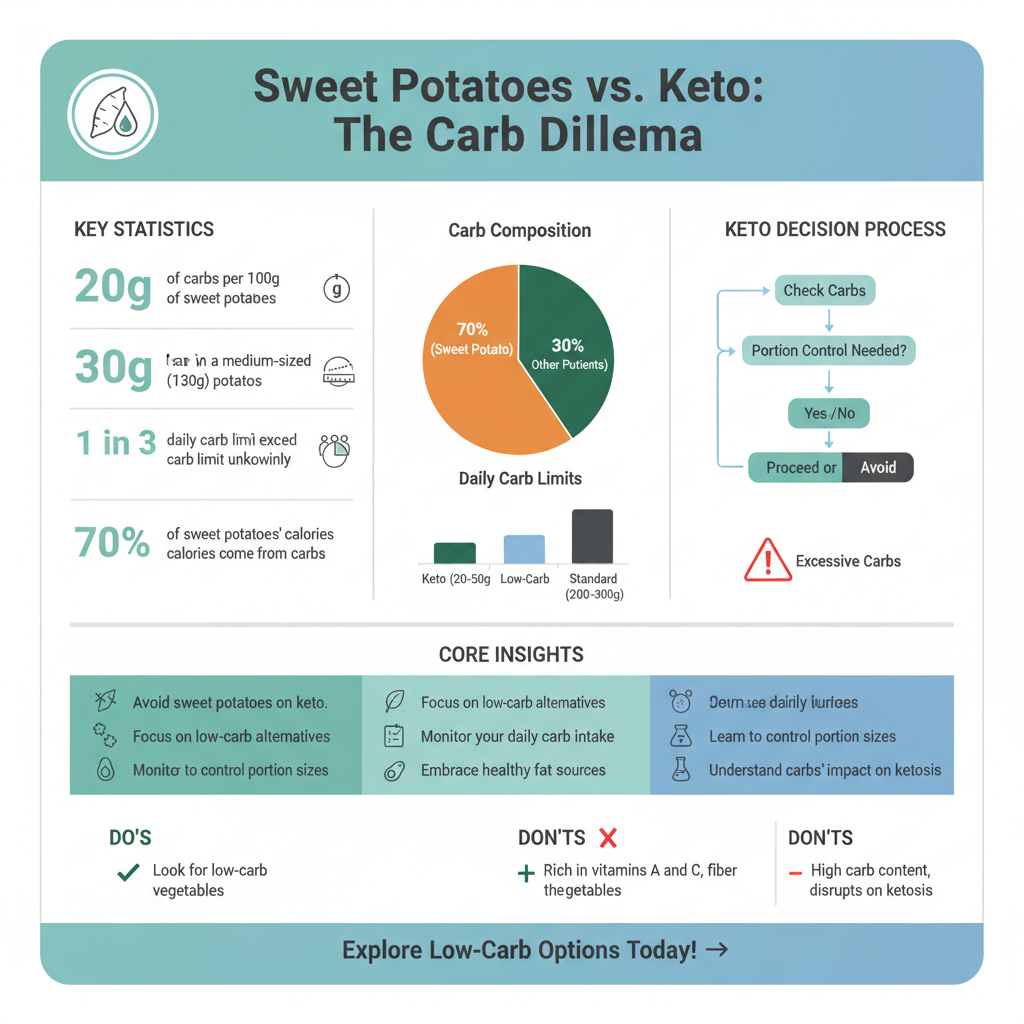
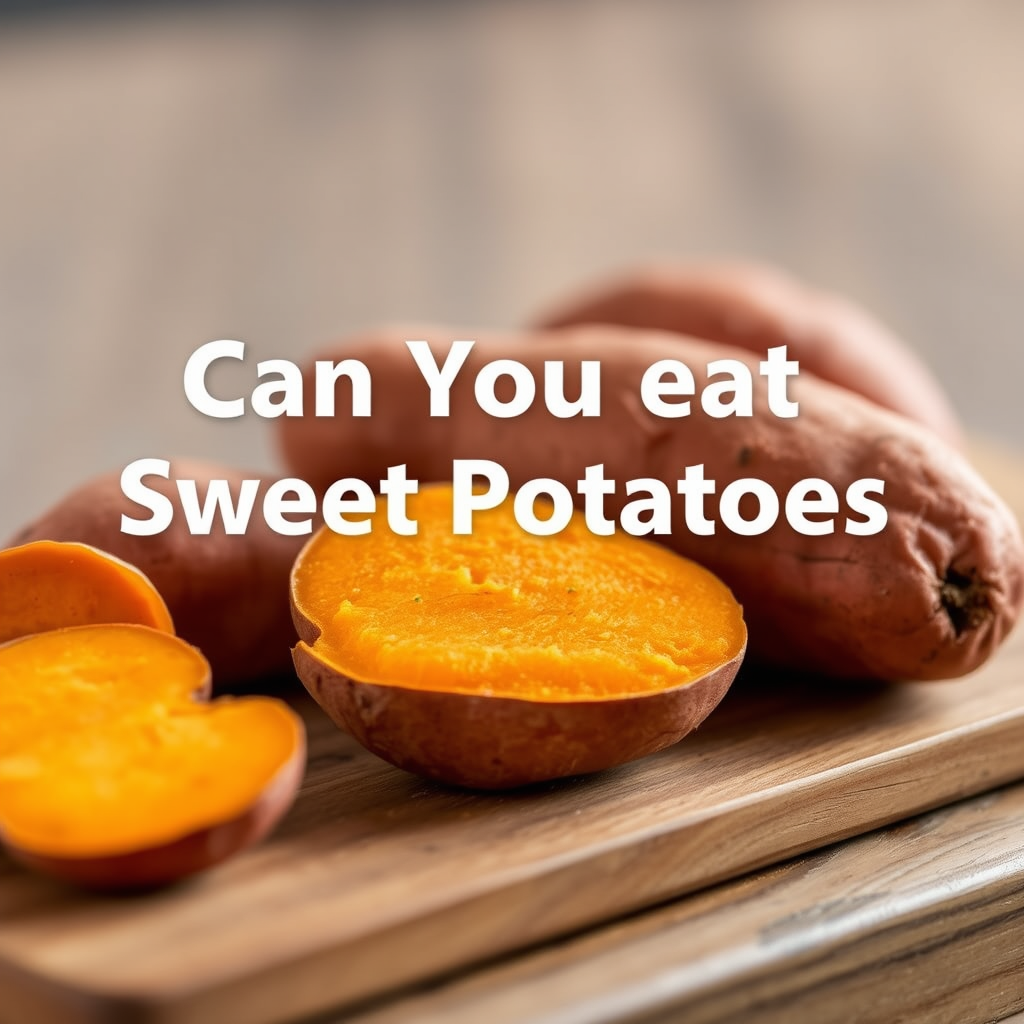
Sweet potatoes are often celebrated for their nutritional benefits, including being rich in vitamins A and C, potassium, fiber, and antioxidants. However, these nutritious qualities come with a caveat: sweet potatoes contain approximately 20 grams of carbohydrates per 100 grams. This high carb count can quickly consume a significant portion of your daily carb allowance on a keto diet, making it challenging to stay within the desired limits.
For example, a medium-sized sweet potato weighing about 130 grams can contain upwards of 30 grams of carbohydrates, which may exceed the total daily allowance for many individuals on a strict keto plan. While sweet potatoes can be part of a healthy diet, their carb density makes them a less-than-ideal choice for those strictly adhering to keto principles.
The Impact of Carbs on Ketosis
Carbohydrates play a pivotal role in the ketogenic diet, as their consumption directly impacts the body’s ability to enter and maintain ketosis. When carbohydrate intake is high, the body typically uses glucose derived from these carbs for energy instead of stored fat. This reliance on glucose prevents the body from entering the fat-burning state of ketosis.
Even small amounts of carbohydrates can potentially kick someone out of ketosis if they exceed the individual’s tolerance threshold. Therefore, understanding how certain foods, like sweet potatoes, fit into the overall carb allowance is crucial. For those who aim to stay in ketosis for weight loss or health benefits, it is essential to carefully monitor and manage carbohydrate intake, making sweet potatoes a risky choice.
Alternatives to Sweet Potatoes
Fortunately, there are plenty of low-carb alternatives to sweet potatoes that can provide similar flavors and textures without derailing your ketogenic goals. Some of the most popular substitutes include:
– Cauliflower: This versatile vegetable can be riced, mashed, or roasted to create a variety of dishes. Cauliflower contains only about 5 grams of carbs per 100 grams, making it an excellent low-carb alternative.
– Zucchini: This summer squash can be spiralized into noodles or baked into casseroles. With only about 3 grams of carbs per 100 grams, zucchini is a great way to incorporate a similar texture in meals.
– Turnips: Often overlooked, turnips can be roasted or mashed and have about 6 grams of carbs per 100 grams. They can provide a satisfying substitute for those craving root vegetables.
– Pumpkin: Pureed pumpkin can mimic the sweetness of sweet potatoes, with approximately 7 grams of carbs per 100 grams. It can be used in soups, smoothies, and baked goods.
By incorporating these alternatives, you can enjoy a variety of flavors while adhering to the low-carb guidelines of the keto diet.
Portion Control and Moderation
If you find it difficult to completely eliminate sweet potatoes from your diet, portion control is key. Limiting your serving size can allow you to enjoy sweet potatoes occasionally without exceeding your daily carb limit. To do this effectively, consider restricting your serving to a small portion, such as 50 grams, which would contain roughly 10 grams of carbohydrates.
Additionally, pairing sweet potatoes with high-fat foods can help balance your meal. For instance, combining a small serving of sweet potatoes with avocado, olive oil, or a side of fatty fish can help mitigate the overall impact of the carbohydrates on your meal’s net carb count. This strategy allows you to savor the flavor of sweet potatoes while still prioritizing your ketogenic goals.
Tips for a Keto-Friendly Diet
To successfully navigate the keto diet while enjoying a diverse range of foods, consider the following tips:
– Focus on Whole Foods: Prioritize whole, unprocessed foods over packaged options. This approach not only helps you avoid hidden sugars and carbs but also ensures you get essential nutrients.
– Healthy Fats are Key: Incorporate healthy fats such as avocados, nuts, seeds, and oils. These will help you meet your energy needs while keeping you satiated.
– Meal Planning: Planning your meals in advance can help you stay on track. Consider using meal prep strategies to ensure you have keto-friendly options ready, which can reduce the temptation to stray from the diet.
– Experiment with Recipes: Seek out keto-friendly recipes that mimic the texture and flavor of your favorite high-carb foods. This can include using alternatives like cauliflower pizza crust or zucchini lasagna.
By implementing these strategies, you can enjoy a fulfilling and varied diet while adhering to the principles of the ketogenic lifestyle.
While sweet potatoes are not ideal for a ketogenic diet due to their high carbohydrate content, there are numerous alternatives and strategies to enjoy a diverse diet. By understanding your limits and exploring low-carb options, you can still enjoy delicious meals while maintaining ketosis. Consider incorporating low-carb vegetables and meal planning into your routine to elevate your cooking game while ensuring you meet your dietary goals.
Frequently Asked Questions
Can you eat sweet potatoes on the keto diet?
Sweet potatoes are generally not recommended on the keto diet due to their higher carbohydrate content. A medium sweet potato contains about 26 grams of carbs, which can exceed the typical daily carb limit of 20 to 50 grams for those following a strict ketogenic approach. Instead, low-carb alternatives like cauliflower or radishes are often suggested to mimic the texture and flavor of sweet potatoes while keeping carb counts low.
Are there any low-carb alternatives to sweet potatoes for keto dieters?
Yes, there are several low-carb alternatives to sweet potatoes that are keto-friendly. Cauliflower is a popular substitute, as it can be mashed, riced, or roasted to create dishes similar to sweet potatoes. Other options include zucchini, turnips, and spaghetti squash, which provide a range of flavors and textures while keeping your carb intake in check.
Why are sweet potatoes considered high in carbohydrates?
Sweet potatoes are considered high in carbohydrates because they are starchy tubers that contain significant amounts of naturally occurring sugars. On average, a medium sweet potato has around 26 grams of carbs, which primarily come from starch. This high carb content can disrupt ketosis, a metabolic state aimed for in the keto diet, making sweet potatoes a less suitable option for those looking to maintain this state.
What are the nutritional benefits of sweet potatoes compared to keto-friendly vegetables?
Sweet potatoes are rich in vitamins A and C, fiber, and antioxidants, offering several health benefits such as improved immune function and digestive health. However, when compared to keto-friendly vegetables like spinach or kale, sweet potatoes are higher in carbs. While they do provide essential nutrients, keto vegetables offer lower carb counts, making them more suitable for maintaining ketosis while still supplying vital nutrients.
How can I satisfy my sweet potato cravings on a keto diet?
To satisfy sweet potato cravings while adhering to a keto diet, try using low-carb substitutes that offer a similar taste or texture. For instance, you can make “sweet potato” fries using eggplant or zucchini, seasoned with cinnamon for a sweet flavor. Additionally, consider using keto-friendly sweeteners in recipes that mimic the taste of sweet potatoes, such as sweet potato casserole, without the high carbs.
References
- https://www.healthline.com/nutrition/keto-diet-foods
- Alzheimer’s disease: Symptoms, stages, causes, and treatments
- https://www.ncbi.nlm.nih.gov/pmc/articles/PMC6830645/
- https://www.shrinerschildrens.org/en/news-and-events/news-releases/2021/keto-diet-benefits-and-risks
- https://www.webmd.com/diet/keto-diet-what-to-eat
- https://www.cdc.gov/healthyweight/assessing/bmi/adult_bmi/index.html
- https://www.mayoclinic.org/healthy-lifestyle/nutrition-and-healthy-eating/expert-answers/keto-diet/faq-20457595