

You can’t eat potatoes on a keto diet without risking your ketosis. They’re high in carbohydrates—just one medium potato has about 37 grams, which can spike blood sugar levels. While potatoes provide vitamins and minerals, their carb content makes them a poor choice for keto. If you’re looking for alternatives to enjoy without derailing your goals, there are several low-carb options that can satisfy your cravings while keeping you on track. Explore those alternatives for better choices.
Understanding Carbohydrates and Ketosis

While you may enjoy the taste of carbohydrates, understanding their role in the keto diet is essential for achieving and maintaining ketosis. Carbohydrates are classified into different types: simple sugars, complex carbs, and fiber. In a keto diet, the goal is to limit carbohydrate intake to encourage your body to enter the ketosis process, where it shifts from burning glucose to burning fat for fuel. This change requires strict monitoring of your carb types, as consuming too many can disrupt ketosis. Focus on low-carb options, and remember that not all carbs are created equal. By being mindful of your carbohydrate choices, you can enjoy the freedom of a keto lifestyle while reaping the benefits of fat adaptation.
Nutritional Profile of Potatoes

When considering the nutritional profile of potatoes, it’s important to recognize that they are primarily composed of carbohydrates, making them a challenging food choice for those on a keto diet. Different potato varieties, like russet, red, and fingerling, can vary in nutritional benefits, but they generally contain high amounts of carbs and low protein. A medium potato can have around 37 grams of carbohydrates, which can easily exceed your daily limit on keto. However, potatoes also offer essential vitamins and minerals, such as vitamin C, potassium, and fiber, which can be beneficial in moderation. While you might enjoy their taste and texture, it’s vital to weigh these nutritional benefits against your keto goals.
How Potatoes Affect Blood Sugar Levels
Potatoes, with their high carbohydrate content, can greatly impact blood sugar levels. When you consume potatoes, your body breaks down the carbs into glucose, leading to a rise in blood sugar. This triggers an insulin response, which helps regulate glucose levels but can lead to insulin resistance over time if consumed excessively.
Here’s a quick overview of how different factors can affect your blood sugar when eating potatoes:
| Factor | Effect on Blood Sugar |
|---|---|
| Cooking method | Varies (boiled vs. fried) |
| Portion size | Larger portions raise levels more |
| Type of potato | Some have higher glycemic index |
| Pairing with protein | Slows absorption, stabilizes levels |
| Ripeness | Riper potatoes may raise levels faster |
Being mindful of these factors can help you manage your blood sugar effectively.
Types of Potatoes and Their Carb Content
When considering potatoes on a keto diet, it’s important to know that some varieties are considerably higher in carbohydrates than others. For instance, classic options like russets and red potatoes can spike your carb intake, while alternatives like cauliflower and zucchini offer much lower carb counts. Understanding these differences can help you make informed choices that align with your dietary goals.
High-Carb Potato Varieties
Although it might be tempting to include potatoes in a keto diet due to their versatility, it’s important to be aware that certain varieties are considerably higher in carbohydrates than others. For instance, common potato types like Russet and Yukon Gold pack a significant carb content, often exceeding 30 grams of carbs per medium-sized potato. Similarly, red potatoes and white potatoes also fall into the high-carb category. If you’re aiming to maintain ketosis, consuming these varieties can quickly push you over your daily carb limit. Understanding the carb content of different potato types is essential for making informed dietary choices on a keto plan. So, if you’re craving potatoes, it’s wise to be selective and informed about your options.
Low-Carb Alternatives Available
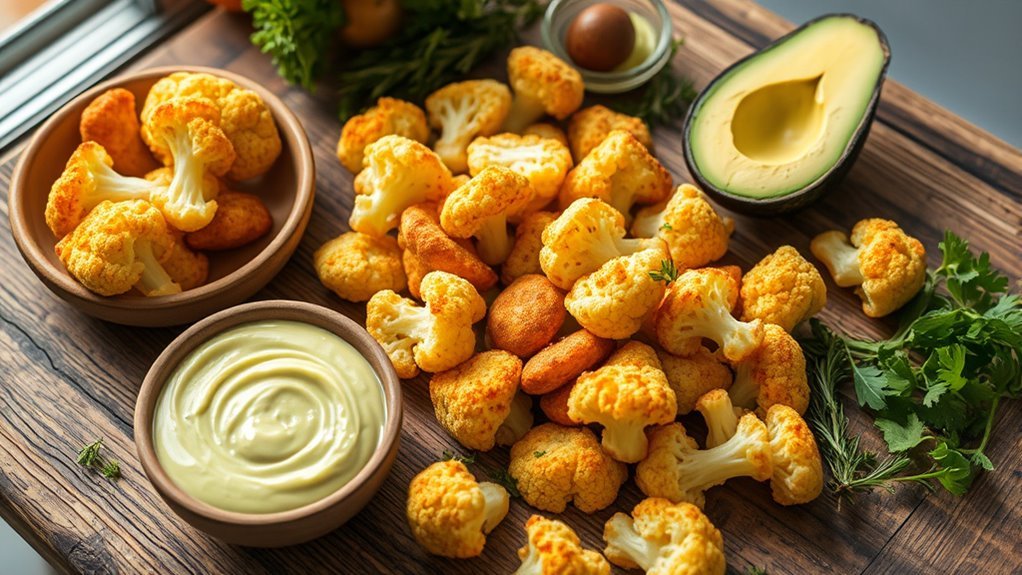
If you’re looking for low-carb alternatives to traditional potatoes, there are several options that can fit within a keto diet while still satisfying your cravings. Cauliflower mash is a popular choice; it’s creamy and can mimic the texture of mashed potatoes, with considerably fewer carbs. You can also try zucchini noodles, or “zoodles,” which offer a pasta-like experience without the hefty carb count. Both of these substitutes can be seasoned and topped just like your favorite potato dishes, allowing you to enjoy flavors without derailing your keto goals. Incorporating these alternatives into your meals can help you maintain a satisfying and varied diet while embracing the freedom that a keto lifestyle offers.
Alternatives to Potatoes on a Keto Diet
While many people love potatoes for their versatility and comfort, those following a keto diet need to find suitable alternatives that align with their low-carb goals. Thankfully, there are delicious options that can satisfy your cravings without derailing your progress.
| Alternative | Carbs (per 100g) | Cooking Method |
|---|---|---|
| Cauliflower Mash | 4g | Boil and mash |
| Zucchini Fries | 3g | Bake or fry |
| Radish Hash | 2g | Sauté or roast |
| Eggplant Chips | 6g | Bake or fry |
These substitutes can bring joy to your meals, making it easier to stick to your dietary preferences while still enjoying comforting textures and flavors. Embrace these alternatives and experience the freedom of variety on your keto journey!
Tips for Including Potatoes in a Low-Carb Lifestyle
When you’re managing a low-carb lifestyle, it’s still possible to enjoy potatoes in moderation by making smart choices. Start by controlling your potato portions; a small serving can satisfy cravings without derailing your dietary goals. You might consider pairing potatoes with high-fiber foods like vegetables or lean proteins to help balance blood sugar levels. Look for keto friendly recipes that incorporate potatoes creatively, such as using them in soups or casseroles where you can control the quantity. Additionally, try choosing new potato varieties, like red or fingerling potatoes, which can offer different flavors while keeping portions in check. Remember, it’s all about moderation and making informed decisions that align with your lifestyle. Enjoy the flexibility!
Conclusion: Making Informed Choices
As you navigate a low-carb lifestyle, it’s crucial to make informed choices about food, including the occasional enjoyment of potatoes. While traditional keto diets emphasize strict carb limits, embracing keto flexibility can enhance your overall experience. Potatoes, when consumed mindfully, can contribute to dietary balance, especially if you choose smaller portions or opt for lower-carb varieties, like sweet potatoes. It’s essential to evaluate how these choices fit into your daily carb allowance and nutritional goals. Remember, enjoying food shouldn’t feel restrictive. By being thoughtful about your potato intake, you can maintain your keto lifestyle while still relishing the flavors and textures you love. Ultimately, the key lies in moderation and awareness, allowing you the freedom to enjoy diverse foods.
Can you eat potatoes on a keto diet?
Potatoes are generally not recommended on a keto diet due to their high carbohydrate content. A standard serving of potatoes can contain around 30 grams of carbs, which can quickly exceed the typical daily limit of 20-50 grams for those following a ketogenic lifestyle. Instead, many people on keto opt for lower-carb alternatives like cauliflower or zucchini to mimic the texture of potatoes without the high carb count.
What are low-carb alternatives to potatoes on a keto diet?
Some popular low-carb alternatives to potatoes include cauliflower, which can be mashed, riced, or roasted, and turnips, which can be used in stews or baked dishes. Other options include rutabagas and kohlrabi, both of which have lower carb counts than traditional potatoes while still providing a similar texture in recipes.
Can I have a small portion of potatoes on keto?
While it is technically possible to have a small portion of potatoes on a keto diet, it is crucial to monitor your overall carbohydrate intake for the day. A very small serving might fit into your daily carb allowance, but it could hinder your progress in achieving ketosis. It’s always best to prioritize low-carb vegetables to maintain your keto goals.
What happens if I eat potatoes while on a keto diet?
If you consume potatoes while on a keto diet, you may exceed your daily carbohydrate limit, which could prevent your body from entering or maintaining a state of ketosis. This may lead to a reduction in the fat-burning process that the keto diet promotes, and could also result in increased cravings for carbohydrates as your body adjusts back to utilizing glucose for energy.
Are there any health benefits to eating potatoes?
Potatoes are a good source of vitamins and minerals, particularly vitamin C, potassium, and dietary fiber. They can also provide quick energy due to their carbohydrate content. However, these benefits are typically more relevant for individuals on a balanced diet rather than those following a strict ketogenic diet, where the focus is on high-fat and low-carb foods. If you enjoy potatoes and are not strictly adhering to keto, they can be included in moderation.
References
- https://www.ncbi.nlm.nih.gov/pmc/articles/PMC7072284/
- https://www.health.harvard.edu/blog/is-the-ketogenic-diet-right-for-you-2018021513141
- https://www.webmd.com/diet/obesity/what-is-the-ketogenic-diet
- https://www.mayoclinic.org/healthy-lifestyle/nutrition-and-healthy-eating/expert-answers/keto-diet/faq-20454776
- https://www.washingtonpost.com/lifestyle/wellness/keto-diet-what-to-know/2020/01/29/9f105f2c-3fd1-11ea-b90d-5652806c3b3c_story.html
- https://www.dietitians.ca/Your-Health/Nutrition-A-Z/Ketogenic-Diet.aspx
- https://www.cdc.gov/healthyweight/assessing/bmi/adult_bmi/english_bmi_calculator/bmi_calculator.html
- https://www.nutrition.gov/topics/nutrition-education/healthy-eating/dietary-restrictions/keto-diet