

Eating grits on a keto diet is not recommended due to their high carbohydrate content. While grits are a beloved staple in Southern cuisine, they can significantly hinder your progress on a ketogenic eating plan. A traditional serving of grits contains a substantial amount of carbs, which can derail your efforts to maintain ketosis. In this article, we will explore the nutritional profile of grits, viable alternatives for keto dieters, and creative ways to enjoy a similar texture without the carbs.
Understanding Grits and Their Carbohydrate Content
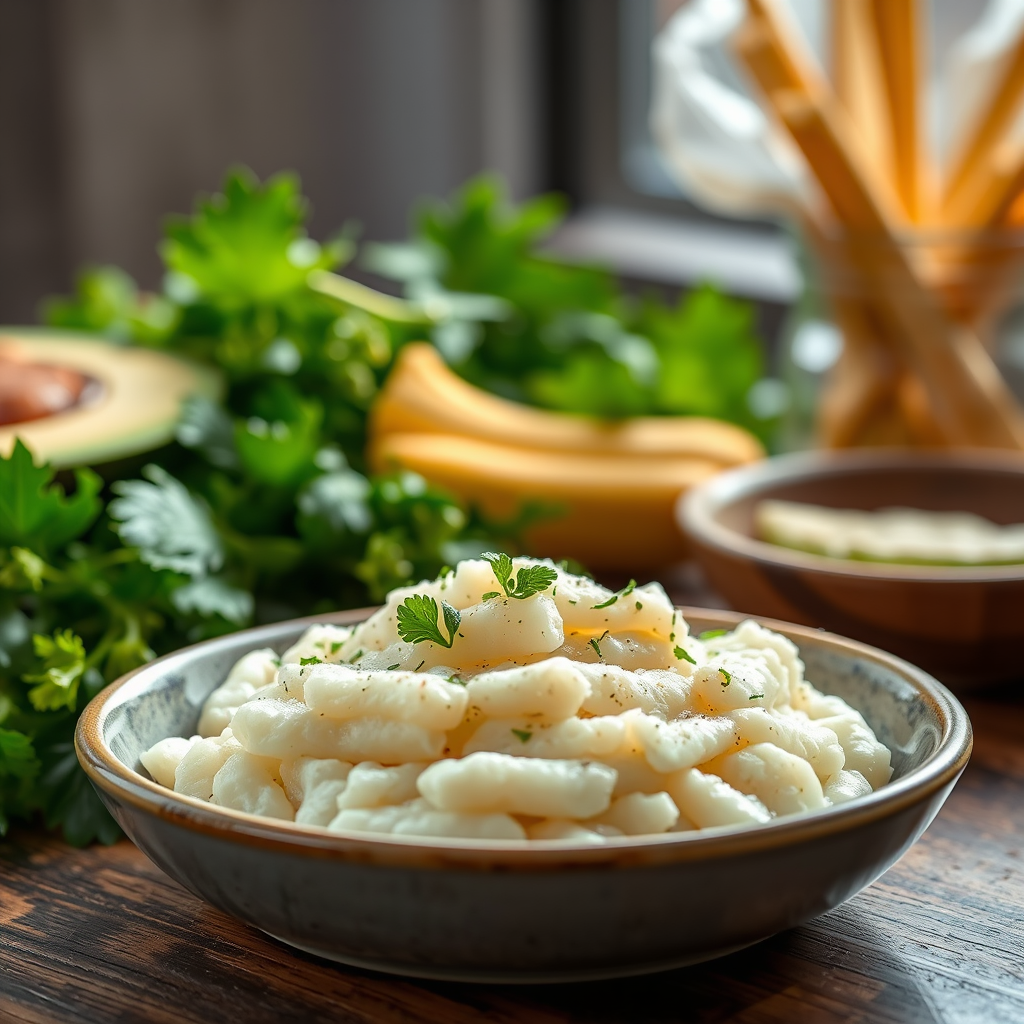
Grits are primarily made from corn, which is inherently high in carbohydrates. The process of grinding corn into grits removes much of the fiber, concentrating the carbohydrate content that makes them a popular but unsuitable choice for ketogenic diets. A typical serving of grits, which is about one cup cooked, can contain around 30 grams of carbohydrates. This amount far exceeds the daily limit for most keto dieters, who generally aim to consume between 20 to 50 grams of carbohydrates per day.
The high glycemic index of grits means they can cause a spike in blood sugar levels, leading to insulin resistance and cravings for more carbs. This makes grits not just a poor choice for those following a keto diet but also for anyone looking to maintain stable blood sugar levels. Understanding the carbohydrate content of grits is crucial for anyone considering their dietary options, particularly in the context of a low-carb lifestyle.
The Keto Diet Explained
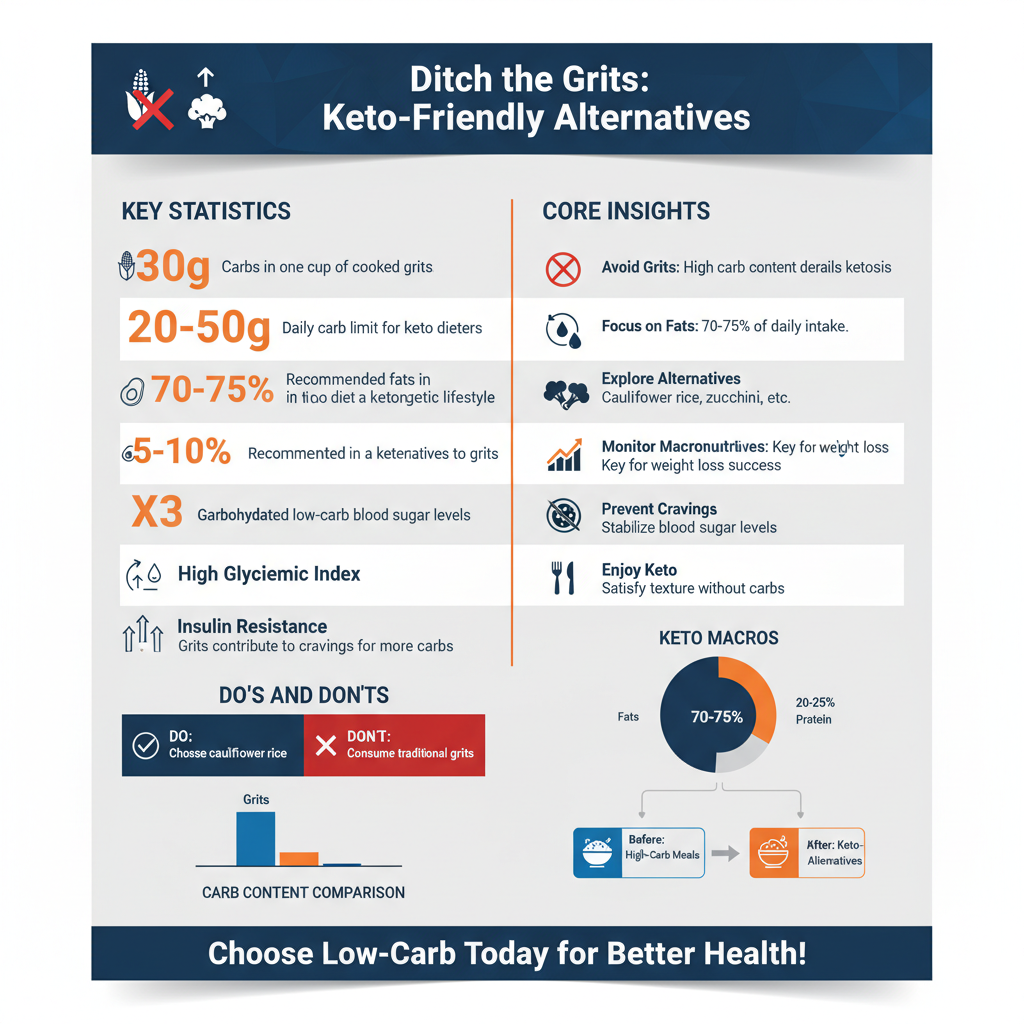

The ketogenic diet focuses on high fats, moderate proteins, and very low carbohydrates. By significantly reducing carbohydrate intake and replacing it with fat, the body enters a metabolic state known as ketosis. In ketosis, the body becomes highly efficient at burning fat for energy and converting fat into ketones, which can supply energy for the brain.
To achieve ketosis, it is essential to understand your macronutrient ratios: typically, a keto diet comprises about 70-75% fats, 20-25% protein, and only 5-10% carbohydrates. This shifts the body’s energy source away from carbohydrates, which is the rationale behind avoiding foods like grits that are rich in carbs. Monitoring your macronutrient intake is vital for achieving weight loss goals, improving mental clarity, and increasing energy levels, all of which are critical components of the keto lifestyle.
Low-Carb Alternatives to Grits
For those who miss the texture and warmth of grits but want to stick to a low-carb diet, there are excellent alternatives available. One popular substitute is cauliflower rice, which is made by grating or processing cauliflower into small, rice-like pieces. When cooked, cauliflower rice can provide a similar texture to grits and can easily absorb flavors from other ingredients.
Another alternative is zucchini grits, which can be made by finely grating zucchini and cooking it down until soft. This vegetable is low in carbohydrates and can be enriched with seasonings to enhance its flavor profile.
For those looking to create a creamy, pudding-like texture, chia seed pudding is an excellent choice. Chia seeds absorb liquid and swell up, creating a thick and satisfying dish that can be flavored with vanilla, cocoa, or berries, providing a delightful breakfast or snack.
Additionally, almond flour-based recipes can mimic the texture of grits while remaining within the low-carb framework. These recipes can be adapted for various dishes, allowing for creativity in the kitchen without sacrificing dietary goals.
Creative Ways to Enjoy Grits on a Low-Carb Diet
If you find yourself longing for the taste of grits, you can replicate the flavor profile by using nutritional yeast and a blend of low-carb ingredients. Nutritional yeast has a cheesy, nutty flavor that can bring depth to dishes, making it a fantastic ingredient for enhancing the taste of cauliflower or zucchini bases.
To add richness and creaminess, consider mixing in cheese or butter into your cauliflower or zucchini base. For example, a dish made from cauliflower rice, cheddar cheese, and a touch of butter can evoke the comforting essence of traditional grits while keeping your carbohydrate intake in check.
Furthermore, spices such as garlic powder, onion powder, or black pepper can be incorporated to create a savory dish that satisfies your cravings. Don’t shy away from experimenting with fresh herbs like chives or parsley to elevate the meal further.
Tips for Staying on Track with Keto
Staying committed to a ketogenic diet requires diligence and preparation. One of the best practices is to always read labels when shopping for packaged foods. Hidden sugars and carbohydrates can lurk in unexpected places, making it critical to remain vigilant.
Meal prepping is another effective strategy to avoid temptations and maintain your dietary goals. Preparing meals in advance ensures that you have keto-friendly options readily available, reducing the likelihood of reaching for high-carb alternatives when hunger strikes.
Additionally, keeping a food journal can help track your macronutrient intake, allowing you to see where you might be veering off track. This level of awareness can be beneficial in making informed choices that align with your ketogenic lifestyle.
Community and Support Resources
Embarking on a keto journey is often easier when you have a support system. Consider joining online forums or social media groups focused on ketogenic eating. These platforms can provide not only recipe ideas but also motivation and encouragement from fellow keto dieters.
Explore local meetups or cooking classes that focus on low-carb diets; these can be excellent opportunities to learn new recipes, share experiences, and gain insights from others who are also navigating their keto journeys. Engaging with a community can provide a sense of belonging and accountability, which can be incredibly beneficial for maintaining dietary commitments.
Maintaining a keto lifestyle means making careful food choices, and unfortunately, grits don’t fit into that plan due to their high carb content. However, with the right alternatives and creativity, you can enjoy delicious, satisfying meals without the carbs. Explore the provided alternatives and tips to keep your diet enjoyable and effective. Embracing a keto diet does not mean sacrificing flavor; rather, it opens the door to creative culinary experiences that align with your health goals.
Frequently Asked Questions
Can you eat grits on a keto diet?
Traditional grits are made from corn, which is high in carbohydrates, making them unsuitable for a ketogenic diet. A standard serving of grits can contain around 30 grams of carbs, far exceeding the daily carb limit for most keto dieters. If you’re looking for alternatives, consider cauliflower grits or other low-carb substitutes that can mimic the texture of grits without the carbs.
What are some keto-friendly alternatives to grits?
There are several keto-friendly alternatives to traditional grits, including cauliflower grits, which can be made by steaming and blending cauliflower with butter and cheese for a creamy texture. Another option is to use ground flaxseed or chia seeds mixed with water to create a porridge-like consistency. These alternatives provide a similar mouthfeel while keeping your carb intake low.
How can I incorporate grits into a low-carb diet?
If you’re really craving grits, consider using them sparingly and infusing them into other low-carb dishes. For example, you can create a small serving of grits and combine it with high-fat ingredients like cheese, butter, or cream to balance the meal’s overall carb content. However, moderation is key, as this can still impact your daily carb allowance on a keto diet.
Why are grits considered high in carbohydrates?
Grits are derived from ground corn, which is a grain that naturally contains a high amount of carbohydrates. In fact, a single serving of grits can contain about 30 grams of carbohydrates, with very little fiber to offset that number. This high carb content makes grits incompatible with the low-carb principles of the ketogenic diet, which typically limits daily carb intake to around 20-50 grams.
Which types of grits have the lowest carbohydrate content?
Among the various types of grits, “white” and “yellow” corn grits are generally consistent in their carbohydrate content and both are high in carbs. However, if you’re looking for lower-carb options, consider looking for specialty products like “keto grits,” which may be made from alternative low-carb ingredients such as almond flour or processed plant fibers. Always check the nutrition label for carb counts to ensure they fit into your keto meal plan.