

Eating corn on a keto diet is generally not recommended due to its high carbohydrate content. While corn is a nutritious vegetable, it can hinder your progress in maintaining ketosis, the metabolic state that low-carb diets aim for. This article will explore the carbohydrate counts, alternatives, and tips for incorporating corn into your diet wisely if you choose to do so.
Understanding Carbohydrates in Corn
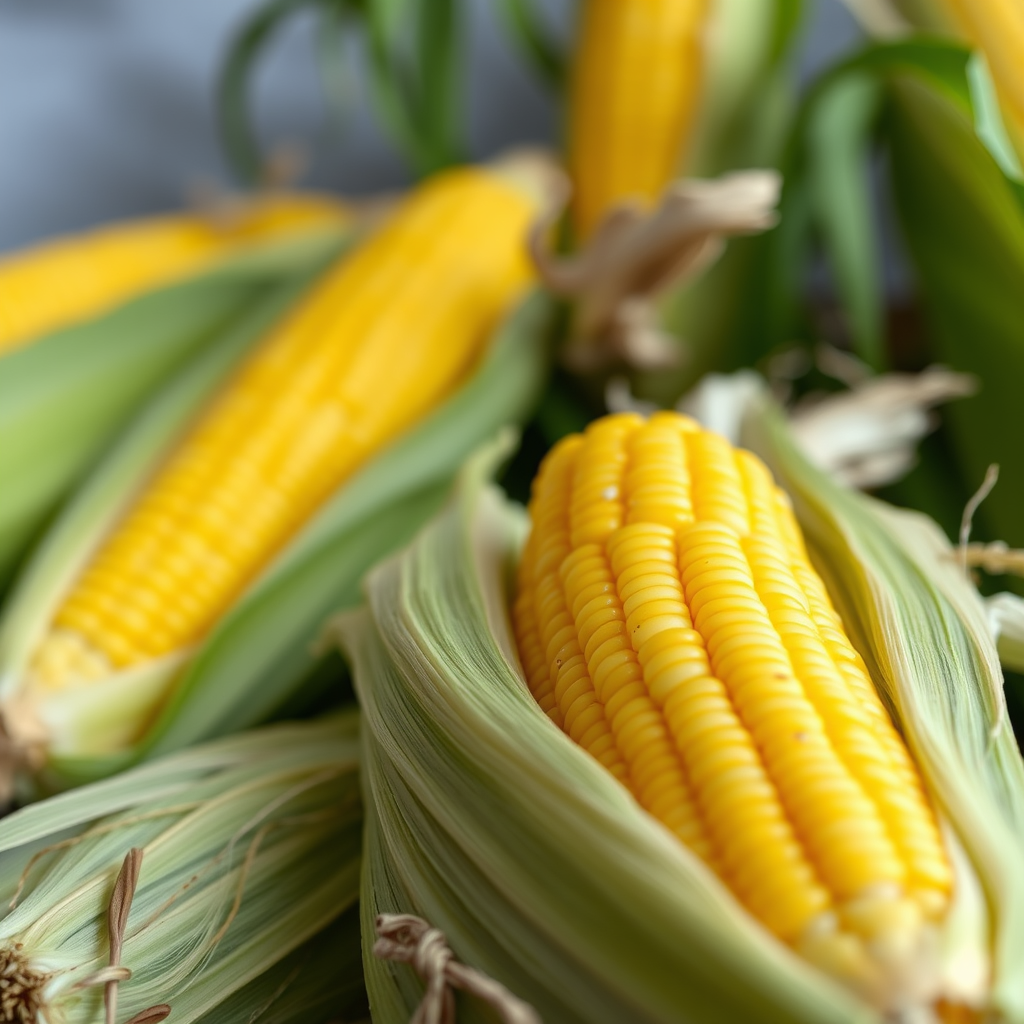
Corn is high in carbohydrates, making it a challenging food choice for those adhering to a ketogenic diet. A typical serving of sweet corn, which is about 1 cup, can contain around 25 grams of carbohydrates. This is significant considering that the standard ketogenic diet typically limits daily carbohydrate intake to about 20-50 grams. The high carb content in corn can quickly lead to exceeding your daily carb limit, thus potentially kicking you out of ketosis—the state where your body burns fat for fuel instead of carbohydrates. Therefore, it becomes crucial to monitor any corn consumption very closely if you are serious about maintaining a state of ketosis.
It is also important to note that even though corn is a vegetable, it behaves more like a grain in terms of its carbohydrate profile. This distinction can be pivotal for individuals trying to maintain a low-carb lifestyle, as it illustrates the necessity of being cautious with seemingly innocuous foods.
Nutritional Benefits of Corn
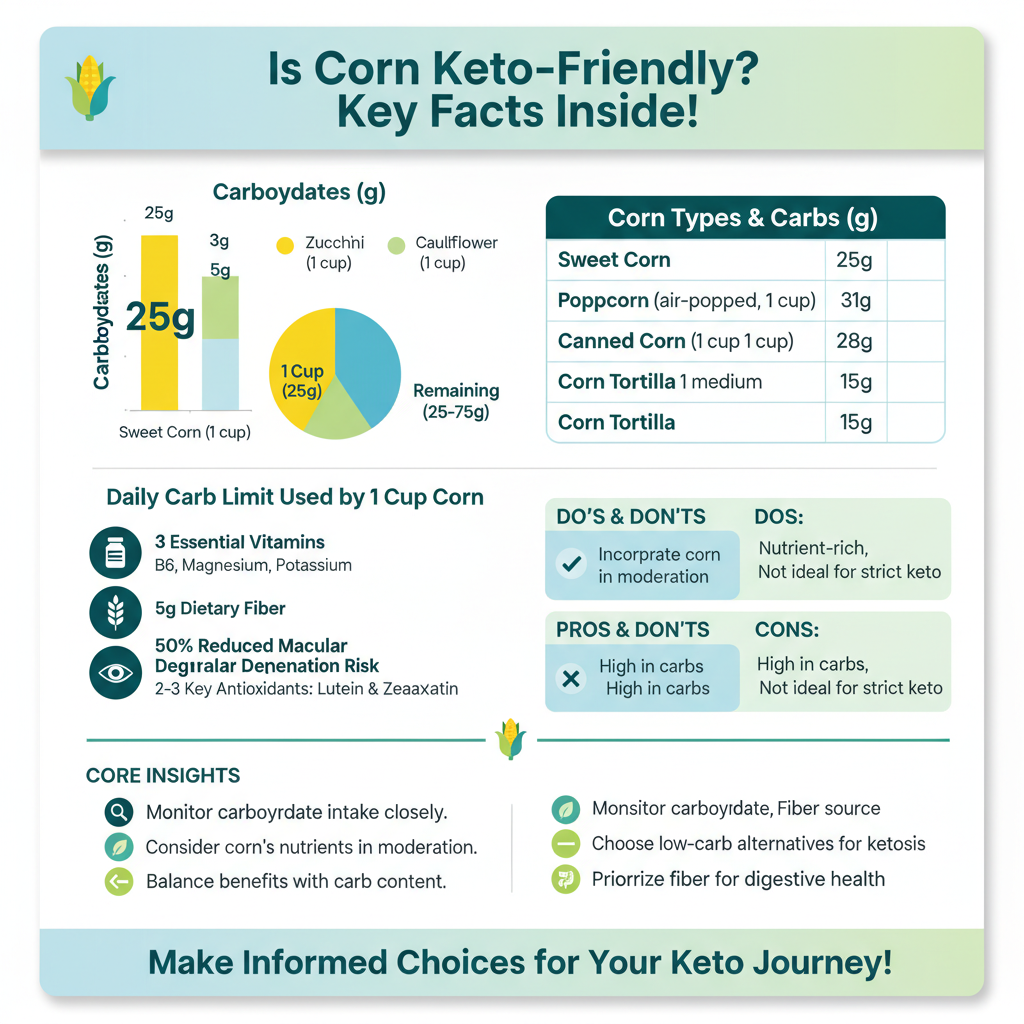
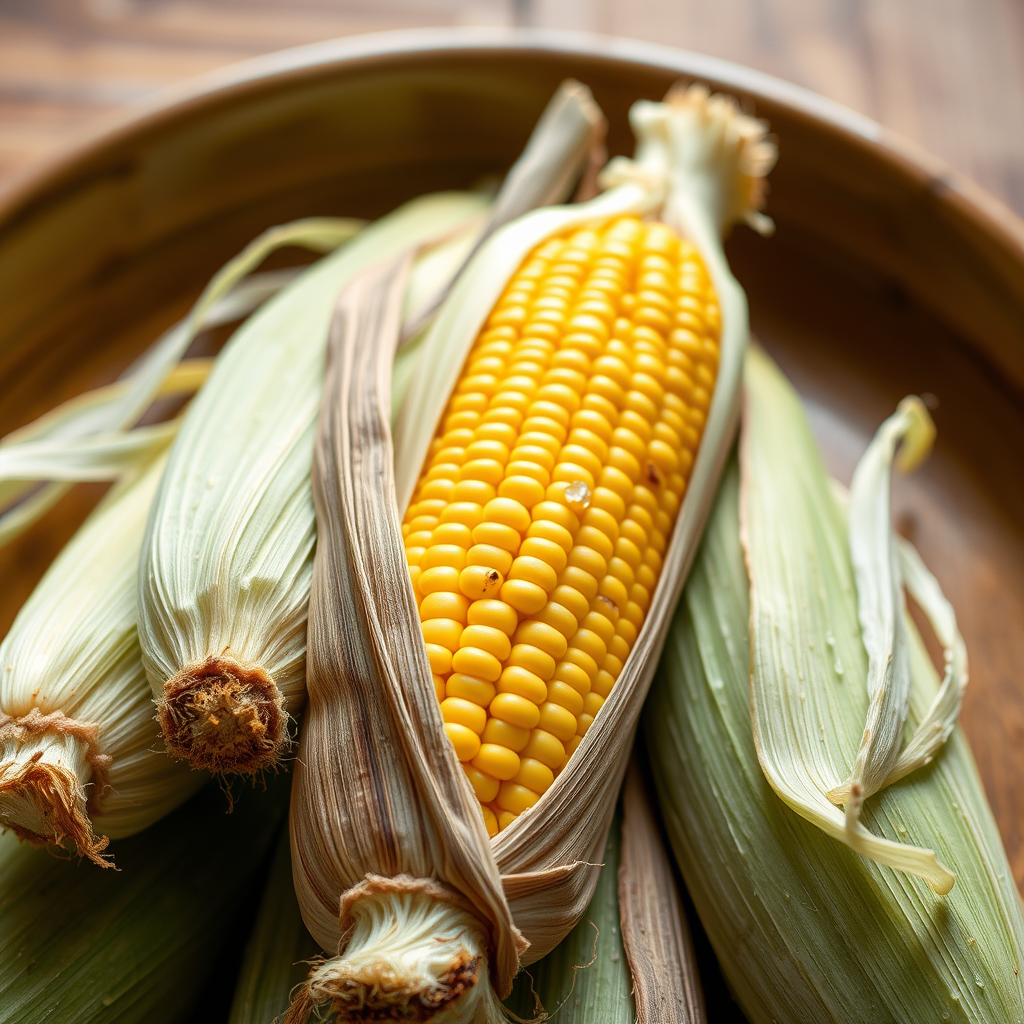
Despite its high carbohydrate content, corn does offer several nutritional benefits that can be advantageous in a balanced diet. It is rich in essential vitamins and minerals, including Vitamin B6, magnesium, and potassium. These nutrients are vital for various bodily functions, ranging from energy production to muscle function and heart health.
Additionally, corn contains dietary fiber, which is beneficial for digestive health. Fiber can help regulate blood sugar levels and can contribute to a feeling of fullness, which can be beneficial for weight management. Furthermore, corn is packed with antioxidants like lutein and zeaxanthin, which have been shown to improve eye health by reducing the risk of age-related macular degeneration and cataracts. Therefore, while corn may not be ideal for a strict ketogenic diet, it does have redeeming nutritional qualities that are worth considering in moderation.
Types of Corn and Their Carbohydrate Counts
When discussing corn, it is crucial to recognize the different types available, each with varying carbohydrate counts.
– Sweet Corn: This is the most commonly consumed type of corn and also the highest in carbohydrates. As mentioned previously, one cup can contain around 25 grams of carbs, making it a poor choice for those on a keto diet.
– Cornmeal: Often used for baking and cooking, cornmeal has a similar carbohydrate profile and can contain approximately 73 grams of carbohydrates per cup. This makes it another option to be avoided in a ketogenic lifestyle.
– Popcorn: A popular snack option, popcorn contains about 6-7 grams of carbohydrates per cup when air-popped, which is relatively lower than sweet corn. However, portion sizes can easily lead to overconsumption, so caution is advised.
Understanding these distinctions can help those following a ketogenic diet make more informed decisions regarding their food choices, ensuring they remain within their carb limits while still enjoying their meals.
Keto-Friendly Alternatives to Corn
If you are looking to replicate the texture or sweet flavor of corn while staying within your carb limits, there are several keto-friendly alternatives available.
– Cauliflower: This versatile vegetable can be used in a variety of dishes to mimic the texture of corn. It can be riced or mashed, and its mild flavor allows it to blend well with other ingredients in casseroles or salads. Cauliflower is very low in carbs, with only about 5 grams of carbohydrates per cup.
– Zucchini: Another excellent substitute, zucchini can be spiralized into noodles or diced into stir-fries. Its light and refreshing taste can add a unique element to your meals, all while keeping carb counts low. Zucchini contains roughly 4 grams of carbohydrates per cup, making it a great choice for those on a keto diet.
These alternatives not only help in reducing carbohydrate intake but also provide a range of nutrients and can enhance the overall quality of your meals.
Tips for Including Corn in a Keto Diet
If you still wish to incorporate corn into your diet, there are strategies to do so without compromising your ketogenic goals.
– Portion Control: If you choose to eat corn, it is essential to limit your serving size. A small portion, perhaps 1-2 tablespoons, can allow you to enjoy the flavor without significantly impacting your carbohydrate intake.
– Pair with Low-Carb Foods: To balance your meal, consider combining corn with high-fat, low-carb ingredients such as avocados, olive oil, or cheese. This will not only enhance the flavor profile but also help in maintaining your macro balance for the day.
– Timing Matters: Some individuals find that consuming small amounts of corn earlier in the day helps them manage their carb intake better. If you plan your meals accordingly, you can enjoy corn without derailing your ketogenic efforts.
Listening to Your Body
Ultimately, one of the most critical aspects of any diet is to listen to your body and monitor your individual response to the foods you consume.
– Monitor Your Response: If you decide to include corn in your diet, pay close attention to how your body reacts in terms of energy levels, cravings, and weight management. Keeping a food diary may help you identify any adverse effects associated with corn consumption.
– Adjust Accordingly: If you notice any negative effects on your ketosis or overall well-being, consider reducing or eliminating corn from your diet. Everyone’s body reacts differently, and what works for one person may not work for another.
In summary, while corn is not the best fit for a strict keto diet due to its high carbohydrate content, it can potentially be included in moderation. If you do choose to eat corn, focus on portion control and combine it with low-carb foods to maintain your nutritional balance. Exploring keto-friendly alternatives can allow you to enjoy similar flavors without compromising your diet, making your journey into the ketogenic lifestyle both enjoyable and sustainable.
Frequently Asked Questions
Can you eat corn on a keto diet?
Corn is generally not considered keto-friendly due to its high carbohydrate content. A standard serving of corn contains around 15-20 grams of carbs, which can quickly exceed the daily carb limit for those on a ketogenic diet. If you’re strictly adhering to keto guidelines, it’s best to avoid corn and opt for lower-carb vegetables like leafy greens or zucchini instead.
What are the alternatives to corn for keto dieters?
There are several low-carb alternatives to corn that fit well within a keto diet. Vegetables like cauliflower, broccoli, and bell peppers are excellent substitutes, providing similar textures and flavors without the high carb count. Additionally, products such as cauliflower rice or zucchini noodles can mimic the consistency of corn-based dishes, making them great choices for maintaining a keto lifestyle.
Why is corn considered high in carbs for a keto diet?
Corn is classified as a starchy vegetable, which contributes to its high carbohydrate content. Unlike non-starchy vegetables that are low in carbs, corn contains sugars and starches that can quickly accumulate and disrupt ketosis, the metabolic state sought in a ketogenic diet. This high carb content is why corn is typically avoided by those looking to maintain or achieve ketosis.
How does eating corn affect ketosis?
Eating corn can significantly impact ketosis by raising your daily carbohydrate intake, which may prevent your body from efficiently burning fat for fuel. Since maintaining a state of ketosis usually requires keeping carbohydrate intake around 20-50 grams per day, consuming corn could push you over this limit, leading to a halt in fat burning and potentially causing weight gain. It’s crucial to monitor your carb intake closely to stay in ketosis.
Which corn products should I avoid on a keto diet?
On a keto diet, it’s best to avoid all corn products that are high in carbohydrates, including corn on the cob, cornmeal, corn tortillas, and popcorn. Even processed products like corn syrup and cornstarch should be eliminated due to their high sugar content. Instead, focus on whole foods and low-carb alternatives to keep your meals satisfying while remaining compliant with your keto goals.
References
- https://www.healthline.com/nutrition/keto-diet-and-corn
- Parkinson’s disease: Early signs, causes, and risk factors
- https://www.ncbi.nlm.nih.gov/pmc/articles/PMC6520840/
- https://www.webmd.com/diet/what-is-the-keto-diet
- https://www.mayoclinic.org/healthy-lifestyle/nutrition-and-healthy-eating/expert-answers/keto-diet/faq-20494012