

Eating cantaloupe on a keto diet is possible, but moderation is key. While this sweet fruit contains beneficial nutrients, it is also relatively high in carbohydrates compared to other keto-friendly options. Understanding how to incorporate cantaloupe into your meal plan can help you enjoy its flavors without disrupting your state of ketosis. In this article, we will explore the carb content of cantaloupe, its nutritional benefits, and how to incorporate it wisely into your keto meal plan.
Understanding Cantaloupe and Its Carbohydrate Content
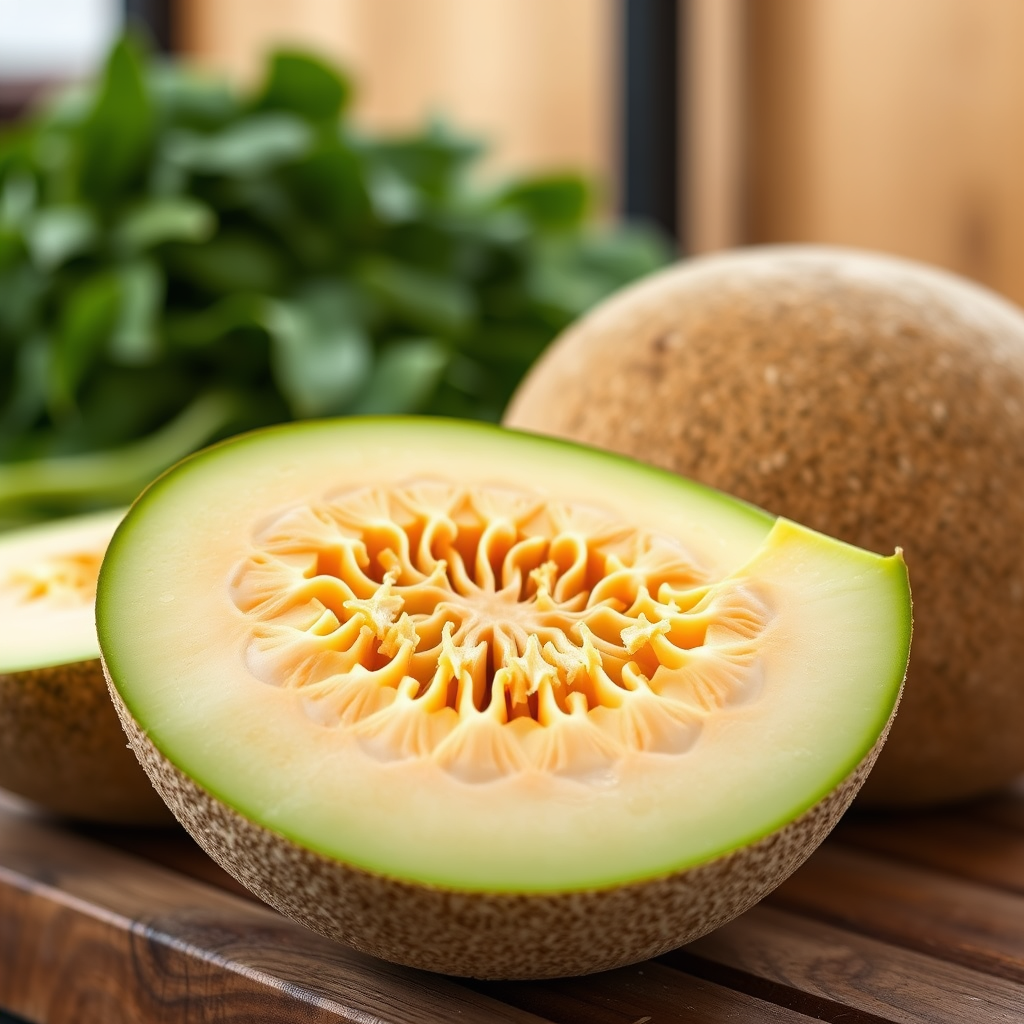
Cantaloupe, often recognized for its juicy sweetness and refreshing taste, contains about 8 grams of carbohydrates per 100 grams. For those adhering to a strict ketogenic diet, where daily carb intake typically ranges from 20 to 50 grams, this can add up quickly. When considering portion sizes, a standard serving of cantaloupe is approximately 150 grams, which would yield around 12 grams of carbohydrates. This amount can significantly impact your daily carb allowance, particularly if you consume other carbohydrate-containing foods.
To maintain ketosis while enjoying cantaloupe, it is crucial to be mindful of the quantity consumed. This means measuring out your servings rather than eating straight from the fruit. Additionally, balancing your intake with other low-carb foods throughout the day can help keep your overall carbohydrate count within acceptable limits.
Nutritional Benefits of Cantaloupe
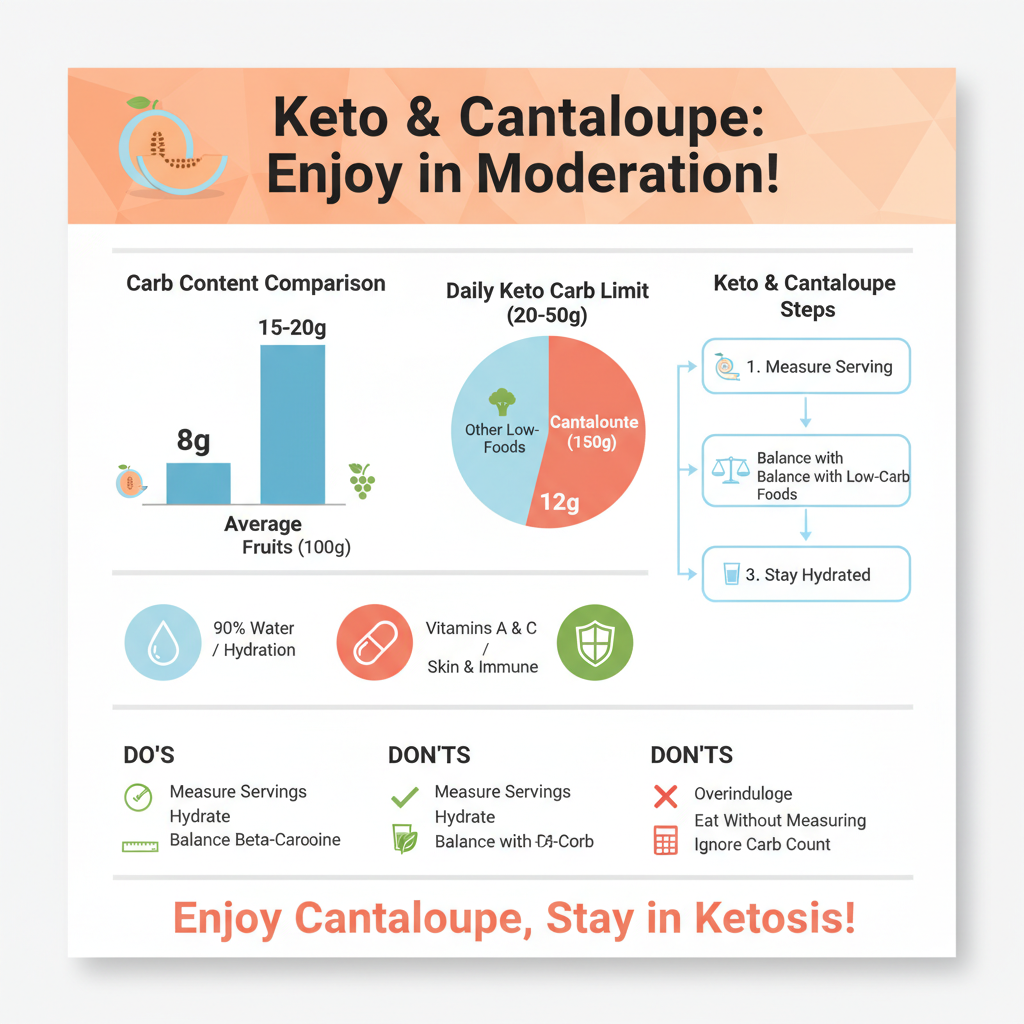

Cantaloupe is not only delicious but also packed with a variety of essential nutrients. It is particularly rich in vitamins A and C, both of which play vital roles in maintaining immune function, skin health, and overall well-being. Vitamin A is crucial for vision and cellular communication, while vitamin C is a powerful antioxidant that helps protect the body from oxidative stress and supports collagen production, which is important for skin elasticity.
In addition to these vitamins, cantaloupe contains a range of antioxidants, including beta-carotene and lycopene. These compounds contribute to reducing inflammation and may lower the risk of chronic diseases such as heart disease and cancer. The high water content of cantaloupe (about 90%) also makes it a hydrating snack, which is particularly beneficial for those on a ketogenic diet, as dehydration can be a concern when carbohydrate intake is significantly lowered.
How to Incorporate Cantaloupe into a Keto Diet
When it comes to incorporating cantaloupe into your keto diet, moderation is essential. A suggested serving size would be limited to a few slices or a small bowl, which can help you manage your carb intake effectively. Pairing cantaloupe with high-fat foods like nuts or cheese can create a balanced snack that not only satisfies your taste buds but also aligns with your dietary goals. For instance, a few slices of cantaloupe served alongside a handful of almonds can provide a satisfying combination of flavors and textures while keeping your carbohydrate content in check.
Another creative way to enjoy cantaloupe is by using it in salads or as a topping for grilled meats. For example, a salad featuring cantaloupe, feta cheese, and arugula can offer a refreshing dish that is both nutritious and visually appealing. Just be sure to adjust the quantities of other ingredients to maintain your overall carb count.
Alternatives to Cantaloupe on Keto
If you find that cantaloupe’s carbohydrate content is too high for your keto lifestyle, there are several lower-carb fruit alternatives to consider. Berries, such as strawberries, raspberries, and blackberries, are excellent options due to their relatively low sugar content and high fiber content. Avocados are another fantastic choice; they are low in carbs and high in healthy fats, making them perfect for a ketogenic diet. Olives also provide healthy fats and can be used in a variety of dishes.
Furthermore, instead of using cantaloupe as a primary ingredient, you might consider using it as a flavor enhancer. Adding small amounts of cantaloupe puree to smoothies or salad dressings can provide a hint of sweetness without significantly impacting your carb count.
Tips for Enjoying Cantaloupe on Keto
To maximize your enjoyment of cantaloupe while staying keto-friendly, consider choosing ripe cantaloupe for the best flavor. Ripe cantaloupe tends to be sweeter, allowing you to enjoy its taste in smaller quantities. Always keep portion sizes in mind—using measuring cups or a food scale can help ensure you don’t exceed your carb limits.
Experimenting with recipes that use cantaloupe sparingly can also keep your diet varied and enjoyable. For example, you could create a refreshing cantaloupe and cucumber salad with a lime dressing, or blend small amounts of cantaloupe into a smoothie with other low-carb ingredients like spinach and unsweetened almond milk. These approaches allow you to savor the fruit’s flavor while adhering to your diet.
In summary, while you can enjoy cantaloupe on a keto diet, it’s essential to watch your portions due to its carb content. Incorporate it wisely alongside other low-carb foods, and explore alternatives to keep your diet varied and enjoyable. For more tips and recipes, consider subscribing to our newsletter or following our blog!
Frequently Asked Questions
Can you eat cantaloupe on a keto diet?
While cantaloupe is relatively low in calories, it is higher in carbohydrates compared to other fruits typically recommended on a keto diet. One cup of cantaloupe contains about 12 grams of carbs, which may take up a significant portion of your daily carb limit on keto. Therefore, it’s best to consume cantaloupe in moderation or consider alternatives that are lower in carbs if you’re aiming to stay strictly within your keto goals.
What is the carbohydrate content of cantaloupe compared to other fruits?
Cantaloupe contains approximately 12 grams of carbohydrates per cup, which is higher than some berries like raspberries and strawberries that have around 7-8 grams per cup. Fruits like avocados and olives, which are often favored on a keto diet, have even lower carbohydrate counts, making them more suitable for maintaining ketosis. If you are looking for fruits on keto, it’s essential to compare the carb content to find the best options.
How can I incorporate cantaloupe into my keto meal plan?
If you decide to include cantaloupe in your keto meal plan, consider using it as a refreshing snack or as part of a salad to add flavor and hydration. Pair small portions of cantaloupe with high-fat foods like cheese or nuts to balance out the carbohydrates and enhance your keto-friendly diet. Remember to track your carb intake to ensure you stay within your daily limits while enjoying this sweet fruit.
Why is it important to track carbohydrate intake when eating cantaloupe on keto?
Tracking carbohydrate intake is crucial on a keto diet because it helps maintain a state of ketosis, where your body burns fat for fuel instead of carbohydrates. Cantaloupe, while nutritious, can contribute a significant amount of carbs if consumed in large quantities, potentially hindering your progress. By monitoring your intake, you can enjoy cantaloupe without exceeding your daily carb goals, ensuring you remain effective in your keto journey.
Which fruits are the best alternatives to cantaloupe for a keto diet?
Some of the best alternatives to cantaloupe that fit well within a keto diet include berries like strawberries, raspberries, and blackberries, which are lower in carbs and high in fiber. Other options include avocados, olives, and rhubarb, all of which provide healthy fats and minimal carbs. These alternatives allow you to satisfy your sweet cravings while keeping your carb intake low and staying aligned with your keto dietary goals.
References
- Cantaloupe
- https://www.healthline.com/nutrition/keto-diet-foods#fruits
- https://www.medicalnewstoday.com/articles/322478
- https://www.ncbi.nlm.nih.gov/pmc/articles/PMC7070699/
- Low-Carb Fruits and Berries – the Best and the Worst – Diet Doctor
- https://www.webmd.com/diet/obesity/ss/slideshow-keto-diet
- https://www.nutrition.gov/topics/whats-food/fruit
- Oral and Maxillofacial Surgery – Overview – Mayo Clinic