

Eating bananas on a keto diet is generally not recommended due to their high carbohydrate content. However, understanding the nuances of the keto diet and the nutritional profile of bananas can help you make informed choices. While bananas are a popular fruit packed with essential nutrients, their carbohydrate load can hinder your efforts to maintain ketosis. In this article, we will explore the carbohydrate content of bananas, alternatives, and how to incorporate them wisely if you choose to do so.
Understanding the Keto Diet
The ketogenic diet is a high-fat, low-carb eating plan designed to induce ketosis, a metabolic state in which the body burns fat for fuel instead of carbohydrates. This diet typically emphasizes high intake of healthy fats (about 70-80% of total caloric intake), moderate protein (around 20-25%), and very low carbohydrates, usually limited to about 20-50 grams per day. The drastic reduction in carbohydrates forces the body to enter a state of ketosis, where it becomes efficient in burning fat for energy, ultimately leading to weight loss and improved metabolic health for many individuals. Understanding these fundamental principles is crucial before adding any food item, including bananas, to your diet.
Carbohydrate Content of Bananas
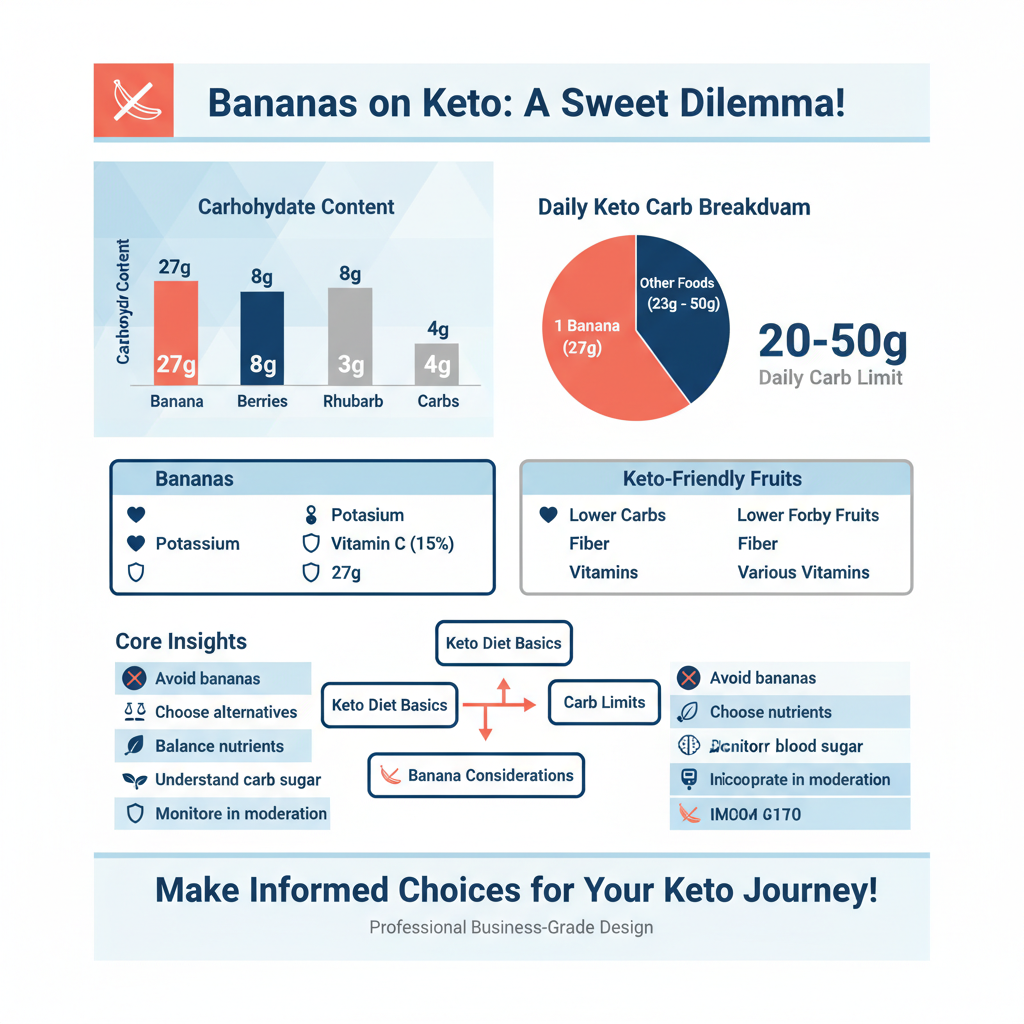
A medium banana contains approximately 27 grams of carbohydrates, making it a significant contributor to your daily carb intake. This is particularly concerning for those on a strict keto diet, where the goal is to keep net carbs (total carbohydrates minus fiber) as low as possible to maintain ketosis. The sugar content in bananas, primarily in the form of glucose and fructose, can spike blood sugar levels, which is counterproductive to achieving and maintaining ketosis. For example, consuming just one banana may take up more than half of your daily carb allowance on a keto plan, making it challenging to incorporate other foods while staying within your limits.
Nutritional Benefits of Bananas
Despite their high carbohydrate content, bananas are rich in essential nutrients such as potassium, vitamin C, and dietary fiber. Potassium is vital for heart health and regulating blood pressure, while vitamin C plays a crucial role in immune function and skin health. Additionally, the dietary fiber found in bananas can aid in digestion and promote a feeling of satiety. However, while these benefits are notable, they may not align with the primary goals of a keto diet, which is focused on low carbohydrate intake to encourage fat metabolism. For those who are not strictly adhering to keto, the nutrient density of bananas may offer health advantages that warrant their inclusion in a balanced diet.
Alternatives to Bananas on Keto
If you are looking for lower-carb fruit options, consider substituting bananas with berries, avocados, or olives. Berries, such as strawberries, blackberries, and raspberries, are lower in carbohydrates and high in antioxidants, making them a nutritious alternative. For instance, a half-cup of raspberries contains only about 7 grams of carbohydrates. Avocados are another excellent choice, providing healthy fats and fiber with just about 2 grams of net carbs per 100 grams. Olives not only deliver healthy monounsaturated fats but also have a very low carbohydrate count, making them ideal for keto. These alternatives can provide similar flavors and textures without surpassing your daily carbohydrate limits.
If You Choose to Eat Bananas
If you decide to include bananas in your diet, moderation is key. It is advisable to limit portion sizes to stay within your daily carb allowance. One practical approach is to choose smaller bananas, which contain fewer carbs—these can be around 20 grams of carbohydrates. Additionally, pairing bananas with high-fat foods, such as nut butter or full-fat yogurt, can help moderate blood sugar spikes. For example, spreading almond butter on banana slices can create a satisfying snack that balances the carbohydrate load with healthy fats and protein, making it a more keto-friendly option. However, be mindful of the overall carbohydrate intake throughout the day.
Tips for a Successful Keto Diet
To successfully navigate a ketogenic lifestyle, focus on whole, unprocessed foods that align with your dietary goals. Incorporate healthy fats from sources like olive oil, avocados, nuts, and seeds while avoiding processed foods that often contain hidden sugars and carbs. Tracking your macronutrients is essential to ensure you’re staying within your carb limits; consider using mobile apps or food diaries to monitor your daily intake effectively. Additionally, planning your meals in advance can help you avoid the temptation to indulge in high-carb foods. Consistency and awareness of your body’s responses to different foods are crucial for long-term success on a ketogenic diet.
In summary, while bananas are delicious and nutritious, their high carbohydrate content makes them less than ideal for a strict keto diet. If you do decide to include them, moderation is key, and it’s essential to balance them with lower-carb choices to maintain ketosis. Understanding the nutritional profile of what you eat can empower you to make informed decisions that align with your health goals. For more keto tips and meal ideas, check out our other articles!
Frequently Asked Questions
Can you eat bananas on a keto diet?
While bananas are nutritious, they are relatively high in carbohydrates, making them a less-than-ideal choice for a strict ketogenic diet. A medium banana contains about 27 grams of carbs, which can significantly exceed the daily carb limit for those on keto, typically set at around 20-50 grams. If you’re following a more flexible version of keto or if you’re in the initial phases of your diet, you might consider having a small portion, but it’s best to prioritize low-carb fruits like berries instead.
What fruits can I eat on a keto diet instead of bananas?
On a ketogenic diet, you can enjoy fruits that are lower in carbohydrates, such as berries (strawberries, blueberries, raspberries, and blackberries), avocados, olives, and tomatoes. These fruits provide essential vitamins and minerals while keeping your carb intake in check. They are also rich in fiber and antioxidants, making them excellent choices for maintaining a healthy diet while on keto.
How does eating a banana affect ketosis?
Eating a banana can hinder your state of ketosis due to its high carbohydrate content. Ketosis is achieved when the body enters a metabolic state of burning fat for fuel instead of carbohydrates; consuming a banana may provide enough carbs to disrupt this balance. If you’re trying to stay in ketosis, it’s crucial to monitor your carb intake closely and choose foods that support this metabolic state.
Why are bananas considered high in carbs?
Bananas are considered high in carbs primarily due to their natural sugar content. A medium banana contains about 14 grams of sugar and 27 grams of total carbohydrates. This carbohydrate load is significantly higher than many other fruits, particularly those that are keto-friendly, which often contain less than 10 grams of carbs per serving. For those on a keto diet, this high carb content can make it difficult to remain within their daily limits.
What is the best way to satisfy a sweet craving on keto without eating bananas?
To satisfy a sweet craving on keto without turning to bananas, consider options like berries with whipped cream, dark chocolate with a high cocoa content, or keto-friendly desserts made with almond flour and natural sweeteners like stevia or erythritol. Additionally, incorporating healthy fats such as nut butter or coconut can provide both satisfaction and energy while keeping your carb intake low. These alternatives not only curb cravings but also align with your ketogenic goals.
References
- https://www.healthline.com/nutrition/can-you-eat-bananas-on-keto
- Castor oil for psoriasis: Benefits, risks, how to use, and more
- Keto Diet Foods: What to Eat and Avoid – Diet Doctor
- https://www.ncbi.nlm.nih.gov/pmc/articles/PMC6520738/
- https://www.webmd.com/diet/obesity/ss/slideshow-keto-diet-safety
- https://www.mayoclinic.org/healthy-lifestyle/nutrition-and-healthy-eating/expert-answers/keto-diet/faq-20457309
- Nutrition.gov
- https://www.reuters.com/article/us-health-keto-diet-idUSKBN1W12D3