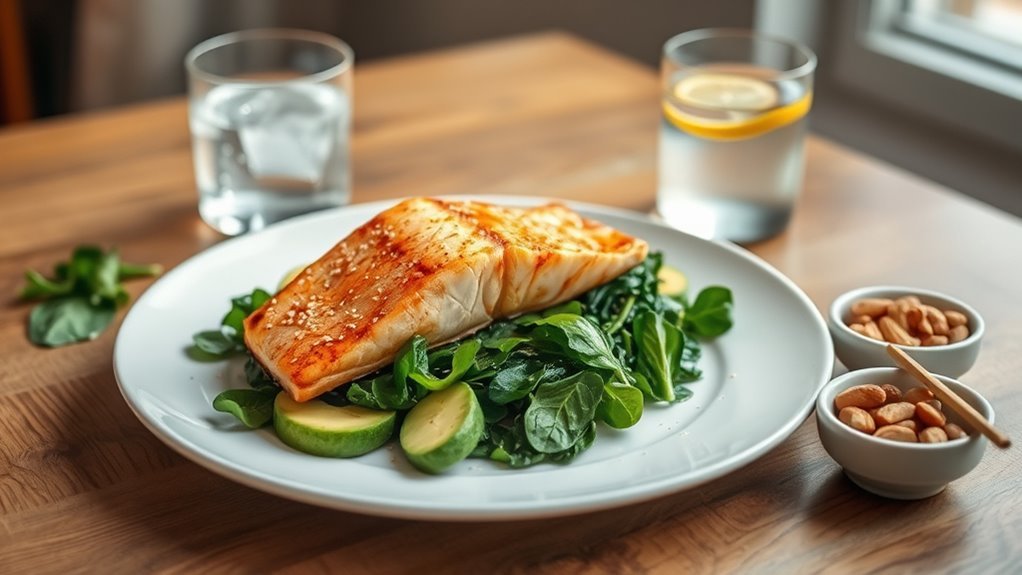

Yes, you can do keto without a gallbladder by making specific dietary adjustments. After gallbladder removal, your body may struggle with fat digestion, so it’s essential to gradually increase fat intake and opt for smaller, frequent meals. Focus on healthy fats like olive and coconut oil, and consider using MCT oil for easier digestion. Monitoring portion sizes and meal timing can also help. There’s much more to explore about optimizing your keto journey post-surgery.
Understanding the Role of the Gallbladder in Digestion
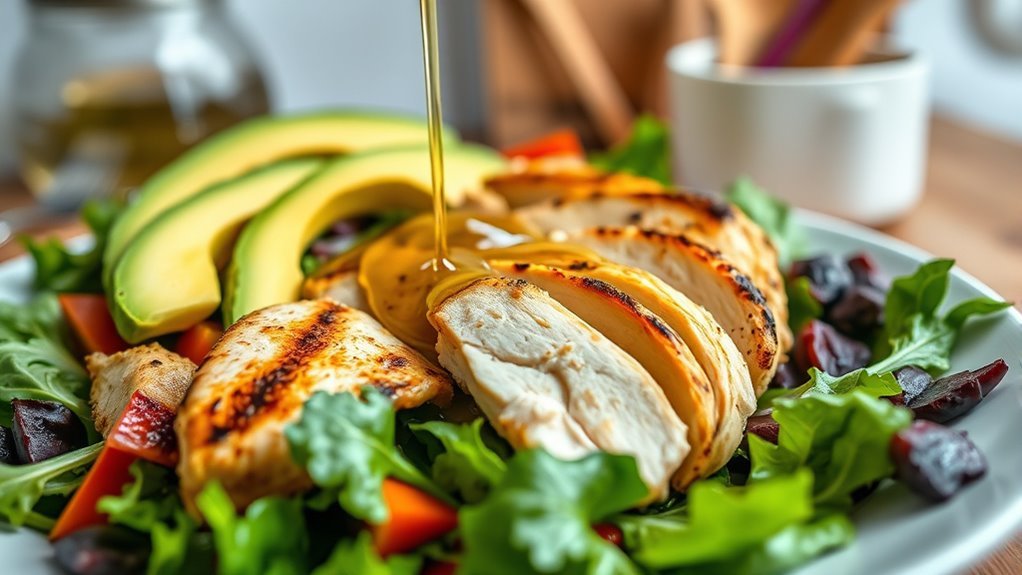
The gallbladder, a small pear-shaped organ nestled beneath the liver, plays an essential role in digestion, particularly in the processing of fats. Its primary function is to store and concentrate bile produced by the liver, releasing it into the small intestine when you eat. This bile helps emulsify fats, making them easier for your body to absorb. If you’re considering a keto diet, understanding gallbladder function is vital, as a high-fat intake requires efficient bile production for peak digestion. The gallbladder’s ability to release bile in response to fatty meals guarantees that your body can break down and utilize those fats effectively. Additionally, individuals without a gallbladder may experience challenges with stabilization of blood sugar levels as their body adapts to a higher fat intake. So, knowing how this organ works can empower you to make informed dietary choices while pursuing your dietary goals.
How Gallbladder Removal Affects Fat Digestion
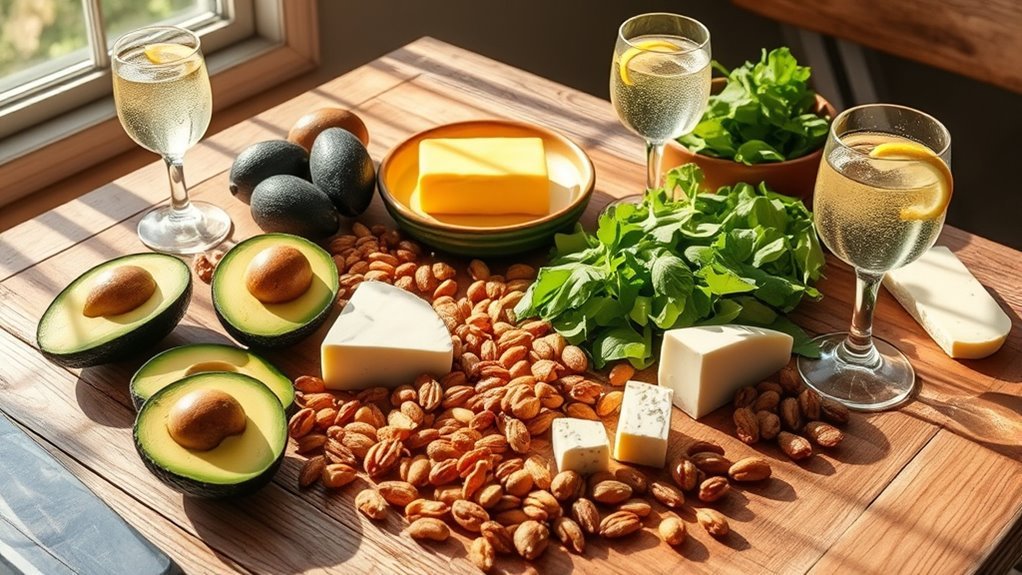
When you have your gallbladder removed, your body faces unique challenges in digesting fats. The gallbladder normally stores bile, which helps emulsify fats for easier absorption. Without it, you may need to adjust your diet and eating habits to guarantee proper fat digestion.
Role of Gallbladder
Gallbladder removal, or cholecystectomy, can considerably impact how your body digests fats. The gallbladder plays an essential role in bile production and storage, which helps emulsify fats for easier digestion. Without it, bile flows directly from the liver into the intestine, which may lead to a less efficient fat breakdown. While your liver still produces bile, the absence of the gallbladder means you won’t have a concentrated reserve available during meals, especially those high in fat. This can affect nutrient absorption and overall digestion. Adapting your diet post-surgery is important; focusing on smaller meals and monitoring fat intake can help your body adjust. Understanding your digestive changes empowers you to maintain a balanced lifestyle even without a gallbladder.
Fat Digestion Challenges
Although many people adapt well after gallbladder removal, you may face specific challenges with fat digestion. Without a gallbladder, your body might struggle to store and release bile, which is essential for breaking down fats. This can lead to issues with fat absorption methods, making it vital to adjust your dietary approach. You might need to incorporate smaller, more frequent meals that are lower in fat to ease digestion. Additionally, consider bile production alternatives, such as over-the-counter bile salts, to help improve fat digestion during a keto diet. Staying aware of how your body responds to different fats will empower you to make informed choices, ensuring you maintain your desired freedom in your eating habits.
The Basics of the Ketogenic Diet
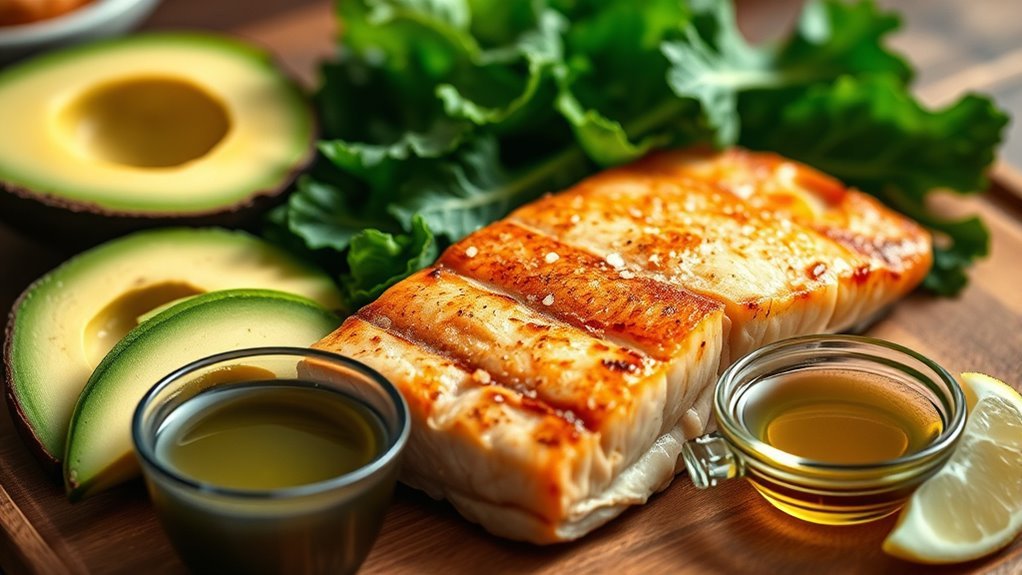
The ketogenic diet, often referred to as keto, revolves around drastically reducing carbohydrate intake while increasing fats, which shifts your body into a state of ketosis. This process allows your body to burn fat for fuel instead of carbs. At its core, the diet adheres to ketogenic principles that emphasize specific macronutrient ratios: typically, about 70-75% of your daily calories come from fats, 20-25% from proteins, and only 5-10% from carbohydrates. This shift not only promotes weight loss but also enhances mental clarity and energy levels. By understanding these ratios and focusing on whole, nutrient-dense foods, you can embrace the freedom that keto offers, fostering a lifestyle that supports your health goals and personal well-being. Additionally, utilizing intermittent fasting can further optimize your results on the keto diet.
Adapting Your Keto Diet Post-Gallbladder Removal
After gallbladder removal, adapting your keto diet is essential for effective digestion and nutrient absorption. You’ll need to contemplate digestive enzyme supplements, adjust your fat intake to find what’s comfortable, and strategize your meal timing to support your body’s new needs. These adjustments can help you maintain a successful ketogenic lifestyle while minimizing discomfort.
Digestive Enzyme Considerations
When you’ve had your gallbladder removed, adjusting your keto diet involves more than just managing carb intake; it also requires careful consideration of digestive enzymes. Without your gallbladder, your body may struggle to break down fats effectively, which can affect your digestive health. Enzyme supplementation can be a helpful strategy to support your digestion and enhance nutrient absorption. Look for supplements that contain lipase, which specifically aids in fat digestion and guarantees that your body can utilize the healthy fats in your keto meals. Be mindful of your body’s responses and consult with a healthcare professional to determine the right dosage and combination for you. Additionally, it’s important to consider how individual responses to diet vary as you adapt your eating habits, ensuring you can enjoy the benefits of a keto diet without discomfort.
Fat Intake Adjustments
Adjusting your fat intake is essential for successfully following a keto diet after gallbladder removal. Since your body can’t store bile anymore, it’s important to focus on fat types and make portion adjustments. Opt for healthy fats like avocados, olive oil, and nuts, as they’re easier to digest. Start with smaller portions of fat during meals, gradually increasing them as your body adapts. This approach helps prevent discomfort and guarantees your digestive system can handle the increased fat intake. Tracking how different fats affect you can also guide you in making smarter choices. Ultimately, finding the right balance will empower you to enjoy the benefits of a keto diet while honoring your body’s new needs post-surgery. Additionally, be mindful of nutritional deficiencies that may arise from restricted food choices on the keto diet to ensure you’re meeting all your dietary needs.
Meal Timing Strategies
To optimize your keto diet after gallbladder removal, meal timing can play an essential role in how well your body adapts. Consider integrating intermittent fasting into your routine. This approach allows your digestive system to rest while still providing the benefits of ketosis. Aim for a meal frequency that suits your lifestyle; you might find three meals a day works best, or perhaps two larger meals with snacks. Pay attention to how your body responds, adjusting as needed. Eating smaller portions can help reduce digestive strain, making it easier for your body to absorb fats. Remember, finding the right balance of meal timing and frequency will empower you on your keto journey post-surgery. Enjoy the freedom of experimentation!
Choosing the Right Fats for Your Keto Meals
While managing a keto diet without a gallbladder, it’s essential to choose the right fats to guarantee your body can effectively digest and utilize them. Focus on healthy oils like olive, avocado, and coconut oil, as these fat sources are nutrient-dense and versatile. Experiment with different cooking methods such as sautéing or baking to enhance flavor profiles while meal prepping. Aim for balanced fat combinations, mixing saturated and unsaturated fats to optimize digestion and absorption. Keep an eye on portion sizes to prevent overwhelming your system. By thoughtfully selecting your fats, you’ll enjoy flavorful, satisfying meals that contribute to your keto lifestyle without feeling restricted. Embrace this freedom, and let your culinary creativity flourish!
Managing Digestive Issues on Keto Without a Gallbladder
Choosing the right fats is just the beginning when managing a keto diet without a gallbladder. You might experience digestive discomfort, but a few dietary adjustments can help ease your journey. Here are some practical tips to contemplate:
- Start Slow: Gradually increase your fat intake to allow your body to adapt.
- Use MCT Oil: Medium-chain triglycerides are easier to digest and can provide a quick energy source.
- Incorporate Digestive Enzymes: These can aid in breaking down fats, minimizing discomfort.
- Stay Hydrated: Drinking plenty of water helps support digestion and overall health. Additionally, focusing on healthy fats can significantly improve your ability to maintain ketosis and overall well-being.
Importance of Portion Control and Meal Timing
Although many people focus on the types of fats consumed in a keto diet, portion control and meal timing play essential roles in ensuring your body adapts effectively, especially without a gallbladder. Understanding portion sizes and practicing mindful eating can enhance your nutrient absorption. By paying attention to hunger cues and satiety signals, you can better establish a digestive rhythm. Additionally, balancing macronutrient intake is crucial to maintain ketosis while following this approach.
| Meal Timing | Portion Sizes | Mindful Eating |
|---|---|---|
| Breakfast: 7-9 AM | Protein: 3-4 oz | Chew slowly |
| Lunch: 12-1 PM | Fat: 1-2 tbsp | Eliminate distractions |
| Snack: 3-4 PM | Veggies: 1 cup | Focus on flavors |
| Dinner: 6-8 PM | Balanced plates | Listen to body |
| Before Bed: 8-9 PM | Limit carbs | Reflect on meal |
Adapting your food timing and portion awareness can lead to a more successful keto experience.
Supplements to Support Fat Digestion
When shifting to a keto diet without a gallbladder, incorporating supplements to support fat digestion can be crucial for maintaining ideal health. These supplements can enhance your digestive health and help your body absorb fat-soluble vitamins effectively. Consider the following options:
- Digestive Enzymes: They aid in breaking down fats, improving absorption.
- Bile Salts: These supplements mimic the bile your gallbladder would produce, helping with fat digestion.
- Probiotics: They promote gut health, which can support overall digestive function.
- Fat-Soluble Vitamins: Confirm you’re getting enough vitamins A, D, E, and K to maintain nutritional balance. Additionally, incorporating collagen supplementation can further support your body’s overall health and skin elasticity on a keto diet.
Success Stories: Thriving on Keto Without a Gallbladder
Many individuals find success on a keto diet even after gallbladder removal, demonstrating that with the right approach, it’s entirely possible to thrive. Success stories reveal that many have navigated their personal journeys by focusing on fat adaptation and mindful eating. You can start by gradually introducing healthy fats, listening to your body, and adjusting your intake based on your digestion. Many report improved energy levels and weight loss, proving that a gallbladder isn’t a barrier to achieving your health goals. Incorporating digestive aids, like bile salts, can also be beneficial. Remember, your journey is unique, and with patience and persistence, you too can embrace a fulfilling keto lifestyle without a gallbladder.
Frequently Asked Questions
Can I Eat Dairy on Keto Without a Gallbladder?
Yes, you can eat dairy on keto without a gallbladder, but it’s important to take into account your lactose tolerance. If you’re sensitive, opting for dairy alternatives like almond milk or coconut yogurt can be a great choice. Full-fat cheeses and butter often fit well into a keto diet and are low in lactose. Just pay attention to how your body reacts, and adjust your dairy intake accordingly for ideal health and comfort.
How Long Does It Take to Adjust to Keto Post-Surgery?
It typically takes about 2 to 4 weeks to adjust to a keto diet post-surgery. During this keto adaptation timeline, your body gradually shifts from using carbohydrates to fats for energy. Focus on a post-surgery diet rich in healthy fats, while monitoring your body’s response. Some might experience digestive changes, so listen to your body and make adjustments as needed. With patience, you’ll find the freedom to thrive on your keto journey.
Are There Specific Keto Snacks I Should Avoid?
When choosing keto snacks, have you considered which ones might upset your stomach? Avoid high-fat, greasy snacks like pork rinds or cheese crisps if you’re looking for gallbladder-friendly options. Instead, opt for keto snack alternatives like nuts, seeds, or veggie sticks with guacamole. These provide healthy fats without overwhelming your digestive system. Always listen to your body and adjust your choices to guarantee you feel great while enjoying your keto journey.
Can I Drink Alcohol While on Keto Without a Gallbladder?
Yes, you can drink alcohol while on keto, even without a gallbladder. However, it’s essential to choose your keto alcohol wisely. Opt for low-carb options like dry wines or spirits mixed with sugar-free mixers. Keep in mind that without a gallbladder, your body may have a harder time digesting fats, so avoid high-fat cocktails. Moderation is key; you don’t want to disrupt your keto progress or face unpleasant gallbladder effects.
What Are Potential Side Effects of Keto After Gallbladder Removal?
After gallbladder removal, you might experience digestive issues on a keto diet due to altered fat absorption. Without your gallbladder, bile isn’t released as effectively, which can lead to symptoms like diarrhea, bloating, or cramping when consuming high-fat foods. To ease these effects, consider starting with smaller amounts of healthy fats and incorporating digestive aids. Staying mindful of your body’s reactions will help you enjoy the freedom of a low-carb lifestyle.
Frequently Asked Questions
1. Can you follow a keto diet without a gallbladder?
Yes, you can follow a keto diet without a gallbladder. While the gallbladder helps store bile, which is essential for fat digestion, your liver continues to produce bile that can flow directly into the intestine. However, individuals without a gallbladder may need to pay closer attention to fat intake and consider gradually increasing fat consumption to allow the body to adjust.
2. What should I consider when starting keto after gallbladder removal?
When starting a keto diet after gallbladder removal, consider the following:
- Start Slowly: Introduce dietary fats gradually to avoid digestive discomfort.
- Focus on Healthy Fats: Opt for medium-chain triglycerides (MCTs), avocados, nuts, and seeds that are easier to digest.
- Monitor Symptoms: Keep track of any digestive issues, such as bloating or diarrhea, and adjust your fat intake accordingly.
- Stay Hydrated: Ensure adequate water intake to support digestive health.
3. Will I experience digestive issues on keto without a gallbladder?
Some individuals may experience digestive issues when starting a keto diet post-gallbladder removal. Common issues include gas, bloating, and diarrhea, especially if high-fat foods are introduced too quickly. To mitigate these issues, it’s advisable to gradually increase fat consumption and incorporate digestive aids, such as probiotics or digestive enzymes, if necessary.
4. Are there specific foods I should avoid on keto without a gallbladder?
While following a keto diet without a gallbladder, it may be beneficial to avoid extremely high-fat foods that are hard to digest, such as fried foods and heavy cream. Instead, focus on moderate amounts of healthy fats and include foods that are easier to digest, like olive oil, coconut oil, and lean proteins. Pay attention to how your body reacts to specific foods and make adjustments as needed.
5. Can a low-fat diet be a better alternative for someone without a gallbladder?
For some individuals without a gallbladder, a low-fat diet may be easier to manage and could help avoid digestive discomfort. However, it’s essential to ensure you’re still getting adequate nutrients, including healthy fats, for overall health. Consulting with a healthcare professional or a registered dietitian can help tailor your diet to fit your specific needs and health goals.
References
- https://www.ncbi.nlm.nih.gov/pmc/articles/PMC6832528/
- https://www.health.harvard.edu/staying-healthy/the-ketogenic-diet
- https://www.mayoclinic.org/healthy-lifestyle/nutrition-and-healthy-eating/expert-answers/keto-diet/faq-20455366
- https://www.gastro.org/practice-tools/patient-education-particles/gallbladder
- https://www.ncbi.nlm.nih.gov/books/NBK499877/
- https://www.webmd.com/diet/ss/slideshow-keto-diet-overview
- https://www.healthline.com/nutrition/keto-diet-and-gallbladder-removal
- https://www.verywellhealth.com/what-to-eat-after-gallbladder-surgery-5112110