

Cheating on a keto diet is possible, but it can significantly affect your progress and overall results. While occasional indulgences may be manageable, they can disrupt the delicate state of ketosis that the ketogenic diet aims to maintain. In this article, you’ll learn how cheating can impact your ketosis, potential strategies for incorporating cheats, and tips to minimize the effects on your keto journey.
Understanding the Keto Diet

The ketogenic diet focuses on low-carb, high-fat intake to induce ketosis, a metabolic state where the body burns fat for energy instead of carbohydrates. By drastically reducing carbohydrate intake—typically to less than 50 grams per day—and increasing fat consumption, the body shifts its energy source from glucose to fat. This metabolic adaptation leads to various health benefits, including weight loss, improved energy levels, and enhanced mental clarity. However, maintaining this state requires discipline and careful meal planning, as even small deviations can disrupt the process.
What Does Cheating Mean on Keto?
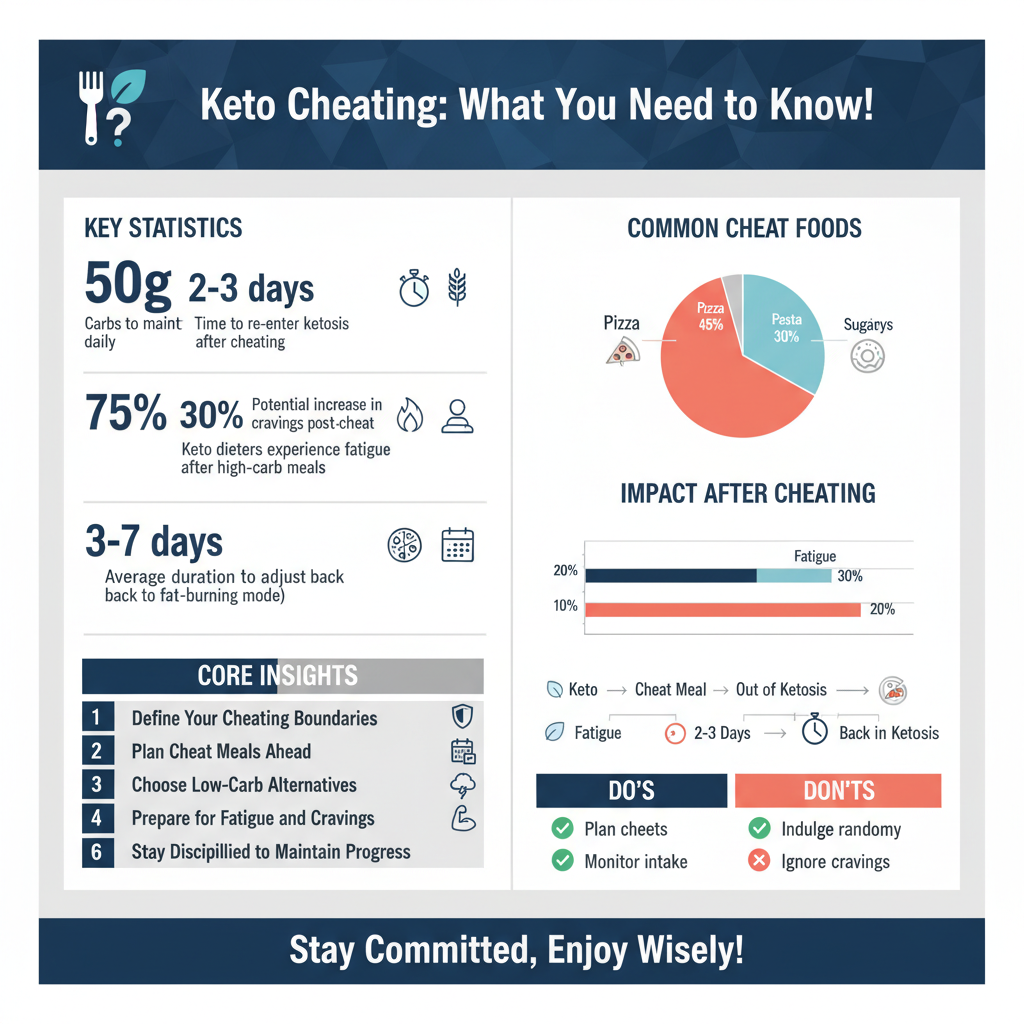
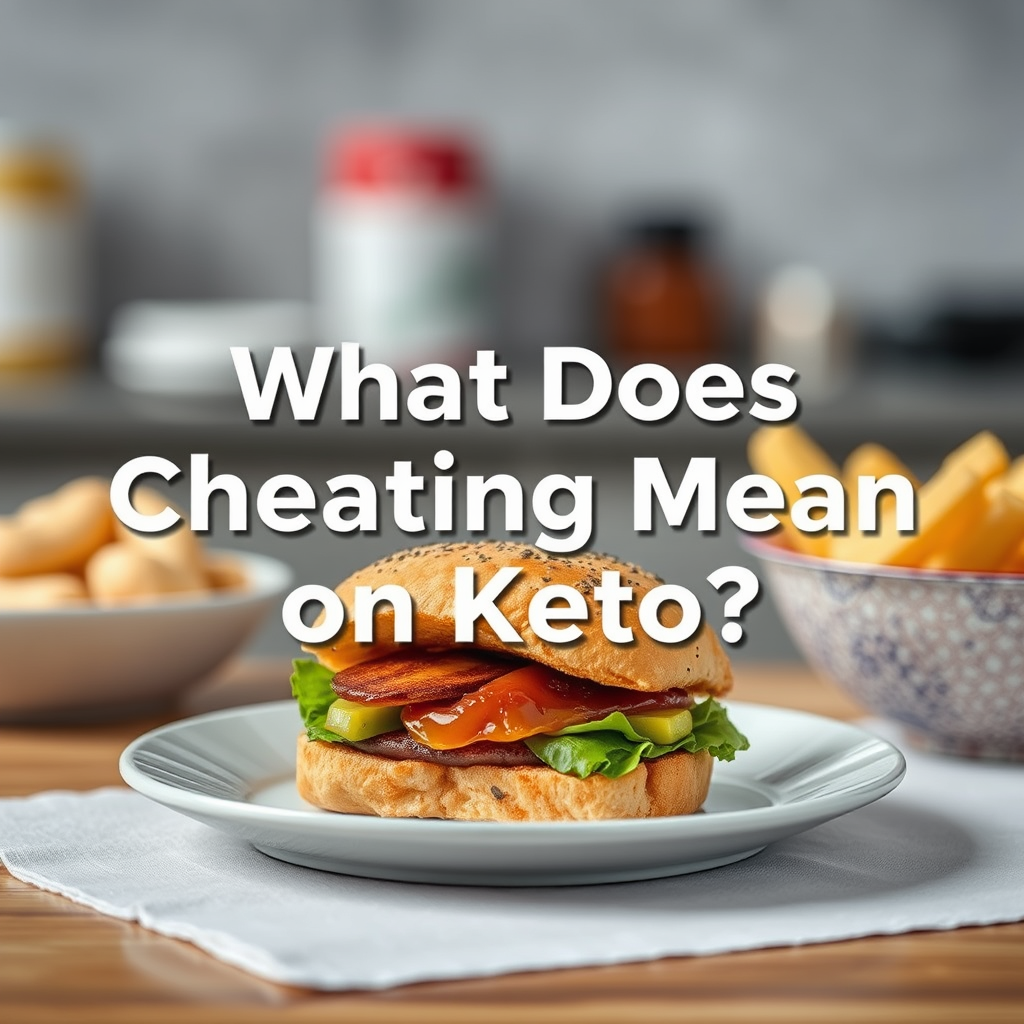
Cheating typically involves consuming high-carb foods that can disrupt ketosis, such as bread, pasta, or sugary snacks. The term “cheating” can mean different things to different individuals, as each person’s keto journey is unique. For some, it may be a single slice of pizza, while for others, it could be a weekend of indulgent eating. It’s essential to define what “cheating” means for your personal goals and diet plan. Understanding your boundaries and being mindful of your choices can help you navigate social situations and cravings while adhering to your dietary objectives.
Effects of Cheating on Ketosis
Eating high-carb foods can quickly kick you out of ketosis, often within just a few hours. When your carbohydrate intake exceeds your body’s glycogen storage capacity, insulin levels rise, signaling the body to store energy rather than burn fat. As a result, you may experience symptoms like fatigue, cravings, and irritability as your body readjusts to burning fat for fuel. This transition can be uncomfortable and may take several days to weeks to re-enter ketosis, depending on the extent of the cheat. Additionally, for those monitoring their ketone levels, a cheat can result in a significant drop, making it crucial to be aware of the potential impacts on your progress.
Strategies for Cheating Wisely
To minimize the adverse effects of cheating, consider implementing planned cheat meals instead of random indulgences. By scheduling your cheats, you can mentally prepare for them and ensure they don’t derail your overall diet. Opt for low-carb alternatives to your favorite cheat foods when possible; for instance, consider cauliflower crust pizza or almond flour-based desserts. This approach allows you to satisfy cravings without significantly disrupting ketosis. Furthermore, practicing moderation is key—allow yourself a small portion of a higher-carb treat rather than an entire meal, which can help mitigate the impact on your dietary goals.
Minimizing the Impact of Cheating
If you do indulge in a cheat meal, there are several strategies to help you regain your footing quickly. First, stay active and increase physical activity following a cheat meal; engaging in exercise can help deplete glycogen stores more rapidly and encourage the body to return to fat burning. Additionally, hydrating well is crucial; drinking plenty of water can help flush out excess carbohydrates and support your metabolic processes. Some individuals find that incorporating a brief fasting period after a cheat can enhance the body’s return to ketosis, allowing it to shift back to utilizing fat for energy more efficiently.
Tips for Staying on Track After Cheating
After a cheat, it’s essential to reflect on your reasons for indulging. Understanding the emotional or situational triggers that led to the cheat can reinforce your commitment and help you navigate similar situations in the future. Reassess your meal planning and adjust as necessary to avoid future cheats; perhaps consider meal prepping or creating a more structured eating schedule that keeps you focused on your goals. Engaging with a supportive community, whether online or in-person, can also provide motivation and accountability, making it easier to stay on track after setbacks.
Maintaining a keto diet while managing occasional cheats is a balancing act that many can navigate successfully. By understanding the implications of cheating and implementing strategies to minimize its effects, you can continue your keto journey effectively. Take the time to plan your meals and stay committed to your health goals for long-term success. Embrace the flexibility of the keto lifestyle while remaining mindful of its demands, and you can achieve both satisfaction and progress on your health journey.
Frequently Asked Questions
Can you cheat on keto and still lose weight?
Yes, you can cheat on keto and still lose weight, but it depends on how significant your cheat is and how it affects your overall calorie intake. A small indulgence may temporarily kick you out of ketosis, but if you return to strict keto afterward, you can continue to lose weight. However, frequent or large cheats can lead to weight stalls and undermine your progress by increasing cravings and making it harder to get back into ketosis.
What are the consequences of cheating on a keto diet?
Cheating on a keto diet can have several consequences, including temporarily knocking you out of ketosis, which can lead to a return of carbohydrate cravings and even increased hunger. This can make it difficult to stick to your low-carb lifestyle and may cause a setback in your weight loss journey. Additionally, consuming high-carb foods can lead to bloating, digestive discomfort, and fluctuating blood sugar levels.
How can I manage cravings while on keto to avoid cheating?
To manage cravings on a keto diet and minimize the urge to cheat, focus on eating enough healthy fats and protein to stay satiated. Incorporating keto-friendly snacks like nuts, cheese, or low-carb vegetables can help curb hunger between meals. Additionally, staying hydrated and ensuring you get enough electrolytes can reduce cravings. Mindful eating practices and finding healthy alternatives to your favorite high-carb foods can also help you stick to your keto plan.
What is the best way to recover after a cheat day on keto?
The best way to recover after a cheat day on keto is to return to your regular low-carb eating habits immediately. Drink plenty of water to help flush out excess carbohydrates and replenish electrolytes, as you may experience dehydration and imbalances. Consider incorporating a low-impact workout to kickstart your metabolism and help transition back into ketosis. Many people also find that intermittent fasting for a day or two can help accelerate their return to ketosis.
Which foods are typically considered “cheat foods” on a keto diet?
Cheat foods on a keto diet typically include high-carb items like bread, pasta, rice, sugary snacks, and starchy vegetables. Desserts made with sugar or flour, as well as sweetened beverages, are also common cheat choices. It’s essential to be mindful of how these foods can impact your body by causing a spike in insulin levels, which can disrupt ketosis and lead to unwanted cravings. If you do indulge, consider healthier alternatives that fit better within your keto lifestyle.