

The keto diet can potentially increase the risk of kidney stones for some individuals, primarily due to its high-fat and low-carb nature that alters the body’s metabolism. As the body shifts into ketosis, changes in urine composition and hydration levels can contribute to stone formation. This article will explore how the keto diet may contribute to kidney stone development and provide actionable strategies to minimize this risk.
Understanding Kidney Stones

Kidney stones are hard mineral deposits that form in the kidneys, often resulting from a combination of factors such as dietary habits, hydration levels, and metabolic changes. These stones can vary in size and composition, with some being small enough to pass unnoticed while others may cause intense pain and discomfort during their passage through the urinary tract. Symptoms of kidney stones include severe pain in the back or side, blood in the urine, and frequent urination. In some cases, medical intervention may be required to remove stones that do not pass naturally, making it essential to understand the risk factors associated with their formation.
How the Keto Diet Works
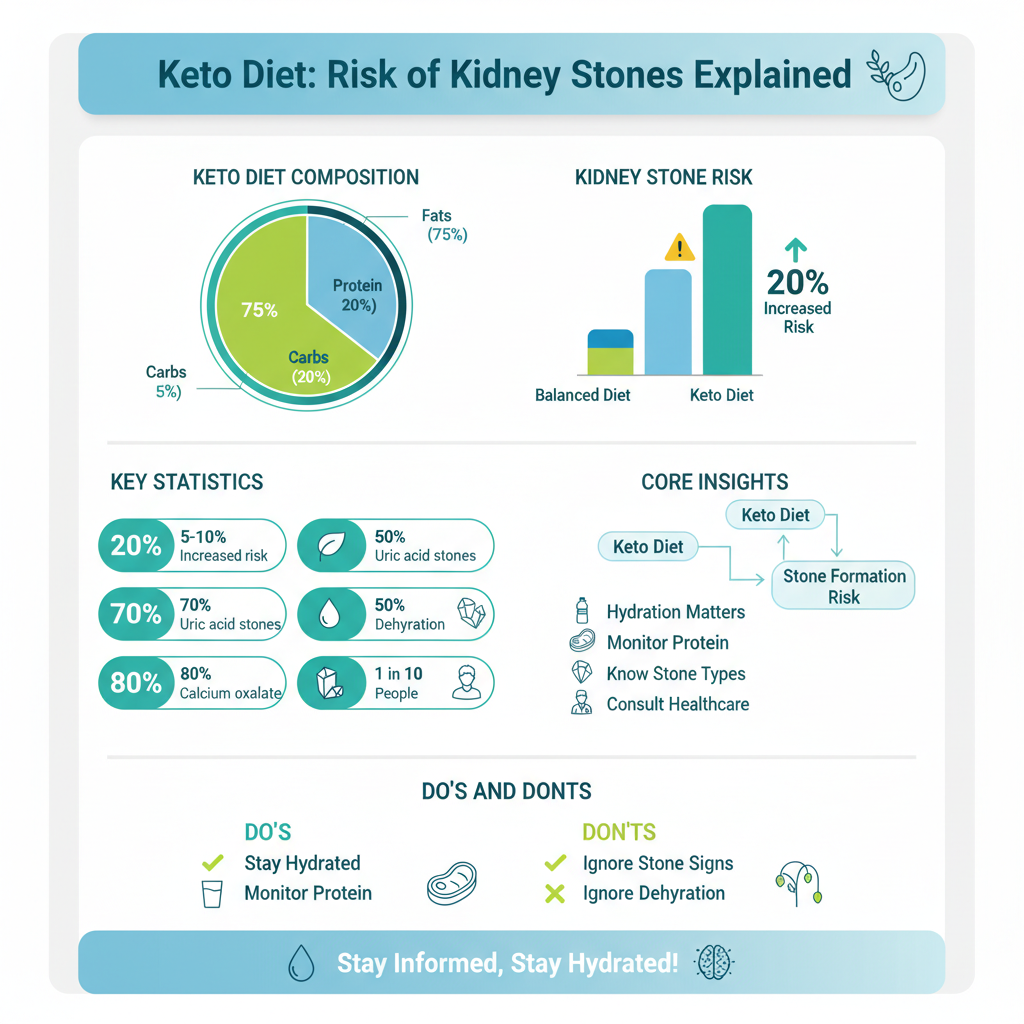
The ketogenic diet emphasizes a high intake of fats, moderate protein, and very low carbohydrates, typically around 5-10% of total caloric intake. This significant reduction in carbohydrates shifts the body’s metabolism from relying on glucose for energy to utilizing ketones, which are produced from fat. While this metabolic shift can lead to rapid weight loss and improved blood sugar control for some, it can also alter the composition of urine. Specifically, the increased production of ketones can raise the acidity of urine, which may contribute to stone formation, particularly if hydration is not adequately maintained.
Connection Between Keto and Kidney Stones
Research indicates a notable connection between high-protein diets, such as keto, and the increased risk of kidney stones. A diet rich in animal protein can elevate uric acid levels in the urine, which is a known risk factor for developing uric acid stones. Furthermore, the restrictive nature of the keto diet may lead to lower overall fluid intake, increasing the likelihood of dehydration. When urine becomes concentrated, it creates an environment conducive to the formation of kidney stones, particularly calcium oxalate stones, which are the most common type.
Types of Kidney Stones Commonly Associated with Diet
When discussing dietary influences on kidney stones, it’s essential to recognize the primary types associated with nutrition. Calcium oxalate stones are formed when calcium binds with oxalate, a compound found in many foods, including spinach, nuts, and tea. Individuals on the keto diet may inadvertently consume high levels of oxalate-rich foods while restricting carbohydrates. Uric acid stones are another type linked to high protein consumption, particularly from animal sources, as increased protein intake can lead to elevated levels of uric acid in the urine. Understanding these stone types can help individuals make informed dietary choices while on the keto diet.
Preventive Measures While on Keto
To minimize the risk of kidney stones while adhering to a keto diet, it is crucial to implement several preventive measures. First and foremost, ensuring adequate hydration is vital. Drinking sufficient water helps dilute urine and minimizes the concentration of stone-forming substances. Aim for at least 2-3 liters of water daily, adjusting based on activity level and climate. Additionally, incorporating foods low in oxalates, such as leafy greens, cucumbers, and avocados, can help manage oxalate levels. Monitoring protein intake is also essential; aim for moderate protein consumption and consider plant-based protein sources, which may have a lower impact on uric acid levels.
When to Seek Medical Advice
Recognizing the symptoms of kidney stones is critical for timely intervention. Severe pain in the lower back or side, blood in the urine, and an increased frequency of urination are all warning signs that should not be ignored. If you have a history of kidney stones or experience any concerning symptoms, it is advisable to consult a healthcare provider. They can perform necessary diagnostic tests, such as ultrasound or CT scans, and provide personalized recommendations to prevent further stone formation.
Adjusting Your Keto Diet for Kidney Health
Adapting your keto diet to promote kidney health doesn’t mean abandoning the principles of the diet altogether. Consider a modified approach that incorporates more plant-based fats and fiber, such as avocados, nuts, and seeds while limiting high-oxalate foods. Incorporating foods rich in potassium, magnesium, and calcium can also be beneficial, as these nutrients play a role in preventing stone formation. Regular health check-ups allow for monitoring kidney function and urine composition, ensuring any potential issues are addressed promptly.
Maintaining a keto diet can come with certain risks, including the potential for kidney stones, especially if hydration and nutrient balance are neglected. To mitigate these risks, stay informed about your diet and health, ensuring adequate hydration, monitoring your food intake, and making adjustments as necessary. If you have concerns or experience symptoms, consult with a healthcare professional for personalized advice. By taking proactive steps, you can enjoy the benefits of the keto diet while protecting your kidney health.
Frequently Asked Questions
Can the keto diet increase the risk of developing kidney stones?
Yes, the keto diet can potentially increase the risk of kidney stones for some individuals. This is primarily due to the high intake of dietary fat and low carbohydrate consumption, which can lead to higher levels of oxalate in the urine. When oxalate combines with calcium, it forms calcium oxalate stones, the most common type of kidney stones. Staying hydrated and ensuring a balanced intake of electrolytes can help mitigate this risk.
What are the symptoms of kidney stones associated with the keto diet?
Symptoms of kidney stones may include severe pain in the lower back or side, pain during urination, cloudy or foul-smelling urine, and sometimes nausea and vomiting. If you’re following the keto diet and experience these symptoms, it’s crucial to consult a healthcare provider to evaluate the possibility of kidney stones and to receive appropriate care.
How can I reduce my risk of kidney stones while on the keto diet?
To reduce the risk of kidney stones while following the keto diet, it’s essential to stay well-hydrated by drinking plenty of water throughout the day. Additionally, incorporating foods low in oxalate, such as certain vegetables and dairy products, can help. Monitoring your protein intake and maintaining a balanced electrolyte level can also contribute to lowering the risk of stone formation.
Why do some people on the keto diet develop kidney stones while others do not?
The development of kidney stones on the keto diet can vary from person to person due to several factors, including genetics, hydration levels, and individual dietary habits. Some individuals may have a predisposition to stone formation due to their metabolic processes or family history. Therefore, personalizing the diet and consulting with a healthcare professional can help tailor it to minimize risks.
Which foods should I avoid on the keto diet to prevent kidney stones?
To prevent kidney stones while on the keto diet, it’s advisable to limit foods high in oxalate, such as spinach, beets, nuts, and chocolate. Additionally, reducing the intake of animal proteins and maintaining a balanced diet with adequate hydration can help. Opting for low-oxalate vegetables and ensuring sufficient calcium intake through dairy or fortified alternatives can also support kidney health.
References
- https://www.ncbi.nlm.nih.gov/pmc/articles/PMC5922691/
- https://www.healthline.com/nutrition/keto-diet-kidney-stones
- https://www.verywellhealth.com/keto-diet-kidney-stones-5195960
- Kidney Stones | National Kidney Foundation
- https://www.sciencedirect.com/science/article/pii/S2211124717300410
- https://www.webmd.com/diet/what-is-the-keto-diet#1