

Corn is generally not considered keto-friendly due to its high carbohydrate content, which can disrupt ketosis. For those following a strict ketogenic diet, the carbohydrate count in corn is a significant concern; however, understanding the nuances of corn and its alternatives can help you make informed dietary choices. In this article, we’ll explore the carbohydrate content of corn, its nutritional profile, and possible alternatives for those on a keto diet.
The Carbohydrate Content of Corn
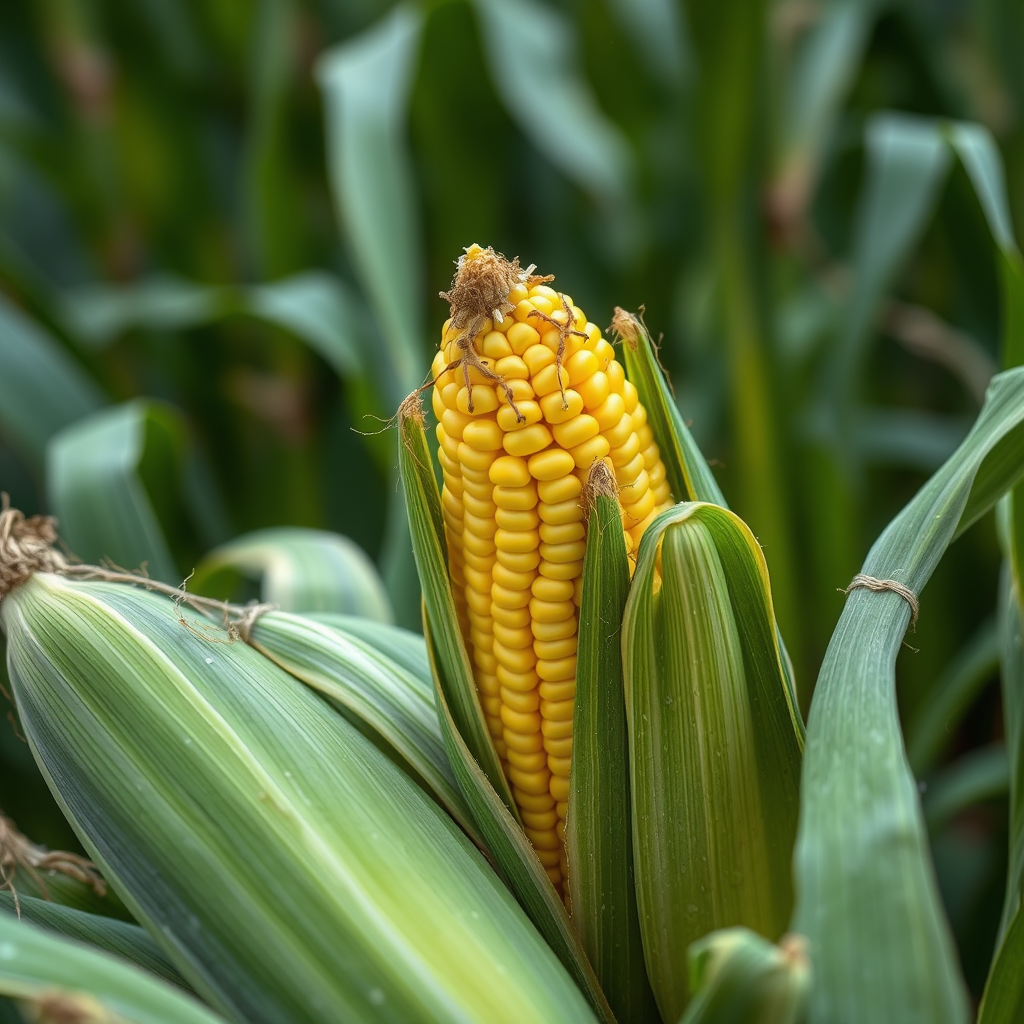
A standard serving of corn, which is typically around 1 cup, contains approximately 24 grams of carbohydrates. This high carb count can significantly impact your daily carb limit on a keto diet, which usually caps at 20-50 grams of net carbs per day, depending on individual goals and metabolic responses. Considering that just one serving of corn can account for nearly half of your daily intake, it becomes clear why many keto enthusiasts avoid it altogether.
Moreover, corn is often consumed in various forms, such as corn on the cob, corn kernels, and processed products like tortillas and popcorn, each bringing its own carbohydrate load. For example, popcorn, which some may consider a lighter snack option, can still contain around 6 grams of carbs per cup when air-popped. These figures underscore the necessity of being vigilant about portion sizes and frequency of consumption if one is tempted to include corn in their diet.
Nutritional Profile of Corn
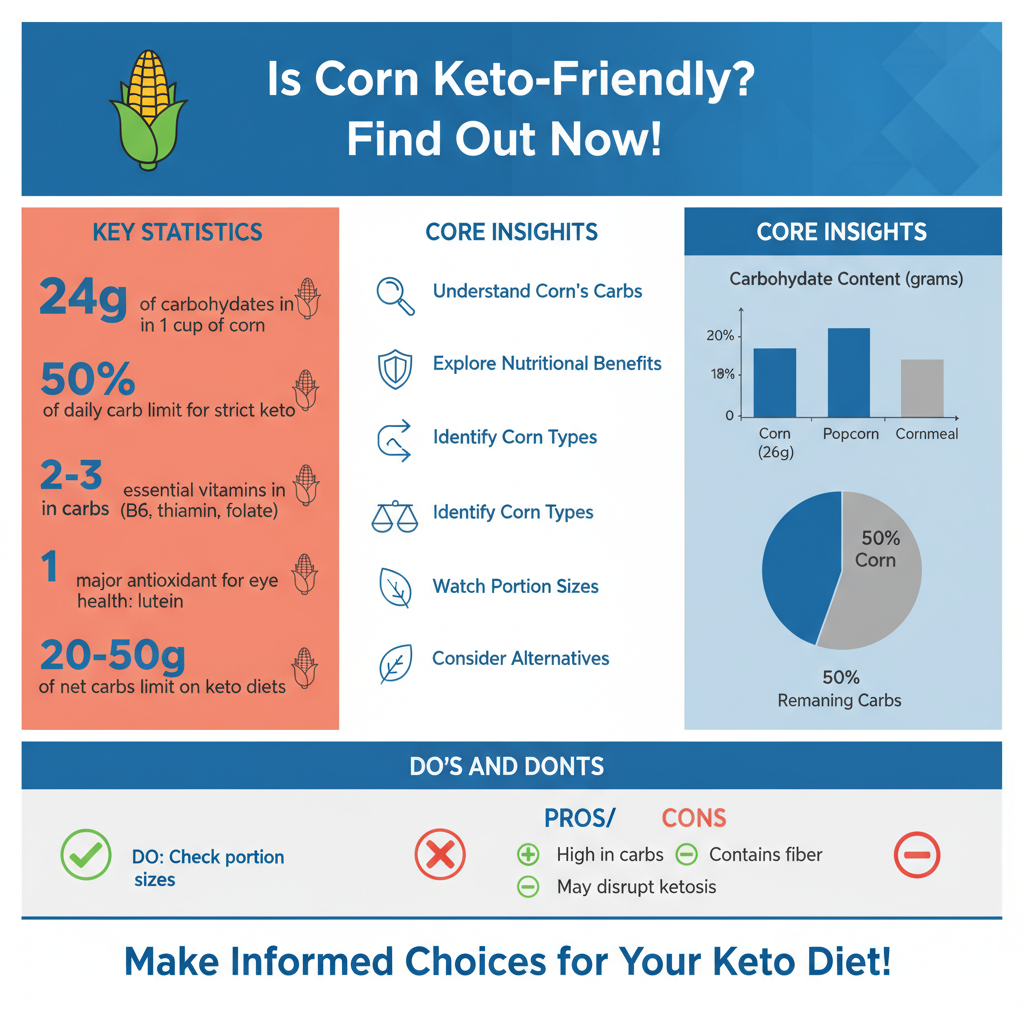
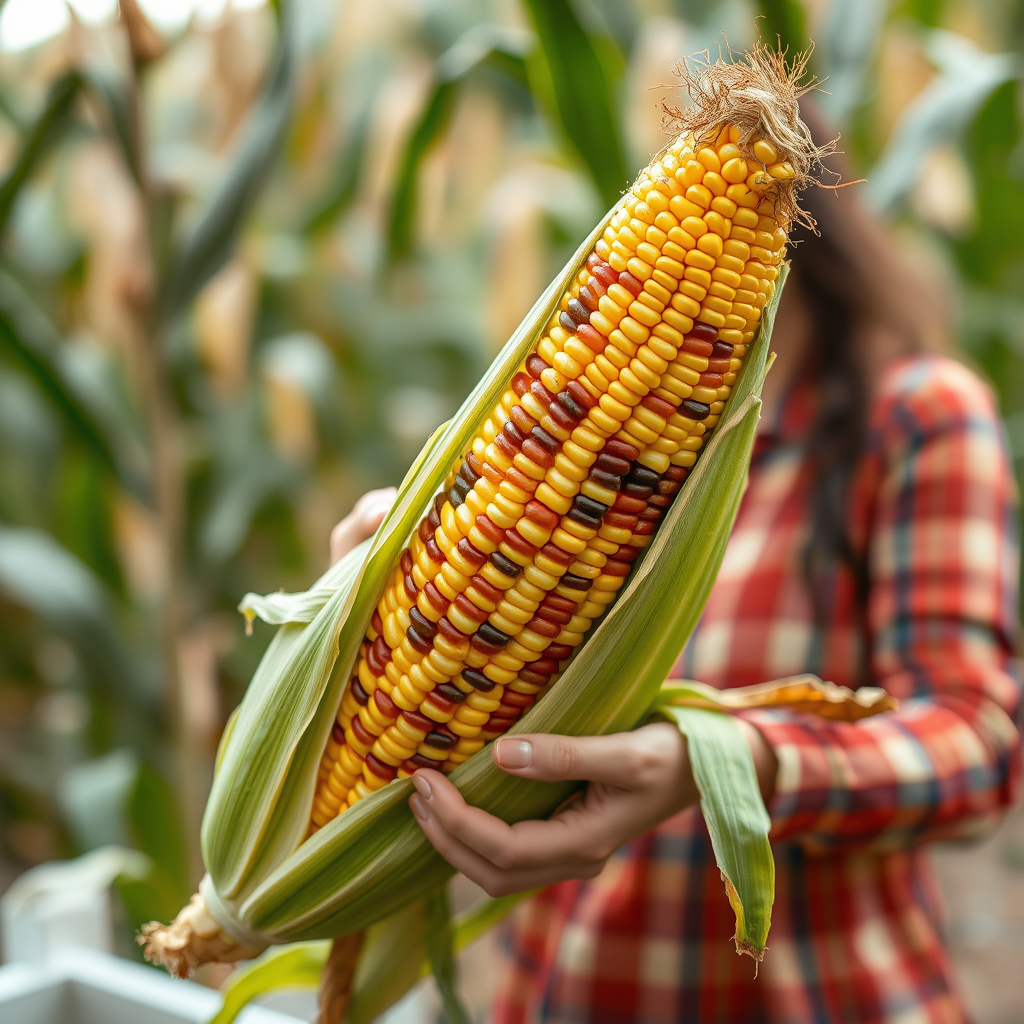
Despite its high carbohydrate content, corn does offer some nutritional benefits. It is a good source of fiber, which can aid in digestion and promote feelings of fullness. Additionally, corn contains essential vitamins and minerals, such as vitamin B6, thiamin, and folate, along with minerals like magnesium and potassium.
Corn also contains antioxidants, such as lutein and zeaxanthin, which are beneficial for eye health. While these nutrients can contribute to a balanced diet, the health benefits may not outweigh the carbohydrate concerns for those strictly adhering to a ketogenic lifestyle. Hence, while corn can provide certain health benefits, it is essential to balance these with your dietary goals and overall carbohydrate intake.
Types of Corn and Their Impact on Keto
Different types of corn possess varying carbohydrate levels and nutritional compositions, which can influence one’s choices on a keto diet. Sweet corn, commonly found in grocery stores, is the most carbohydrate-dense type. In contrast, cornmeal and corn flour also present significant carb counts, making them unsuitable for a strict keto regimen.
Popcorn, while it might seem like a lighter snack, still registers high on the carb scale and can lead to exceeding your daily limit if consumed in large quantities. On the other hand, certain corn products, like corn starch, have a concentrated carbohydrate content that makes them particularly problematic for those aiming for ketosis. Understanding these distinctions can help you navigate your dietary choices, although it’s crucial to note that most corn varieties remain too high in carbohydrates for strict keto adherence.
Alternatives to Corn on a Keto Diet
For those on a keto diet, it’s vital to explore low-carb substitutes that can mimic the texture or taste of corn without the associated carbohydrate content. Some popular alternatives include:
– Cauliflower: This versatile vegetable can be transformed into rice, mashed “potatoes,” or even cauliflower tortillas, making it a perfect low-carb substitute for many corn-based dishes.
– Zucchini: With its mild flavor and ability to absorb spices, zucchini can be spiralized into noodles or sliced thinly to replace corn in salads and salsas.
– Cabbage: Shredded cabbage can serve as a crunchy base for salads or slaws, providing a similar texture to corn while keeping carbs to a minimum.
These alternatives not only help maintain a low-carb lifestyle but also add variety and nutrition to your meals. Experimenting with these substitutes can allow you to enjoy familiar dishes without jeopardizing your ketogenic goals.
Incorporating Corn into a Keto Lifestyle
If you choose to include corn occasionally in your keto lifestyle, moderation and portion control become vital strategies. For instance, a small amount of corn added to a salad might be manageable within your daily carb limits, especially when paired with high-fat foods like avocado or cheese to balance the meal.
To minimize the impact on ketosis, consider using corn as a flavor enhancer rather than a main component of your meal. This approach allows you to enjoy its taste while keeping the carbohydrate count low. Tracking your individual carb intake and monitoring your body’s response to corn can help you make informed decisions about how much, if any, to include in your diet.
The Role of Moderation in a Keto Diet
Understanding that moderation can be key to a successful keto diet is essential for long-term adherence. Some individuals may incorporate small amounts of corn without significantly affecting their state of ketosis, depending on their unique metabolism and daily activity levels.
For example, a person who is highly active may tolerate more carbohydrates than someone with a sedentary lifestyle. Therefore, it’s crucial to listen to your body and adjust your intake based on how you feel and your progress toward your health goals. Keeping a food diary or utilizing tracking apps can help you identify your personal tolerance levels and make adjustments accordingly.
In summary, while corn is high in carbohydrates and typically not recommended for a keto diet, there are ways to navigate your choices. Evaluating your options and considering alternatives can help you maintain your low-carb lifestyle. If you’re curious about more keto-friendly foods or need tips on meal planning, check out our other articles for guidance.
Frequently Asked Questions
Can I eat corn on a keto diet?
Corn is generally not recommended on a keto diet due to its high carbohydrate content. A typical serving of corn can contain around 20 grams of carbs, which can significantly impact your daily carb limit, especially if you’re aiming for a target of 20-50 grams per day. If you’re following strict keto guidelines, it’s best to avoid corn and opt for lower-carb vegetables like leafy greens or zucchini.
What are the alternatives to corn that are keto-friendly?
If you’re looking for keto-friendly alternatives to corn, consider vegetables such as cauliflower, broccoli, and bell peppers. These options are low in carbohydrates and versatile, making them perfect for various dishes. Additionally, you can use cauliflower rice as a substitute for corn in recipes, providing a similar texture without the high carb count.
How does corn affect ketosis?
Consuming corn can hinder your ability to maintain ketosis due to its significant carbohydrate content. When you eat foods high in carbs, your body may shift from burning fat for fuel to utilizing glucose, which can kick you out of ketosis. To stay in ketosis, it’s essential to monitor your carb intake carefully and choose low-carb vegetables instead of corn.
Why do some people include corn in their keto meals?
Some individuals may include corn in their keto meals due to personal dietary preferences or a more relaxed approach to the ketogenic diet. They might also believe that small amounts of corn can fit into their carb allowance without disrupting ketosis. However, for strict adherence to keto, it’s advisable to limit or avoid corn altogether to ensure optimal fat-burning and metabolic benefits.
Which types of corn are the lowest in carbs?
If you’re looking for the lowest-carb types of corn, consider options like corn tortillas or cornmeal in moderation, as they can sometimes be lower in carbs than whole corn kernels. However, even these options typically contain more carbs than most keto-friendly vegetables, so they should still be consumed sparingly and carefully tracked within your daily carbohydrate limit. Always check nutritional labels for precise carb counts to make informed choices.
References
- https://www.healthline.com/nutrition/corn-on-keto
- https://www.dietdoctor.com/low-carb/corn
- https://www.ketoconnect.net/can-i-eat-corn-on-keto/
- https://www.medicalnewstoday.com/articles/321157
- https://www.ncbi.nlm.nih.gov/pmc/articles/PMC6520897/
- theSkimm – Your go-to for the info and tools you need to live your smartest life. | theSkimm