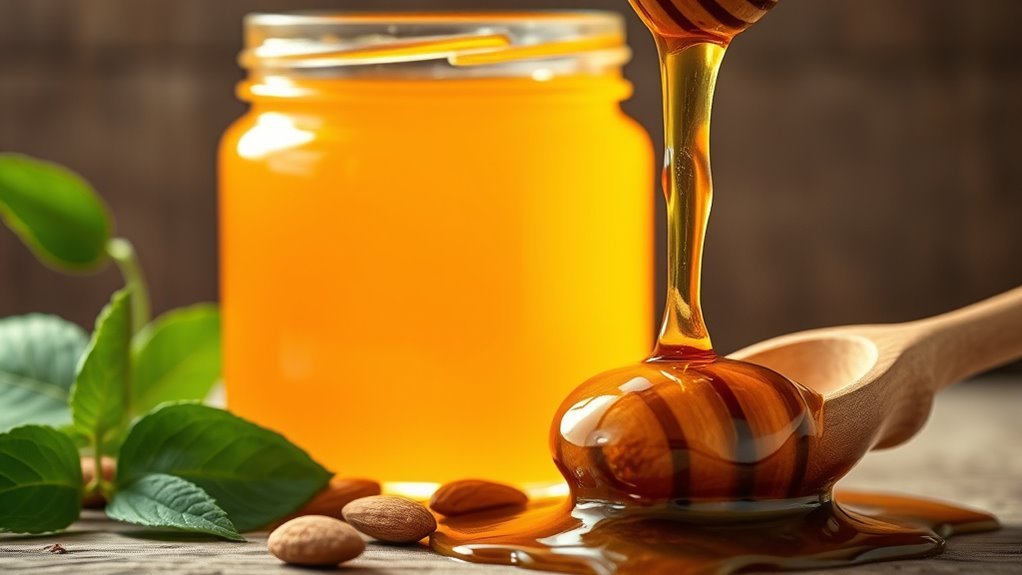

You can’t really eat honey on a ketogenic diet due to its high sugar content, which can disrupt ketosis. One tablespoon contains about 17 grams of carbohydrates, jeopardizing your carb limit. While honey does have some health benefits, its impact on blood sugar makes it challenging for maintaining ketosis. That said, if you want to enjoy it in moderation, pairing it with healthy fats and tracking your intake could help. There are also better alternatives to contemplate!
Understanding the Ketogenic Diet
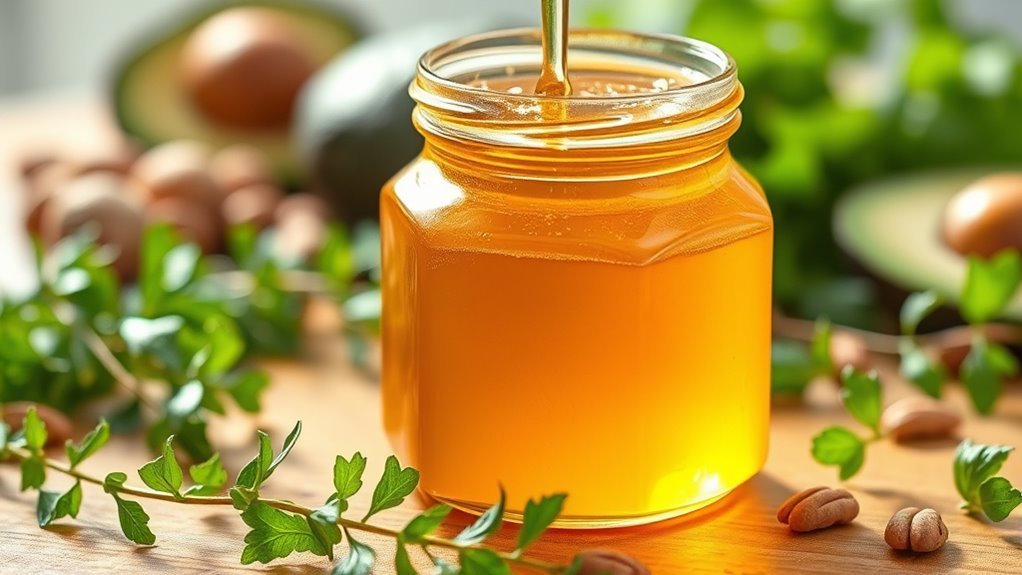
The ketogenic diet, often referred to as keto, is a high-fat, low-carbohydrate eating plan designed to shift your body into a state of ketosis, where it burns fat for fuel instead of carbohydrates. Understanding the keto basics is crucial for anyone looking to harness its benefits. The primary diet principles involve drastically reducing carbohydrate intake while increasing healthy fats. This shift encourages your body to utilize fat stores for energy, promoting weight loss and improved metabolic health. It’s important to focus on nutrient-dense foods, such as avocados, nuts, and leafy greens, to guarantee you’re not just cutting carbs but also nourishing your body. By embracing these principles, you’re taking a step toward achieving greater freedom in your health journey. Additionally, being aware of potential nutrient deficiencies can help you maintain a balanced diet while on keto.
The Nutritional Profile of Honey
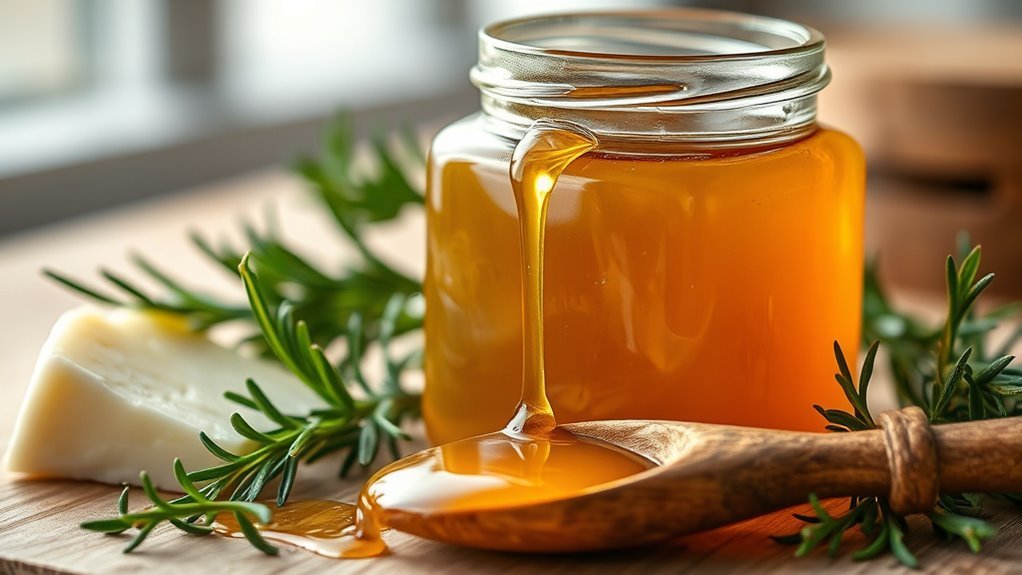
Honey, often celebrated for its natural sweetness and potential health benefits, boasts a unique nutritional profile that sets it apart from many other sweeteners. Its composition primarily consists of sugars, including fructose and glucose, but it also contains trace amounts of vitamins, minerals, and antioxidants. These components contribute to the nutritional benefits honey offers, such as anti-inflammatory and antimicrobial properties. Additionally, honey provides small quantities of B vitamins and vitamin C, along with minerals like calcium and potassium. While not a significant source of these nutrients, they add to honey’s appeal in moderation. When considering honey on a keto diet, it’s essential to weigh these nutritional benefits against its carbohydrate content for informed choices. However, due to its high sugar content, honey is not typically considered keto-friendly for those aiming to maintain ketosis.
Carbohydrates in Honey
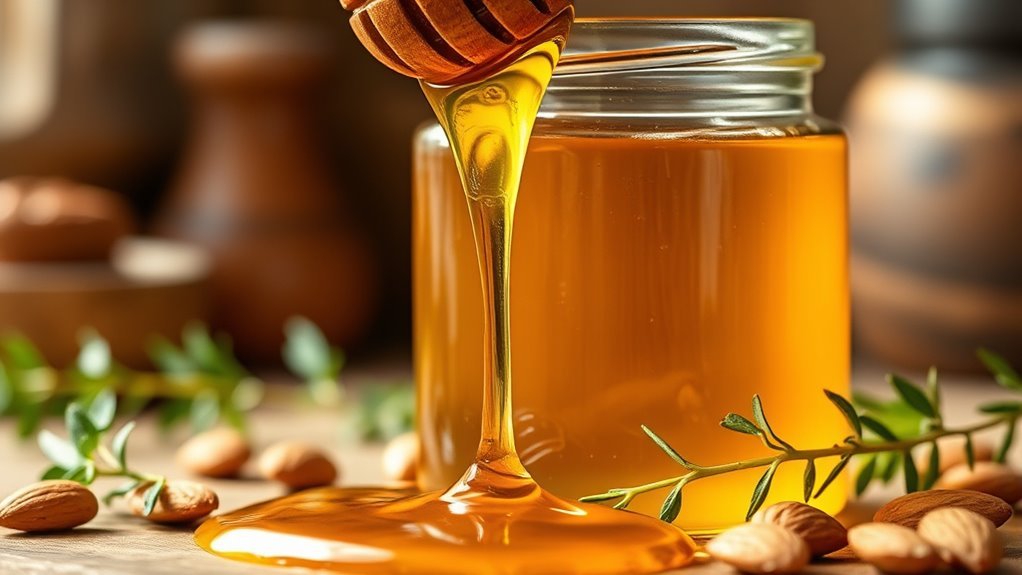
Carbohydrates are a significant consideration when evaluating honey, especially for those following a keto diet. Honey contains about 17 grams of carbohydrates per tablespoon, primarily in the form of sugars like fructose and glucose. This carbohydrate content can quickly add up, making it challenging to stay within your daily limits. Additionally, honey has a glycemic index ranging from 45 to 64, depending on the type, which means it can raise blood sugar levels more than some other sweeteners. For those seeking freedom in their dietary choices, understanding these factors is essential. If you want to enjoy honey in moderation, be mindful of its impact on your overall carbohydrate intake to maintain your keto lifestyle effectively.
How Honey Affects Ketosis
Although incorporating honey into your diet may seem tempting, it’s essential to understand how it can impact ketosis. The metabolism of honey involves sugars that can disrupt your state of ketosis, which relies on low carbohydrate intake for fat burning. Here are three key points to reflect on regarding honey’s ketosis impact:
- Carbohydrate Content: Honey is high in carbohydrates, which can quickly increase your blood sugar levels.
- Insulin Response: Consuming honey can trigger an insulin response, making it harder to maintain ketosis.
- Energy Source Shift: Your body may shift back to glucose for energy, moving you out of fat-burning mode.
Ultimately, while honey has unique properties, its effects on honey metabolism might not align with your keto goals. Additionally, moderate consumption of wine, such as Pinot Noir, can be a more suitable option for those following a ketogenic lifestyle.
Potential Health Benefits of Honey
While honey may pose challenges for those aiming to maintain ketosis, it also offers several potential health benefits worth considering. One of the standout features of honey is its antioxidant properties, which can help combat oxidative stress in your body. Antioxidants play a significant role in reducing inflammation and supporting overall health. Additionally, honey has been linked to immune support, potentially aiding your body’s defense against common illnesses. The natural compounds in honey can enhance your immune response, making it a valuable addition to your wellness routine—if consumed mindfully. So, while you might need to limit your intake on a keto diet, the unique benefits of honey shouldn’t be overlooked entirely. Balance is key when considering your health and dietary choices.
Alternatives to Honey on Keto
If you’re looking for alternatives to honey on a keto diet, there are several low-carb sweeteners you might consider. Options like stevia, erythritol, and monk fruit provide natural sweetness without the carbs. Additionally, sugar-free syrups can add flavor to your meals while keeping your carbohydrate intake in check. These alternatives can help you enjoy sweetness without disrupting ketosis, which is essential for maintaining the ketogenic lifestyle.
Low-Carb Sweeteners Options
When you’re following a keto diet, finding suitable low-carb sweeteners can be a challenge, especially if you’re accustomed to the natural sweetness of honey. Fortunately, there are several keto-friendly sweeteners you can use as low carb alternatives. Here are three popular options:
- Stevia: A natural sweetener derived from the leaves of the Stevia plant, it’s calorie-free and doesn’t affect blood sugar.
- Erythritol: This sugar alcohol has a similar taste to sugar but contains almost no calories and is low on the glycemic index.
- Monk Fruit Sweetener: Extracted from monk fruit, it’s a zero-calorie option that doesn’t spike blood sugar levels.
These alternatives can help satisfy your sweet cravings without jeopardizing your keto lifestyle. Additionally, using artificial sweeteners like aspartame in moderation can also be a viable option for enhancing sweetness without significantly impacting your carb intake.
Natural Sweetener Substitutes
Finding suitable sweeteners on a keto diet often leads to questions about honey and its compatibility with low-carb lifestyles. If you’re looking for natural sweeteners as substitutes, options like stevia, monk fruit, and erythritol can be fantastic choices. These sweeteners provide the sweetness you crave without the carbs found in honey. They can seamlessly integrate into your keto recipes, making it easier to enjoy desserts and beverages without guilt. Each option has its unique taste profile, so you might want to experiment to see which one you prefer. Remember, moderation is key; even natural sweeteners can impact blood sugar levels. Additionally, incorporating low-carb ingredients in your recipes can enhance your keto experience. Embrace these alternatives, and you’ll find freedom in your keto journey without sacrificing flavor.
Sugar-Free Syrups Available
While honey may be a beloved natural sweetener, those on a keto diet can still satisfy their cravings with a variety of sugar-free syrups. These sugar alternatives provide sweetness without the carbs, letting you enjoy your favorite dishes guilt-free. Here are three popular syrup brands to evaluate:
- Monin Sugar-Free Syrup – Known for its wide range of flavors, perfect for coffee or desserts.
- Walden Farms Syrup – Calorie-free and versatile, great for pancakes or as a topping.
- Lakanto Maple Syrup – Made with monk fruit, this syrup mimics the rich taste of traditional maple syrup.
With these options, you can indulge your sweet tooth while staying true to your keto lifestyle! Additionally, many of these sugar-free syrups have minimal calories and carbs, making them ideal for maintaining ketosis.
Tips for Including Honey in Your Keto Diet
When it comes to including honey in your keto diet, moderation is essential to keep your carb intake in check. Opting for raw honey can provide more nutrients and antioxidants compared to processed varieties. Additionally, pairing honey with healthy fats can help balance its impact on your blood sugar levels. However, be mindful that high carbohydrate content can disrupt ketosis and energy levels.
Moderation Is Key
Although honey is often considered a sweet treat that’s off-limits for those on a keto diet, you can still enjoy it in moderation. Embracing moderation strategies can help you incorporate honey without derailing your goals. Here are three tips for mindful consumption:
- Portion Control: Limit yourself to one teaspoon of honey to keep carbs in check.
- Pair Wisely: Use honey as a natural sweetener in low-carb recipes or combine it with healthy fats to balance your intake.
- Track Your Intake: Keep a food journal to monitor how honey affects your daily carb count and adjust accordingly.
Choose Raw Honey
Choosing raw honey can enhance your keto experience while still allowing you to enjoy its natural sweetness. Unlike processed varieties, raw honey retains beneficial enzymes, antioxidants, and nutrients that can support your overall health. Incorporating raw honey into your diet may offer health benefits such as improved digestion and a boost to your immune system, which can be especially valuable when you’re following a restrictive eating plan like keto. Just remember to keep your portion sizes in check, as honey is still high in sugars. By selecting raw honey, you’re opting for a more nutrient-dense sweetener that aligns with your keto lifestyle while allowing you to enjoy the freedom of flavor without sacrificing your goals.
Pair With Fats
To successfully incorporate honey into your keto diet, pairing it with healthy fats can be a game-changer. This approach not only keeps your carb intake in check but also enhances flavor and satiety. Here are three effective honey pairings to contemplate:
- Nut Butters: Spread honey over almond or peanut butter for a delicious snack that’s rich in keto fats.
- Greek Yogurt: Drizzle honey on full-fat Greek yogurt to enjoy a creamy treat packed with protein and healthy fats.
- Cheese: Pair honey with cheeses like Brie or goat cheese, creating a balanced combo of sweetness and savory richness.
These honey pairings can help you enjoy the sweetness while maintaining your keto lifestyle. Embrace the freedom to savor your meals!
Making Informed Choices About Sweeteners
How do you navigate the complex world of sweeteners on a ketogenic diet? The key is in your sweetener selection. With various options available, it’s essential to prioritize low-carb and keto-friendly varieties like stevia, erythritol, or monk fruit. These alternatives not only help you satisfy your sweet cravings but also align with your dietary goals. Mindful consumption is vital; even keto-approved sweeteners can impact your blood sugar levels if used excessively. Take the time to read labels and understand the ingredients, as some products may contain hidden carbs. Ultimately, finding a balance between enjoying sweetness and maintaining ketosis allows you to indulge without compromising your health goals. Additionally, recognizing the impact of carb restriction on your ability to maintain ketosis will further guide your sweetener choices. Make informed choices, and enjoy the freedom that comes with them.
Frequently Asked Questions
Can I Use Honey in Baking on a Keto Diet?
You can’t use honey in baking on a keto diet due to its high sugar content. Instead, try honey substitutes like erythritol or monk fruit sweetener. These alternatives provide sweetness without the carbs that can kick you out of ketosis. When keto baking, it’s important to choose low-carb ingredients to maintain your dietary goals. Experimenting with these substitutes can give you the freedom to enjoy delicious treats without compromising your health.
Is Raw Honey Better for Keto Than Processed Honey?
Raw honey isn’t necessarily better for keto than processed honey, but it does have some benefits. Raw honey retains natural enzymes and antioxidants, offering potential health perks, while processed honey often loses these nutrients and can be higher in added sugars. However, both types can spike your blood sugar, so moderation is key. If you choose raw honey, just be mindful of those carbs and how they fit into your overall keto plan.
How Much Honey Can I Consume on a Keto Diet?
On a keto diet, it’s best to limit honey consumption due to its high sugar content. Generally, you should aim for no more than 20-50 grams of carbs daily. Since honey can quickly impact your carb intake, even a small amount could push you over your limit. If you choose to indulge, consider honey consumption guidelines and monitor how it affects your ketosis. Balance is key to enjoying freedom while sticking to your goals.
Can Honey Cause Weight Gain on a Keto Diet?
Yes, honey can cause weight gain on a keto diet if you’re not careful. Its sugars can disrupt your honey metabolism, leading to increased insulin levels, which might hinder your keto weight management efforts. While it’s tempting to indulge, remember that even small amounts can add up. Balancing your intake is essential if you want to maintain the freedom to enjoy treats without derailing your progress. Moderation is key!
What Are the Best Sweetener Alternatives to Honey on Keto?
If you’re looking for sweetener alternatives to honey on keto, stevia and erythritol are great choices. Stevia benefits include being calorie-free and having a low glycemic index, making it suitable for your diet. Erythritol alternatives also provide sweetness without the carbs, plus they don’t spike your blood sugar. Both options allow you to enjoy your favorite treats while staying true to your keto goals, giving you the freedom to indulge without the guilt.
References
- https://www.healthline.com/nutrition/honey-on-keto
- https://www.ncbi.nlm.nih.gov/pmc/articles/PMC3611628/
- https://www.medicalnewstoday.com/articles/324602
- https://www.dietdoctor.com/low-carb/honey
- https://www.webmd.com/diet/obesity/honey-nutrition-facts
- https://www.honey.com/honey-facts/nutrition
- https://www.sciencedirect.com/science/article/pii/S2211926415001750