

The keto diet offers numerous benefits, including weight loss, improved mental clarity, and better energy levels. By drastically reducing carbohydrate intake and increasing fat consumption, this diet can help your body enter a state of ketosis, where it burns fat for fuel. This metabolic shift not only aids in weight management but also enhances overall health and well-being. In this article, you will discover the key advantages of adopting a keto lifestyle, along with tips on how to get started effectively.
Weight Loss Potential

The keto diet promotes fat burning, which can lead to significant weight loss. Traditional diets often rely on calorie restriction and do not focus on macronutrient ratios, which can lead to unsustainable results. In contrast, the keto diet encourages the body to enter a state of ketosis, where it primarily burns fat for energy instead of carbohydrates. This process is facilitated by reducing carbohydrate intake to about 5-10% of total daily calories while increasing fat consumption to around 70-75%.
Reduced insulin levels also play a crucial role in the weight loss potential of the keto diet. High insulin levels are associated with increased fat storage and hunger. By minimizing carbohydrate intake, insulin levels drop, allowing the body to utilize stored fat more efficiently. Studies have shown that individuals on a keto diet often experience greater weight loss compared to those on low-fat diets, particularly in the initial stages. This initial weight loss can be motivating, leading to long-term adherence to the diet.
Improved Mental Clarity
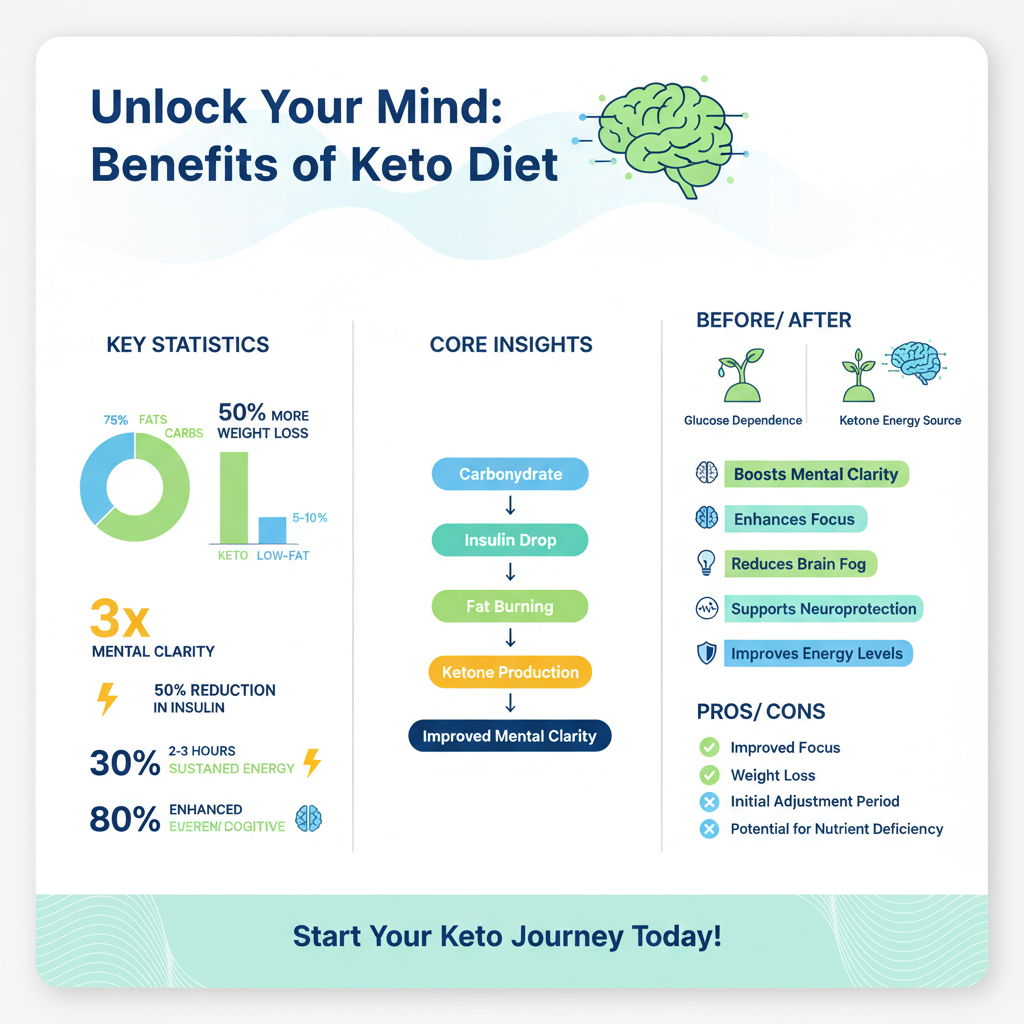

Many followers report enhanced focus and cognitive function while on a keto diet. The brain thrives on glucose, but during ketosis, it uses ketones—produced from fat—as an alternative energy source. Ketones provide a more stable and efficient form of energy for the brain compared to glucose, which can lead to improved mental clarity and cognitive performance.
Research has indicated that ketones may have neuroprotective properties, potentially benefiting individuals with neurological disorders such as Alzheimer’s disease and epilepsy. The consistent energy supply from ketones may help reduce brain fog and improve concentration, making the keto diet appealing not just for physical health, but also for mental acuity. Individuals in fast-paced work environments or those requiring high cognitive function may find the keto lifestyle particularly advantageous.
Increased Energy Levels
The shift to fat as a primary energy source can lead to more sustained energy throughout the day. Unlike carbohydrates, which can cause rapid spikes and subsequent crashes in blood sugar levels, fat provides a steady and prolonged energy source. This stability translates to fewer energy dips and an improved ability to maintain focus and productivity.
Moreover, the keto diet can reduce the need for frequent snacking, which is often driven by fluctuating blood sugar levels. By stabilizing energy levels, individuals may find they can engage in physical activities or mentally demanding tasks for longer periods without the need for constant refueling. This makes the keto diet not only beneficial for those aiming to lose weight but also for individuals looking to enhance their overall daily performance.
Better Appetite Control
High-fat and moderate-protein meals can increase satiety and reduce hunger. One of the key advantages of the keto diet is its ability to regulate hunger hormones, such as ghrelin and leptin. When carbohydrate intake is minimized, and fat intake is maximized, the body experiences a greater sense of fullness, which can lead to reduced cravings and less frequent snacking.
This appetite control is especially advantageous for those struggling with emotional or habitual eating. By adhering to a keto diet, individuals can find it easier to resist temptations and maintain a healthy eating pattern. The incorporation of nutrient-dense, high-fat foods such as avocados, nuts, and healthy oils can contribute to a satisfying meal experience, further supporting weight loss efforts.
Potential Health Benefits
Some studies suggest the keto diet may improve markers related to heart health and metabolic syndrome. By lowering carbohydrate intake, the diet has been shown to reduce triglyceride levels and increase HDL (high-density lipoprotein) cholesterol, which is often referred to as “good” cholesterol. These changes can lead to a lower overall risk of cardiovascular disease.
Additionally, the keto diet has demonstrated effectiveness in managing certain neurological disorders, particularly epilepsy. This therapeutic application has been studied extensively, showing that a ketogenic approach can reduce the frequency and severity of seizures in treatment-resistant epilepsy cases. Emerging research is also exploring the potential benefits of the keto diet in other areas, such as type 2 diabetes management and cancer therapy.
Enhanced Athletic Performance
Athletes may experience improved endurance as their bodies adapt to burning fat for fuel. Traditionally, endurance athletes have relied on carbohydrate-rich diets to fuel their performance. However, as the body becomes more efficient at utilizing fat through the keto diet, athletes can sustain energy levels for longer durations, which is particularly beneficial during extended training sessions or competitions.
Some athletes find that they recover faster between workouts when following a keto diet. The anti-inflammatory properties of ketones may contribute to reduced muscle soreness and quicker recovery times, allowing for more effective training regimens. This makes the keto diet a compelling choice for those looking to enhance athletic performance while maintaining a lean physique.
Easy Meal Planning and Preparation
The simplicity of keto-friendly foods can make meal planning straightforward. Focusing on whole foods such as meats, fish, eggs, dairy, non-starchy vegetables, and healthy fats can streamline the grocery shopping process. This minimalistic approach reduces the number of ingredients needed for meal preparation, making it easier to create balanced meals.
Furthermore, many delicious recipes are available, making it easier to stick to the diet long-term. From keto-friendly casseroles to creative uses of cauliflower as a rice substitute, the culinary possibilities are extensive. This variety helps to prevent boredom and encourages adherence to the dietary regimen, ultimately supporting long-term health goals.
By considering the benefits outlined above, you can make an informed decision about whether the keto diet is right for you. Remember to consult with a healthcare professional before making any significant dietary changes. Embrace the journey toward a healthier lifestyle today!
Frequently Asked Questions
What are the main benefits of following a keto diet?
The keto diet primarily offers benefits such as weight loss, improved mental clarity, and better blood sugar control. By significantly reducing carbohydrate intake and increasing fat consumption, the body enters a state of ketosis, where it efficiently burns fat for energy. This shift not only helps in shedding excess pounds but also stabilizes insulin levels, making it an appealing option for those with type 2 diabetes or insulin resistance.
How does the keto diet affect energy levels and mental focus?
Many individuals report increased energy levels and enhanced mental focus when following a keto diet. This is largely due to the brain’s preference for ketones, which are produced during ketosis, as a more efficient fuel source than glucose. As the body adapts to burning fat for fuel, it often leads to more consistent energy throughout the day, helping to avoid the sugar highs and lows associated with high-carb diets.
Why might someone choose a keto diet for weight loss?
Individuals often choose a keto diet for weight loss because it can lead to rapid fat loss, especially in the initial stages. The reduction of carbohydrates lowers insulin levels, which encourages the body to release stored fat for energy. Additionally, high-fat and moderate-protein foods can increase satiety, making it easier to consume fewer calories without feeling deprived, thus promoting weight loss.
Which health conditions might benefit from a ketogenic diet?
The ketogenic diet may benefit several health conditions, including epilepsy, type 2 diabetes, and metabolic syndrome. Originally developed as a treatment for epilepsy, the diet has shown effectiveness in reducing seizure frequency. Moreover, its ability to lower blood sugar levels makes it a valuable dietary option for managing diabetes and improving overall metabolic health.
What are the best foods to eat on a ketogenic diet?
The best foods for a ketogenic diet include healthy fats such as avocados, olive oil, and nuts, along with low-carb vegetables like leafy greens, broccoli, and cauliflower. Additionally, individuals can enjoy moderate amounts of protein from sources like fish, poultry, and eggs. It’s crucial to avoid high-carb foods, including grains, sugars, and most fruits, to maintain ketosis and reap the full benefits of the diet.
References
- https://www.ncbi.nlm.nih.gov/pmc/articles/PMC5852723/
- https://www.healthline.com/nutrition/what-is-the-keto-diet
- https://www.mayoclinic.org/healthy-lifestyle/nutrition-and-healthy-eating/in-depth/keto-diet/art-20459057
- https://www.cdc.gov/healthyweight/assessing/bmi/index.html
- https://www.webmd.com/diet/obesity/ss/slideshow-keto-diet-what-to-know
- https://www.ncbi.nlm.nih.gov/pmc/articles/PMC8022203/
- President’s Council | odphp.health.gov
- https://www.jamanetwork.com/journals/jama/fullarticle/2769826