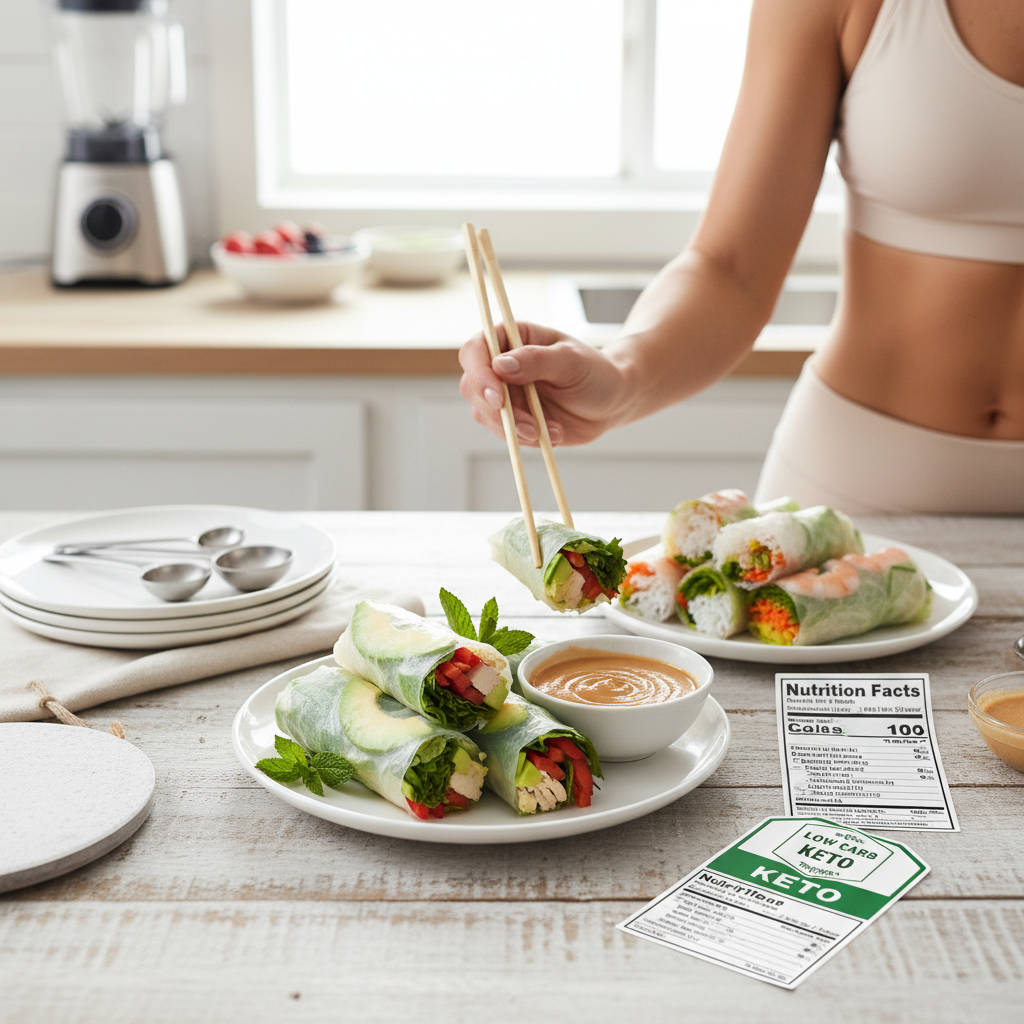

Spring rolls can be keto-friendly, but it largely depends on their ingredients and preparation method. Traditional spring rolls, which use rice paper and are often filled with starchy vegetables, may not fit into a ketogenic diet. However, with the right substitutions and fillings, you can enjoy a low-carb version of this popular dish. In this article, we’ll explore what makes spring rolls keto-friendly and how to make or choose options that align with your dietary goals.
Understanding Spring Roll Ingredients
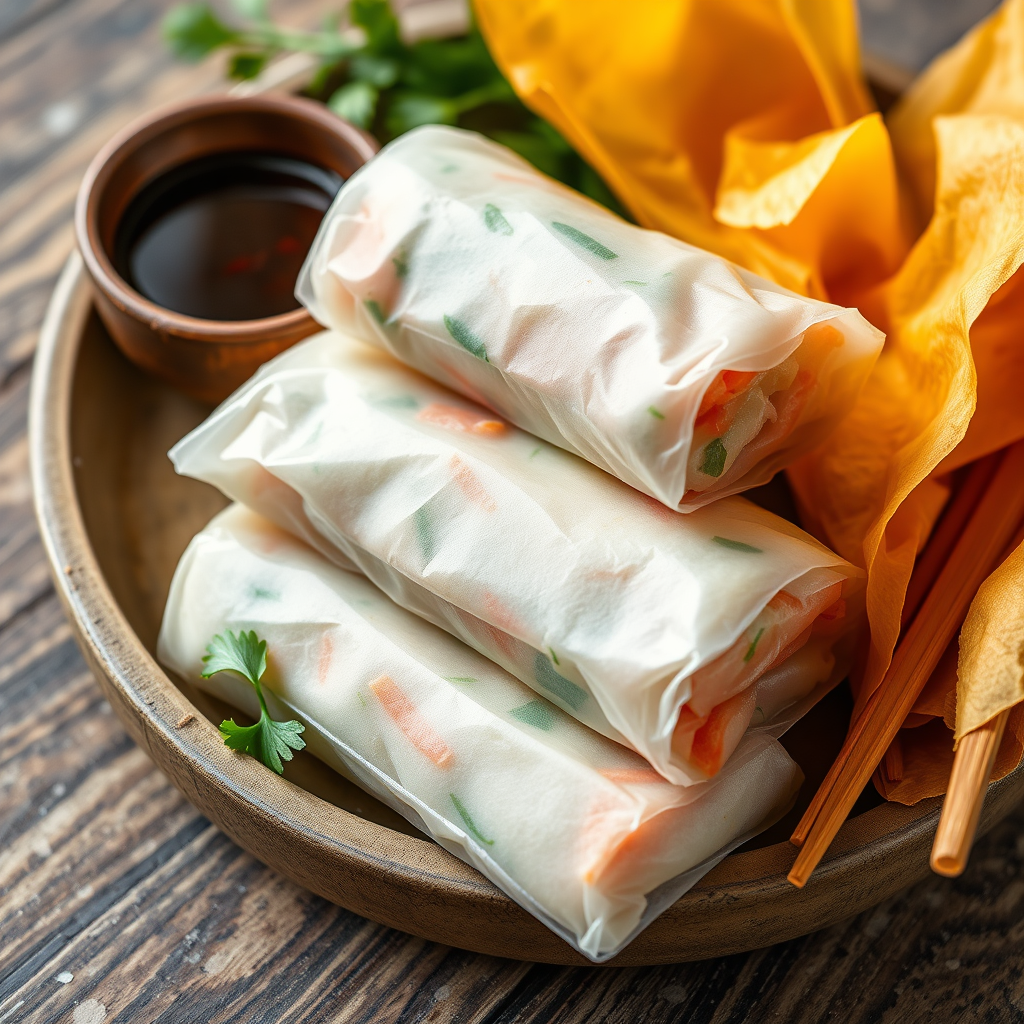
Traditional spring rolls typically feature rice paper wrappers, which are made from rice flour and water. This ingredient is rich in carbohydrates, making it unsuitable for those adhering to a ketogenic diet. A single rice paper wrapper can contain around 10-15 grams of carbohydrates, significantly impacting your daily carb limit on a keto plan. Additionally, common fillings such as carrots, cabbage, and vermicelli noodles contribute further to the overall carb count. For instance, vermicelli noodles, which are often included in spring rolls, can add another 15-20 grams of carbs per serving.
Furthermore, sauces often used alongside spring rolls, such as sweet chili sauce or hoisin sauce, can be laden with sugar, further complicating their compatibility with low-carb diets. Awareness of these ingredients is crucial for anyone looking to enjoy spring rolls while adhering to a keto lifestyle.
Keto-Friendly Alternatives
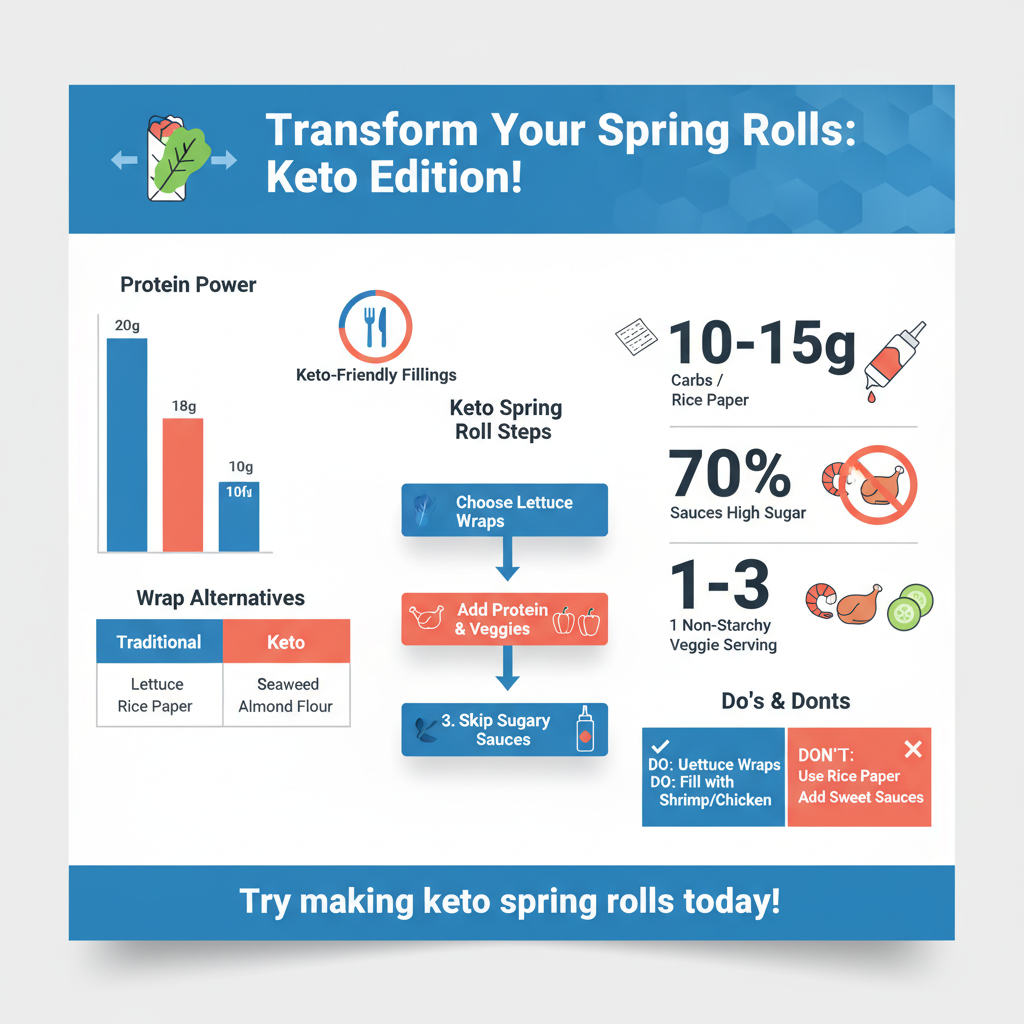
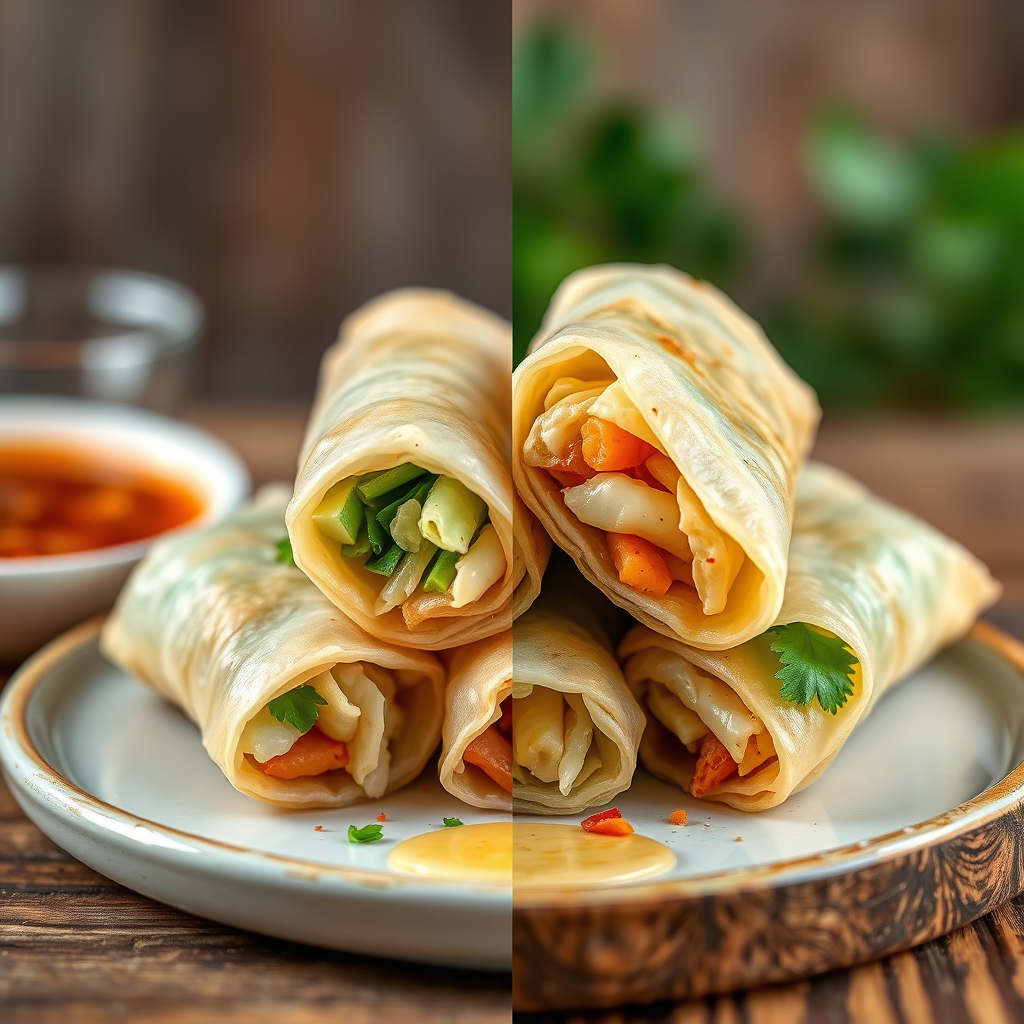
Fortunately, there are several effective alternatives that can transform traditional spring rolls into keto-friendly options. One popular substitution is using low-carb wraps or lettuce leaves instead of rice paper. Lettuce wraps can provide a crunchy texture without the added carbohydrates. For example, large lettuce leaves like butter lettuce or romaine can easily encase various fillings while keeping the carb count low.
When it comes to fillings, opting for high-protein ingredients such as shrimp, chicken, or tofu can enhance the nutritional profile of your spring rolls. These ingredients not only provide essential protein but also help keep you satiated. Additionally, incorporating non-starchy vegetables like bell peppers, cucumbers, and zucchini can add flavor and crunch without significantly increasing the carb content. By focusing on these alternatives, you can create a satisfying and healthy version of spring rolls that fits seamlessly into your keto diet.
Making Your Own Keto Spring Rolls
Creating your own keto spring rolls allows for complete control over the ingredients, ensuring they align with your dietary preferences. One effective method involves using almond flour or coconut flour to create a low-carb wrapper. These flours are excellent alternatives that can yield a flexible, tasty wrap. For example, a simple recipe might involve mixing almond flour with eggs and a pinch of salt, then cooking it in a non-stick pan to form a thin, pliable wrap.
For the filling, consider using a mix of low-carb veggies, such as spinach, mushrooms, and shredded cabbage. You can also add proteins like grilled chicken or shrimp for added substance. A dash of sesame oil or a sprinkle of sesame seeds can elevate the flavor and provide a more authentic spring roll experience. By experimenting with various ingredients, you can customize your spring rolls to suit your taste while keeping them keto-friendly.
Buying Pre-Made Spring Rolls
If you’re short on time or prefer the convenience of pre-made options, it is essential to check labels carefully to avoid high-carb ingredients. Many brands produce spring rolls labeled as “keto” or “low-carb,” which can be a great choice, but it’s crucial to scrutinize the nutrition information. Look for options that explicitly state they do not contain rice or sugary sauces.
When shopping, try to find products made with alternative wrappers such as those made from coconut or almond flour, which are becoming increasingly popular. Additionally, specialty health food stores often carry a selection of keto-friendly spring rolls that align better with your dietary needs. Always prioritize options with minimal ingredients and no added sugars to ensure you’re making a healthy choice.
Pairing Options and Dipping Sauces
The enjoyment of spring rolls can be greatly enhanced by the right dipping sauces. When following a keto diet, it’s best to choose sauces that are low in sugar. Traditional soy sauce is a fantastic option, as it contains negligible carbs. For a creamier option, consider making a homemade peanut sauce using natural peanut butter and a sugar substitute, such as erythritol or stevia, to keep the carb count low.
It’s important to avoid sweet chili sauces and other high-carb condiments that can quickly add sugars to your meal. Instead, enhance your spring rolls with fresh herbs like cilantro or mint, which can add flavor without adding carbs. The right combinations can elevate your dining experience while adhering to your dietary restrictions.
Spring Roll Serving Suggestions
To create a well-rounded, keto-friendly meal, consider serving your spring rolls alongside a side of keto-friendly salads or soups. A fresh cucumber salad with a light vinaigrette can complement the spring rolls beautifully. Alternatively, a warm miso soup can be a comforting accompaniment, providing a satisfying contrast in temperatures.
Incorporating healthy fats is also beneficial in a ketogenic diet. Avocado slices or a drizzle of high-quality olive oil can add richness to your meal, improving satiety. For a more filling option, pairing your spring rolls with a side of roasted vegetables can create a balanced plate that keeps you aligned with your keto goals.
Tips for Enjoying Spring Rolls on Keto
When it comes to enjoying spring rolls on a keto diet, preparation and mindfulness are key. Always read ingredient labels carefully when purchasing pre-made options to ensure they meet your dietary requirements. Additionally, don’t hesitate to experiment with different fillings and wrappers to discover what best suits your palate while keeping the carb count in check.
Consider meal prepping your own keto-friendly spring rolls for convenience throughout the week. This can save time and help you avoid temptation when hunger strikes. With a little creativity, you can enjoy delicious spring rolls that align with your keto lifestyle.
Enjoying spring rolls on a keto diet is possible with mindful choices and creativity in the kitchen. By understanding the ingredients and exploring alternatives, you can satisfy your cravings while adhering to your dietary needs. Try making your own keto-friendly spring rolls today and discover delicious low-carb versions of this classic dish!
Frequently Asked Questions
Are traditional spring rolls keto-friendly?
Traditional spring rolls are generally not considered keto-friendly because they are typically made with rice paper or flour wrappers, which are high in carbohydrates. A single spring roll can contain anywhere from 15 to 30 grams of carbs, depending on the ingredients. For those on a ketogenic diet, it’s best to avoid these wrappers and opt for alternatives that are low in carbs, such as lettuce or zucchini wraps.
How can I make keto-friendly spring rolls at home?
To make keto-friendly spring rolls at home, start by using low-carb wrappers or substitutes like lettuce leaves, nori sheets, or even thin slices of cucumber. Fill them with keto-friendly ingredients such as shredded chicken, shrimp, vegetables like bell peppers and avocado, and a low-carb dipping sauce made with almond butter or coconut aminos. This way, you can enjoy the concept of spring rolls without the excess carbs.
What are some keto-friendly alternatives to spring roll wrappers?
Some great keto-friendly alternatives to traditional spring roll wrappers include lettuce leaves, which provide a fresh crunch, or nori sheets commonly used for sushi. Additionally, you can use thinly sliced vegetables like cucumber or bell peppers that can be rolled around your fillings. These options are low in carbs and high in fiber, making them perfect for a keto diet.
Why are spring rolls typically high in carbs?
Spring rolls are typically high in carbs due to their wrappers, which are primarily made from rice flour or wheat flour. These ingredients are rich in carbohydrates, which can significantly impact your daily carb intake if you are following a ketogenic diet. Additionally, many traditional spring rolls are filled with starchy vegetables or noodles that contribute to their overall carb content.
Which dipping sauces are suitable for keto spring rolls?
When enjoying keto spring rolls, opt for low-carb dipping sauces to keep your meal in line with the ketogenic diet. Some excellent options include a homemade peanut sauce made with natural peanut butter and coconut aminos, spicy mayo made with mayonnaise and sriracha, or a simple soy sauce alternative like tamari. These sauces add flavor while keeping your carb intake minimal.
References
- Spring roll
- https://www.healthline.com/nutrition/keto-diet-foods
- https://www.ncbi.nlm.nih.gov/pmc/articles/PMC7086622/
- https://www.webmd.com/diet/obesity/ss/slideshow-keto-diet-guide
- https://www.cdc.gov/healthyweight/healthy_eating/index.html
- https://www.nutrition.gov/topics/nutrition-education/healthy-eating-plate
- https://www.eatright.org/health/wellness/preventing-illness/keto-diet-101
- https://www.mayoclinic.org/healthy-lifestyle/nutrition-and-healthy-eating/expert-answers/keto-diet/faq-20459578