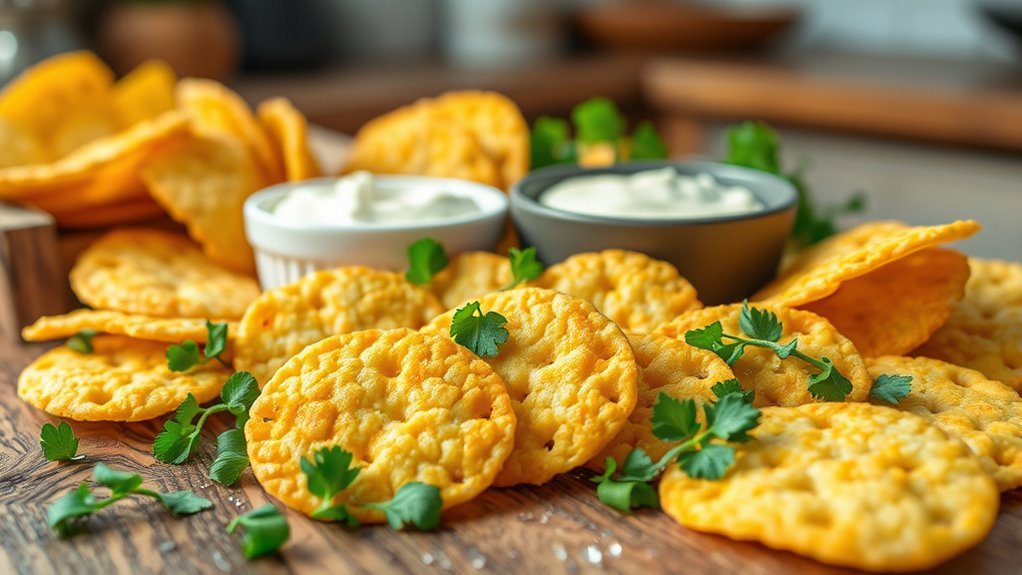

Rice crackers aren’t generally keto-friendly due to their high carbohydrate content, which can prevent you from maintaining ketosis. Most varieties contain around 15-22 grams of carbs per ounce, making them a poor choice for a low-carb diet. Common ingredients often include rice flour and added sugars. If you’re looking for suitable snacks, consider low-carb alternatives like cheese crisps or nut-based options. For more insights on snacking wisely while on keto, keep exploring your options.
Understanding the Ketogenic Diet
While many diets focus on calorie counting or macronutrient balance, the ketogenic diet specifically emphasizes a low-carbohydrate, high-fat approach to induce ketosis, a metabolic state where your body burns fat for fuel instead of carbohydrates. By following ketogenic principles, you greatly reduce your carbohydrate intake, leading to fat adaptation, where your body becomes more efficient at utilizing fat stores. This shift not only promotes weight loss but also enhances mental clarity and energy levels. Adhering to the diet typically involves consuming foods rich in healthy fats, such as avocados, nuts, and oils, while minimizing grains and sugars. Ultimately, the ketogenic diet provides a framework for those seeking freedom from traditional dietary restrictions while encouraging a more sustainable lifestyle change.
Nutritional Profile of Rice Crackers
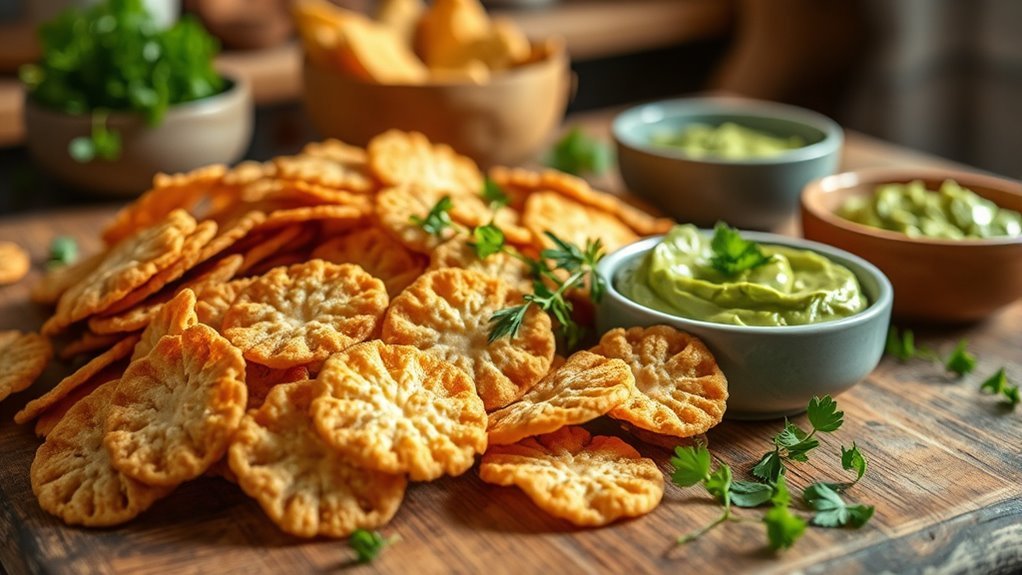
When considering rice crackers, it’s crucial to analyze their carbohydrate content, as this greatly impacts their suitability for a ketogenic diet. Additionally, evaluating their nutrient density can help you understand whether they provide valuable vitamins and minerals. By examining these factors, you can make a more informed decision about incorporating rice crackers into your eating plan.
Carb Content Analysis
Understanding the carb content of rice crackers is essential if you’re considering them as part of a keto diet. Typically made from rice, these snacks contain significant carbohydrates, making them a less favorable option for those aiming for ketosis. A standard serving often has around 15-20 grams of carbs, primarily from rice, a common carb source. While some rice crackers may include added dietary fiber, which can slightly lower net carbs, the overall carbohydrate content is still high. For a keto diet, it’s vital to keep your daily carb intake low, so you’ll want to be cautious with rice crackers. Always read nutritional labels to assess their suitability based on your personal dietary goals and preferences.
Nutrient Density Evaluation
Although rice crackers can be a convenient snack option, their nutritional profile raises concerns for those on a keto diet. Typically, they’re low in essential nutrients and high in carbohydrates, which can hinder your nutrient absorption and disrupt ketosis. When you compare rice crackers to other low-carb snacks, like nuts or cheese, the difference in nutrient density becomes clear. These alternatives not only provide healthy fats and protein but also essential vitamins and minerals. A snack comparison often reveals that rice crackers fall short in supporting a balanced diet, especially if you’re aiming for sustained energy and health. Ultimately, choosing nutrient-dense options can empower your keto journey and enhance your overall well-being.
Carbohydrate Content Breakdown
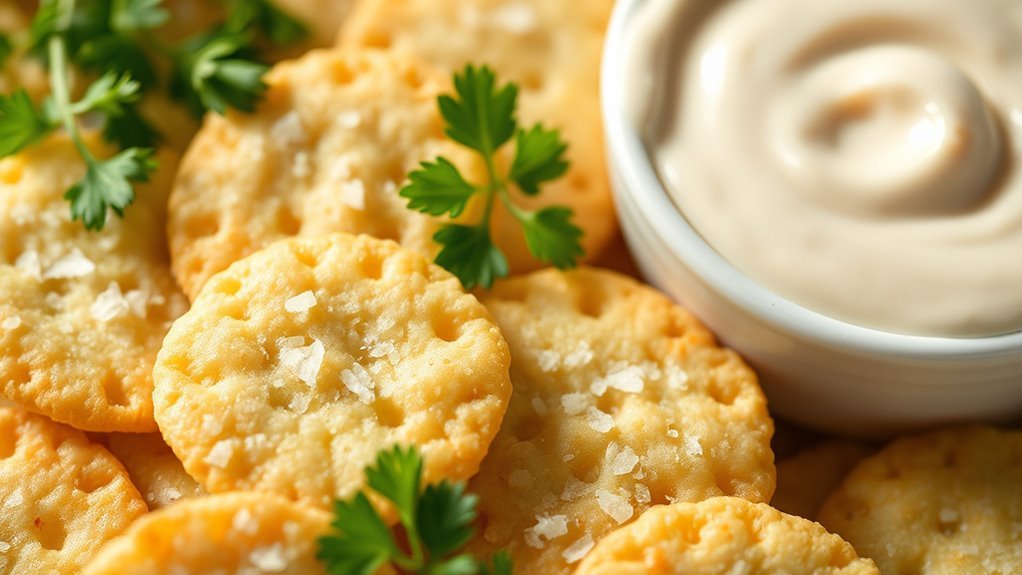
While rice crackers may seem like a light snack option, their carbohydrate content can considerably impact a keto diet. Different rice varieties contribute varying levels of carbohydrates, which can affect your daily intake. Here’s a breakdown to help you understand:
| Rice Variety | Carbs per 1 oz | Keto-Friendly? |
|---|---|---|
| White Rice | 15g | No |
| Brown Rice | 22g | No |
| Jasmine Rice | 16g | No |
When you’re looking for low-carb alternatives, it’s essential to be aware of these carbohydrate sources. Even a small serving of rice crackers can push you out of ketosis, so consider your options wisely.
Common Ingredients in Rice Crackers
Rice crackers often contain a mix of ingredients that can elevate their carbohydrate content, making them less suitable for a keto diet. Here are some common components you might find:
- Rice flour: The primary ingredient, often leading to higher carbs.
- Seasoning blends: These can add flavor but may also include sugars or starches.
- Vegetable oils: While they add crunch, they can also contribute to calorie counts.
- Preservatives: Often included to extend shelf life, these may contain additional carbs.
Understanding these ingredients is essential. If you’re aiming for a low-carb lifestyle, you’ll want to check labels carefully. Being informed helps you make choices that align with your dietary goals.
Alternatives to Rice Crackers for Keto
If you’re looking to maintain a keto-friendly diet, there are several alternatives to rice crackers that can satisfy your cravings without the high carbohydrate content. Consider options like cheese crisps, which are crunchy and flavorful, or vegetable chips made from kale or zucchini. These keto snack alternatives not only provide texture but also come packed with nutrients. You might also enjoy seaweed snacks, which are low in carbs and rich in minerals. Another great option is nut-based crackers, made from almond or coconut flour, offering a satisfying crunch with healthy fats. These low carb options can help you stay on track while enjoying a variety of flavors and textures in your diet.
How Rice Crackers Affect Ketosis
When considering rice crackers in your keto diet, it’s essential to analyze their carbohydrate content, as high carb intake can hinder ketosis. These snacks can potentially disrupt your state of ketosis, making it vital to evaluate their impact on your overall carb limits. If you’re looking for alternatives that align better with keto principles, there are several low-carb snack options available.
Carb Content Analysis
While many snack options can fit into a ketogenic diet, the carb content of rice crackers raises concerns for those aiming to maintain ketosis. It’s crucial to analyze both the carb quality and serving sizes to make informed choices. Here are four key points to reflect on:
- Net Carbs: Rice crackers can contain significant net carbs, often exceeding your daily allowance.
- Serving Sizes: A small serving can quickly lead to higher carb intake than anticipated.
- Ingredients: Check for added sugars or fillers that can further increase carb counts.
- Alternatives: Explore low-carb alternatives like nut-based crackers for better ketosis support.
Being mindful of these factors will help you make better snack choices while following a ketogenic lifestyle.
Impact on Ketosis
Although rice crackers might seem like a convenient snack choice, their potential impact on ketosis can be significant. When considering snack timing, consuming rice crackers may trigger ketosis effects that could disrupt your state of ketosis. Their high carbohydrate content can lead to increased glucose levels, hindering fat-burning processes.
| Snack Type | Carb Content (g) | Ketosis Effect |
|---|---|---|
| Rice Crackers | 30 | May disrupt ketosis |
| Almonds | 6 | Supports ketosis |
| Cheese | 1 | Supports ketosis |
If you’re committed to maintaining ketosis, it’s essential to assess your snack choices carefully. Alternative options like nuts or cheese can help you stay on track while satisfying your cravings.
Alternative Snack Options
Considering the carbohydrate-heavy nature of rice crackers, it’s important to explore alternative snack options that align better with a ketogenic diet. Here are some healthy swaps and low carb options that can keep you satisfied without derailing your ketosis:
- Nuts and Seeds: Almonds, walnuts, and chia seeds provide healthy fats and protein.
- Cheese Crisps: Crunchy and flavorful, these are low in carbs and high in calcium.
- Veggie Chips: Kale or zucchini chips offer a satisfying crunch with minimal carbs.
- Olives: Packed with healthy fats, olives are a great low-carb snack choice.
These alternatives not only support your ketogenic lifestyle but also provide variety, helping you enjoy your food freedom while maintaining ketosis.
Tips for Choosing Keto-Friendly Snacks
When you’re on a keto diet, choosing snacks can be challenging, but keeping a few key principles in mind can simplify the process. First, focus on low-carb options like nuts, cheese, and vegetables. These choices not only align with keto guidelines but also provide essential nutrients. In addition, practice snack portioning; it’s easy to overindulge, even with keto-friendly foods. Pre-portion your snacks to avoid temptation. Finally, prioritize label reading. Many snacks may seem keto-friendly but can contain hidden sugars or high carb counts. Always check the nutrition facts to confirm you’re making an informed choice. By following these tips, you can enjoy snacks without straying from your keto goals, giving you the freedom to indulge mindfully.
Incorporating Rice Crackers Mindfully
While rice crackers can be a tempting snack option, incorporating them into a keto diet requires careful consideration. To practice mindful snacking, keep these strategies in mind:
- Read Labels: Check for carb content and added sugars.
- Portion Control: Stick to a small serving size to avoid exceeding your carb limits.
- Pair Wisely: Combine rice crackers with high-fat dips like guacamole or cream cheese to maintain balance.
- Monitor Frequency: Limit how often you indulge in rice crackers to maintain your keto goals.
Popular Brands and Their Keto Compatibility
Choosing the right brand of rice crackers can greatly impact your keto journey. When considering popular brands, it’s important to check their ingredients and nutritional information. Many traditional rice crackers are high in carbs, making them less compatible with a keto lifestyle. Brands like Ka-Me and Rice Crackers by Lundberg offer options that may fit into your meal plan, but always verify the carb count. Some specialty brands even create low-carb alternatives specifically designed for keto dieters. Remember, the key is to focus on the net carbs per serving, ensuring they align with your daily limits. By making informed choices, you can enjoy snacks while staying true to your keto goals.
Frequently Asked Questions
Can I Make Homemade Keto-Friendly Rice Crackers?
Yes, you can make homemade keto-friendly rice crackers by using low-carb ingredients like almond flour or coconut flour instead of traditional rice. Combine these with seasonings and a binding agent like egg or cheese. You can use baking or dehydrating methods for cooking, ensuring they become crispy. Experimenting with different spices and flavors can enhance your crackers while keeping them keto-compliant. Enjoy the freedom to create snacks tailored to your dietary preferences!
Are There Gluten-Free Rice Cracker Options Available?
Yes, there are plenty of gluten-free rice cracker options available! Many popular rice cracker brands offer gluten-free alternatives made from brown rice or other gluten-free grains. You’ll find products labeled as gluten-free in most grocery stores, ensuring you can enjoy a crunchy snack without the worry of gluten. Just check the ingredient list to confirm their gluten-free status, and you’ll have plenty of tasty choices to satisfy your cravings!
How Do Rice Crackers Compare to Other Snack Options?
When you compare rice crackers to other snack options, it’s important to take into account their nutritional comparison. Rice crackers tend to be lower in calories but can be high in carbs, which might not suit everyone’s dietary needs. Alternative snacks like nuts or veggie sticks offer more protein and fiber, helping you feel fuller longer. Ultimately, it’s about finding a balance that fits your lifestyle and satisfies your cravings while aligning with your health goals.
Can I Eat Rice Crackers Occasionally on Keto?
Sure, savoring snacks sometimes can satisfy your cravings! If you’re considering rice crackers as a keto snack alternative, remember they’re typically higher in carbs, so moderation’s key. An occasional indulgence might fit into your overall carb count, but be mindful of portion sizes. Balancing your diet with low-carb options like nuts or cheese can help you stay on track while enjoying a variety of flavors. Always prioritize your personal health goals!
What Are the Best Brands for Low-Carb Rice Crackers?
When you’re looking for the best low-carb brands of rice crackers, focus on those with simple, wholesome ingredients. Brands like “Lundberg” and “Nutritional Yeast Crackers” often feature low-carb options that use alternative flours, like almond or coconut, instead of traditional rice. Always check the nutritional labels to confirm they align with your dietary goals, focusing on low net carbs and minimal additives. Enjoy the freedom of snacking smartly!
-
Are rice crackers keto-friendly?
-
Rice crackers are generally not considered keto-friendly due to their high carbohydrate content. The ketogenic diet typically restricts carbohydrate intake to about 20-50 grams per day to maintain a state of ketosis, and most rice crackers contain a significant amount of carbs. A single serving can contain around 20-30 grams of carbohydrates, which can quickly exceed the daily limit for someone on a keto diet.
-
What are the main ingredients in rice crackers?
-
Rice crackers are primarily made from rice flour, which is ground from either white or brown rice. Other common ingredients may include salt, seasonings, and sometimes sugar or sweeteners. The use of rice flour contributes to the high carbohydrate content, making them less suitable for a ketogenic diet.
-
Are there any low-carb alternatives to rice crackers?
-
Yes, there are several low-carb alternatives to rice crackers that can be enjoyed on a keto diet. Some popular options include cheese crisps, pork rinds, or seed-based crackers made from ingredients like almond flour, flaxseed, or coconut flour. These alternatives typically contain fewer carbohydrates and higher amounts of healthy fats, aligning better with keto dietary requirements.
-
Can I make my own keto-friendly crackers?
-
Absolutely! Making your own keto-friendly crackers is a great way to control ingredients and ensure they fit within your dietary needs. You can use almond flour, coconut flour, or flaxseed meal as a base. Combine these with spices, herbs, and a source of fat like olive oil or butter to create a tasty low-carb snack. There are many recipes available online that can guide you through the process.
-
What snacks can I enjoy on a keto diet instead of rice crackers?
-
On a keto diet, you can enjoy a variety of snacks that are low in carbohydrates and high in healthy fats. Some options include guacamole with veggie sticks, cheese slices or cheese balls, nuts and seeds (in moderation), hard-boiled eggs, and low-carb vegetables with dips like ranch or tzatziki. These alternatives provide satisfying flavors and textures while keeping you within your carbohydrate limits.
References
- https://www.ncbi.nlm.nih.gov/pmc/articles/PMC6379524/
- https://www.healthline.com/nutrition/keto-diet-101
- https://www.dietaryguidelines.gov/
- https://www.cdc.gov/healthyweight/healthy_eating/index.html
- https://www.webmd.com/diet/obesity/what-is-the-keto-diet
- https://www.mayoclinic.org/healthy-lifestyle/nutrition-and-healthy-eating/expert-answers/keto-diet/faq-20469351
- https://www.nutrition.gov/
- https://www.nutrition.org.uk/healthyliving/healthyeating/keto-diet.html

