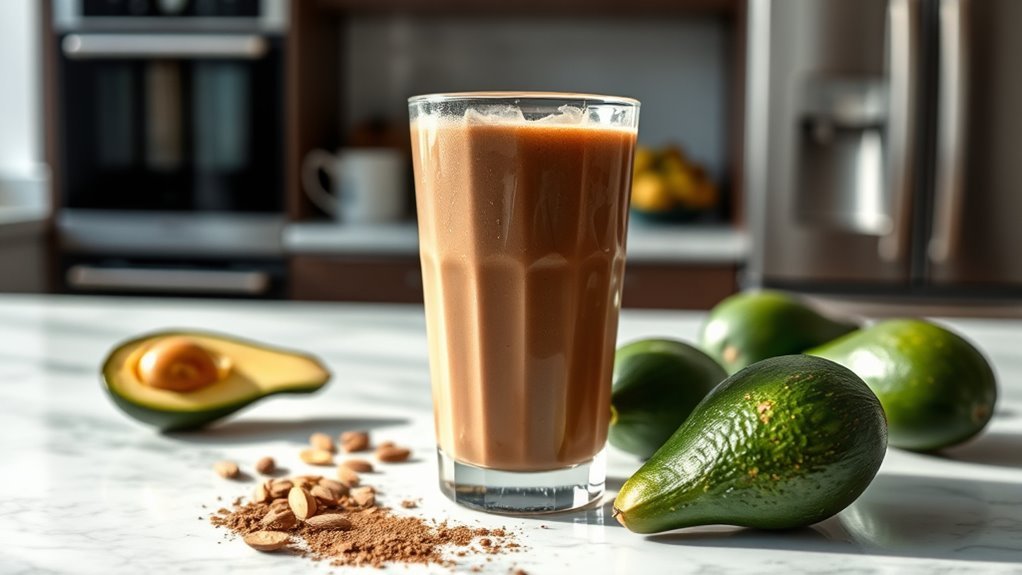

Yes, protein shakes can be keto-friendly if you choose the right ingredients. Look for low-carb options with minimal added sugars, such as whey, egg, or collagen protein. Beware of fillers and sweeteners that can interfere with ketosis. Aim for shakes with under 5 grams of total carbs per serving and consider using keto-compatible sweeteners like erythritol. A thoughtfully chosen protein shake can fit effortlessly into your keto lifestyle. There’s more to explore about maximizing your protein intake on keto.
Understanding the Ketogenic Diet

When you’re considering the ketogenic diet, it’s essential to understand its core principles and how it functions. At its heart, the ketogenic diet emphasizes a significant reduction in carbohydrates while increasing dietary fats. This shift prompts your body to enter a metabolic state called ketosis, where it burns fat for fuel instead of glucose. By prioritizing healthy fats—like avocados, nuts, and olive oil—you can fuel your body while potentially improving energy levels and mental clarity. It’s important to choose quality sources of dietary fats and monitor your macronutrient intake to maintain that delicate balance. Embracing these ketogenic principles can offer a liberating approach to eating, allowing you to explore new flavors and foods while pursuing your health goals. Additionally, understanding the role of carbohydrates in energy production can further enhance your success on this diet.
The Role of Protein in the Keto Diet
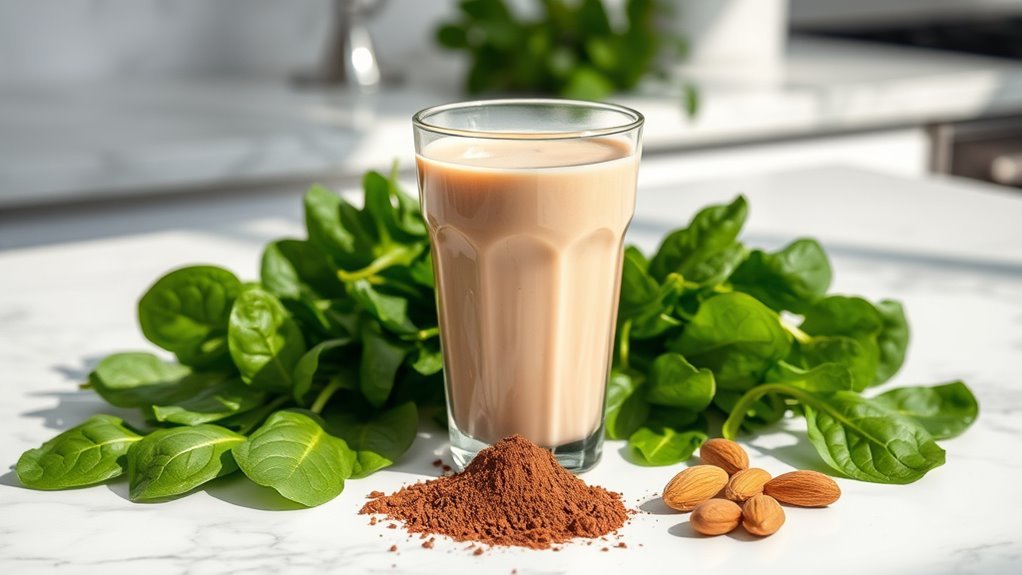
While fat takes center stage in the ketogenic diet, protein plays an essential supporting role that shouldn’t be overlooked. You need enough protein to maintain muscle mass and support overall bodily functions. However, not all proteins are created equal; protein quality matters. High-quality sources like grass-fed beef, wild-caught fish, and eggs provide essential amino acids, which your body requires for ideal health. Additionally, absorption rates can vary greatly between different protein sources. For instance, whey protein is absorbed quickly, making it ideal post-workout, while casein offers a slower release of amino acids. Balancing protein intake is important; too much can kick you out of ketosis, while too little can hinder muscle preservation. Enjoy that freedom by choosing wisely! Incorporating low-carb protein powders can help you meet your protein needs while staying within keto guidelines.
Common Ingredients in Protein Shakes
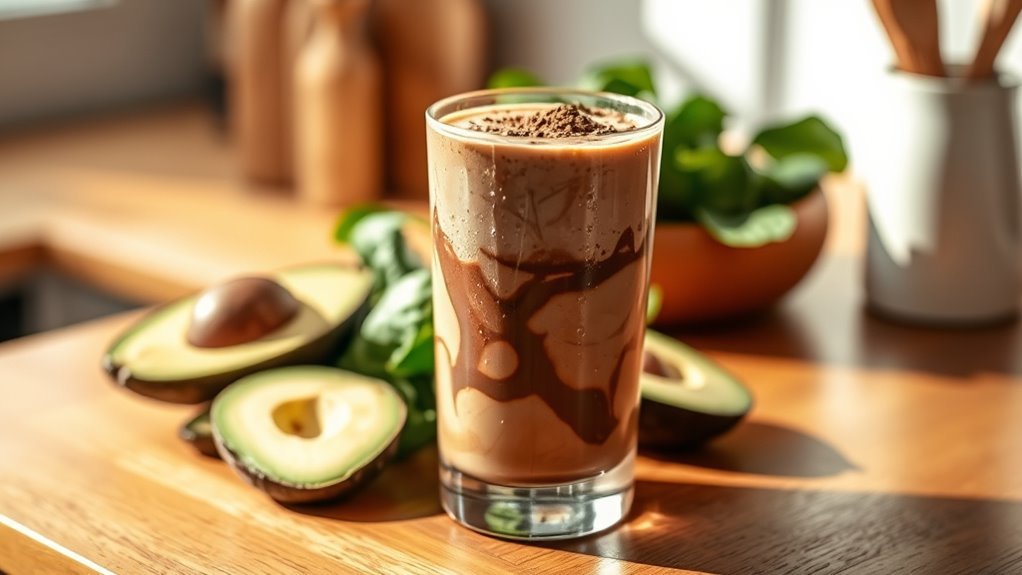
When you’re choosing a protein shake, it’s important to understand the common ingredients that can impact your keto diet. You’ll find various protein sources, sweeteners, and additives that can either align with or disrupt your nutritional goals. Knowing what to look for can help you make informed choices that support your health while keeping you in ketosis.
Protein Sources Overview
Protein shakes often incorporate a variety of ingredients to meet different dietary needs and preferences, especially for those following a keto diet. Understanding the protein sources can help you choose the right shake for your lifestyle. Here are some common ingredients:
- Whey Protein: Derived from milk, it’s a complete protein and ideal for muscle recovery.
- Plant-Based Proteins: Options like pea, hemp, and brown rice protein are great for those avoiding dairy.
- Egg White Protein: A low-carb option that’s rich in essential amino acids.
- Collagen Peptides: Not a complete protein but beneficial for skin and joint health. Including nutrient-dense options like natural peanut butter can enhance the overall nutritional profile of your shake.
Choosing the right protein source can make a significant difference in your keto journey.
Sweeteners and Carbs
Choosing the right sweeteners and managing carbohydrate content is essential for anyone on a keto diet looking to enjoy protein shakes. Natural sweeteners like stevia and erythritol can help you satisfy your sweet tooth without spiking your blood sugar. These options are low in carbs and often contain no calories, making them a good fit for your keto goals. On the other hand, artificial sweeteners, such as aspartame or sucralose, can also be used but may have mixed effects on gut health and insulin response. It’s important to read labels carefully, as some protein shakes contain added sugars that can derail your progress. By selecting the right sweeteners, you can enjoy your shakes while staying within your carb limits.
Additives and Fillers
While enjoying your protein shakes, it’s important to be aware of the additives and fillers that can be lurking in many commercial products. These ingredients may affect your health and your keto goals. Here are some common filler types to watch out for:
- Maltodextrin – A carbohydrate that can spike your insulin levels.
- Soy Protein Isolate – Often genetically modified and can cause digestive issues.
- Artificial Flavors – May contain hidden sugars and additives which raise additive concerns.
- Thickeners – Ingredients like xanthan gum can add unnecessary carbs.
Being informed about these fillers allows you to make healthier choices, supporting your keto lifestyle while enjoying your shakes. Always check labels and choose products that align with your dietary freedom.
Types of Protein Powders: Which Are Keto-Friendly?
How do you know which protein powders fit into a keto diet? It’s crucial to choose options low in carbs and high in protein. Here’s a quick guide to help you:
| Type of Protein | Keto-Friendly |
|---|---|
| Whey Protein | Yes |
| Casein Protein | Yes |
| Egg Protein | Yes |
| Collagen Peptides | Yes |
| Plant-Based Options | Varies (Check labels) |
Whey and casein proteins are derived from dairy and fit seamlessly into keto. Egg protein is another excellent choice. Collagen peptides support your skin and joints, too. While plant-based options can be lower in protein, always check the label to confirm they align with your keto goals. Additionally, be mindful of healthy fats in your protein shakes to maintain a balanced keto diet.
Carb Count: What to Look For in Protein Shakes
When evaluating protein shakes for a keto diet, what specific carb count should you aim for? Ideally, look for shakes with low-carb content to maintain ketosis. Here’s what to take into account:
- Total Carbs: Aim for under 5 grams of total carbs per serving.
- Net Carbs: Focus on net carbs, which subtract fiber and certain sugar alcohols from total carbs.
- Carb Sources: Check for quality carb sources; avoid shakes with added sugars or high-carb fillers.
- Protein Quality: Verify the protein quality is high, favoring whey isolate or plant-based blends that align with your dietary goals. Additionally, consider the recommended daily carb intake for a successful ketogenic journey to ensure you remain in ketosis.
Sugar Alcohols and Sweeteners: Are They Keto-Compatible?
When you’re on a keto diet, choosing the right sweeteners can greatly impact your progress. Not all sugar alcohols are created equal, and some may affect ketosis more than others. Let’s explore the types of sweeteners available, their effects on your body, and which sugar alcohols are recommended for a keto-friendly lifestyle.
Types of Sweeteners
Maneuvering the world of sweeteners can be tricky, especially if you’re following a keto diet. You’ve got options, and knowing which ones to choose is key to maintaining your lifestyle without sacrificing flavor. Here are some types of sweeteners you might consider:
- Natural Sweeteners: Stevia and monk fruit, both low in carbs and calories, can satisfy your sweet tooth without knocking you out of ketosis.
- Sugar Alcohols: Erythritol and xylitol are popular for their lower glycemic impact, but be mindful of portion sizes.
- Artificial Sweeteners: Aspartame and sucralose can be used, but some prefer to avoid them due to potential health concerns.
- Other Alternatives: Allulose is another newer option that’s gaining traction for its keto-friendliness.
When choosing sweeteners, consider their impact on ketosis to ensure you stay within your daily carb limits. Choose wisely and enjoy your protein shakes!
Impact on Ketosis
Choosing the right sweeteners for your protein shakes can considerably influence your state of ketosis. Some sweeteners, like sugar alcohols, can impact your ketosis duration, as they might have a minimal effect on blood sugar levels. However, not all sugar alcohols are created equal; some can cause gastrointestinal discomfort and affect protein absorption. It’s essential to monitor how different sweeteners affect your body and your ability to maintain ketosis. Opting for low-carb, keto-compatible sweeteners can help you enjoy your shakes without jeopardizing your goals. Keeping track of your body’s response is key, as this allows you to find a balance that supports both your dietary freedom and your ketosis journey. Additionally, being aware of the potential health concerns associated with certain sweeteners can help you make informed choices.
Recommended Sugar Alcohols
While traversing the world of sugar alcohols, it is important to know which options align best with a keto lifestyle. Here are four recommended sugar alcohols that can enhance your protein shakes:
- Erythritol: Low-calorie, with minimal impact on blood sugar levels.
- Xylitol: Offers dental benefits but may cause digestive discomfort in larger amounts.
- Maltitol: Sweeter but has a higher glycemic index, so use sparingly.
- Sorbitol: Good for sweetness but can also lead to digestive issues.
Sugar alcohols benefits include lower calorie counts and reduced sugar intake. However, sugar alcohols drawbacks involve potential digestive upset for some individuals. Exploring alternative sweeteners can help you enjoy your protein shakes without compromising your keto goals.
Homemade vs. Store-Bought Protein Shakes
When it comes to protein shakes, deciding between homemade and store-bought options can greatly impact your keto diet. Homemade shakes offer the freedom to control ingredients, allowing for tailored flavor variations and the ability to keep carbs low. You can experiment with different blending techniques, like adding avocado or nut butters for healthy fats. On the other hand, store-bought shakes are convenient but may contain hidden sugars and additives that could derail your keto goals. Always check the label to verify it aligns with your diet. Ultimately, both options have their place; it’s about what fits your lifestyle best while keeping you on track with your keto journey. Balancing convenience and nutritional quality is key. Additionally, being mindful of protein intake is essential for maintaining muscle mass and optimizing your diet on keto.
Timing Your Protein Intake on Keto
To maximize the benefits of your keto diet, timing your protein intake can play an essential role. Implementing effective timing strategies can enhance protein absorption, ensuring your body utilizes nutrients efficiently. Here are some key points to reflect on:
Maximizing your keto diet involves strategically timing your protein intake for optimal absorption and nutrient efficiency.
- Pre-Workout: Consuming protein before exercising can fuel your performance and recovery.
- Post-Workout: Aim to eat protein within 30 minutes after your workout to aid muscle repair.
- Spread It Out: Distribute your protein intake throughout the day to maintain steady amino acid levels.
- Evening Intake: Having protein-rich meals at night can support overnight muscle recovery. Additionally, incorporating low-carb sources is vital to ensure you stay within your daily carbohydrate limits while benefiting from protein shakes.
Tips for Incorporating Protein Shakes Into Your Keto Lifestyle
Incorporating protein shakes into your keto lifestyle can be an effective way to meet your protein needs while keeping your carbohydrate intake low. Start by choosing low-carb protein shake brands that align with your nutritional goals. Look for those with minimal added sugars and high-quality ingredients. Experiment with protein shake recipes that incorporate keto-friendly ingredients like almond milk, spinach, or nut butter to enhance flavor and nutrition. These shakes can also serve as meal replacements or post-workout recovery drinks. Keep an eye on your overall daily macros, ensuring your shakes fit within your carb limits. With a bit of creativity, you can enjoy delicious protein shakes while maintaining your keto freedom and supporting your weight loss journey.
Frequently Asked Questions
Can I Use Protein Shakes for Meal Replacements on Keto?
Yes, you can use protein shakes for meal replacements on keto! They offer meal replacement benefits, helping you stay within your carb limits while providing essential nutrients. Just make sure to choose low-carb protein shake recipes, focusing on high-quality protein sources like whey or pea protein. Adding healthy fats, such as avocado or coconut oil, can enhance flavor and keep you satisfied longer, giving you the freedom to enjoy delicious, nutritious meals on your keto journey.
Are Vegan Protein Shakes Suitable for a Ketogenic Diet?
“You are what you eat,” and when it comes to vegan protein shakes on a ketogenic diet, you need to choose wisely. While many vegan protein sources, like pea or hemp protein, can fit into your macros, some may contain higher carbs. Stick to low-carb protein shake recipes that emphasize these sources. Always check labels for hidden sugars, and you’ll find satisfying options that align with your keto goals while enjoying that freedom of choice.
How Often Should I Consume Protein Shakes on Keto?
You should aim for protein shakes about 1-2 times a day on keto, depending on your protein needs and overall diet. Timing is important; consuming a shake post-workout can help with muscle recovery. However, shake frequency should fit your lifestyle and preferences. Balance your protein intake with whole food sources for variety. Always listen to your body; if you’re feeling satisfied and energetic, you’re likely on the right track.
Do Protein Shakes Affect Ketosis Levels?
Yes, protein shakes can affect your ketosis levels, primarily based on the protein types and carbohydrate content. If you choose a low-carb protein powder, like whey isolate, you’re less likely to disrupt ketosis. However, some shakes have added sugars or high-carb ingredients that could push you out of ketosis. It’s essential to read labels and choose wisely to maintain your desired state without compromising your keto journey. Balance is key!
Can I Mix Protein Powder With Non-Dairy Milk on Keto?
You can definitely mix protein powder with non-dairy milk on keto! Think of it as a match made in nutritional heaven. Many milk alternatives, like almond or coconut milk, are low in carbs and can enhance the nutritional value of your shake without kicking you out of ketosis. Just check the labels to guarantee they’re unsweetened. Enjoy the freedom of customizing your shakes while sticking to your keto goals!
Frequently Asked Questions about Protein Shakes and Keto
1. Are all protein shakes keto-friendly?
Not all protein shakes are keto-friendly. Many commercial protein shakes contain added sugars or carbohydrates that can exceed the daily carb limit for a ketogenic diet. To ensure a protein shake is keto-friendly, look for those with low or no added sugars, and check the nutritional label for total carbohydrate content. Ideal options include shakes made with whey protein isolate, casein, or plant-based proteins that are low in carbs.
2. What ingredients should I avoid in protein shakes on a keto diet?
When on a keto diet, avoid protein shakes that contain high amounts of sugar, maltodextrin, or other carbohydrate-rich fillers. Ingredients like fruit juices, syrups, or artificial sweeteners that have a high glycemic index should also be avoided, as they can kick you out of ketosis. Instead, opt for shakes that use natural sweeteners like stevia or erythritol, and ensure the shake is made with keto-friendly protein sources.
3. Can I make my own keto-friendly protein shake?
Yes, making your own keto-friendly protein shake is a great option! You can control the ingredients to ensure they align with your dietary needs. A simple recipe could include unsweetened almond milk, a scoop of low-carb protein powder, a tablespoon of nut butter, and a few ice cubes. You can also add keto-friendly ingredients like spinach, avocado, or chia seeds for extra nutrients without adding many carbs.
4. How many carbs should a protein shake have to be considered keto-friendly?
For a protein shake to be considered keto-friendly, it should typically contain less than 5 grams of net carbs per serving. This is important as a standard ketogenic diet usually limits daily carbohydrate intake to about 20-50 grams. Always check the nutrition label for total carbohydrates and dietary fiber to calculate the net carbs, which is the total carbs minus fiber.
5. Are protein shakes a good meal replacement on a keto diet?
Protein shakes can be a good meal replacement on a keto diet if they are balanced with healthy fats and low in carbohydrates. To make a protein shake a complete meal, consider adding sources of healthy fats such as coconut oil, avocado, or heavy cream. However, it’s important to ensure that the shake provides adequate nutrition and that you are not relying solely on shakes for your daily meals to maintain a balanced diet.
References
- https://www.healthline.com/nutrition/protein-shakes-keto-friendly
- https://www.medicalnewstoday.com/articles/325122
- https://www.ncbi.nlm.nih.gov/pmc/articles/PMC6337501/
- https://www.webmd.com/diet/obesity/what-is-the-keto-diet
- https://www.mayoclinic.org/healthy-lifestyle/nutrition-and-healthy-eating/expert-answers/protein-shakes/faq-20057962
- https://www.ketogenic.com/what-is-the-keto-diet/
- https://www.usda.gov/topics/nutrition-education-resources/food-nutrition-education
- https://www.hsph.harvard.edu/nutritionsource/protein/
- https://www.nutrition.gov/
- https://www.cdc.gov/healthyweight/healthy_eating/protein.html