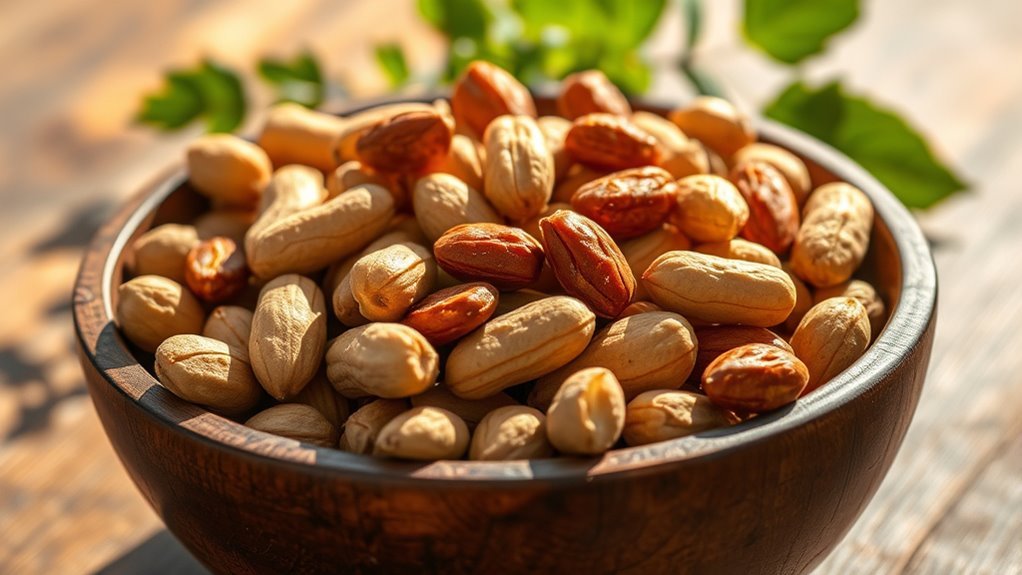

Peanuts can definitely fit into your keto diet, thanks to their moderate fat content and relatively low net carbohydrates. They contain healthy fats, protein, and fiber, which can support your nutrition and satiety. However, it’s important to control your portion sizes, as overindulgence can affect your carb intake. Peanuts are versatile, so you can incorporate them into various meals and snacks. If you’re curious about how to make the most of peanuts on keto, there’s more to explore.
Nutritional Profile of Peanuts
When you consider incorporating peanuts into your keto diet, it’s vital to understand their nutritional profile. Peanuts, belonging to different peanut varieties, offer a unique blend of nutrients. They’re rich in healthy fats, protein, and essential vitamins, making them a valuable addition to your meals. In a nutritional comparison, peanuts stand out with about 24 grams of protein per 100 grams and a favorable fat profile, primarily consisting of monounsaturated and polyunsaturated fats. They also provide fiber, which aids digestion and can help you feel full. However, keep in mind that while they’re nutritious, moderation is key due to their calorie density. Additionally, peanuts contain healthy fats that can be beneficial for maintaining energy levels and supporting heart health. Balancing your intake is essential to align with your keto goals and maintain dietary freedom.
Carbohydrate Content in Peanuts
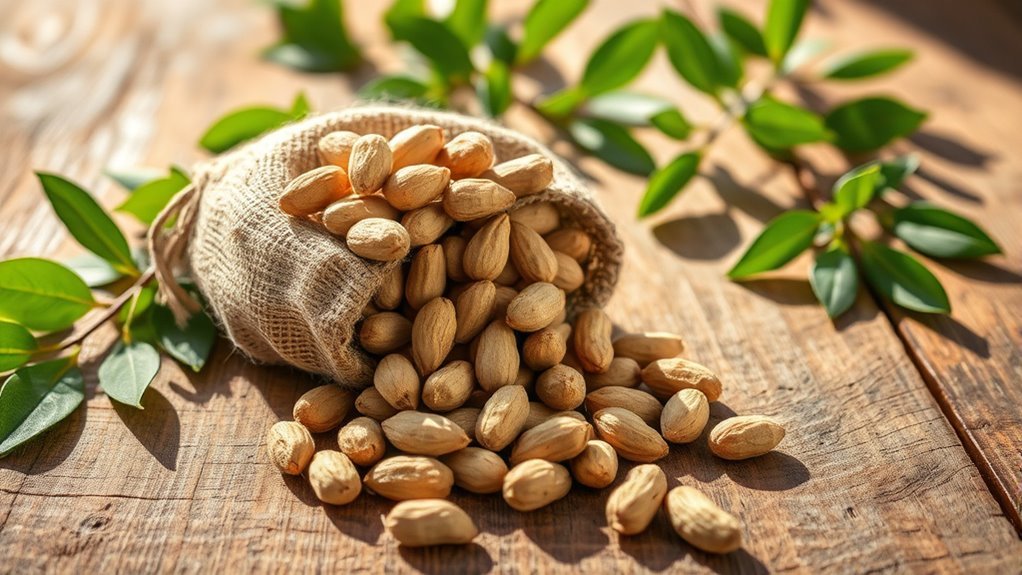
When considering peanuts on a keto diet, it’s crucial to examine their carbohydrate content closely. You’ll find that while peanuts do contain carbs, their high fiber contribution considerably lowers their net carb count. This means that the serving size you choose can greatly impact how they fit into your daily carb allowance. Additionally, peanuts have a low glycemic index which minimizes blood sugar spikes, making them a favorable option for those managing their carbohydrate intake.
Net Carbs Analysis
Although peanuts are often considered a healthy snack, their carbohydrate content is essential to evaluate, especially for those following a keto diet. To make informed choices, you can look at the net carbs estimation, which is critical for keto diet considerations.
Here’s a quick breakdown:
| Serving Size | Total Carbs (g) | Net Carbs (g) |
|---|---|---|
| 1 oz (28g) | 6.1 | 4.9 |
| 2 oz (56g) | 12.2 | 9.8 |
| 1 cup | 28.9 | 20.6 |
| 100g | 16.1 | 9.9 |
| 1 tbsp | 2.9 | 1.9 |
Understanding these figures helps you navigate your peanut consumption while maintaining keto flexibility. However, it’s important to remember that peanuts can affect insulin response, which is crucial for achieving and maintaining ketosis.
Fiber Contribution
Peanuts not only provide a tasty snack but also contribute considerably to your fiber intake, which is essential for digestive health. By incorporating peanuts into your diet, you can enhance your fiber sources while staying within keto guidelines.
Here are some benefits of the fiber in peanuts:
- Promotes regular bowel movements
- Helps maintain a healthy gut microbiome
- Aids in weight management by increasing satiety
- Supports heart health through cholesterol regulation
Additionally, peanuts offer healthy fats that align well with the goals of the ketogenic diet. With their impressive fiber content, peanuts can be a valuable part of your keto diet. Enjoying them as a snack or adding them to dishes can help you achieve your daily fiber goals, ultimately supporting your overall health and well-being.
Serving Size Impact
Understanding the serving size of peanuts is essential for managing carbohydrate intake on a keto diet. When you analyze the impact of serving size, it becomes clear that moderation is key. A typical serving of peanuts is about 1 ounce (28 grams), containing roughly 6 grams of carbohydrates. If you exceed this serving size, those carbs can add up quickly, potentially disrupting your ketogenic goals.
To maintain your desired macronutrient balance, be mindful of how peanuts fit into your overall daily carb allowance. It’s also important to remember that the nutritional profile can vary by brand and preparation method. By conducting an impact analysis of your peanut intake, you can enjoy these tasty snacks while staying aligned with your keto lifestyle. Additionally, the nutritional breakdown of common nuts shows that some nuts have significantly lower carb content, making them more suitable for a ketogenic diet.
Peanuts vs. Other Nuts on Keto
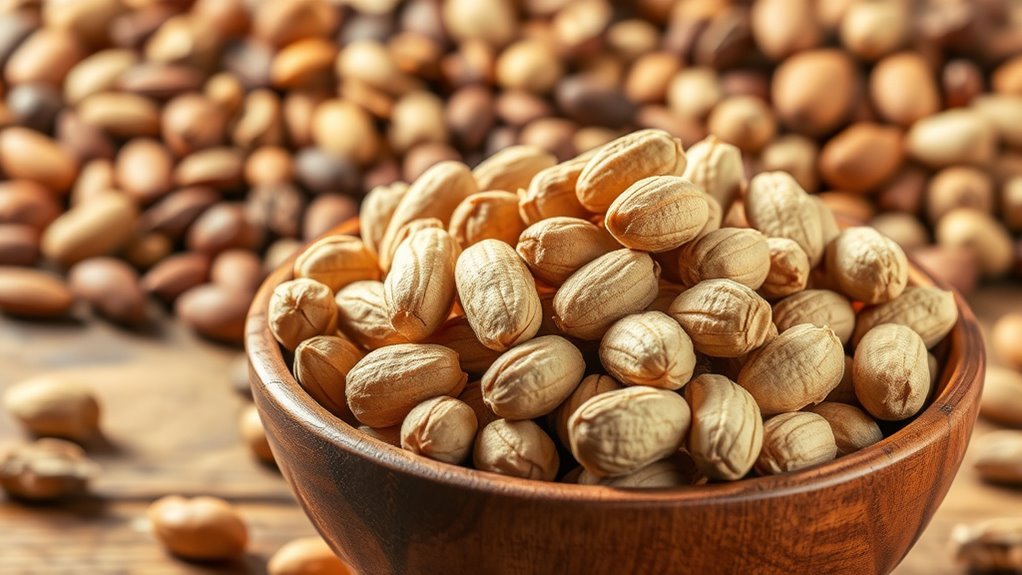
When comparing peanuts to other nuts on a keto diet, it’s important to reflect on their unique nutritional profiles. While peanuts are technically legumes, they offer a decent amount of protein and healthy fats. Here are some key nut comparisons to ponder:
Peanuts, though legumes, provide a solid source of protein and healthy fats, making them a notable choice for keto.
- Carbohydrates: Peanuts generally have lower net carbs compared to cashews but are higher than almonds and macadamias.
- Fat Content: Peanut varieties tend to have a balanced fat profile, but walnuts and pecans are richer in omega-3 fatty acids.
- Protein: Peanuts are protein-dense, making them a great choice if you’re looking to up your intake.
- Micronutrients: Each nut brings different vitamins and minerals; peanuts are high in niacin, while almonds offer more vitamin E. Macadamia nuts, in contrast, have a high fat content that makes them particularly suitable for keto diets.
Choosing the right nut can enhance your keto journey!
Health Benefits of Peanuts
Peanuts are packed with essential nutrients, making them a great addition to your diet. They can support heart health by improving cholesterol levels and may even aid in weight management due to their protein and fiber content. Understanding these benefits can help you make informed choices about incorporating peanuts into your keto plan.
Nutrient-Rich Profile
With their rich nutrient profile, peanuts offer a variety of health benefits that can complement a keto diet. They’re packed with nutrient density and provide essential vitamins, making them a great snack choice. Here are some of the key benefits you can enjoy:
- High in Protein: Supports muscle maintenance and growth.
- Rich in Healthy Fats: Provides monounsaturated fats that are beneficial for overall health.
- Vitamins and Minerals: Includes vitamin E, magnesium, and potassium, which are vital for bodily functions.
- Antioxidants: Contains resveratrol and other antioxidants that can help reduce inflammation.
Incorporating peanuts into your diet can enhance your nutrient intake while keeping your keto goals in check. Additionally, their moderate carb content allows for mindful snacking without compromising your health!
Heart Health Benefits
Although many snacks are high in calories and low in nutrients, incorporating peanuts into your diet can actually support heart health. Peanuts are rich in monounsaturated fats, which can help lower bad cholesterol levels and reduce the risk of heart disease. Additionally, peanut oil, extracted from these legumes, is a heart-healthy alternative to saturated fats, making it a smart choice for cooking. Research shows that regular consumption of peanuts may lead to improved cardiovascular health, thanks to their antioxidant properties and high fiber content. By choosing peanuts as a snack, you’re not just indulging in a tasty treat, but also taking a step toward better heart health. Enjoying them in moderation can be a satisfying addition to your keto lifestyle. Moreover, the fatty acid composition of peanut oil includes beneficial monounsaturated fats that can enhance your overall health.
Weight Management Support
When you’re looking to manage your weight effectively, incorporating peanuts into your diet can be a smart choice. They’re nutrient-dense, which means you can enjoy their flavors without derailing your caloric balance. Here’s how peanuts can support your weight loss efforts:
- High in protein, they help keep you full longer.
- Rich in healthy fats, they can curb cravings.
- They contain fiber, promoting digestive health.
- Their low glycemic index can stabilize blood sugar levels.
Potential Drawbacks of Peanuts
While peanuts can be a tasty addition to a keto diet, they do come with potential drawbacks that you should consider. Allergy concerns are significant; peanuts are one of the most common allergens, and a reaction can be severe. If you have a history of allergies, you’ll want to avoid them altogether. Additionally, peanuts can cause digestive issues for some people, particularly those sensitive to FODMAPs or with existing gastrointestinal conditions. These issues can lead to discomfort, bloating, or gas. It’s essential to listen to your body. Before fully incorporating peanuts into your diet, consider these potential drawbacks and consult with a healthcare professional if you have any concerns about allergies or digestion. Your health and comfort should always come first.
Portion Control and Serving Sizes
When incorporating peanuts into your keto diet, it’s essential to be mindful of portion sizes. A recommended serving size is typically about one ounce, which provides a balance of healthy fats and protein without excessive carbs. Understanding the nutritional impact of each serving can help you stay within your dietary goals while enjoying these tasty nuts.
Recommended Serving Size
A typical serving size of peanuts is about one ounce, which equals roughly 28 grams or a small handful. Sticking to the recommended serving size is essential for effective portion control, especially on a keto diet. Here are some tips to help you manage your peanut intake:
- Measure out one ounce to avoid overindulging
- Pair peanuts with low-carb veggies for a balanced snack
- Consider using peanuts as an ingredient rather than a standalone snack
- Track your intake to stay within your daily carb limits
Additionally, be mindful of the carbohydrate content in peanuts, as they can add up quickly if consumed in large quantities.
Nutritional Impact per Serving
Peanuts pack a nutritional punch in just one ounce, providing a rich source of healthy fats, protein, and essential nutrients. When considering portion control, it’s important to be mindful of your dietary considerations, especially if you have peanut allergies. Here’s a quick look at the nutritional impact per serving:
| Nutrient | Amount per Serving | % Daily Value |
|---|---|---|
| Calories | 166 | 8% |
| Protein | 7g | 14% |
| Healthy Fats | 14g | 22% |
In moderation, peanuts can be a satisfying snack that aligns with your keto goals. Always consult with a healthcare provider if you have concerns about allergies or specific dietary needs.
How to Incorporate Peanuts Into Your Keto Diet
Although incorporating peanuts into your keto diet may seem challenging due to their carbohydrate content, they can actually be a beneficial addition when consumed in moderation. Here are some tasty ways to enjoy peanuts while staying on track:
- Use peanuts as a crunchy topping for salads or low-carb dishes.
- Create peanut recipes like spicy roasted peanuts for a flavorful snack.
- Mix peanuts into trail mixes with other keto-friendly nuts and seeds.
- Enjoy them as a quick source of energy by grabbing a handful when you’re on the go. Additionally, it’s important to practice portion control to maintain your daily carb limits and prevent excessive calorie intake.
Peanut Butter: A Keto-Friendly Alternative?
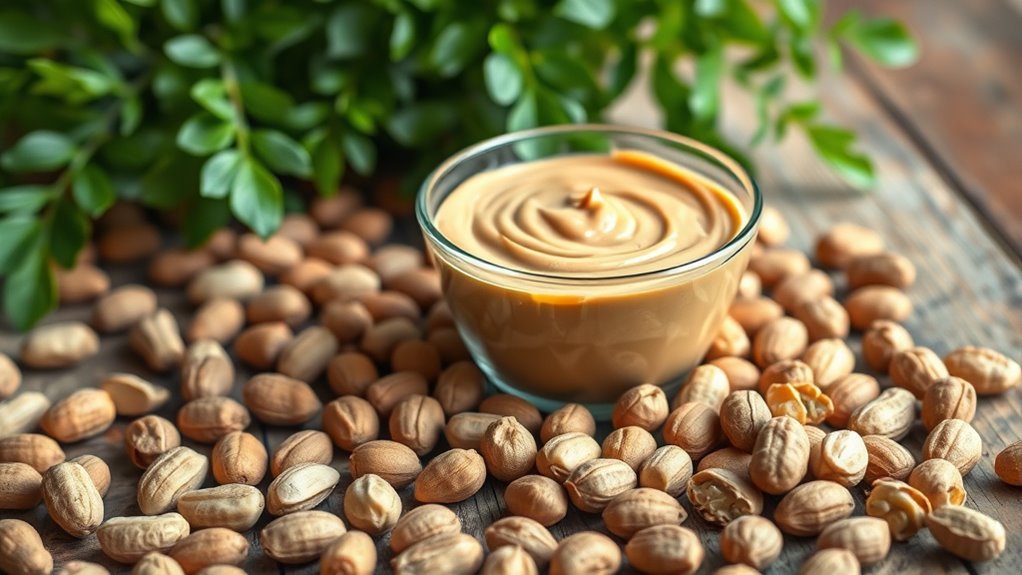
Could peanut butter be the perfect keto-friendly treat? Absolutely! It’s low in carbs and high in healthy fats, making it an excellent option for those following a ketogenic lifestyle. However, not all peanut butter is created equal. Choose natural varieties without added sugars or hydrogenated oils to maximize benefits.
Here’s a quick comparison of peanut butter and some popular keto alternatives:
| Nut Butter | Carbs (g) | Healthy Fats (g) |
|---|---|---|
| Peanut Butter | 6 | 16 |
| Almond Butter | 6 | 14 |
| Cashew Butter | 9 | 12 |
| Sunflower Seed Butter | 7 | 14 |
| Hazelnut Butter | 7 | 17 |
Embrace peanut butter as a delicious and satisfying keto alternative!
Recipes Featuring Peanuts for Keto Snacking
Incorporating peanuts into your keto snacking routine can open up a world of delicious possibilities. With their low-carb content and rich flavor, you can enjoy a variety of satisfying treats. Here are some recipes to take into account:
- Peanut Butter Cookies: Combine almond flour, peanut butter, and a sugar substitute for a quick and tasty treat.
- Spicy Peanut Snack: Toss peanuts with cayenne pepper and garlic powder, then roast them for a crunchy kick.
- Peanut Butter Fat Bombs: Blend coconut oil, peanut butter, and cocoa powder for a rich, energy-boosting snack.
- Chocolate-Covered Peanuts: Dip peanuts in low-carb dark chocolate for a sweet indulgence.
These recipes not only satisfy cravings but also fit seamlessly into your ketogenic lifestyle. Enjoy the freedom to snack wisely!
Final Thoughts on Peanuts in a Ketogenic Lifestyle
Peanuts can be a valuable addition to your ketogenic lifestyle, as they offer a combination of healthy fats, protein, and essential nutrients. With various peanut varieties available, including raw, roasted, and even flavored options, you can easily find keto snacks that satisfy your cravings. Just be mindful of portion sizes, as they still contain carbohydrates. Incorporating peanuts into your diet can provide a satisfying crunch while keeping your macros in check. Additionally, they’re rich in antioxidants and vitamins, supporting overall health. Whether you’re munching on peanut butter or enjoying them in trail mixes, peanuts can enhance your keto journey while offering the freedom to indulge in delicious treats. So go ahead, enjoy those peanuts!
Frequently Asked Questions
Can I Eat Roasted Peanuts on a Keto Diet?
Yes, you can eat roasted peanuts on a keto diet, but portion control is key. They offer nutritional benefits like healthy fats, protein, and fiber, which can help keep you satisfied. However, their carb content can add up quickly, so it’s important to measure your servings. Enjoying them in moderation allows you to maintain your keto goals while still indulging in a tasty snack that fits your lifestyle.
Are Flavored Peanuts Suitable for Keto?
Flavored peanuts can be tricky on a keto diet. While they may taste great, you need to check their nutritional content closely. Many flavored varieties add sugars or carbs that could disrupt your ketosis. If you choose flavored peanuts, opt for those with minimal additives and low net carbs. Always read labels to make certain you’re not unintentionally consuming too many carbs, allowing you to enjoy your snacks without guilt while staying on track.
How Do Peanuts Affect Ketosis?
Peanuts can be your trusty ship in the sea of ketosis, guiding you through the waves of peanut nutrition. They’re low in carbs and high in healthy fats, which helps maintain ketosis. However, moderation’s key; overindulging can lead you off course. Their protein and fiber content can support satiety, but always monitor your intake to keep your ketosis impact in check. With balance, you can enjoy peanuts on your keto journey!
Can Peanut Allergies Impact Keto Choices?
Yes, peanut allergies can definitely impact your keto choices. If you’re allergic, it’s essential to avoid peanuts entirely, which means you’ll need to find keto alternatives for snacks and meals. Consider options like almonds, macadamia nuts, or sunflower seeds, which can fit into your diet without the risk of an allergic reaction. By exploring these alternatives, you can maintain your keto lifestyle while ensuring your safety and enjoying your food freedom.
Are Peanut Oils Keto-Friendly?
Yes, peanut oil can be keto-friendly, as it contains about 120 calories and 14 grams of fat per tablespoon. One interesting statistic is that peanut oil is about 50% monounsaturated fat, which promotes heart health. While it offers benefits like high smoke points for cooking, consider peanut oil alternatives such as olive or avocado oil for added flavor and health benefits. Ultimately, it’s about choosing what fits your diet and lifestyle best.
References
- https://www.healthline.com/nutrition/peanuts-keto
- https://www.medicalnewstoday.com/articles/324177
- https://www.ncbi.nlm.nih.gov/pmc/articles/PMC5430520/
- https://www.webmd.com/diet/ss/slideshow-keto-diet-foods
- https://www.dietitians.ca/Downloads/Public/Peanuts-and-the-Keto-Diet.aspx
- https://www.mayoclinic.org/healthy-lifestyle/nutrition-and-healthy-eating/expert-answers/peanuts/faq-20058024
- https://www.bbcgoodfood.com/howto/guide/what-keto-diet
- https://www.nutrition.gov/topics/nutrition-101/nutrition-basics/what-ketogenic-diet
- https://www.eatright.org/health/wellness/healthy-aging/what-is-the-keto-diet