

Peanuts can be a suitable option for those following a ketogenic diet, as they are low in carbohydrates and high in healthy fats. However, moderation is key due to their calorie density and potential effects on individual carb limits. In this article, we will explore the nutritional profile of peanuts, their benefits and drawbacks on a keto diet, and how to incorporate them wisely into your meal plans.
Nutritional Profile of Peanuts
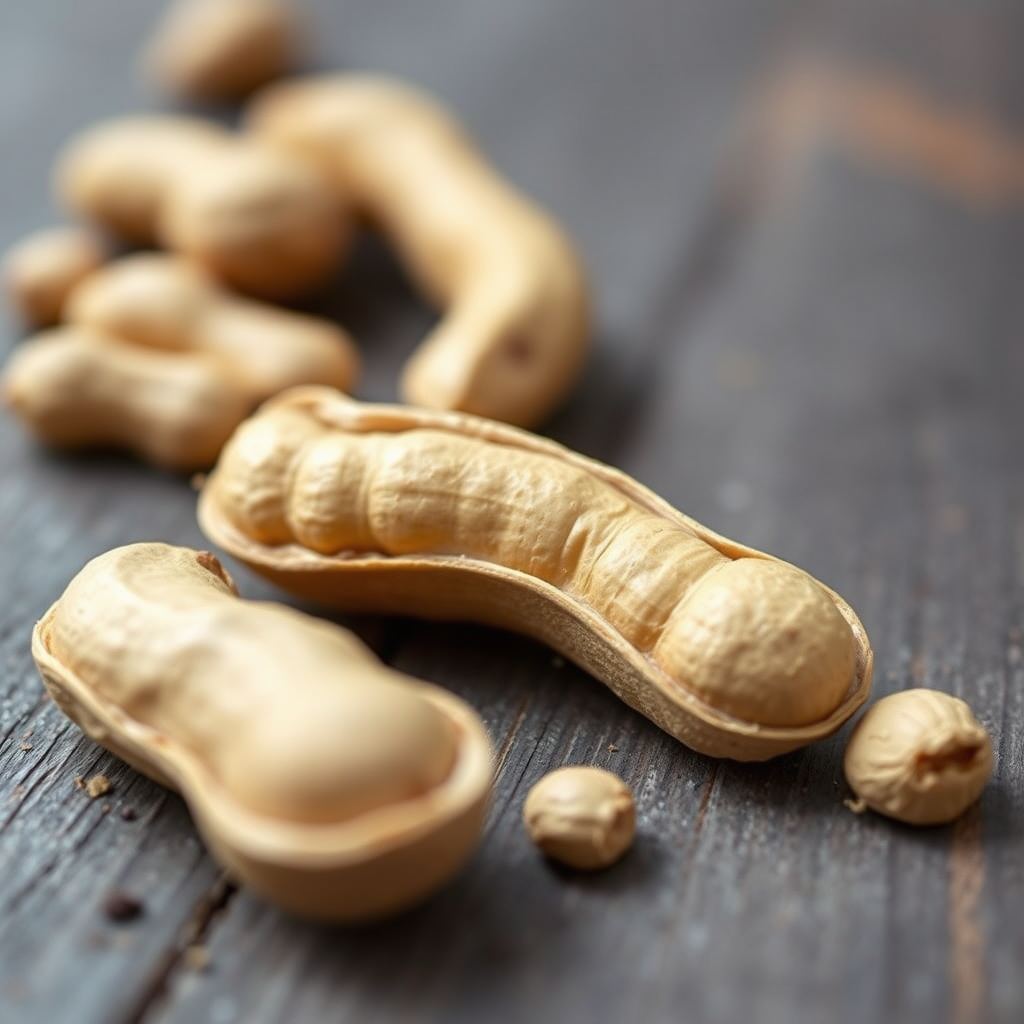
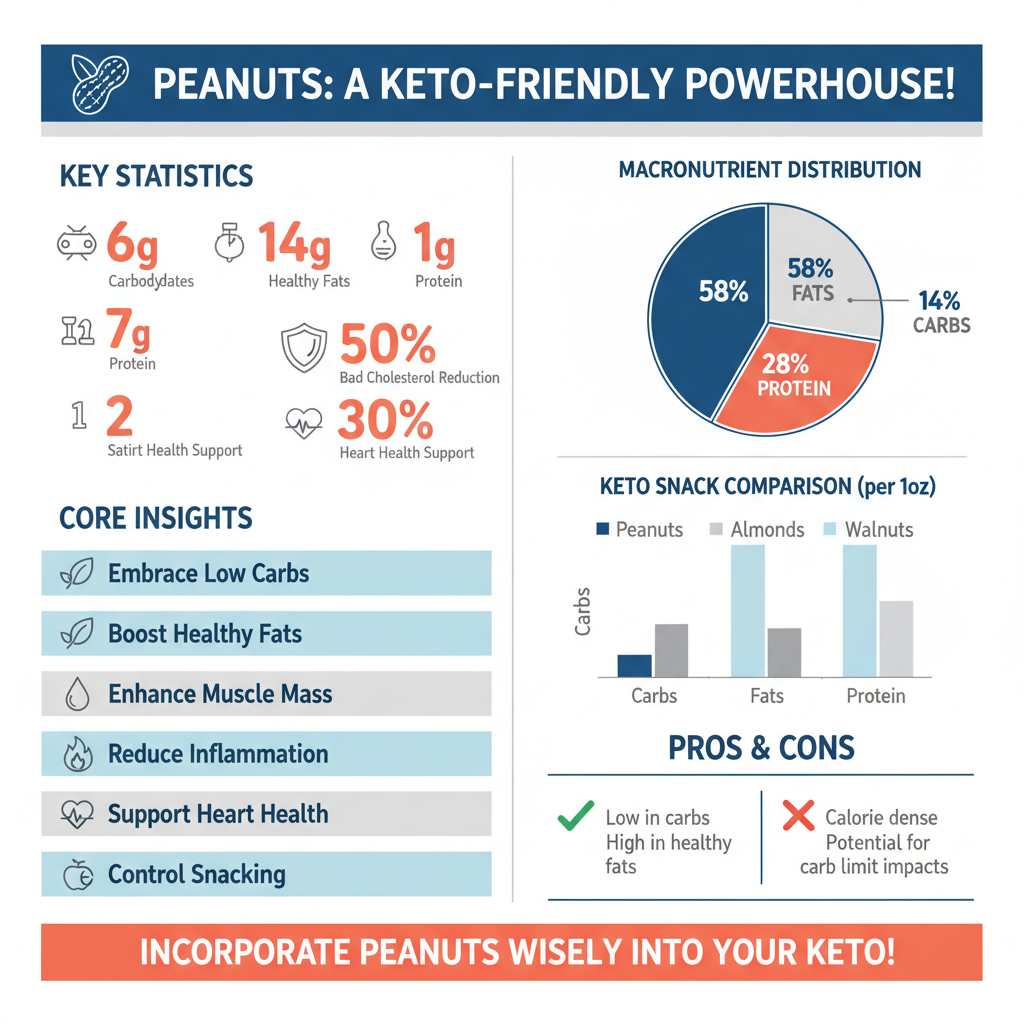
Peanuts are often classified as legumes, but they share many nutritional characteristics with nuts, making them a popular choice among those on a keto diet. An ounce of peanuts contains about 6 grams of carbohydrates, which is relatively low compared to many other snack options. This makes them an appealing choice for those seeking to limit their carb intake.
In terms of fat content, peanuts are rich, containing approximately 14 grams of healthy fats per ounce. This aligns well with the ketogenic principle of high fat intake, as fats are the primary source of energy on this diet. Additionally, peanuts are a good source of protein, providing around 7 grams per ounce. This protein content can help individuals maintain muscle mass, especially important for those who are active or engaging in strength training.
Peanuts also pack a variety of essential vitamins and minerals, including vitamin E, magnesium, folate, and potassium. These nutrients contribute to overall health and can support bodily functions essential for those on a ketogenic diet, such as maintaining energy levels and promoting heart health.
Health Benefits of Peanuts
Incorporating peanuts into your ketogenic diet can offer several health benefits. One significant advantage is their high antioxidant content. Antioxidants such as resveratrol and flavonoids found in peanuts can help reduce inflammation in the body, which is crucial for maintaining overall health and preventing chronic diseases.
Moreover, peanuts are rich in monounsaturated fats, which are known to support cardiovascular health. These fats can help lower bad cholesterol levels (LDL) while increasing good cholesterol (HDL), thus reducing the risk of heart disease. This is particularly beneficial for individuals on a ketogenic diet, as they may be concerned about their cholesterol levels due to the high-fat nature of their dietary choices.
The protein content in peanuts can also aid in promoting satiety, helping individuals feel full longer. This can be particularly advantageous for those trying to manage their weight, as it may reduce the likelihood of unhealthy snacking between meals.
Potential Drawbacks for Keto
While peanuts have numerous benefits, there are potential drawbacks to consider within the context of a ketogenic diet. One of the primary concerns is their calorie density. Peanuts are relatively high in calories; an ounce contains around 160 calories. This can add up quickly, especially if consumed in large quantities, potentially hindering weight loss efforts.
Additionally, some individuals may experience digestive issues or allergies related to peanuts. Symptoms can range from mild discomfort to severe allergic reactions, making it crucial for those with known sensitivities to avoid peanuts altogether. Furthermore, while peanuts are low in carbs, their carbohydrate content can accumulate if not monitored alongside other food intake, potentially exceeding individual carb limits.
Lastly, peanuts often undergo processing, leading to added ingredients such as sugars or unhealthy oils. It’s essential to choose natural or minimally processed options to stay aligned with keto principles.
How to Incorporate Peanuts into a Keto Diet
Incorporating peanuts into a ketogenic diet requires a mindful approach. One effective strategy is to choose unsalted or lightly salted peanuts to avoid excess sodium, which can lead to water retention and other health issues.
Peanut butter can also be a great addition to your diet, but it’s crucial to select varieties that contain no added sugars or unhealthy oils. Natural peanut butter, made from just peanuts and possibly a little salt, can be used as a spread on low-carb bread or incorporated into smoothies for added flavor and nutrition.
For a satisfying snack, pair peanuts with low-carb foods. For instance, combining peanuts with cheese can create a delicious and filling snack that aligns with keto guidelines. Alternatively, dark chocolate with a high cocoa content (85% or more) can complement peanuts beautifully, providing a tasty treat without excessive carbs.
Alternatives to Peanuts on Keto
For those who may want to diversify their nut intake or avoid peanuts altogether, there are several excellent alternatives on a ketogenic diet. Almonds, for example, are low in carbs and high in healthy fats and fiber, making them a great choice. Macadamia nuts are another fantastic option; they are particularly low in carbs and high in monounsaturated fats, which support heart health.
Seeds also provide a great alternative; pumpkin seeds and sunflower seeds are both low in carbohydrates and can be enjoyed as snacks or added to salads for a crunchy texture. Nut butters made from these alternatives can also offer a variety of flavors and nutrients, allowing for versatility in meals and snacks.
Best Practices for Portion Control
To enjoy peanuts and their health benefits without overindulging, practicing portion control is essential. A typical serving is about one ounce, which is roughly a handful of peanuts. Measuring servings can help avoid overeating, which is a common pitfall for those who enjoy snacking.
Keeping a food diary can also be an effective strategy. Tracking peanut consumption alongside overall carb intake can help individuals stay within their dietary limits and maintain their keto goals. Balancing peanut intake with other keto-friendly foods is equally important, ensuring that meals are well-rounded and nutrient-dense.
In summary, peanuts can fit into a ketogenic diet if consumed in moderation due to their low carb and high fat content. Being mindful of portion sizes and incorporating them thoughtfully can help you enjoy their benefits while staying on track with your keto goals. For more tips on maintaining a keto diet, check out our other resources!
Frequently Asked Questions
Are peanuts low in carbs and suitable for a keto diet?
Yes, peanuts are relatively low in carbohydrates, making them suitable for a ketogenic diet. A one-ounce serving of peanuts contains approximately 6 grams of carbs, with about 4 grams of fiber, resulting in a net carb count of around 2 grams. This low net carb content aligns well with the keto diet’s requirement to limit carbohydrate intake to achieve and maintain ketosis.
How many peanuts can I eat on a keto diet without exceeding my carb limit?
The amount of peanuts you can consume on a keto diet largely depends on your daily carb limit, which is typically between 20 to 50 grams for most keto followers. If you aim for a strict limit of 20 grams of net carbs, you can enjoy approximately 3 to 4 servings of peanuts (about 1 ounce each) per day, while still allowing for other low-carb foods in your diet. It’s essential to track your overall carb intake from all sources to stay within your desired range.
Why are peanuts considered a good snack for keto dieters?
Peanuts are considered a good snack for keto dieters because they are high in healthy fats, protein, and fiber, which can help promote satiety and reduce hunger. Additionally, they contain essential vitamins and minerals, such as vitamin E, magnesium, and potassium. Their nutrient density, combined with low net carbs, makes them a convenient and satisfying option for those following a ketogenic lifestyle.
Which peanut products are best for a keto diet?
When following a keto diet, the best peanut products are those that are minimally processed and free from added sugars or unhealthy oils. Opt for natural peanut butter that contains only peanuts and salt, or choose unsalted roasted peanuts. Avoid flavored or sweetened varieties, as these often contain added sugars that can significantly increase their carb content and interfere with ketosis.
Can I eat peanut butter on a keto diet, and how much is advisable?
Yes, you can eat peanut butter on a keto diet, but moderation is key due to its caloric density. A typical serving size is 2 tablespoons, which contains about 6-8 grams of carbs, depending on the brand. To stay within your carb limits, be mindful of portion sizes and choose natural peanut butter without added sugars or hydrogenated oils. This will allow you to enjoy the creamy texture and rich flavor while still adhering to your ketogenic goals.
References
- https://www.healthline.com/nutrition/peanuts-and-keto
- https://www.ncbi.nlm.nih.gov/pmc/articles/PMC6520694/
- Persistent stress may lead to vision loss, study shows
- https://www.webmd.com/diet/obesity/ss/slideshow-keto-diet
- https://www.mayoclinic.org/healthy-lifestyle/nutrition-and-healthy-eating/in-depth/keto-diet/art-20459702