

Parsnips aren’t typically considered keto-friendly due to their relatively high carbohydrate content, with one cup of cooked parsnips containing about 25 grams of carbs. While they’re rich in vitamins and fiber, enjoying them on a strict keto diet can be challenging. However, you can include them in moderation, balancing with lower-carb vegetables. If you’re looking for alternatives and tips for enjoying parsnips while managing your carb intake, there are plenty of options to explore.
Nutritional Profile of Parsnips
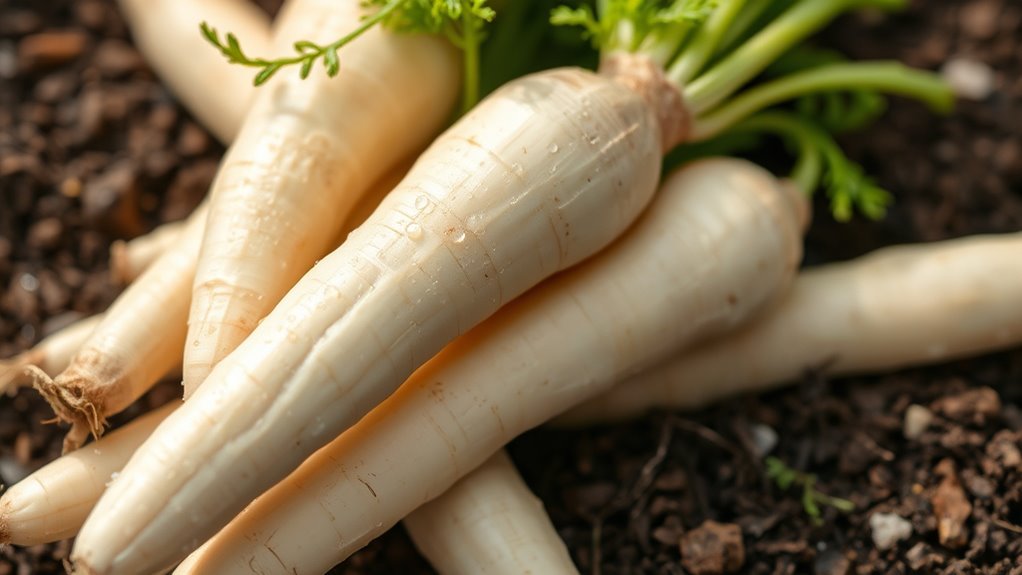
When considering whether parsnips fit into a keto diet, it’s essential to examine their nutritional profile. Parsnips are rich in vitamins, particularly vitamin C and several B vitamins, which contribute to immune function and energy metabolism. These parsnip vitamins can provide significant health benefits, supporting overall well-being. Additionally, parsnips contain dietary fiber, aiding digestion and promoting satiety, which can be beneficial for those watching their food intake. While they offer these parsnip benefits, it’s important to note that their carbohydrate content is higher than other low-carb vegetables. So, if you’re aiming for a keto lifestyle, understanding their nutritional value will help you make informed choices. Balancing parsnips with other low-carb options is key to maintaining that freedom in your diet.
Carb Content Comparison
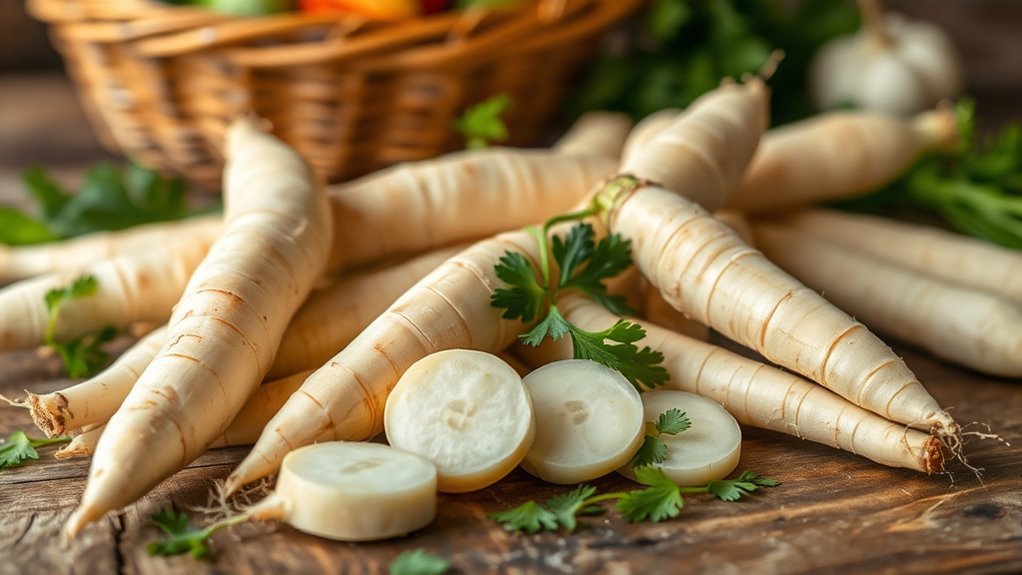
While many vegetables are low in carbs, parsnips stand out due to their particularly higher carbohydrate content. On average, one cup of cooked parsnips contains about 25 grams of carbohydrates, which is considerably more than other low-carb options like broccoli or spinach. When comparing parsnip varieties, note that the carb content can vary slightly, but they generally remain on the higher side. Additionally, parsnips have a moderate glycemic index, falling between 50 and 60, meaning they can cause a moderate spike in blood sugar. If you’re considering your carb intake, it’s crucial to be mindful of how parsnips fit into your overall diet, especially when exploring options that prioritize lower carbohydrate counts.
How Parsnips Fit Into a Keto Diet
Parsnips can be a challenging inclusion in a keto diet due to their relatively high carbohydrate content. However, if you’re mindful of your carb intake, they can still have a place in your meal plan. Parsnips offer several benefits, including being rich in vitamins and minerals, which can enhance your overall health. If you’re looking to enjoy parsnips, consider using them in moderation within a keto meal, balancing them with low-carb vegetables to keep your net carbs in check. For instance, pairing roasted parsnips with leafy greens or protein can create a satisfying dish without derailing your diet. Ultimately, it’s all about moderation and making informed choices that align with your keto goals while enjoying the flavors of parsnips.
Alternatives to Parsnips for a Low-Carb Lifestyle
Looking for tasty alternatives to parsnips that fit into your low-carb lifestyle? You’ve got some great options! Cauliflower rice and zucchini noodles are excellent substitutes that keep your meals satisfying and low in carbs.
| Alternative | Carbs per 100g | Benefits |
|---|---|---|
| Cauliflower Rice | 2g | Low-calorie, versatile base |
| Zucchini Noodles | 3g | Great for pasta dishes |
| Radishes | 3g | Crunchy, add texture |
| Spaghetti Squash | 6g | Naturally sweet, filling |
These alternatives not only reduce carb intake but also offer unique flavors and textures. Incorporating these into your diet can help you enjoy delicious meals while maintaining your low-carb lifestyle.
Tips for Cooking With Parsnips on Keto
If you’re considering incorporating parsnips into your keto meal plan, there are some effective ways to enjoy their unique flavor while keeping your carb intake in check. Start by opting for cooking methods like roasting or steaming, which can enhance their natural sweetness without adding extra carbs. You can also spiralize parsnips as a low-carb pasta alternative. For flavor pairings, consider combining them with garlic, rosemary, or thyme, which complement their earthy taste beautifully. Adding healthy fats, such as olive oil or avocado, can further balance your meal while adhering to keto principles. Remember, moderation is key, so keep your portion sizes in check to maintain your low-carb goals while enjoying parsnips.
Frequently Asked Questions about Parsnips and the Keto Diet
1. Are parsnips keto-friendly?
Parsnips are not generally considered keto-friendly due to their higher carbohydrate content. A 100g serving of parsnips contains approximately 18g of carbohydrates, which can impact your daily carb limit if you are following a strict ketogenic diet. However, some people may include small portions in their keto plans, depending on their individual carbohydrate tolerance.
2. How do parsnips compare to other root vegetables in terms of carbs?
Parsnips have a higher carbohydrate content compared to other low-carb root vegetables like radishes and turnips. For example, while parsnips contain around 18g of carbs per 100g, radishes have only about 2g, making them a better option for a ketogenic diet. When considering root vegetables on keto, it’s essential to compare their carb counts before including them in your meals.
3. Can I eat parsnips in moderation on a keto diet?
Yes, you can eat parsnips in moderation on a keto diet, especially if you are not in strict ketosis or if your daily carb allowance is flexible. It’s crucial to monitor your overall carbohydrate intake throughout the day. A small serving of parsnips can add flavor and nutrition to your meals, but be mindful of portion sizes to avoid exceeding your carb limit.
4. What are some low-carb alternatives to parsnips?
If you are looking for low-carb alternatives to parsnips, consider using cauliflower, zucchini, or turnips. Cauliflower is particularly popular for its versatility and low carb content, making it an excellent substitute in various dishes. Zucchini can also be spiralized into noodles, while turnips can be roasted or mashed as a lower-carb alternative to parsnips.
5. What nutritional benefits do parsnips offer?
Parsnips are rich in vitamins and minerals, including vitamin C, vitamin K, and folate. They also contain dietary fiber, which is beneficial for digestive health. Additionally, parsnips provide antioxidants that can help combat inflammation. However, if you are on a keto diet, it’s essential to balance their nutritional benefits with your carbohydrate goals.
References
- https://www.healthline.com/nutrition/keto-diet-food-list
- https://www.webmd.com/diet/what-to-eat-on-keto-diet
- https://en.wikipedia.org/wiki/Parsnip
- https://www.ncbi.nlm.nih.gov/pmc/articles/PMC5861313/
- https://www.health.harvard.edu/staying-healthy/the-ketogenic-diet
- https://www.dietitians.ca/Downloads/Public/Parsnips-and-the-Keto-Diet.aspx
- https://www.reuters.com/article/us-health-keto-diet-idUSKBN1WZ1P6