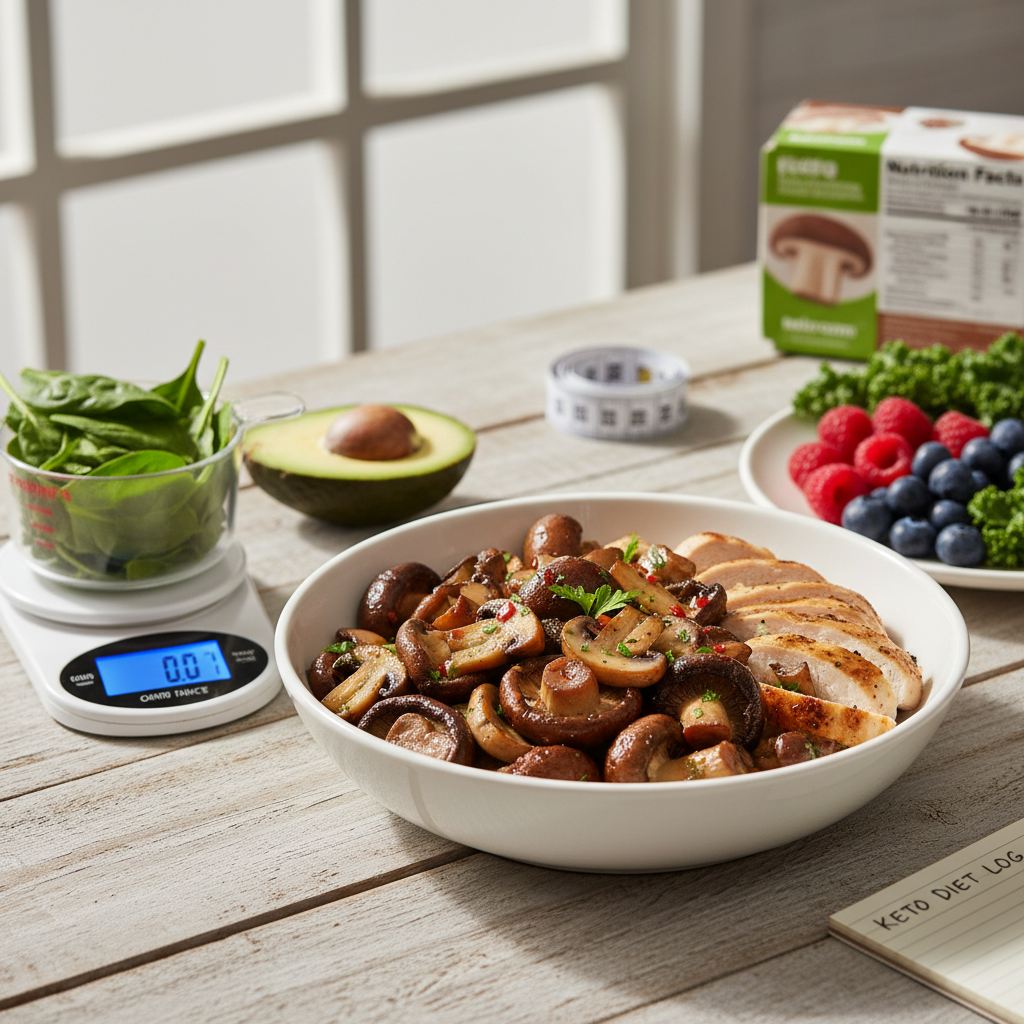

Mushrooms are indeed keto-friendly! These low-carb fungi can be a delicious and nutritious addition to your ketogenic diet. With their minimal carbohydrate content and rich nutritional profile, mushrooms not only fit well within the guidelines of a keto diet but also provide various health benefits. In this article, you’ll discover the carbohydrate content of mushrooms, their nutritional benefits, and how to incorporate them into your meals while staying within your macro limits.
Nutritional Profile of Mushrooms
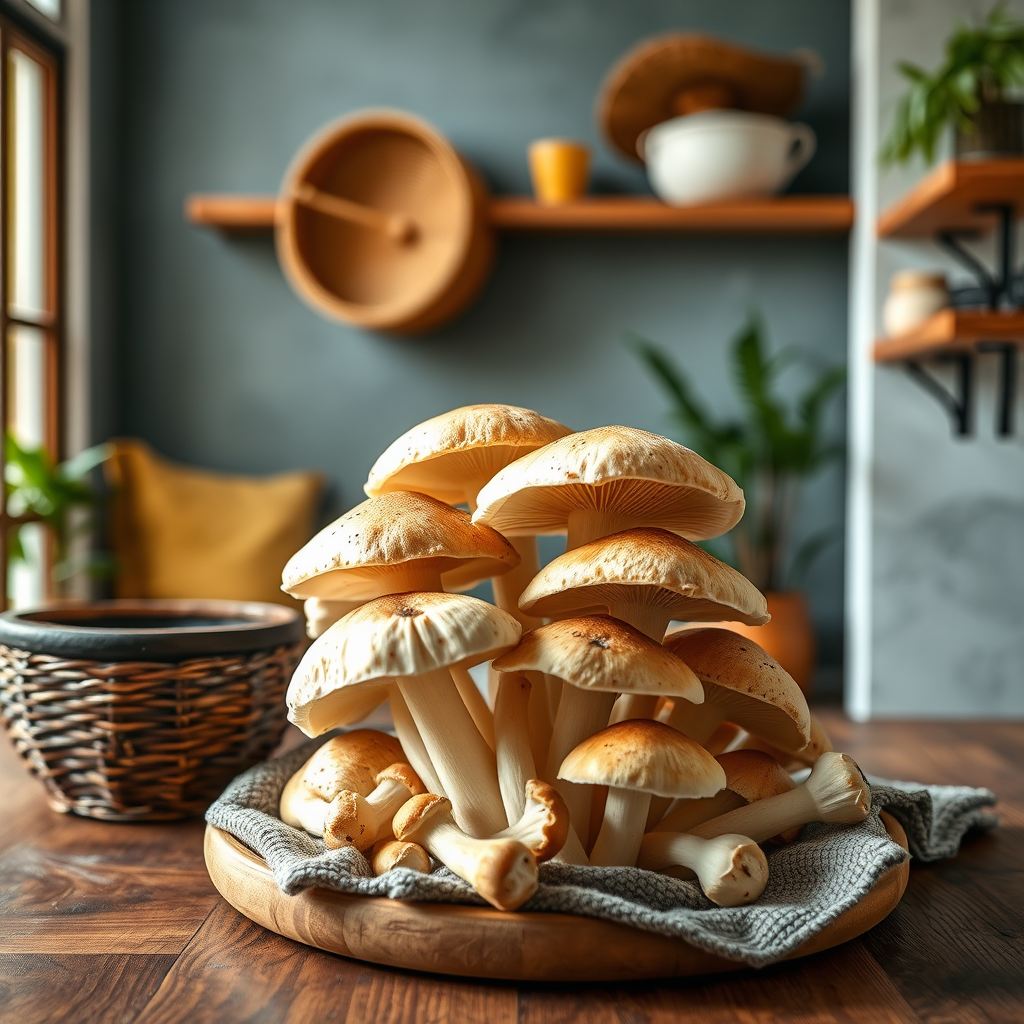
Mushrooms are remarkably low in carbohydrates, averaging about 1-2 grams of carbs per 100 grams, making them an excellent food choice for those following a ketogenic diet. This low carb count allows for greater flexibility in meal planning, particularly for individuals who need to adhere to strict carb limits. Additionally, mushrooms are a rich source of dietary fiber, which aids in digestion and promotes satiety—an important factor when managing hunger on a low-carb diet.
Beyond their carbohydrate content, mushrooms are packed with essential nutrients. They contain vitamins such as B2 (riboflavin) and B3 (niacin), which play crucial roles in energy metabolism, as well as minerals like selenium and potassium that support overall health. For instance, selenium acts as an antioxidant, helping to combat oxidative stress in the body. This combination of low carbs and high nutritional value makes mushrooms a highly beneficial food for anyone, especially those on a keto diet.
Types of Keto-Friendly Mushrooms
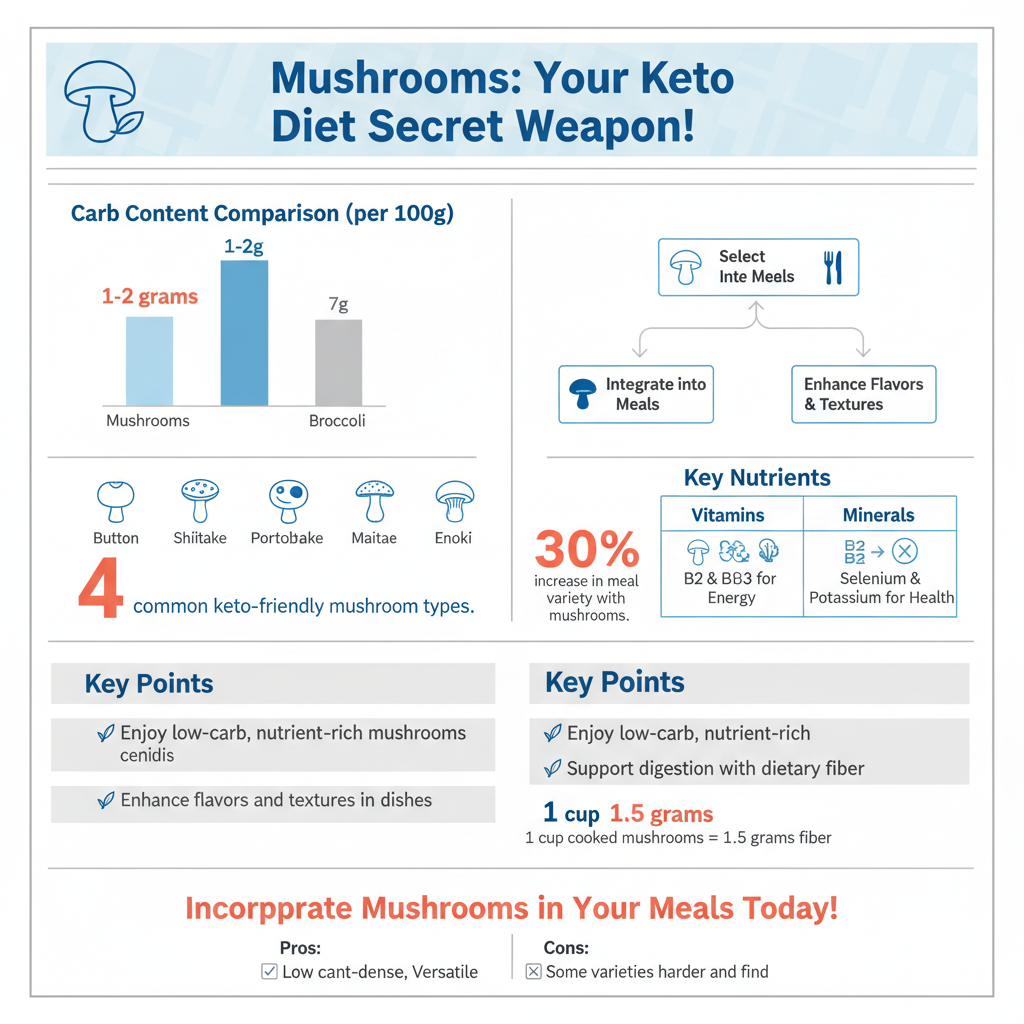
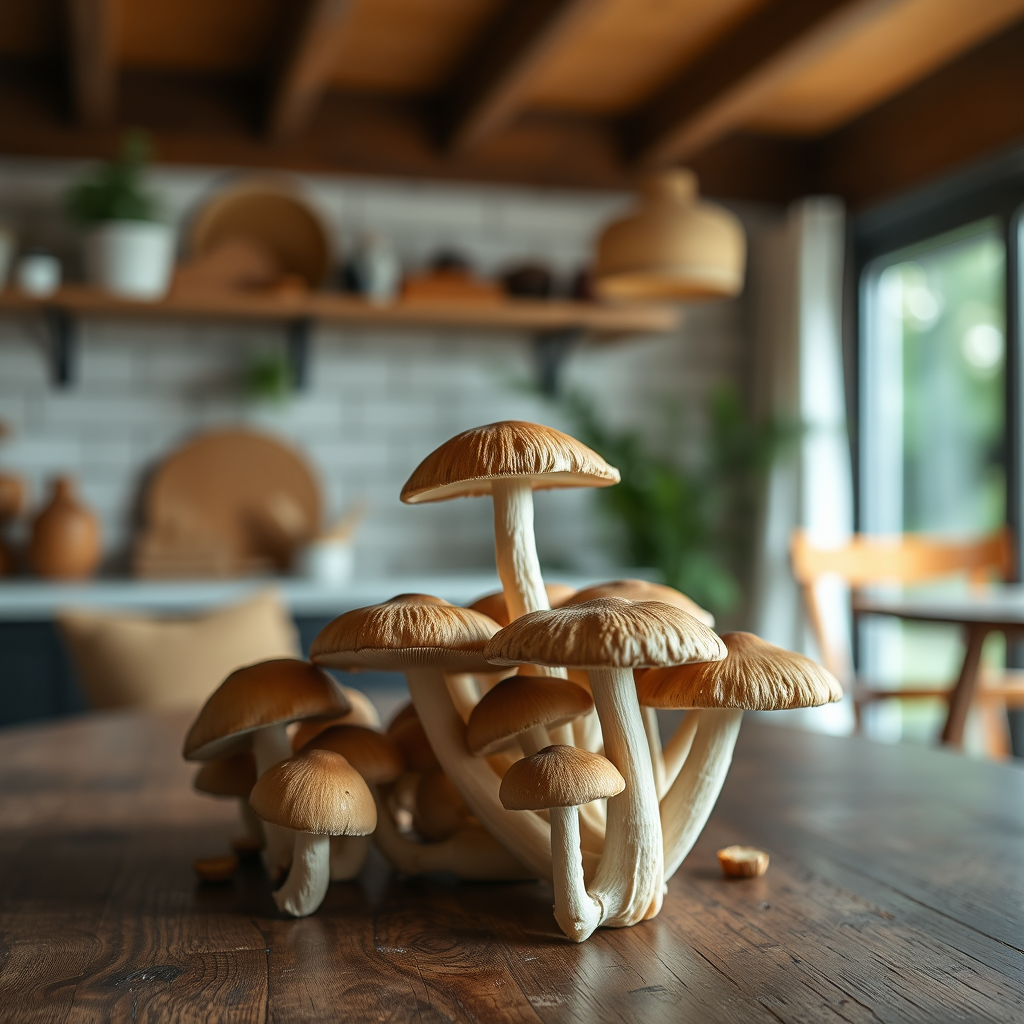
When it comes to selecting mushrooms for a keto diet, numerous varieties can enhance your meals. Common varieties like button mushrooms, shiitake mushrooms, and portobello mushrooms are all excellent options. Button mushrooms, often found in grocery stores, offer a mild flavor that can be easily integrated into various dishes. Shiitake mushrooms provide a slightly more robust flavor, making them ideal for stir-fries and soups. Portobello mushrooms, with their meaty texture, can serve as a satisfying substitute for burgers or bread in many recipes.
In addition to these common varieties, exotic mushrooms such as maitake and enoki can introduce unique flavors and textures to your meals. Maitake mushrooms, known for their earthy flavor, can be sautéed or added to soups, while enoki mushrooms, with their delicate and crunchy texture, can be used in salads or as a garnish. By incorporating a variety of mushrooms into your diet, you can enjoy diverse culinary experiences while adhering to your keto lifestyle.
Health Benefits of Mushrooms on Keto
Mushrooms offer an array of health benefits that complement a ketogenic diet. One of the most significant advantages is their antioxidant properties. Mushrooms are rich in compounds like ergothioneine and glutathione, which help reduce inflammation and oxidative stress in the body. This is particularly beneficial for those on a keto diet, as inflammation can be a concern during the initial stages of carbohydrate restriction.
Moreover, mushrooms provide essential nutrients that support overall health. They are an excellent source of selenium, a mineral that plays a pivotal role in thyroid function and immune response. Additionally, their potassium content assists in maintaining proper electrolyte balance, which is crucial for those on a low-carb diet who may experience changes in hydration and electrolyte levels. B vitamins found in mushrooms also contribute to energy metabolism, helping you feel more energized throughout the day.
How to Incorporate Mushrooms into Keto Meals
Incorporating mushrooms into your keto meals can be both easy and delicious. One versatile option is to use mushrooms in stir-fries, where they can add texture and flavor while absorbing the essence of the other ingredients. For instance, sauté sliced shiitake mushrooms with broccoli, bell peppers, and your choice of protein for a quick, nutritious meal.
Mushrooms can also be used as a meat substitute in various recipes. For example, grilled portobello caps can replace burger patties, providing a hearty, low-carb alternative that pairs well with cheese and avocado. Another delightful idea is to stuff portobello caps with a mixture of cheese, spinach, and garlic, then bake until golden brown for a satisfying and nutrient-rich dish.
Additionally, mushrooms can enhance salads, adding depth and umami. Consider marinating button mushrooms in olive oil and balsamic vinegar, then tossing them into a fresh salad for a flavorful twist. The possibilities are endless, and by experimenting with different types and preparations of mushrooms, you can keep your keto meals interesting and enjoyable.
Cooking Techniques for Keto Mushrooms
When preparing mushrooms for a keto diet, the cooking techniques you choose can greatly influence both flavor and healthfulness. Grilling, sautéing, or roasting mushrooms enhances their natural flavors without adding extra carbohydrates. For instance, grilled portobello mushrooms have a smoky flavor that pairs well with various seasonings and ingredients.
Sautéing mushrooms in a small amount of olive oil or butter can also bring out their rich taste while keeping the dish low in carbs. Be cautious with cooking methods that involve breading or heavy sauces, as these can significantly increase the carbohydrate content. Instead, focus on seasoning with herbs and spices—such as thyme, rosemary, or garlic—to elevate the flavor profile of your dishes without compromising your keto goals.
Common Myths About Mushrooms and Keto
Despite their many benefits, misconceptions about mushrooms persist, particularly regarding their carbohydrate content. Some individuals mistakenly believe that mushrooms are high in carbs, which can lead to their exclusion from a ketogenic diet. However, as previously mentioned, most mushrooms contain only 1-2 grams of carbohydrates per 100 grams, making them an ideal food for keto enthusiasts.
Another common myth is that mushrooms lack nutritional value compared to other vegetables. In reality, mushrooms are nutrient-dense and provide a wealth of vitamins and minerals that support overall health. They can easily fit within the daily carb allowance of a ketogenic diet while offering substantial health benefits. By understanding these misconceptions, you can feel more confident in incorporating mushrooms into your meals.
Mushrooms are a versatile and nutritious option for anyone following a ketogenic diet. They not only fit within the parameters of low-carb eating but also provide a host of health benefits, including antioxidants and essential nutrients. By understanding their benefits and how to use them effectively, you can enjoy delicious meals without compromising your keto goals. If you haven’t tried incorporating more mushrooms into your diet, now is the perfect time to start!
Frequently Asked Questions
Are mushrooms low in carbs and suitable for a keto diet?
Yes, mushrooms are low in carbohydrates, making them an excellent option for a keto diet. For instance, one cup of raw white mushrooms contains only about 2 grams of net carbs. Their low carb count, combined with their rich flavor and versatility in recipes, allows them to fit seamlessly into keto meal plans.
What types of mushrooms are best for a keto diet?
Several types of mushrooms are particularly keto-friendly, including white button, cremini, shiitake, and portobello mushrooms. These varieties are not only low in carbs but also rich in nutrients and antioxidants. Incorporating a variety of mushrooms can enhance the flavor of dishes while keeping your carbohydrate intake low.
How can I incorporate mushrooms into my keto meal plan?
You can easily incorporate mushrooms into your keto meal plan by using them in stir-fries, salads, soups, or as pizza toppings. Grilling or sautéing mushrooms with healthy fats like olive oil or butter can boost their flavor while keeping meals keto-friendly. Additionally, you can use portobello mushrooms as a substitute for burger buns or bread in various recipes.
Why are mushrooms a healthy addition to a keto diet?
Mushrooms are a healthy addition to a keto diet because they are low in calories and carbohydrates while providing essential nutrients like B vitamins, selenium, and potassium. They also contain antioxidants that can support overall health. Their fiber content aids digestion and helps maintain gut health, making them a great choice for those following a low-carb lifestyle.
Can mushrooms help with weight loss on a keto diet?
Yes, mushrooms can aid in weight loss on a keto diet due to their low calorie and carbohydrate content, which allows for larger portion sizes without exceeding daily carb limits. Their high fiber content also promotes satiety, helping you feel full longer and reducing the likelihood of overeating. By incorporating mushrooms into meals, you can enjoy satisfying dishes that align with your weight-loss goals.
References
- https://www.healthline.com/nutrition/mushrooms-keto-friendly
- https://www.ncbi.nlm.nih.gov/pmc/articles/PMC6313440/
- https://www.mayoclinic.org/healthy-lifestyle/nutrition-and-healthy-eating/expert-answers/mushrooms-nutrition/faq-20058068
- https://www.webmd.com/diet/ss/slideshow-mushroom-nutrition
- https://www.verywellfit.com/mushrooms-and-the-keto-diet-4770480
- https://www.cdc.gov/nutrition/food-safety.html
- https://www.ams.usda.gov/reports/mushroom-report