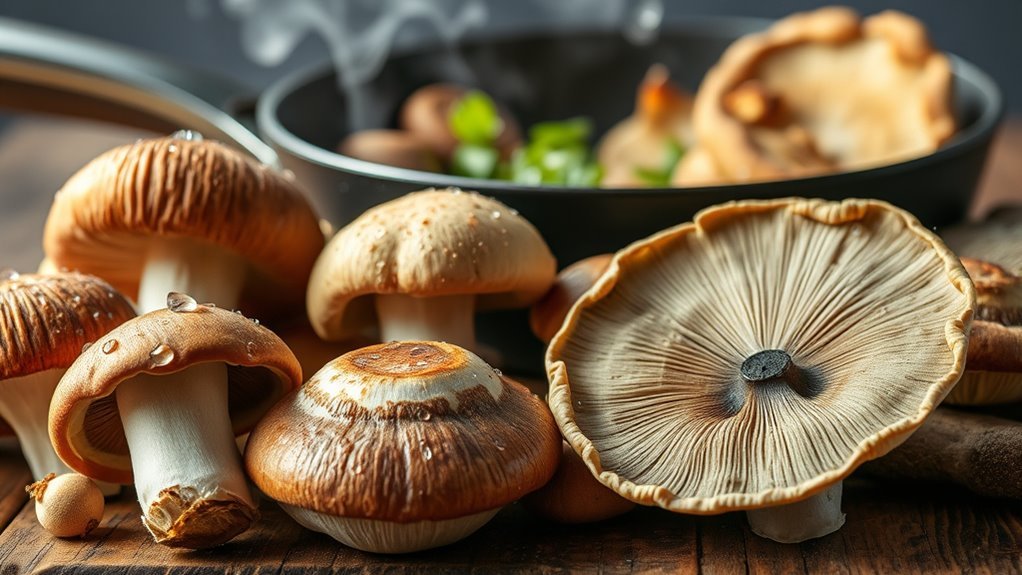

Yes, mushrooms are a great fit for your keto diet! They’re low in carbs, with varieties like portobello and white button mushrooms containing just 3.3 to 3.9 grams per 100 grams. Plus, they’re packed with essential nutrients like B vitamins and antioxidants, supporting your overall health. With their versatility, you can easily incorporate them into your meals. If you want some tasty ways to use mushrooms in your keto cooking, you’re in for some delicious ideas ahead!
Nutritional Profile of Mushrooms
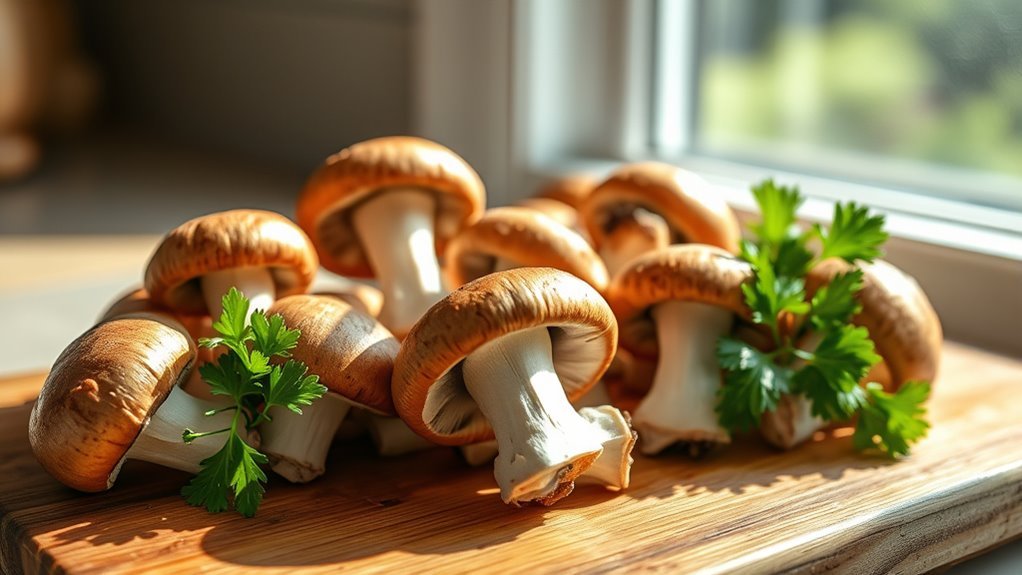
Mushrooms are often overlooked as a nutritional powerhouse in the keto diet. When you explore different mushroom types, you’ll discover a rich array of vitamins and minerals that can enhance your health. For example, shiitake mushrooms boast significant amounts of B vitamins, including B2 and B5, which are essential for energy metabolism. Portobello mushrooms are another great source, offering potassium and selenium, crucial for maintaining proper bodily functions. Additionally, oyster mushrooms are packed with antioxidants, helping to combat oxidative stress. Incorporating these varieties into your meals not only diversifies your diet but also supports your nutritional needs. By focusing on the vitamin content of mushrooms, you can elevate your keto journey while enjoying delicious, low-calorie options.
Carbohydrate Content in Different Mushroom Varieties
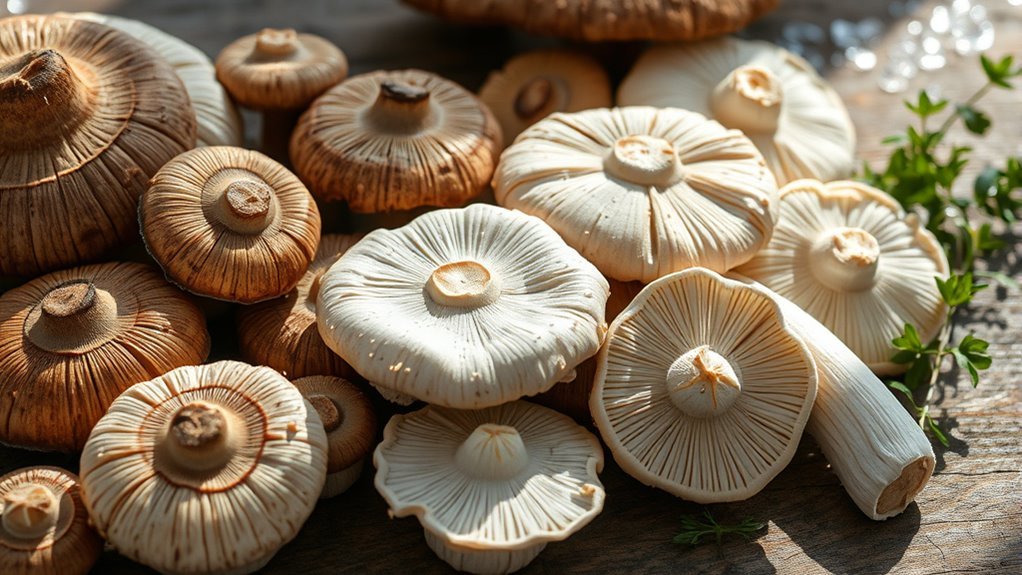
When considering a ketogenic diet, understanding the carbohydrate content in various mushroom varieties is essential. You’ll find that certain types, like shiitake and portobello, offer lower carb options compared to others. By comparing these varieties, you can make informed choices that align with your nutritional goals while enjoying the unique benefits mushrooms provide.
Low-Carb Mushroom Options
Although many people might overlook mushrooms as a significant component of a low-carb diet, these fungi offer a variety of options that can fit seamlessly into your meal plan. With a range of low-carb varieties, mushrooms can be the star of your keto-friendly dishes.
Here’s a quick look at the carbohydrate content in some popular mushroom types:
| Mushroom Type | Carbs per 100g |
|---|---|
| White Button | 3.3g |
| Portobello | 3.9g |
| Shiitake | 7.4g |
Choosing mushrooms like white button or portobello can help you stay on track with your carb intake while adding flavor and texture to your meals. Enjoy these versatile ingredients in your next keto creation!
Comparison of Varieties
With various mushroom types available, understanding their carbohydrate content can help you make informed choices for your keto diet. For example, button mushrooms contain about 2.3 grams of carbs per 100 grams, while shiitake mushrooms have around 7 grams. Portobello mushrooms are also low, with roughly 4 grams. These differences matter, especially when considering your culinary uses. If you’re sautéing, grilling, or adding them to soups, knowing which varieties are lower in carbs can keep your meals keto-friendly. Additionally, varieties like enoki and oyster mushrooms present unique flavors and textures while remaining low in carbs. By selecting the right mushroom types, you can enhance your dishes without compromising your dietary goals.
Nutritional Benefits Explored
Understanding the nutritional benefits of different mushroom varieties is essential for anyone on a keto diet, especially since their carbohydrate content varies considerably. Generally, mushrooms are low in carbs, making them a great choice for your meal plans. For instance, white button mushrooms contain about 1 gram of net carbs per cup, while shiitake mushrooms have around 2 grams. Beyond carbs, these mushroom varieties are rich in dietary fiber, which supports digestion and can help you feel full longer. Portobello mushrooms are particularly significant, offering a hearty texture and only 1 gram of net carbs per cup. Incorporating a range of these options can enhance your meals while aligning with your ketogenic goals, giving you both nutritional benefits and culinary freedom.
Health Benefits of Mushrooms on a Keto Diet
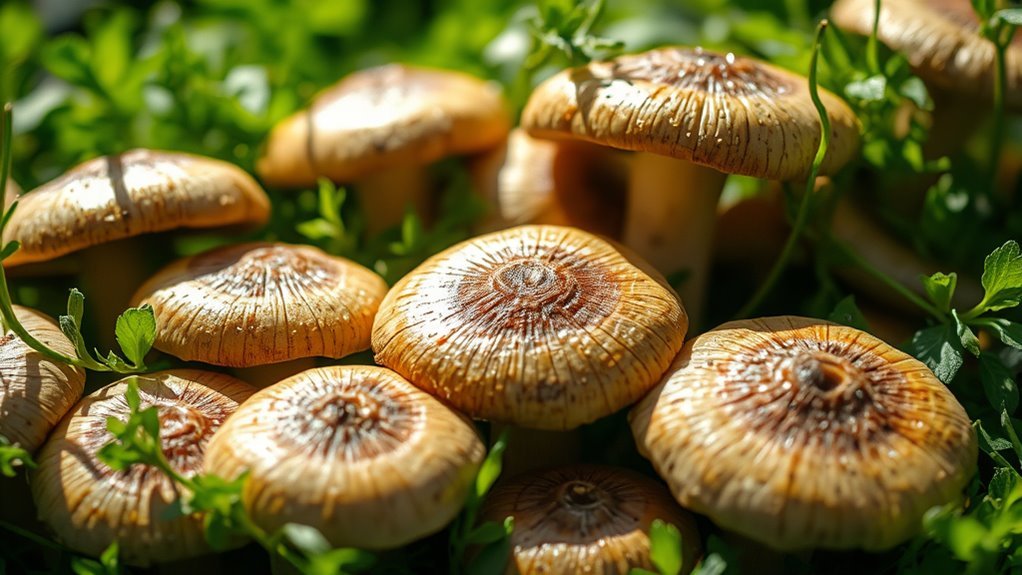
Mushrooms offer a wealth of health benefits that can greatly enhance your experience on a keto diet. Various mushroom varieties, such as shiitake and portobello, are low in calories and carbs, making them ideal for your dietary needs. They’re rich in dietary fiber, which can help support digestive health and promote a feeling of fullness. Additionally, mushrooms are packed with antioxidants and essential nutrients like vitamin D, potassium, and B vitamins, which can boost your overall well-being. These compounds may also enhance your immune system and reduce inflammation. Incorporating mushrooms into your meals not only adds flavor and texture but also empowers you to maintain a balanced, health-conscious lifestyle while enjoying the freedom of a keto diet.
How to Incorporate Mushrooms Into Keto Meals
Incorporating mushrooms into your keto meals can enhance both flavor and nutrition. You’ll find a variety of delicious mushroom recipes that not only satisfy your taste buds but also offer significant health benefits, thanks to their low carb content and rich nutrient profile. Additionally, mastering different cooking techniques can elevate your dishes and make mushrooms a staple in your keto diet.
Delicious Mushroom Recipes
While many people might overlook mushrooms in their quest for keto-friendly meals, these versatile fungi can elevate your dishes in both flavor and nutrition. Try making stuffed mushrooms filled with cream cheese, herbs, and bacon for a savory appetizer that’s low in carbs and high in satisfaction. Alternatively, a creamy mushroom risotto using cauliflower rice instead of traditional rice can satisfy your cravings without compromising your keto goals. Simply sauté mushrooms with garlic, add cauliflower rice, and finish with a splash of heavy cream for a rich, comforting dish. Both recipes showcase how mushrooms can play a starring role in your keto meals, providing depth and texture while keeping your carb count in check. Enjoy the freedom to experiment!
Nutritional Benefits of Mushrooms
These nutrient-dense fungi are a powerhouse of health benefits, making them an excellent choice for anyone following a keto diet. Different mushroom varieties, like shiitake, portobello, and cremini, offer unique nutrients and flavors. They’re low in carbohydrates yet rich in fiber, which aids digestion and promotes satiety—perfect for maintaining ketosis. Mushrooms are also packed with antioxidants, supporting your immune system and reducing inflammation. Plus, they provide essential vitamins and minerals like B vitamins, selenium, and potassium, which are crucial for overall health. Incorporating mushrooms into your meals can enhance flavor and texture while delivering significant nutritional value. So, don’t hesitate to add these versatile ingredients to your keto dishes for a healthy, satisfying boost.
Cooking Techniques for Mushrooms
Mushrooms are incredibly versatile and can elevate a variety of keto meals with their rich flavors and textures. One effective method is sautéing mushrooms, which allows you to quickly cook them in a bit of healthy fat, enhancing their umami taste. Just sauté them with garlic and herbs for a flavorful side dish or topping.
Another fantastic technique is roasting mushrooms. This method caramelizes their natural sugars, intensifying their flavor while keeping them tender. Simply toss them in olive oil, season with salt and pepper, and roast until golden.
Incorporating these cooking techniques into your keto meals not only adds depth but also helps maintain a low-carb profile, making mushrooms a delicious ally in your culinary adventures.
Popular Mushroom Recipes for Keto Enthusiasts
If you’re looking to enhance your keto diet with flavorful and nutritious options, incorporating mushrooms can be a game changer. Here are some popular mushroom recipes that can elevate your meals while keeping your carb count low:
| Recipe | Ingredients | Benefits |
|---|---|---|
| Stuffed Mushrooms | Cream cheese, garlic, herbs | High in fiber and protein |
| Mushroom Smoothies | Spinach, almond milk, flaxseed | Nutrient-dense and low-carb |
| Sautéed Mushrooms | Olive oil, thyme, onions | Antioxidant-rich and tasty |
These dishes not only satisfy your taste buds but also align perfectly with your keto lifestyle. By incorporating these recipes, you’re ensuring that your diet remains both versatile and enjoyable. Embrace the freedom that comes with culinary creativity!
Tips for Choosing the Right Mushrooms for Your Keto Diet
When you’re maneuvering through the keto diet, selecting the right mushrooms can greatly impact your meal’s nutritional profile. Focus on low-carb mushroom varieties like shiitake, portobello, and button mushrooms. These options are not only versatile but also rich in nutrients. Avoid mushrooms with higher carb counts, such as certain wild varieties. When planning your keto meal, consider the texture and flavor of the mushrooms; for example, portobello caps work well as burger substitutes, while cremini can add depth to stir-fries. Don’t forget to check for freshness—firm, unblemished mushrooms will enhance your dishes. By choosing wisely, you’ll guarantee that your meals are not just keto-friendly, but also delicious and satisfying. Enjoy the freedom of creativity in your cooking!
Frequently Asked Questions
Can Mushrooms Cause Digestive Issues on a Keto Diet?
Yes, mushrooms can cause digestive issues for some people on a keto diet. While they’re low in carbs and high in fiber, certain types of mushrooms may lead to bloating or gas due to their complex polysaccharides. If you’re sensitive to mushroom digestion, you might experience discomfort. It’s important to listen to your body and adjust your intake accordingly, ensuring you maintain a balance that supports your overall keto effects and digestive health.
Are There Any Mushroom Supplements Suitable for Keto?
Absolutely, there are mushroom supplements that fit perfectly into a keto lifestyle. With their rich mushroom nutrition, these supplements provide essential vitamins and minerals without the carbs. Varieties like lion’s mane and chaga are particularly keto compatible, offering potential cognitive and health benefits. You’ll find them in capsules or powders, making it easy to incorporate them into your daily routine. Just remember to check labels for any added ingredients that might disrupt your keto journey.
How Do Mushrooms Compare to Other Keto-Friendly Vegetables?
Mushrooms offer unique nutrition compared to other keto-friendly veggies. They’re low in carbs and calories, making them an excellent choice for your diet. When you compare mushrooms to leafy greens like spinach or cruciferous veggies such as broccoli, mushrooms provide a different set of nutrients, including vitamin D and antioxidants. This veggie comparison highlights mushrooms’ versatility, allowing you to enjoy a variety of flavors and textures while maintaining your keto goals.
Can I Eat Mushrooms Raw on a Keto Diet?
Yes, you can eat mushrooms raw on a keto diet! They’re not just delicious; raw mushroom benefits include being low in carbs and high in nutrients. This makes them a perfect fit for your keto lifestyle. Plus, their crunchy texture adds a unique twist to salads or snacks. Just remember, some people might find raw mushrooms tough to digest, so listen to your body and enjoy them in moderation for the best experience!
Are There Any Keto-Friendly Mushroom Alternatives?
Yes, there are several keto-friendly mushroom substitutes you can try. Cauliflower is a popular choice, offering low carb options that mimic the texture of mushrooms in various dishes. Zucchini can also serve as a great alternative, adding volume without the carbs. Additionally, eggplant works well in savory recipes, providing a hearty feel. By experimenting with these substitutes, you can maintain variety in your meals while sticking to your keto diet.
Frequently Asked Questions about Mushrooms and Keto
1. Are mushrooms keto-friendly?
Yes, mushrooms are considered keto-friendly. They are low in carbohydrates, making them a suitable option for those following a ketogenic diet. For instance, one cup of sliced mushrooms contains approximately 2 grams of net carbs, allowing you to enjoy them without significantly impacting your daily carb limit.
2. What types of mushrooms are best for a keto diet?
All types of mushrooms can be included in a keto diet, but some of the best options include button mushrooms, shiitake mushrooms, and portobello mushrooms. These varieties are low in carbs and high in nutrients, making them great additions to keto meals. Additionally, they provide a savory flavor and can be used in various dishes.
3. How do mushrooms fit into a balanced keto meal plan?
Mushrooms can be an excellent component of a balanced keto meal plan. They can be used as a base for dishes, added to salads, or incorporated into entrees. Their low carb content allows you to use them generously without exceeding your carb limits. Pairing them with healthy fats, such as olive oil or butter, and protein sources like chicken or beef, can create a nourishing and satisfying meal.
4. Are there any health benefits of eating mushrooms on a keto diet?
Yes, mushrooms offer several health benefits, especially when included in a keto diet. They are rich in antioxidants, vitamins (such as B vitamins), and minerals (like selenium). Eating mushrooms can support immune function, promote gut health, and provide anti-inflammatory properties. Their fiber content also aids digestion, which is crucial for those on a low-carb diet.
5. Can I eat mushrooms in large quantities on a keto diet?
While mushrooms are low in carbs, moderation is still key. Although you can enjoy them as part of your meals, consuming them in excessive quantities may lead to an unwanted increase in carbohydrate intake. It’s best to incorporate a variety of vegetables in your diet to ensure you receive a wide range of nutrients while adhering to your keto goals.
References
- https://www.healthline.com/nutrition/mushrooms-keto
- https://www.ncbi.nlm.nih.gov/pmc/articles/PMC5969844/
- https://www.mayoclinic.org/healthy-lifestyle/nutrition-and-healthy-eating/expert-answers/mushrooms-and-nutrition/faq-20058351
- https://www.webmd.com/diet/obesity/mushrooms-nutrition-benefits
- https://www.nutrition.gov/topics/whats-food/nutrition-basics/mushrooms-nutrition-facts
- https://www.sciencedirect.com/topics/food-science/mushroom
- https://en.wikipedia.org/wiki/Mushroom
- https://www.verywellfit.com/are-mushrooms-keto-friendly-5180874