
Lima beans are not considered keto-friendly due to their relatively high carbohydrate content. In a ketogenic diet, the primary objective is to maintain a low carbohydrate intake to achieve and sustain ketosis, which makes lima beans less suitable for individuals following this dietary lifestyle. While lima beans offer some nutritional benefits, their carbohydrate levels can disrupt the delicate balance required for effective ketosis. In this article, we will delve deeper into the nutritional profile of lima beans, examine their carbohydrate content, explore potential health benefits, and provide alternatives that align better with a keto diet.
Nutritional Profile of Lima Beans
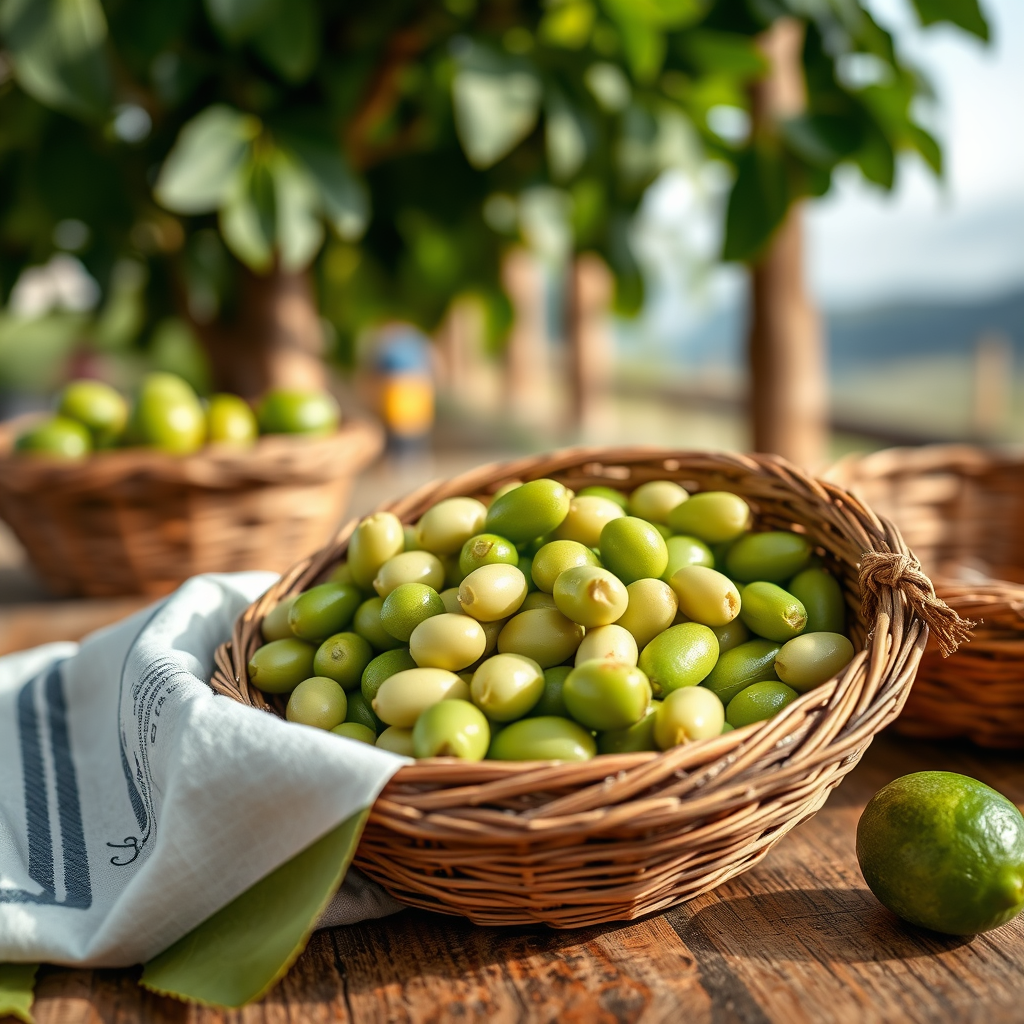
Lima beans, also known as butter beans, have a rich and diverse nutritional profile, but their high carbohydrate content is a significant factor for those on a ketogenic diet. A typical serving of cooked lima beans (approximately 1 cup) contains about 36 grams of carbohydrates, which can severely impact the daily carbohydrate limits adhered to in a keto lifestyle.
Despite the carbohydrate concern, lima beans are a valuable source of protein, providing roughly 15 grams per cup, making them a good plant-based protein option. Additionally, they are rich in dietary fiber, with around 13 grams per cup, which is beneficial for digestive health and can help maintain a feeling of fullness. Lima beans also provide essential vitamins and minerals, including folate, potassium, iron, and magnesium, all of which contribute to overall health. However, for those strictly monitoring their carbohydrate intake, the benefits of these nutrients are often overshadowed by the beans’ high carb content, making them a less-than-ideal choice for keto enthusiasts.
Carbohydrates in Lima Beans
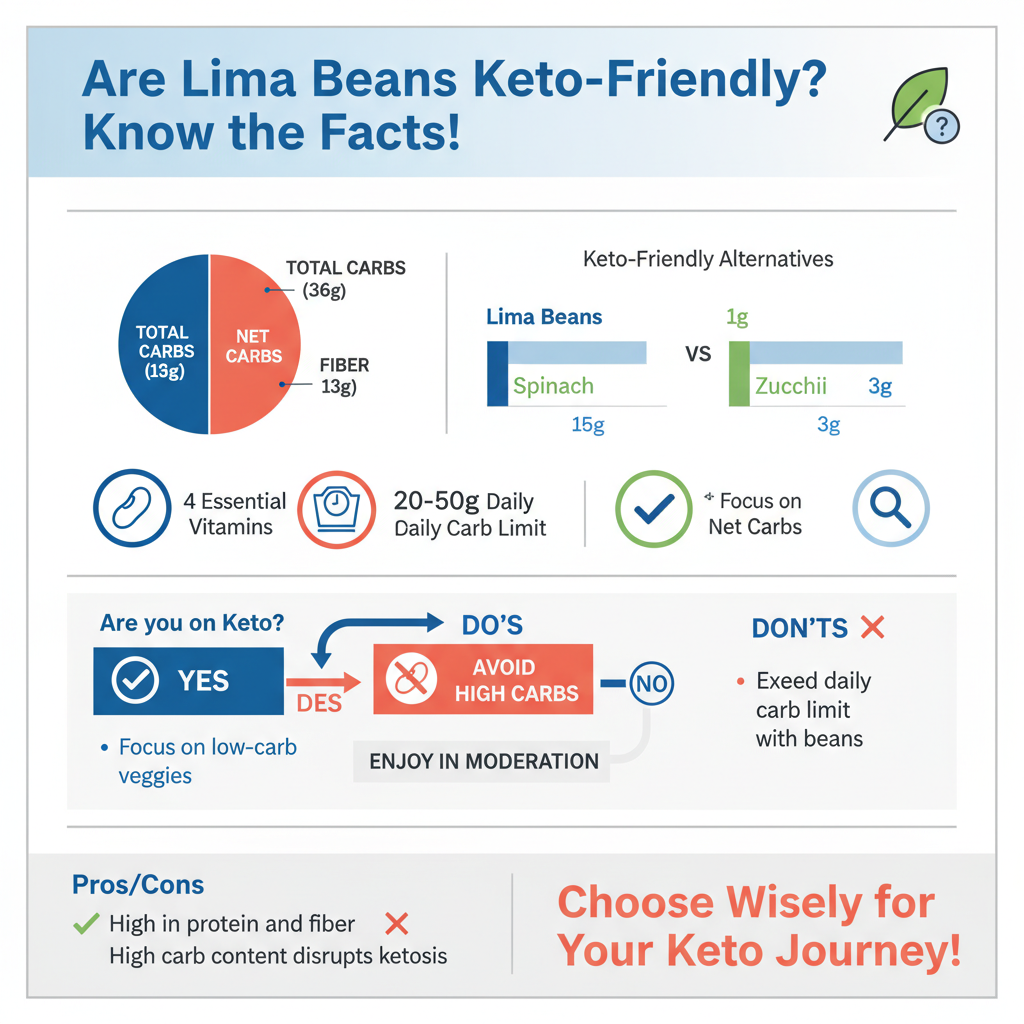
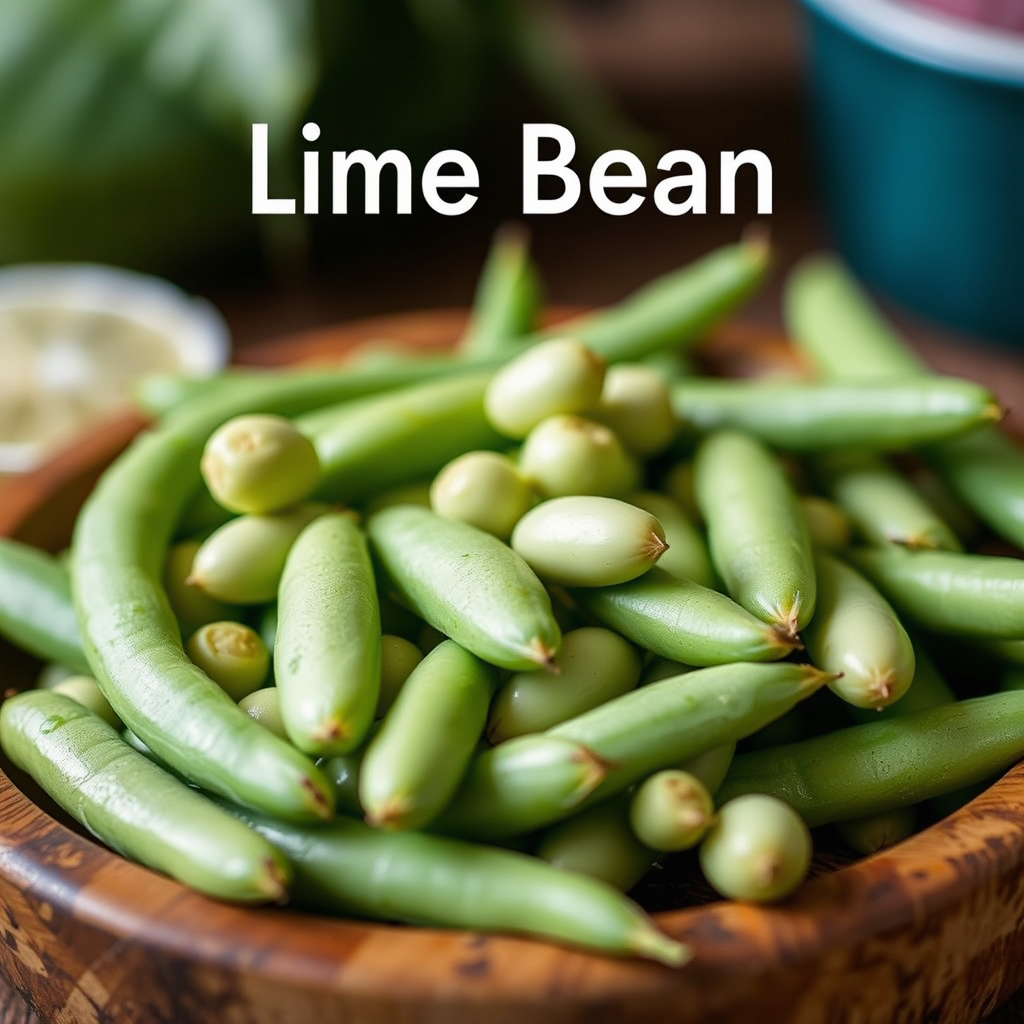
To understand the impact of lima beans on a ketogenic diet, it is crucial to analyze their carbohydrate content in detail. One serving (1 cup cooked) of lima beans includes around 36 grams of total carbohydrates. After accounting for the dietary fiber, which does not significantly affect blood sugar levels, the net carbs amount to approximately 13 grams. While this might seem manageable in the context of a general diet, it can be problematic for those following a strict ketogenic regimen, which typically limits daily carb intake to 20-50 grams.
Including lima beans in your meals could quickly consume a significant portion of your daily carbohydrate allowance, making it challenging to incorporate other foods. This high carb content can disrupt ketosis, a metabolic state where the body burns fat for fuel instead of carbohydrates. Therefore, individuals committed to achieving and maintaining ketosis should be cautious when considering lima beans as a dietary option.
Potential Health Benefits of Lima Beans
While lima beans may not fit into a ketogenic diet, they do offer several potential health benefits worth noting. First and foremost, the high fiber content in lima beans supports digestive health. Fiber is essential for maintaining regular bowel movements and can help prevent constipation. Furthermore, a diet rich in fiber has been linked to lower risks of heart disease and diabetes.
Moreover, lima beans are packed with essential nutrients. For instance, potassium plays a critical role in maintaining proper heart function and regulating blood pressure. Iron is crucial for transporting oxygen in the blood, while magnesium supports various biochemical reactions in the body, including muscle and nerve function. Although these health benefits are significant, they do not mitigate the high carbohydrate content that makes lima beans unsuitable for a keto diet.
Alternatives to Lima Beans on Keto
For those seeking to maintain a keto-friendly diet while still enjoying the nutritional benefits of legumes and vegetables, there are several alternatives to consider. Low-carb vegetables such as zucchini, cauliflower, and spinach can serve as excellent substitutes. For instance, cauliflower can be riced or mashed to mimic the texture of starchy vegetables without the high carb content, providing versatility in meal preparation.
Additionally, if you are looking for a legume alternative that is lower in carbohydrates, black soybeans stand out as a viable option. They contain only about 2 grams of net carbs per half-cup serving while still offering a good source of protein. Chickpeas and lentils are also popular options; however, they should be consumed in moderation, as their carbohydrate content can still be relatively high compared to their keto-friendly counterparts.
Tips for Following a Keto Diet
Successfully navigating a ketogenic diet requires attention to detail and careful planning. Focus on incorporating high-fat, low-carb foods into your meals to maintain ketosis effectively. Foods like avocados, nuts, seeds, and olive oil are excellent sources of healthy fats that can enhance the flavor and nutritional profile of your meals.
Keeping track of your daily carbohydrate intake is essential. Utilize apps or food journals to monitor your food consumption and ensure you remain within the recommended limits for a ketogenic diet. Meal planning can also be beneficial, allowing you to prepare and portion meals in advance, minimizing the temptation to indulge in high-carb foods like lima beans.
Lastly, be mindful of the hidden carbohydrates in sauces, dressings, and processed foods. Always read labels to avoid unexpected carb spikes that could hinder your progress.
In summary, lima beans are not keto-friendly due to their high carbohydrate content, making them unsuitable for those adhering to a strict ketogenic diet. While they offer several nutritional benefits, individuals aiming to maintain ketosis should explore alternative low-carb options and focus on a variety of high-fat foods. For more insights on keto-friendly foods and tips to navigate your dietary journey, explore our other articles and resources!
Frequently Asked Questions
Are lima beans keto-friendly for a low-carb diet?
Lima beans are not typically considered keto-friendly due to their relatively high carbohydrate content. A standard serving of lima beans contains around 20 grams of carbohydrates, which can significantly impact your daily carb limit on a ketogenic diet. For those strictly adhering to keto guidelines, it’s best to limit or avoid lima beans in favor of lower-carb vegetables like leafy greens or cruciferous options.
How many carbs are in a serving of lima beans?
A one-cup serving of cooked lima beans contains approximately 39 grams of carbohydrates, with about 13 grams of fiber. This means that the net carbs are around 26 grams, which is quite high for those following a strict ketogenic diet that typically limits daily carb intake to about 20-50 grams. If you’re monitoring your carb intake closely, it’s important to take this into account.
Why are lima beans not recommended for a ketogenic diet?
Lima beans are high in carbohydrates, which contradicts the primary goal of a ketogenic diet—to enter and maintain a state of ketosis where the body burns fat for fuel instead of carbohydrates. Consuming foods that are high in carbs can hinder your ability to achieve ketosis and may lead to weight gain or stalled progress. Therefore, it’s advisable to opt for low-carb vegetable alternatives.
What are some low-carb alternatives to lima beans on a keto diet?
If you’re looking for low-carb alternatives to lima beans while following a ketogenic diet, consider options like zucchini, cauliflower, or broccoli. These vegetables are not only lower in carbs but also offer a range of nutrients and can be used in a variety of recipes, making it easier to maintain a keto-friendly meal plan without sacrificing flavor or texture.
Which beans can be consumed on a keto diet?
While most beans are too high in carbohydrates for a strict ketogenic diet, some options like black soybeans and green beans can be consumed in moderation. Black soybeans contain about 4 grams of net carbs per half-cup serving, making them one of the best bean choices for keto dieters. Always check the nutritional labels and watch portion sizes to stay within your daily carb limits.
References
- Lima bean
- https://www.healthline.com/nutrition/keto-diet-foods
- https://www.ncbi.nlm.nih.gov/pmc/articles/PMC5000166/
- https://www.webmd.com/food-recipes/what-to-eat-on-keto-diet
- https://www.health.harvard.edu/staying-healthy/the-ketogenic-diet
- https://www.ncbi.nlm.nih.gov/pmc/articles/PMC7073719/
- https://www.cdc.gov/healthyweight/assessing/bmi/adult_bmi/index.html