

Green peas are not considered keto-friendly due to their relatively high carbohydrate content. While they offer numerous nutritional benefits, individuals adhering to a strict ketogenic diet may need to limit or avoid their consumption to maintain ketosis. In this article, we will explore the carbohydrate content of green peas, their health benefits, and suitable alternatives for those following a low-carb diet.
Nutritional Profile of Green Peas

Green peas are a nutrient-dense food, offering approximately 14 grams of carbohydrates per 100 grams. This carbohydrate content can present a challenge for those on a ketogenic diet, where the daily intake is typically restricted to around 20-50 grams. However, green peas also provide a wealth of other nutrients that contribute to overall health. They are an excellent source of plant-based protein, containing about 5 grams per 100 grams, making them a valuable addition for vegetarians and vegans. Additionally, green peas are rich in dietary fiber, which aids in digestion and promotes satiety.
Moreover, they are packed with essential vitamins and minerals, including vitamin K, vitamin C, folate, and manganese. Vitamin K is crucial for bone health and blood clotting, while vitamin C acts as a powerful antioxidant, supporting the immune system. The combination of fiber and protein in green peas makes them a satisfying food choice, but their carbohydrate content must be carefully considered in the context of a low-carb diet.
Carbohydrate Content Compared to Keto Guidelines
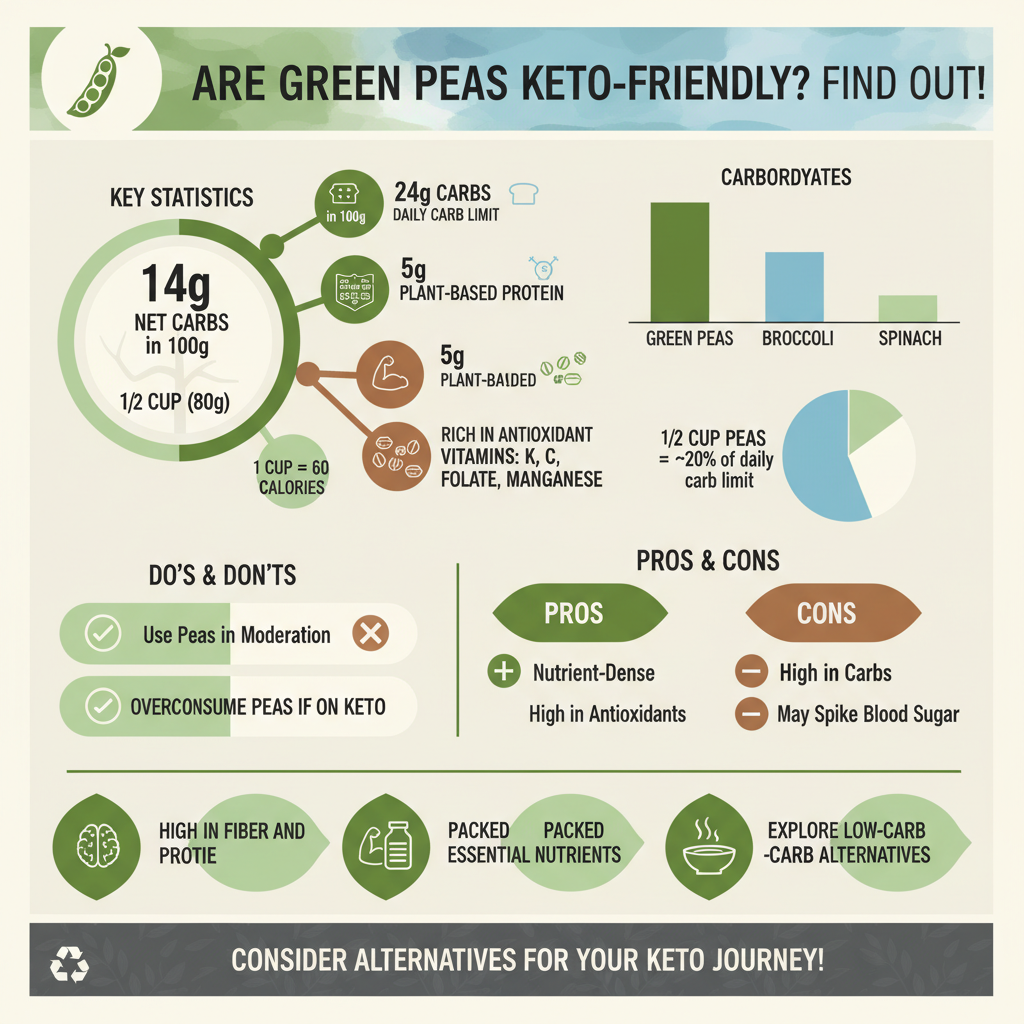

A standard ketogenic diet emphasizes a significant reduction in carbohydrate intake, typically limiting it to 20-50 grams per day. Given that a 100-gram serving of green peas contains about 14 grams of carbohydrates, consuming even a small portion can quickly deplete the daily allowance for many individuals striving to stay in ketosis. For instance, just half a cup of cooked green peas (approximately 80 grams) would contribute about 11 grams of net carbs, which could be a substantial portion of one’s daily carb limit on a ketogenic diet.
This high carbohydrate content is due to the natural sugars and starches present in green peas, which can spike blood sugar levels, making them less than ideal for those aiming to maintain a state of ketosis. Therefore, while green peas can be enjoyed in moderation, those following a strict low-carb regimen may need to seek alternatives that align more closely with their dietary goals.
Health Benefits of Green Peas
Despite their high carbohydrate content, green peas offer several health benefits that make them a valuable addition to a balanced diet. They are rich in antioxidants, which help reduce inflammation and oxidative stress within the body. This anti-inflammatory property is particularly beneficial in combating chronic diseases such as heart disease and diabetes.
In addition to antioxidants, green peas provide a good source of plant-based protein. This is particularly advantageous for individuals looking to maintain or build muscle mass while following a vegetarian or vegan lifestyle. The protein in green peas can help with muscle recovery and satiety, making it easier to manage weight effectively.
Moreover, their high fiber content supports digestive health by promoting regular bowel movements and preventing constipation. Fiber also plays a critical role in stabilizing blood sugar levels, which is essential for overall metabolic health. While green peas may not be the best choice for a strict keto diet, their nutritional profile makes them beneficial for a more moderate low-carb or balanced diet.
Alternatives to Green Peas on a Keto Diet
For those committed to a ketogenic lifestyle, numerous low-carb vegetable alternatives can replace green peas while still providing essential nutrients and flavors. Some excellent options include:
– Spinach: With only 3.6 grams of carbohydrates per 100 grams, spinach is a nutrient powerhouse rich in vitamins A, C, and K. It also provides iron and calcium, making it an ideal substitute for green peas in salads or sautéed dishes.
– Broccoli: This cruciferous vegetable contains about 7 grams of carbohydrates per 100 grams and is loaded with vitamins C and K, fiber, and antioxidants. Broccoli can be steamed, roasted, or added to stir-fries, offering a satisfying crunch and abundance of nutrients.
– Cauliflower: Often heralded as a versatile low-carb vegetable, cauliflower contains only 5 grams of carbohydrates per 100 grams. It can be used in various keto-friendly dishes, such as cauliflower rice or mashed cauliflower, providing a similar texture without the added carbs.
– Green Beans: With approximately 7 grams of carbohydrates per 100 grams, green beans serve as another excellent alternative. They can be steamed or sautéed and provide a crisp texture that can complement many dishes.
– Mushrooms: These fungi are exceptionally low in carbohydrates, with about 3.3 grams per 100 grams. They add a rich, umami flavor to dishes and can be used in salads, stir-fries, or as a meat substitute in various recipes.
By incorporating these low-carb vegetables into your diet, you can enjoy a diverse range of flavors and textures while adhering to your ketogenic goals.
Incorporating Green Peas in a Balanced Diet
While green peas may not be suitable for a strict ketogenic diet, they can still be enjoyed occasionally in a balanced diet. Moderation is key. For individuals not strictly adhering to keto, green peas can add nutritional value and color to meals. Pairing green peas with higher-fat foods can help balance macronutrient ratios. For example, incorporating green peas into a creamy risotto made with heavy cream or serving them alongside avocado can enhance the overall fat content of the meal, making it more compatible with a low-carb approach.
Additionally, consider using green peas as a garnish or a small side dish rather than the main component of a meal. This way, you can enjoy their flavor and nutritional benefits without exceeding your daily carbohydrate allowance.
Tips for Tracking Carbohydrates on Keto
Successfully following a ketogenic diet requires diligent tracking of carbohydrate intake. Here are a few tips to help you stay on track:
– Use Food Tracking Apps: Leverage technology by using food tracking applications like MyFitnessPal or Carb Manager. These tools allow you to log your meals and monitor your daily carbohydrate intake easily. Many apps also provide nutritional information for specific foods, making it easier to make informed choices.
– Be Mindful of Portion Sizes: Understanding serving sizes is crucial for managing carbohydrate intake. Use a kitchen scale or measuring cups to ensure accuracy when portioning out foods. Keeping track of how much you consume can prevent accidental overindulgence in higher-carb foods like green peas.
– Plan Meals Ahead: Planning your meals in advance can help you maintain control over your carbohydrate intake. Prepare keto-friendly recipes that incorporate low-carb vegetables and protein sources to keep you satisfied while adhering to your dietary goals.
– Educate Yourself: Familiarize yourself with the carbohydrate content of various foods. Knowing which foods are higher or lower in carbs can help you make better choices when grocery shopping or dining out.
In conclusion, while green peas are not considered keto-friendly due to their higher carbohydrate content, they are a nutritious option for those who can moderate their intake. Their health benefits, including antioxidants and plant-based protein, make them a valuable addition to a balanced diet. For strict ketogenic dieters, exploring low-carb vegetable alternatives can help maintain ketosis while still enjoying a wide variety of flavors and nutrients. Ultimately, understanding your dietary goals and making informed choices will lead to a successful and fulfilling eating experience.
Frequently Asked Questions
Are green peas considered keto-friendly?
Green peas are not typically considered keto-friendly due to their relatively high carbohydrate content. A 100-gram serving of green peas contains approximately 14 grams of carbohydrates, which may hinder your ability to stay within the strict carb limits of a ketogenic diet. If you’re following a keto diet, it’s essential to monitor your portion sizes and consider lower-carb alternatives like leafy greens or cruciferous vegetables.
How many carbs are in a serving of green peas?
A one-cup serving of cooked green peas contains about 21 grams of carbohydrates, with around 7 grams of fiber. This means the net carbs, which are the total carbs minus fiber, would be around 14 grams. For those following a strict keto diet, this amount can be significant, so it’s crucial to factor it into your daily carb intake.
Why should I avoid green peas on a keto diet?
The primary reason to avoid green peas on a keto diet is their carbohydrate content, which can disrupt ketosis, the metabolic state where your body burns fat for fuel instead of carbs. Since keto typically allows for only 20-50 grams of carbs per day, consuming foods high in carbs like green peas can quickly exceed this limit and make it challenging to maintain ketosis.
What are some low-carb alternatives to green peas for a keto diet?
If you’re looking for low-carb alternatives to green peas on a keto diet, consider options like spinach, kale, and broccoli. These vegetables are not only lower in carbohydrates but also packed with essential vitamins and minerals. Additionally, cauliflower is a versatile substitute that can be used in various dishes, providing similar texture without the added carbs.
Which vegetables are best for a ketogenic diet?
The best vegetables for a ketogenic diet are those that are low in carbohydrates and high in nutrients. Cruciferous vegetables such as broccoli, cauliflower, and Brussels sprouts, along with leafy greens like spinach and kale, are excellent choices. These options provide fiber and essential vitamins while keeping your carbohydrate intake in check, helping you maintain ketosis effectively.
References
- https://www.healthline.com/nutrition/are-peas-keto
- https://www.verywellfit.com/are-peas-keto-friendly-5118197
- Low-Carb Vegetables – Visual Guide to the Best and Worst — Diet Doctor
- https://www.ncbi.nlm.nih.gov/pmc/articles/PMC7010569/
- https://www.ncbi.nlm.nih.gov/pmc/articles/PMC6332948/
- https://www.mayoclinic.org/healthy-lifestyle/nutrition-and-healthy-eating/expert-answers/low-carb-diet/faq-20058373