

Garbanzo beans aren’t typically considered keto-friendly due to their high carbohydrate content, containing around 22 grams per serving. While they’re nutritious and provide health benefits like fiber and protein, their carbs can disrupt ketosis. If you’re on a strict keto diet, it’s crucial to monitor your portions carefully and pair them with low-carb vegetables. There are also alternative options that fit better within a keto framework, which you might find intriguing.
Understanding the Nutritional Profile of Garbanzo Beans
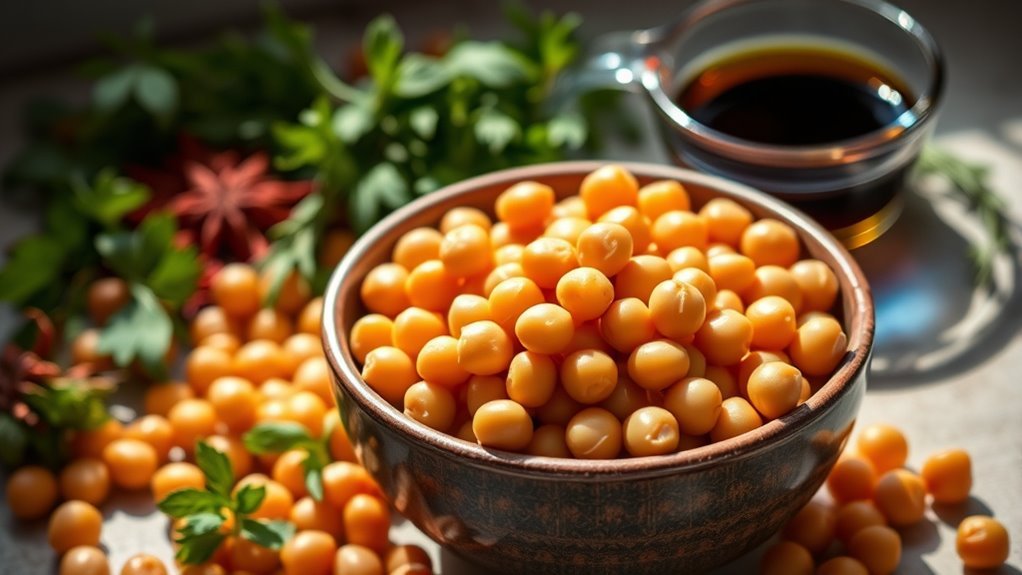
Garbanzo beans, also known as chickpeas, are a popular legume that packs a nutritional punch. With a rich history dating back thousands of years, these beans have been a staple in various cuisines, from Middle Eastern hummus to Indian curries. They’re loaded with protein, fiber, and essential vitamins, making them a versatile ingredient in countless dishes. You can incorporate garbanzos into salads, soups, or even as a meat substitute, enhancing both flavor and nutrition. Their culinary uses are diverse, appealing to those seeking plant-based options or simply looking to add variety to their meals. Understanding their nutritional profile can empower you to make informed dietary choices while enjoying the freedom of delicious, healthful eating.
Carbohydrate Content and Its Impact on Keto
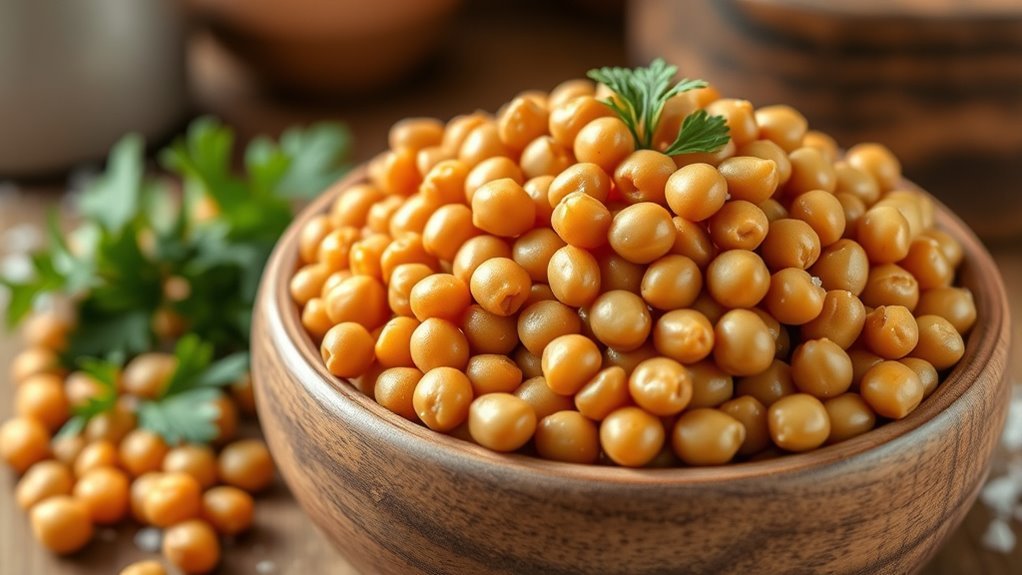
When considering garbanzo beans on a keto diet, it’s essential to examine their carbohydrate content. With a typical serving containing around 22 grams of carbs, you may find that it exceeds the daily limit many aim for on keto. Exploring alternatives can help you maintain ketosis while still enjoying nutritious options. Incorporating low-carb alternatives can provide similar textures and flavors without compromising your dietary goals.
Garbanzo Beans Nutritional Profile
Although garbanzo beans are often celebrated for their nutritional benefits, their carbohydrate content poses a challenge for those following a ketogenic diet. With approximately 27 grams of carbohydrates per cup, garbanzo beans can greatly impact your carb intake. While they provide a rich source of protein, fiber, and essential vitamins and minerals, their high carbohydrate count complicates their inclusion in a strict keto meal plan. You’ll need to take into account how these beans fit into your daily macronutrient goals. If you’re seeking freedom in your dietary choices while maintaining ketosis, being aware of the nutritional value of garbanzo beans is essential. Balancing their benefits against your carb limits will help you make informed decisions.
Carb Limits on Keto
To maintain ketosis effectively, understanding carbohydrate limits is essential for anyone on a ketogenic diet. The goal is generally to keep your daily carb intake between 20 to 50 grams. Carb counting helps you stay within these limits, ensuring your body remains in a fat-burning state. One cooked cup of chickpeas contains about 45 grams of carbohydrates, which is high for a strict keto diet.
| Category | Grams of Carbs | Net Carbs (after fiber) |
|---|---|---|
| Low Carb Foods | 5-10 | 1-5 |
| Moderate Foods | 10-20 | 5-15 |
| High Carb Foods | 20+ | 15 |
Alternatives to Garbanzo Beans
Are you looking for low-carb alternatives to garbanzo beans that won’t derail your ketogenic diet? Consider exploring options like black soybeans or green beans, both of which offer considerably lower carb counts while still delivering protein and fiber. Black soybeans contain around 1 gram of net carbs per half-cup, making them an excellent chickpea substitute. You might also try lentils, but be mindful—while they’re nutritious, they have a higher carb content than some other low carb legumes. Edamame is another great choice, providing about 4 grams of net carbs per half-cup. By incorporating these alternatives, you can maintain your carb limits while still enjoying the versatility of legumes in your keto lifestyle. Additionally, it’s essential to be aware of carbohydrate content in various legumes to ensure they fit within your daily limits.
Comparing Garbanzo Beans to Other Legumes
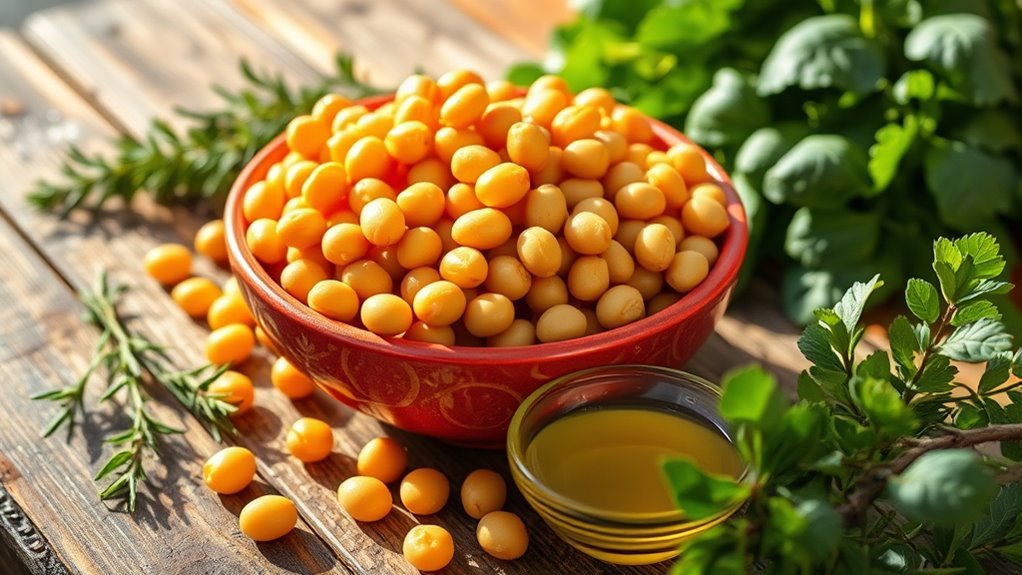
When you compare garbanzo beans to other legumes, you’ll find distinct differences in their nutritional profiles and carbohydrate content. For instance, while garbanzo beans are relatively high in protein and fiber, other legumes like lentils may offer lower carb options. Understanding these variations can help you make informed choices that align with your health goals, especially on a keto diet.
Nutritional Profile Comparison
Although garbanzo beans, also known as chickpeas, are often celebrated for their versatility and rich flavor, their nutritional profile warrants a closer look, especially when compared to other legumes.
| Legume | Protein (g) | Fiber (g) |
|---|---|---|
| Garbanzo Beans | 15 | 12 |
| Lentils | 18 | 16 |
| Black Beans | 15 | 15 |
| Kidney Beans | 15 | 13 |
| Peas | 8 | 8 |
Garbanzo beans offer notable nutritional benefits, including a good balance of protein and fiber. However, when stacked against lentils and black beans, they may not always come out on top. Understanding these differences can help you make informed dietary choices. Additionally, it’s important to note that many beans have a high carbohydrate content that can impact ketosis status, which is crucial for those following a keto diet.
Carb Content Analysis
Carb content plays an important role in determining the suitability of garbanzo beans for a ketogenic diet, especially when compared to other legumes. Garbanzo beans contain about 27 grams of carbohydrates per cooked cup, considerably higher than options like green beans or spinach. For those on a keto diet, where daily carb intake typically hovers around 20-50 grams, this can be quite limiting. In contrast, black beans offer a similar carb count, while lentils can range from 20 to 30 grams. If you’re aiming for a low-carb lifestyle, it’s essential to explore alternatives that provide fewer carbs. Ultimately, if you want to enjoy legumes without derailing your keto goals, moderation is key with garbanzo beans. Their high fiber content can help promote satiety, making it easier to manage overall calorie intake.
Health Benefits Overview
Garbanzo beans, often celebrated for their nutritional profile, provide several health benefits that make them a popular choice among legumes. Compared to other legumes, they stand out due to their unique health advantages:
- High in Protein: Garbanzo beans contain more protein than many other legumes, making them a great meat alternative.
- Rich in Fiber: They’re packed with soluble fiber, promoting digestive health and helping to regulate blood sugar levels.
- Low Glycemic Index: Their low glycemic index means they won’t spike your blood sugar, offering a steady energy release.
With their impressive nutritional value, garbanzo beans can enhance your diet while supporting overall well-being, making them a worthy addition to your health-conscious meals. Additionally, their high dietary fiber content contributes to heart health and weight management, further emphasizing their role in a balanced diet.
Benefits of Including Garbanzo Beans in Your Diet
Including garbanzo beans in your diet can markedly enhance your nutritional intake, especially when you’re looking for plant-based protein sources. These legumes are packed with nutrient density, offering essential vitamins and minerals while delivering impressive fiber benefits. This fiber can help regulate digestion, keeping you feeling fuller longer and supporting weight management.
| Nutrient | Amount per 100g | Benefits |
|---|---|---|
| Protein | 19g | Supports muscle growth |
| Fiber | 7.6g | Aids digestion |
| Iron | 2.9mg | Boosts energy and immunity |
Tips for Incorporating Garbanzo Beans on Keto
When you’re following a keto diet, incorporating garbanzo beans can be a bit challenging due to their higher carbohydrate content. However, with the right approach, you can still enjoy them in moderation. Here are some tips to take into account:
Incorporating garbanzo beans on a keto diet is challenging but possible with moderation and creativity.
- Mix with low-carb veggies: Pair garbanzo beans with spinach, zucchini, or cauliflower to balance the carb count.
- Use in small portions: Incorporate them into salads or soups as a garnish rather than the main ingredient.
- Explore garbanzo bean recipes: Look for keto-friendly recipes that use them creatively, like roasted garbanzo snacks or hummus made with low-carb ingredients.
These keto meal ideas can help you enjoy the nutritional benefits of garbanzo beans without derailing your diet goals.
Alternative Options to Consider for a Keto Diet
If you’re looking for alternatives to garbanzo beans on a keto diet, there are plenty of options that can provide similar nutritional benefits without the higher carb count. Consider incorporating low carb vegetables like zucchini, cauliflower, or spinach into your meals. These veggies are nutrient-dense and can be prepared in various ways, offering versatility in your recipes. Additionally, you might enjoy keto friendly snacks such as nuts, seeds, or cheese crisps, which deliver healthy fats and protein while keeping carbs low. Edamame is another excellent choice, as it’s high in protein and low in carbs. By exploring these alternatives, you can maintain your keto lifestyle without feeling deprived of flavor or nutrition. Incorporating leafy greens into your meals can also enhance your overall health while keeping carb counts low.
Frequently Asked Questions
Can I Eat Garbanzo Beans on a Low-Carb Diet?
You can eat garbanzo beans on a low-carb diet, but you should be mindful of portion sizes. While they’re nutritious and packed with fiber and protein, they also contain carbohydrates. A typical serving has about 22 grams of carbs, which may not fit into your daily carb limits. If you’re aiming for strict carb restriction, it might be best to enjoy them in moderation or consider alternatives that are lower in carbs.
Are There Any Keto-Friendly Recipes Using Garbanzo Beans?
You can certainly whip up some delicious keto-friendly recipes with garbanzo beans! Picture a vibrant garbanzo bean salad, bursting with fresh veggies and drizzled with a tangy dressing. Or how about a creamy garbanzo bean dip, perfect for pairing with crunchy veggies? While garbanzo beans aren’t the lowest in carbs, using them in moderation can add flavor and texture to your meals, giving you the freedom to enjoy diverse, satisfying dishes on your low-carb journey.
How Do Garbanzo Beans Affect Weight Loss on Keto?
Garbanzo beans can impact weight loss on a ketogenic diet due to their relatively high carbohydrate content. While they offer protein and fiber, which can help you feel full, consuming them in large amounts may hinder your ability to stay in ketosis. If you’re aiming for weight loss, it’s essential to monitor your total carb intake. Balance is key, so consider using them sparingly in your meals to achieve your keto goals.
Are Roasted Garbanzo Beans Keto-Approved Snacks?
Roasted garbanzo beans can be a delightful gem in your snack repertoire, offering nutritional benefits like protein and fiber. However, if you’re aiming for strict keto adherence, you’ll want to be cautious. These beans contain more carbohydrates than typical keto snacks, which could hinder your progress. If you’re looking for snack alternatives, consider moderation or pairing them with high-fat options to keep your macros balanced while enjoying their nutty flavor.
What Portion Size of Garbanzo Beans Is Keto-Friendly?
For a keto-friendly option, you should limit your portion of garbanzo beans to about ¼ cup, which contains roughly 9 grams of carbs. Practicing portion control is essential here; while garbanzo beans are nutritious, their carb content can add up quickly. If you want to enjoy them, consider balancing them with low-carb foods in your meals to stay within your daily carb limit while still savoring their flavor and health benefits.
Frequently Asked Questions about Garbanzo Beans and Keto Diet
1. Are garbanzo beans considered keto friendly?
Garbanzo beans, also known as chickpeas, are not considered keto-friendly due to their relatively high carbohydrate content. A standard serving (approximately 1/2 cup) contains around 20 grams of carbohydrates, making it challenging to fit into a strict ketogenic diet, which typically limits daily carb intake to about 20-50 grams.
2. Can I eat garbanzo beans on a low-carb diet?
Yes, you can consume garbanzo beans on a low-carb diet, but portion control is essential. While they are higher in carbs compared to other legumes, they are also rich in fiber and protein, which can help you feel fuller. Consider incorporating small quantities into your meals while balancing your overall carbohydrate intake.
3. What are some keto-friendly alternatives to garbanzo beans?
For those following a ketogenic diet, some good alternatives to garbanzo beans include cauliflower, zucchini, and mushrooms. These low-carb vegetables can be used in various recipes to mimic the texture and bulk that garbanzo beans provide without the high carb count.
4. What are the health benefits of garbanzo beans?
Garbanzo beans are a nutritious source of protein, fiber, vitamins, and minerals. They can help improve digestive health, support heart health by lowering cholesterol levels, and stabilize blood sugar levels due to their high fiber content. However, if you are on a strict keto diet, the benefits should be weighed against their carbohydrate content.
5. How can I incorporate garbanzo beans into my diet without exceeding my carb limit?
If you want to include garbanzo beans in your diet while adhering to a low-carb or keto plan, consider using them in moderation. You could add a small amount to salads, soups, or stews for flavor and texture. Additionally, combining them with low-carb ingredients can help keep your overall carb count in check.
References
- https://www.ncbi.nlm.nih.gov/pmc/articles/PMC7038345/
- https://www.health.harvard.edu/staying-healthy/the-truth-about-carbs
- https://www.ncbi.nlm.nih.gov/pmc/articles/PMC6313445/
- https://www.mayoclinic.org/healthy-lifestyle/nutrition-and-healthy-eating/in-depth/low-carb-diet/art-20045897
- https://www.medicalnewstoday.com/articles/323237
- https://www.eatright.org/food/nutrition/dietary-guidelines-and-myplate/the-ketogenic-diet
- https://www.verywellfit.com/the-ketogenic-diet-5180536

