

Fruits can be included in a keto diet, but with caution and moderation. While many fruits are high in carbohydrates, some can fit into your daily carb limit. In this article, we’ll explore which fruits are keto-friendly, how to incorporate them into your diet, and what to avoid. Understanding the balance between enjoying fruits and maintaining ketosis is essential for anyone following a ketogenic lifestyle.
Understanding the Keto Diet

The keto diet is a low-carb, high-fat eating plan aimed at inducing ketosis, a metabolic state in which the body burns fat for fuel instead of carbohydrates. This shift in energy sources is achieved by drastically reducing carbohydrate intake, typically to around 20 to 50 grams per day, depending on individual metabolic responses and activity levels. In this state, the body converts fat into ketones, which serve as an alternative energy source. The effectiveness of this diet relies heavily on understanding the macronutrient composition of foods, particularly carbohydrates, as even small amounts can affect the state of ketosis.
Carbohydrates in Fruits
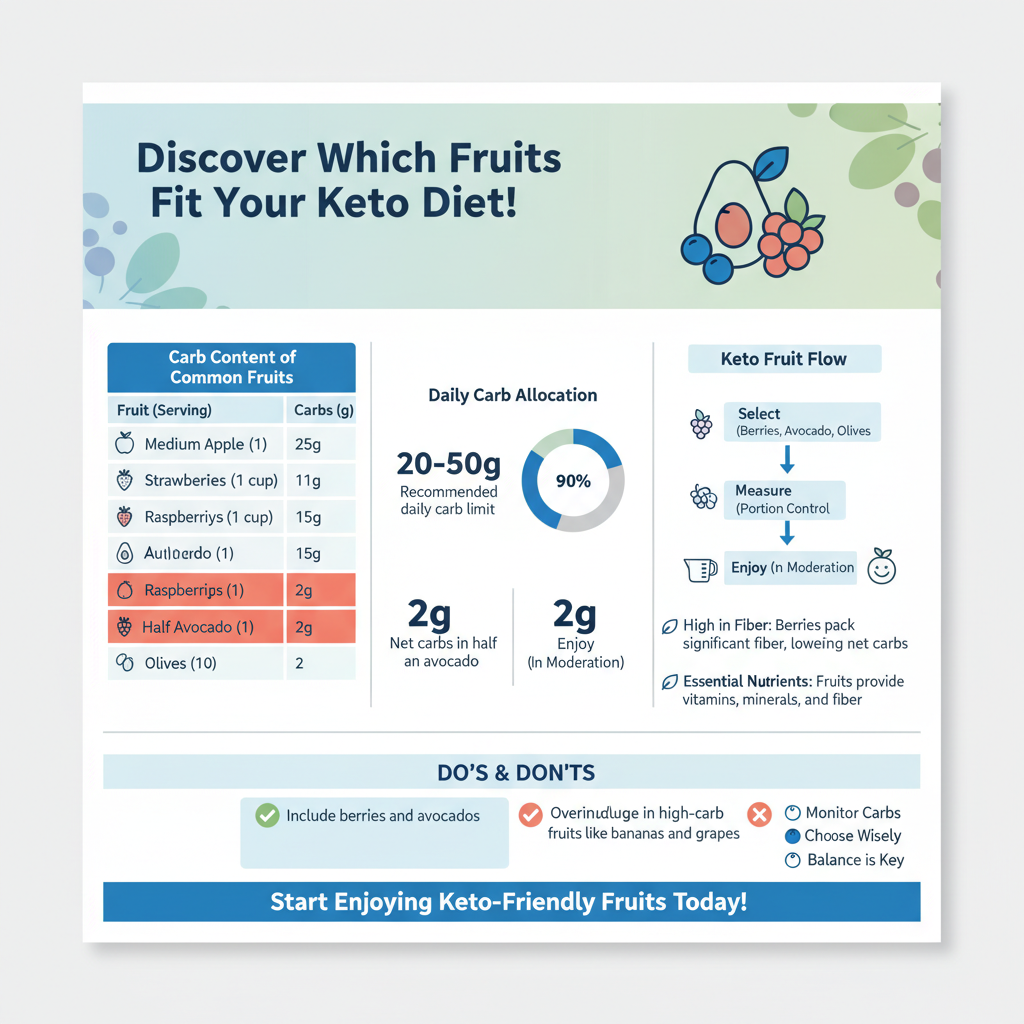

Fruits generally contain natural sugars, which can raise carb intake significantly. The carbohydrate content in fruits varies widely; for instance, while an apple may contain around 25 grams of carbohydrates, a serving of strawberries might only have about 11 grams. This disparity is crucial for anyone on a keto diet, as exceeding the daily carb limit can disrupt ketosis and lead to weight gain or hinder weight loss efforts. Additionally, fruits provide essential vitamins, minerals, and fiber, making it important to select those that align with your dietary goals. Understanding the carbohydrate content allows for informed choices that can help maintain the ketogenic state while still enjoying the benefits of fruits.
Keto-Friendly Fruits
Certain fruits can fit into a keto diet due to their lower carbohydrate content.
– Berries: Strawberries, raspberries, and blackberries are excellent choices as they are relatively low in carbs compared to other fruits. For instance, a cup of raspberries contains approximately 15 grams of carbohydrates but also packs a significant amount of fiber, which mitigates the net carb impact. Incorporating these berries into smoothies or as toppings for keto-friendly desserts can provide a sweet treat without overshooting your carb limit.
– Avocados: Technically a fruit, avocados are exceptionally keto-friendly. They are high in healthy fats, particularly monounsaturated fats, and contain only about 2 grams of net carbs per half avocado. Their creamy texture makes them a versatile ingredient in both savory and sweet dishes, from salads to keto desserts, providing a rich source of nutrients while keeping carb counts low.
– Olives: Another fruit that fits well within a keto framework is olives. Packed with healthy fats and antioxidants, olives have about 4 to 6 grams of carbs per 100 grams, making them an ideal low-carb snack or ingredient to enhance salads and Mediterranean dishes.
Fruits to Avoid on Keto
While some fruits can be enjoyed on a keto diet, others are best avoided due to their high sugar content.
– High-sugar fruits: Bananas, grapes, and cherries are usually too high in carbs for a ketogenic diet. For example, a medium banana contains around 27 grams of carbohydrates, which can quickly consume a significant portion of your daily carb allowance. Similarly, grapes and cherries are often overlooked but can lead to unexpected carb intake if consumed in larger quantities.
– Dried fruits: Dried fruits such as raisins, apricots, and dates are concentrated sources of sugar and should be avoided. The dehydration process removes water content but retains the sugar, leading to a much higher carbohydrate count in a smaller serving size. For instance, a small serving of raisins can contain around 34 grams of carbs, making them unsuitable for a keto diet.
Tips for Including Fruits in Your Keto Diet
Incorporating fruits into your keto diet requires strategic planning and mindful consumption.
– Portion control: Limiting your serving sizes is essential to stay within your carb limits. Keeping track of the net carbs in each serving can help manage your overall intake. For example, a half-cup of blueberries contains approximately 10 grams of carbs, which is manageable when balanced with your other meals throughout the day.
– Pair with fats: Combining fruits with healthy fats can help reduce blood sugar spikes and improve satiety. For instance, serving berries with a dollop of whipped cream made from heavy cream or mixing sliced avocado with lime juice can create delicious, satisfying snacks that align with keto principles.
Alternatives to Sugar in Fruits
If you’re looking for sweetness without the carbs, there are effective alternatives that can enhance your meals.
– Use low-carb sweeteners: Consider options like stevia or erythritol for recipes that call for sweetness. These sweeteners provide the flavor without the calories and carbs associated with traditional sugars. They can be used in smoothies, baking, or even sprinkled over fruit for added flavor.
– Focus on flavor: Experimenting with spices can enhance the natural sweetness of keto-friendly fruits without adding carbs. For instance, adding cinnamon or nutmeg to berries can create a delicious treat that satisfies your sweet tooth while remaining within your dietary restrictions.
Incorporating fruits into a keto diet requires careful selection and moderation. By focusing on lower-carb options and understanding their carbohydrate content, you can enjoy fruits without jeopardizing your keto goals. Start experimenting with keto-friendly fruits today and find delicious ways to enhance your meals! Emphasizing portion control and pairing fruits with healthy fats can further allow you to indulge while maintaining your dietary objectives.
Frequently Asked Questions
What fruits are considered keto-friendly?
Keto-friendly fruits are typically low in carbohydrates and high in fiber, making them suitable for a ketogenic diet. Berries such as strawberries, raspberries, and blackberries are excellent choices due to their lower sugar content. Other options include avocados, which are technically a fruit and very low in carbs, as well as olives and tomatoes, which can enhance your meals without compromising ketosis.
How can I incorporate fruits into my keto diet without exceeding carb limits?
Incorporating fruits into a keto diet requires careful planning to avoid exceeding daily carbohydrate limits, usually around 20-50 grams. Focus on small portions of low-carb fruits like berries and pair them with high-fat foods, such as Greek yogurt or nut butter, to enhance flavor and nutritional value. Additionally, tracking your carb intake using apps can help you maintain your desired macronutrient balance.
Why should I limit fruit consumption on a keto diet?
Limiting fruit consumption on a keto diet is essential because many fruits are high in sugars, which can increase overall carbohydrate intake and potentially kick you out of ketosis. Since the goal of a ketogenic diet is to shift your body into a state of fat-burning, consuming high-sugar fruits can hinder this process. Instead, focusing on low-carb fruits allows you to enjoy the benefits of fruits while staying within your carb limits.
Which fruits should I avoid completely on a keto diet?
On a keto diet, it’s best to avoid high-sugar fruits that can significantly increase your carbohydrate intake. Fruits such as bananas, grapes, apples, and mangoes are high in natural sugars and can easily push you over your daily carb limit. Instead, opt for low-carb alternatives like berries and melons in moderation to satisfy your sweet cravings without compromising ketosis.
What are the best ways to enjoy fruits while following a ketogenic diet?
To enjoy fruits on a ketogenic diet, focus on creative and low-carb ways to incorporate them into your meals. You can make berry smoothies with unsweetened almond milk, add avocado slices to salads, or create a refreshing salsa with diced tomatoes and herbs. Additionally, using fruits as garnishes or toppings can add flavor without adding too many carbs, allowing you to enjoy the taste of fruits while adhering to your keto lifestyle.
References
- https://www.healthline.com/nutrition/keto-fruits
- https://www.webmd.com/diet/obesity/what-is-the-keto-diet
- https://www.ncbi.nlm.nih.gov/pmc/articles/PMC6837711/
- Fruits and berries: The Best Fruits on a Keto Diet – Diet Doctor
- https://www.cdc.gov/healthyweight/healthy_eating/fruits.html
- https://www.verywellfit.com/keto-friendly-fruits-5118457
- How to lose weight: Tips and next steps
- https://www.nutrition.org.uk/healthyliving/basics/what-is-the-keto-diet.html