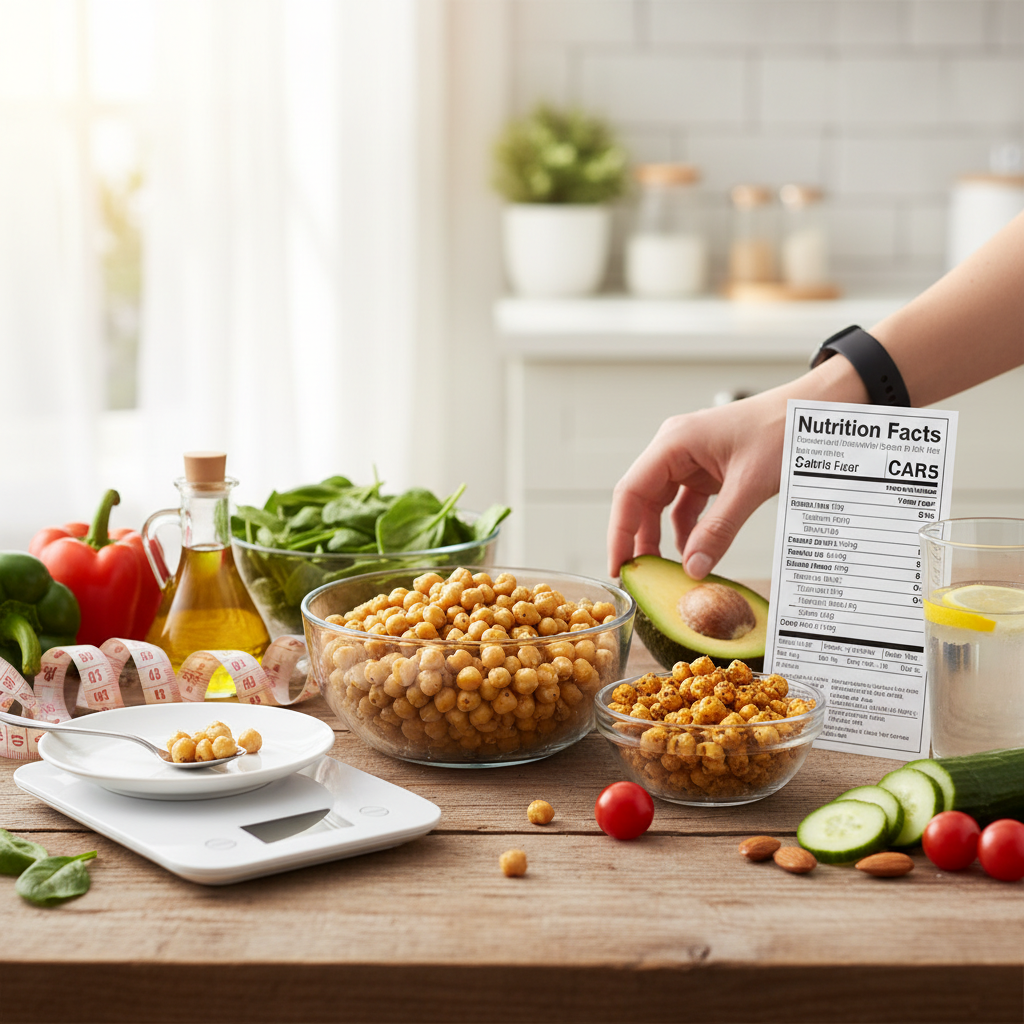

Chickpeas are not typically considered keto-friendly due to their higher carb content. In this article, we’ll explore the nutritional profile of chickpeas, how they fit into a ketogenic diet, and what alternatives might be better suited for those following strict keto guidelines. While chickpeas offer numerous health benefits, their carbohydrate composition may pose challenges for individuals aiming to maintain a state of ketosis.
Nutritional Profile of Chickpeas

Chickpeas, also known as garbanzo beans, are a popular legume with a rich nutritional profile. One cup of cooked chickpeas contains approximately 27 grams of carbohydrates, which is significantly higher than what is generally acceptable on a ketogenic diet, where the daily carbohydrate intake is typically limited to around 20-50 grams. In addition to their carbohydrate content, chickpeas are a good source of protein, providing about 15 grams per cup, and they are rich in dietary fiber, with around 12 grams, which can aid in digestive health.
Beyond macronutrients, chickpeas are packed with essential vitamins and minerals. They contain significant amounts of folate, iron, magnesium, and manganese. These nutrients contribute to various bodily functions, including immune support, energy production, and muscle function. However, the high carbohydrate content makes chickpeas less favorable for those strictly adhering to a ketogenic diet.
How Chickpeas Impact Ketosis
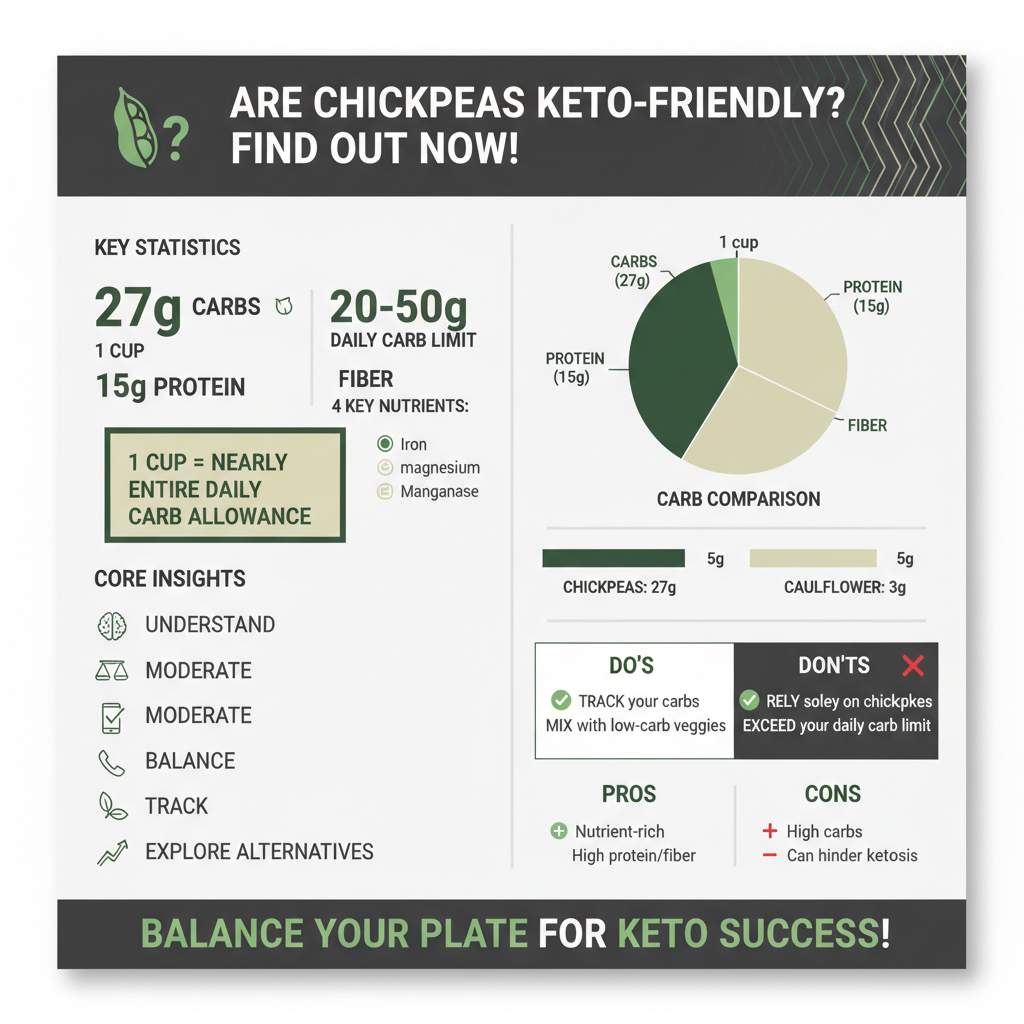
The primary goal of a ketogenic diet is to achieve and maintain a state of ketosis, where the body shifts from using glucose as its primary energy source to using fat. Consuming foods high in carbohydrates, such as chickpeas, can hinder this process. Since one cup of chickpeas can account for nearly the entire daily carbohydrate allowance of a strict keto plan, it is crucial to understand how they fit into your overall macronutrient distribution.
For those who want to incorporate chickpeas into their diet, it is essential to monitor your daily carbohydrate intake closely. If you choose to consume chickpeas, consider doing so in moderation and balancing your plate with other low-carb foods to ensure you maintain ketosis. Utilizing tools such as food diaries or macro-tracking apps can help you stay on track with your carb limits while allowing for occasional chickpea consumption.
Alternatives to Chickpeas on Keto
If you’re committed to a strict ketogenic diet but still crave the texture and flavor profile of chickpeas, there are several low-carb alternatives to consider. For instance, green beans, zucchini, and cauliflower can replicate the texture of chickpeas in various dishes while significantly reducing carbohydrate intake.
Incorporating protein-rich foods such as tofu or tempeh can also provide that hearty, satisfying element to your meals without the added carbs. These alternatives not only cater to your nutritional needs but also allow for culinary creativity. For instance, you can create a zucchini-based hummus or a cauliflower salad that mimics traditional chickpea dishes, ensuring that your meals remain enjoyable and compliant with your dietary goals.
The Role of Portion Control
If you decide to incorporate chickpeas into your keto diet, portion control becomes paramount. Limiting your intake to small servings can help you stay within your carb limit while still enjoying the nutritional benefits chickpeas offer. For example, using a quarter cup of chickpeas instead of a full cup can help you add flavor and nutrients to your meal without exceeding your carbohydrate goals for the day.
Additionally, balancing chickpea intake with other low-carb foods can help maintain nutritional equilibrium. Pairing a small portion of chickpeas with leafy greens or non-starchy vegetables can create a wholesome and satisfying meal that still aligns with your keto objectives.
Recipes Featuring Chickpeas and Keto Alternatives
While chickpeas can be challenging to include in a keto diet, creative recipe adaptations can help you enjoy their flavors without compromising your carb limits. For example, consider making a chickpea salad by using a small portion of chickpeas combined with plenty of low-carb vegetables like cucumbers, bell peppers, and avocados. Dress it with olive oil and lemon juice for a refreshing side dish.
Alternatively, try a zucchini hummus, which can be made by blending roasted zucchini, tahini, garlic, and lemon juice. This recipe captures the essence of traditional hummus while keeping carbohydrates in check. Furthermore, cauliflower can be seasoned and roasted to create a versatile ingredient that can substitute for chickpeas in many dishes. The possibilities are endless, allowing you to explore flavors while adhering to your dietary guidelines.
Expert Opinions and Studies
Nutritionists generally agree that while chickpeas have health benefits, their high carbohydrate content makes them less suitable for a ketogenic diet. Experts advise individuals following keto to prioritize low-carb vegetables and protein sources to maintain ketosis effectively. Recent studies have shown that while legumes like chickpeas can be part of a balanced diet, their role in a ketogenic context requires careful consideration of carbohydrate intake.
Research indicates that the benefits of legumes, such as improved heart health and better glycemic control, may not align well with the goals of a ketogenic lifestyle. It is essential to take a personalized approach when determining how to incorporate foods like chickpeas into your diet, emphasizing moderation and balance.
In summary, understanding the nutritional profile of chickpeas and their potential impact on ketosis allows for informed dietary choices. While they are not inherently keto-friendly, with mindful consumption and smart alternatives, you can navigate a ketogenic lifestyle without missing out on the flavors you enjoy.
Chickpeas may not be the best choice for a strict ketogenic diet due to their high carbohydrate content. However, understanding how to incorporate them mindfully or substituting them with lower-carb options can help you enjoy a balanced diet. Explore alternatives, adjust portions, and get creative in the kitchen to maintain your keto lifestyle!
Frequently Asked Questions
Are chickpeas keto-friendly?
Chickpeas are generally not considered keto-friendly due to their relatively high carbohydrate content. A typical serving of cooked chickpeas contains about 27 grams of carbs, which can make it challenging to fit them into a strict ketogenic diet that typically limits daily carb intake to around 20-50 grams. However, they can be consumed in moderation if you can account for the carbs within your daily limit.
How many carbs are in chickpeas, and how does this affect a keto diet?
One cup of cooked chickpeas contains approximately 45 grams of carbohydrates, which can significantly impact a ketogenic diet. Given that the keto diet prioritizes high-fat and low-carb intake, consuming a full serving of chickpeas would likely exceed your daily carb allowance, making it difficult to maintain ketosis. For those on a keto diet, it’s essential to monitor portion sizes carefully if you choose to include chickpeas occasionally.
Why do some people consider chickpeas a healthy option despite their carb content?
Despite their higher carbohydrate content, chickpeas are rich in protein, fiber, vitamins, and minerals, making them a nutritious option for many diets outside of keto. They provide sustained energy, help with digestion, and may contribute to heart health. For individuals not strictly adhering to a keto diet, chickpeas can be a valuable part of a balanced, healthy eating plan.
What are some low-carb alternatives to chickpeas for a keto diet?
If you’re looking for low-carb alternatives to chickpeas on a keto diet, consider options like cauliflower, zucchini, or avocado. These vegetables provide similar textures and flavors in recipes, such as hummus or salads, without the high carb count. Additionally, you can try using hemp seeds or sunflower seeds, which are lower in carbs and high in healthy fats.
Which legumes can be consumed on a keto diet?
Most legumes, including lentils and beans, are too high in carbohydrates for a standard ketogenic diet. However, some options like black soybeans and edamame are lower in carbs and can be included in moderation. Always check the nutrition labels and track your total carb intake to ensure you stay within your keto guidelines while incorporating these legumes.
References
- Chickpea
- https://www.healthline.com/nutrition/chickpeas-keto
- https://www.ncbi.nlm.nih.gov/pmc/articles/PMC6836704/
- Type 2 diabetes: Using herbs and supplements
- https://www.dietvsdisease.org/chickpeas-and-keto/