

Carrots can be enjoyed in moderation on a keto diet, but they are not the most ideal choice due to their higher carbohydrate content compared to other low-carb vegetables. While they offer numerous health benefits, those strictly adhering to a ketogenic lifestyle may want to explore alternatives that better align with their dietary goals. In this article, we’ll delve into the nutritional profile of carrots, their impact on ketosis, and suitable substitutes for those committed to a low-carb regimen.
Nutritional Profile of Carrots
Carrots are often celebrated for their vibrant color and sweet flavor, but they also pack a nutritional punch. Containing approximately 9 grams of carbohydrates per 100 grams, carrots derive these carbs primarily from natural sugars and starches. This relatively high carbohydrate content means that while they can be consumed in moderation, they are not the best choice for those on a strict ketogenic diet.
In addition to carbohydrates, carrots are rich in vitamins and minerals. They are a significant source of vitamin A, which is essential for vision and immune function. One medium carrot can provide over 200% of the daily recommended intake of vitamin A. Moreover, they contain vitamin K, which plays a critical role in blood clotting and bone health, and vitamin C, an antioxidant that supports the immune system and skin health. Carrots also boast various antioxidants, such as beta-carotene, lutein, and zeaxanthin, which have been linked to health benefits, including improved eye health and reduced risk of chronic diseases.
Impact of Carrots on Ketosis
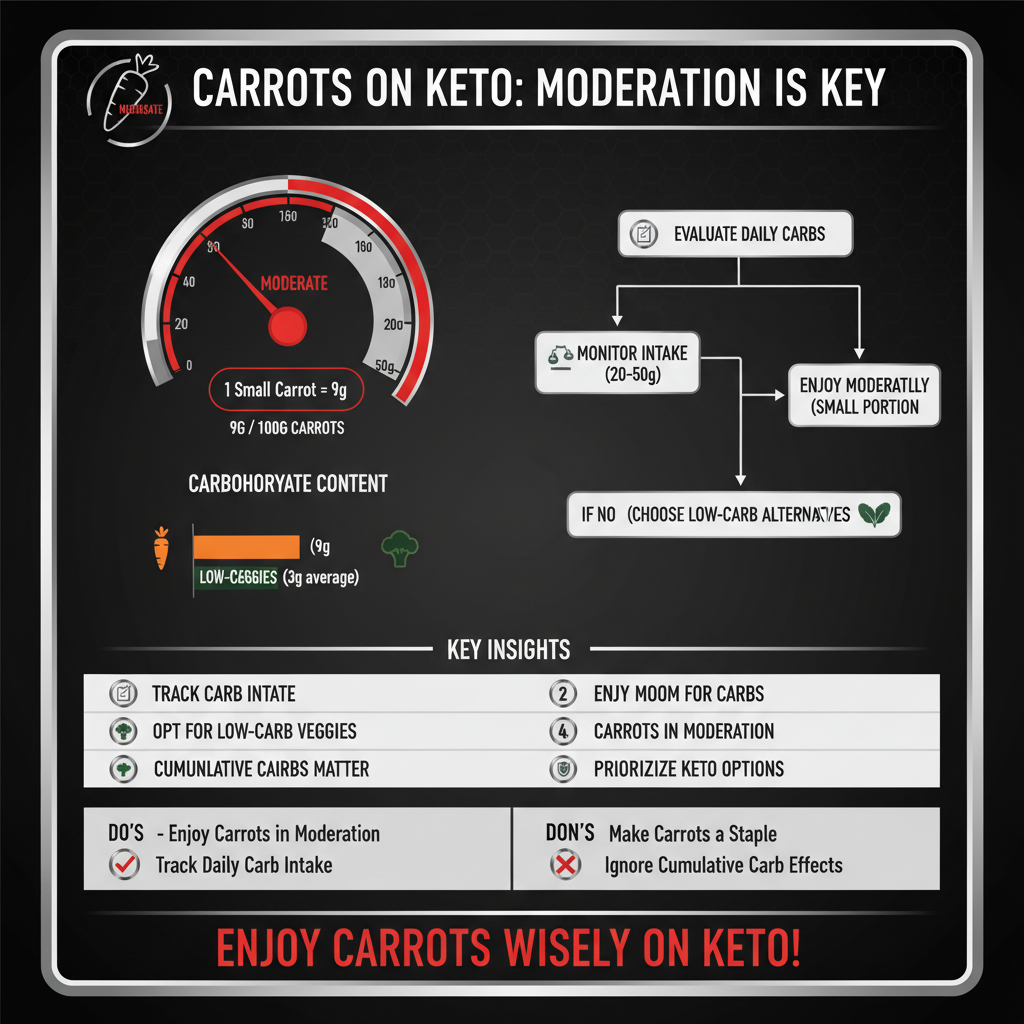

When considering the impact of carrots on ketosis, it’s essential to understand that the ketogenic diet is typically characterized by a significant reduction in carbohydrate intake—often to around 20-50 grams per day. Given that a 100-gram serving of carrots contains about 9 grams of carbohydrates, consuming them in larger quantities can quickly consume a significant portion of your daily carb allowance.
For those who are just starting on their keto journey, even small servings of carrots may pose a risk of disrupting ketosis if not accounted for in the overall daily carbohydrate intake. A small carrot or a few baby carrots may fit into a ketogenic meal plan; however, it is crucial to monitor the cumulative effect of all food consumed throughout the day. For optimal results while still enjoying the flavor profile of carrots, consider incorporating them as an occasional treat rather than a staple in your diet.
Alternatives to Carrots on Keto
For those seeking lower-carb vegetable options, several alternatives can easily be integrated into a ketogenic diet without jeopardizing ketosis. Spinach, for instance, is an excellent choice, as it contains only about 1 gram of carbohydrates per 100 grams. It’s rich in essential vitamins and minerals, making it a nutrient-dense option. Zucchini is another fantastic alternative, with approximately 3 grams of carbohydrates per 100 grams. It’s versatile and can be spiralized into “zoodles,” serving as a great pasta substitute.
Cauliflower is also a popular choice among keto dieters, containing about 5 grams of carbohydrates per 100 grams. Its versatility allows it to be used in various dishes, from cauliflower rice to mashed cauliflower, providing a satisfying texture while keeping carb counts low. These alternatives not only complement a ketogenic diet but also provide a range of nutrients essential for overall health.
Portion Control and Serving Suggestions
If you decide to include carrots in your ketogenic diet, portion control becomes paramount. Aim for small servings—such as a few baby carrots or a tablespoon of shredded carrots in a salad—to minimize carbohydrate intake. Incorporating carrots into meals in this way can allow you to enjoy their flavor without significantly impacting your carb count.
Moreover, pairing carrots with high-fat dips such as ranch dressing or guacamole can help balance out the carb intake. The fat content from these dips can also promote satiety, potentially decreasing overall caloric consumption. For example, using a small amount of shredded carrots as a topping on a salad loaded with leafy greens and high-fat toppings (like avocado or cheese) can enhance flavor while adhering to keto principles.
Incorporating Carrots Wisely
To enjoy the flavor of carrots without overstepping your carbohydrate limits, consider using them in ways that maximize their taste while minimizing their impact on ketosis. One approach is to use carrots for flavoring in stocks or broths. When simmered, their natural sweetness can enhance the overall taste of the dish without contributing a substantial number of carbs.
Another creative way to incorporate carrots is by roasting them along with other low-carb vegetables. This method caramelizes their sugars and intensifies their flavor, making them a delicious side dish. For instance, combining carrots with zucchini and broccoli tossed in olive oil and herbs can create a flavorful, keto-friendly accompaniment to your protein source.
In conclusion, while carrots can be included in a keto diet in moderation, it’s important to be mindful of portion sizes and overall carbohydrate intake. Opting for lower-carb vegetable alternatives may be a more effective strategy for maintaining ketosis. By understanding the nutritional profile of carrots and how they fit into a ketogenic lifestyle, you can make informed choices that align with your health goals. For more tips on navigating a keto lifestyle, explore our other resources and recipes.
Frequently Asked Questions
Are carrots low in carbs, making them suitable for a keto diet?
Carrots are not considered low in carbs; in fact, they contain about 9 grams of carbohydrates per 100 grams. While they can fit into a keto diet in moderation, consuming larger quantities may hinder your ability to stay in ketosis. If you’re following a strict ketogenic plan, it’s essential to monitor your total daily carb intake and consider portion sizes when including carrots.
How can I include carrots in my keto meal plan without exceeding my carb limit?
To include carrots in your keto meal plan while keeping your carb intake in check, consider using them as an occasional garnish or in small amounts within dishes. Opt for baby carrots or shredded carrots, which can add flavor and texture to salads or stir-fries without using too many carbs. Additionally, pairing them with a high-fat dip like ranch or guacamole can help balance your meal.
Why do some people say carrots are not keto-friendly?
Carrots are often considered not keto-friendly primarily due to their higher carbohydrate content compared to other non-starchy vegetables. In a standard ketogenic diet, the goal is to limit daily carb intake to about 20-50 grams, and consuming too many carrots can quickly consume this allowance. Therefore, many people on a strict keto diet prefer to choose lower-carb vegetables like leafy greens or zucchini.
What are some keto-friendly alternatives to carrots?
If you’re looking for keto-friendly alternatives to carrots, consider vegetables like celery, radishes, or bell peppers, which are lower in carbs. Cauliflower is another versatile option that can be used as a substitute in recipes that typically call for carrots. These alternatives offer similar crunch and flavor profiles while keeping your carbohydrate intake low.
Which cooking methods preserve the keto-friendliness of carrots?
To maintain the keto-friendliness of carrots while cooking, consider steaming, roasting, or eating them raw to retain their nutrients without adding excessive calories or carbs. Avoid boiling carrots, as this can lead to nutrient loss and may increase their glycemic index. Incorporating them into dishes with high-fat ingredients can also help keep your meals aligned with keto principles.