

Carrots can be included in a keto diet, but portion control is key. A medium carrot has about 6 grams of carbohydrates, which can fit into your daily allowance when balanced with low-carb foods. While they provide essential vitamins and fiber, their natural sugars might impact ketosis for some. If you’re curious about how to incorporate carrots and explore alternatives, the following sections offer insights and creative ideas for your meal planning.
Nutritional Overview of Carrots

Carrots are often lauded for their vibrant color and crunch, but their nutritional profile is equally impressive. You’ll find various carrot varieties, each packed with their unique set of nutrients. For instance, orange carrots are rich in beta-carotene, while purple ones contain anthocyanins, both of which offer significant health benefits. Carrots are an excellent source of vitamins A, C, and K, along with fiber, which can aid digestion and support overall health. Their low calorie content makes them a perfect addition to a balanced diet, allowing you the freedom to enjoy their natural sweetness without guilt. By incorporating different carrot varieties into your meals, you’ll not only enhance flavor but also improve your nutrient intake.
Carbohydrate Content of Carrots

While carrots are celebrated for their nutritional benefits, understanding their carbohydrate content is important, especially for those following a keto diet. Generally, a medium carrot contains about 6 grams of carbohydrates, which can impact your daily intake. Different carrot varieties may have varying carbohydrate levels, so knowing the specifics helps.
Understanding the carbohydrate content of carrots is crucial for those on a keto diet, as a medium carrot has about 6 grams of carbs.
- Raw carrots usually have lower carbs compared to cooked ones.
- Baby carrots tend to be sweeter, increasing their carbohydrate content.
- Carrot preparation methods, like roasting or juicing, can concentrate sugars.
- Portion control is key; smaller servings can fit better into a keto plan.
Impact of Carrots on Ketosis
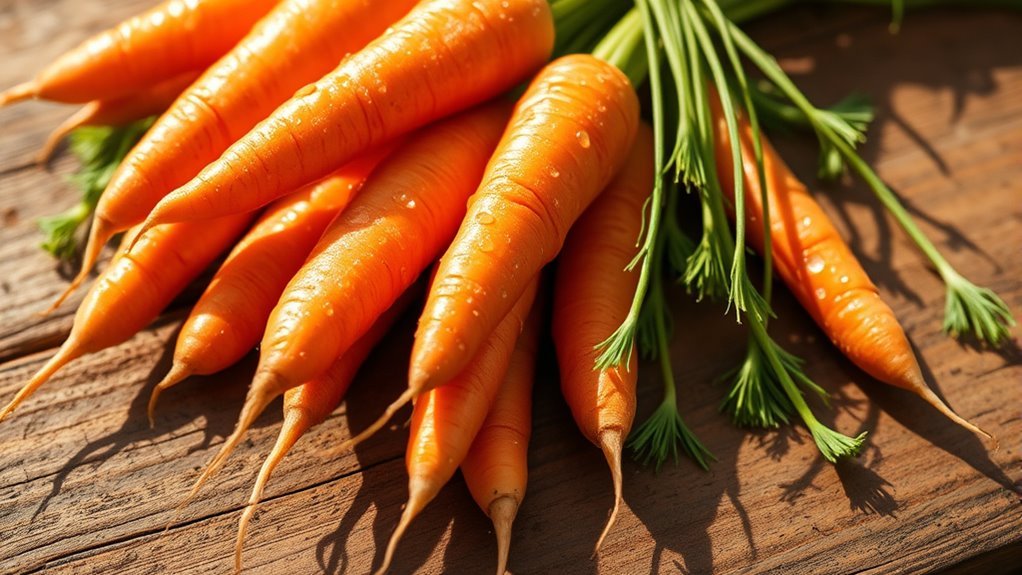
When considering the impact of carrots on ketosis, it is crucial to analyze their carbohydrate content, especially the balance between fiber and sugar. While carrots do contain sugars, their fiber content can help mitigate the overall glycemic load. Understanding this balance allows you to make informed choices about incorporating carrots into your ketogenic diet.
Carbohydrate Content Analysis
Although many people associate low-carb diets with the exclusion of certain vegetables, it’s important to analyze the carbohydrate content of carrots to understand their role in a ketogenic lifestyle. While some keto myths suggest all carrots should be avoided, the reality is more nuanced.
Consider these points about carrot varieties:
- Nutritional Value: Carrots are packed with vitamins and minerals.
- Carbohydrate Count: A medium carrot has about 6 grams of carbs.
- Portion Control: Smaller servings allow for inclusion without spiking your carb intake.
- Versatility: They can be incorporated into various dishes while maintaining flavor and nutrition.
Fiber vs. Sugar Ratio
Understanding the fiber-to-sugar ratio in carrots is essential for anyone following a ketogenic diet, as this balance can greatly impact your state of ketosis. Carrots contain various fiber types, primarily soluble and insoluble fibers, which can aid digestion and promote satiety. While they do have natural sugar sources, like glucose and fructose, the fiber content helps mitigate the overall carb impact. In a typical serving, carrots offer about 4 grams of sugar and 2 grams of fiber, resulting in a net carb count that might fit into your daily allowance. However, if you’re strict with carbs, you may want to limit your intake or opt for lower-sugar veggies. Ultimately, it’s all about finding the right balance for your goals.
Comparing Carrots to Other Vegetables
While many vegetables can fit into a keto diet, carrots often spark debate due to their natural sugar content. When comparing carrots to other vegetables, you’ll find various options that may align better with your keto goals.
Consider these points:
- Carrot Varieties: Different types, like baby or purple carrots, may have varying sugar levels.
- Net Carbs: Leafy greens like spinach and kale typically have lower net carbs than carrots.
- Fiber Content: Vegetables such as broccoli and cauliflower offer more fiber with fewer sugars.
- Nutritional Benefits: Each vegetable has unique vitamins and minerals, so diversity is key.
Ultimately, making informed vegetable comparisons can help you enjoy a keto lifestyle while still benefiting from the nutrients vegetables provide.
Benefits of Including Carrots in Your Diet
Including carrots in your diet can provide a range of health benefits, especially if you’re looking for a nutritious and flavorful addition to your meals. Carrots are packed with nutrients, offering high fiber content, vitamins A, C, and K, and essential minerals like potassium. Their nutrient density makes them a great choice for maintaining a balanced diet. The antioxidants in carrots, particularly beta-carotene, can support eye health and boost your immune system. Plus, they’re low in calories, which means you can enjoy them without the guilt. By incorporating carrots into your meals, you not only enhance flavor but also contribute to your overall well-being, making them a versatile choice for anyone seeking health benefits in their diet.
How to Incorporate Carrots in a Keto Meal Plan
If you’re following a keto meal plan, you might think that carrots are off-limits due to their natural sugars, but they can still play a valuable role in your diet when used wisely. Here are some ways to incorporate carrots without compromising your carb goals:
Carrots can be part of your keto meal plan when used wisely, offering valuable nutrients without exceeding your carb limits.
- Try carrot smoothies blended with low-carb ingredients like spinach and avocado for a revitalizing drink.
- Add diced carrots to your favorite keto-friendly salads for a crunchy texture and added nutrients.
- Use carrot sticks as a dipper with low-carb hummus or guacamole for a satisfying snack.
- Roast or sauté carrots in moderation with herbs for a flavorful side dish.
With mindful preparation, carrots can enhance both your meals and your keto journey!
Portion Control and Carrots
When it comes to enjoying carrots on a keto diet, portion control is essential. A recommended serving size is about half a cup, which helps you stay within your carb limits while still enjoying their crunch and flavor. If you’re looking for alternatives, consider options like celery or radishes that can provide similar textures with fewer carbs.
Recommended Serving Size
Understanding the recommended serving size for carrots is essential for maintaining a balanced ketogenic diet. While carrots can fit into your meal plan, portion recommendations play a vital role in managing your carb intake.
- A typical serving size is about 1 medium carrot or ½ cup of chopped carrots.
- This serving contains roughly 4 grams of net carbs, so be mindful.
- Consider your overall daily carb limit when incorporating carrots into your meals.
- Pairing carrots with high-fat dips can help balance the macros while adding flavor.
Carrot Alternatives for Keto
For those following a ketogenic diet, finding suitable alternatives to carrots can help manage carb intake while still enjoying a variety of flavors and textures. Some excellent carrot substitutes include celery, cucumber, and bell peppers, all of which are low in carbs and provide crunch. These options can satisfy your snacking needs without compromising your dietary goals. You might also consider radishes, which can mimic the texture of carrots when cooked. Additionally, incorporating cauliflower or zucchini into your meals can add volume and nutrients while remaining keto-friendly. These low carb snacks not only keep your meals exciting but also help you maintain your desired macronutrient balance. Exploring these substitutes can enhance your keto lifestyle without feeling restricted.
Alternative Low-Carb Vegetables to Consider
If you’re looking to diversify your low-carb vegetable options while on a keto diet, there are plenty of alternatives worth considering. Incorporating a variety of vegetables not only enhances your meals but also provides essential nutrients.
- Zucchini noodles make a fantastic pasta substitute.
- Cauliflower rice serves as a versatile base for many dishes.
- Broccoli slaw can add crunch to salads or serve as a side.
- Asparagus spears are excellent when grilled or roasted.
You might also explore bell peppers for stuffing, cabbage wraps for tacos, or radish fries as a tasty snack. Eggplant slices and mushroom caps can replace bread in many recipes. These options can help you enjoy your meals while staying within your carb limits.
Recipes Featuring Carrots for Keto Dieters
When you’re on a keto diet, incorporating low-carb carrot options can keep your meals interesting while staying within your carb limits. You might be surprised by the variety of creative carrot recipes that can fit seamlessly into your meal plan. Let’s explore how to enjoy this versatile vegetable without compromising your dietary goals.
Low-Carb Carrot Options
Although carrots are often seen as a higher-carb vegetable, there are several low-carb options and recipes that can easily fit into a keto diet. You can enjoy carrots in moderation while still adhering to your dietary goals. Here are some ways to incorporate them:
- Carrot sticks with low carb dips, like guacamole or ranch, make for a satisfying snack.
- Roasted carrots in smaller portions can be seasoned with herbs for a flavorful side dish.
- Carrot slaw made with shredded carrots and a low-carb vinaigrette offers a crunchy salad option.
- Zucchini-carrot fritters combine veggies for a delicious, low-carb treat.
These options allow you to enjoy the taste of carrots while keeping your carb intake in check.
Creative Carrot Recipes
While carrots may not be the first vegetable that comes to mind for keto dieters, there are plenty of creative recipes that can make them a delightful addition to your meal plan. You can whip up carrot hummus for a tasty dip, or try roasted carrots seasoned with herbs for a satisfying side. A revitalizing carrot salad or crunchy carrot slaw can add texture to your meals. For a warm option, consider a comforting carrot soup. If you’re craving snacks, carrot chips or muffins can be a fun treat. Don’t forget carrot stir fry for a quick dinner and carrot juice as a invigorating drink. Each of these recipes allows you to enjoy carrots while staying within your keto lifestyle.
Final Thoughts on Carrots and Keto
Carrots can be a nuanced addition to a keto diet, especially since they provide essential nutrients while also containing natural sugars. When considering their role in your meals, think about how you prepare them. You can enjoy carrots in moderation as a crunchy, satisfying option for keto snacks.
Here are a few points to keep in mind:
- They contain fiber, which supports digestion.
- Carrots can be part of a balanced keto approach without excessive carbs.
- Opt for raw or lightly cooked preparations to preserve nutrients.
- Pair them with healthy fats, like avocado, to enhance their keto compatibility.
Ultimately, it’s about balance and making informed choices that suit your lifestyle!
Are carrots keto-friendly?
Carrots can be included in a ketogenic diet, but they should be eaten in moderation. While they are nutritious and low in calories, carrots contain carbohydrates, primarily in the form of natural sugars. A medium carrot has about 6 grams of carbohydrates, which can affect your daily carb limit on a strict keto diet. If you’re following a more liberal low-carb approach, you might be able to enjoy carrots in small amounts.
How many carbohydrates are in carrots?
A medium-sized carrot (about 61 grams) contains approximately 6 grams of carbohydrates, of which about 1.5 grams are fiber. The net carbs, which are the total carbohydrates minus fiber, amount to about 4.5 grams. This can vary slightly based on the size and variety of the carrot. It’s essential to consider these carb counts when planning your meals on a keto diet.
Can I eat raw carrots on a keto diet?
Yes, you can eat raw carrots on a keto diet, but moderation is key. Raw carrots make for a healthy snack and can be a crunchy addition to salads. However, due to their carbohydrate content, it’s advisable to limit your intake to small portions. Pairing them with a high-fat dip like ranch or guacamole can help balance your macronutrient profile.
Are there better alternatives to carrots on a keto diet?
Yes, there are other vegetables that are lower in carbohydrates and might be more suitable for a strict keto diet. Some excellent alternatives include leafy greens (spinach, kale), broccoli, cauliflower, zucchini, and bell peppers. These vegetables provide essential nutrients with fewer carbs and can be incorporated into various dishes without exceeding your carb limit.
What is the best way to incorporate carrots into a keto diet?
The best way to incorporate carrots into a keto diet is to use them sparingly and creatively. Consider using grated carrots in salads or as a garnish, or roasting them with olive oil and herbs to enhance their flavor while keeping portions small. You can also blend them into smoothies with low-carb ingredients or use them in soups where the overall carb content can be balanced with more keto-friendly vegetables.
References
- https://www.healthline.com/nutrition/are-carrots-keto-friendly
- https://www.medicalnewstoday.com/articles/321205
- https://www.ncbi.nlm.nih.gov/pmc/articles/PMC6683092/
- https://www.nutrition.gov/topics/whats-food/nutrition-basics/vegetables
- https://www.usda.gov/media/blog/2018/04/30/carrot-cultivation-and-nutrition
- https://www.verywellfit.com/what-is-the-keto-diet-5191798
- https://www.sciencedirect.com/science/article/pii/S221112471630113X