

Blueberries can be enjoyed in moderation on a keto diet, but it’s essential to be mindful of portion sizes due to their natural sugar content. While they are not the lowest-carb fruit option available, their rich nutritional profile and health benefits make them a valuable addition to a carefully managed keto lifestyle. In this article, we will explore how blueberries fit into a keto diet, their nutritional profile, and practical tips for incorporating them into your meals without exceeding your carb limit.
Nutritional Profile of Blueberries

Blueberries are a nutrient-dense food that provides a wealth of health benefits while remaining relatively low in calories. A one-cup serving of blueberries contains approximately 84 calories, making them an appealing choice for those monitoring their caloric intake. However, it’s important to note that this serving also contains about 21 grams of carbohydrates, with 3.6 grams of dietary fiber, resulting in approximately 17.4 grams of net carbs. This number can add up quickly, especially for those adhering to strict carb limits typical of a ketogenic diet.
In addition to their carbohydrate content, blueberries are packed with antioxidants, particularly anthocyanins, which contribute to their vibrant color and provide numerous health benefits. They are also a good source of vitamins C and K, which play crucial roles in immune function and blood clotting, respectively. The fiber in blueberries aids digestion and can help maintain stable blood sugar levels, aligning with the goals of a keto diet by promoting satiety and preventing spikes in glucose levels.
How Blueberries Fit into a Keto Diet
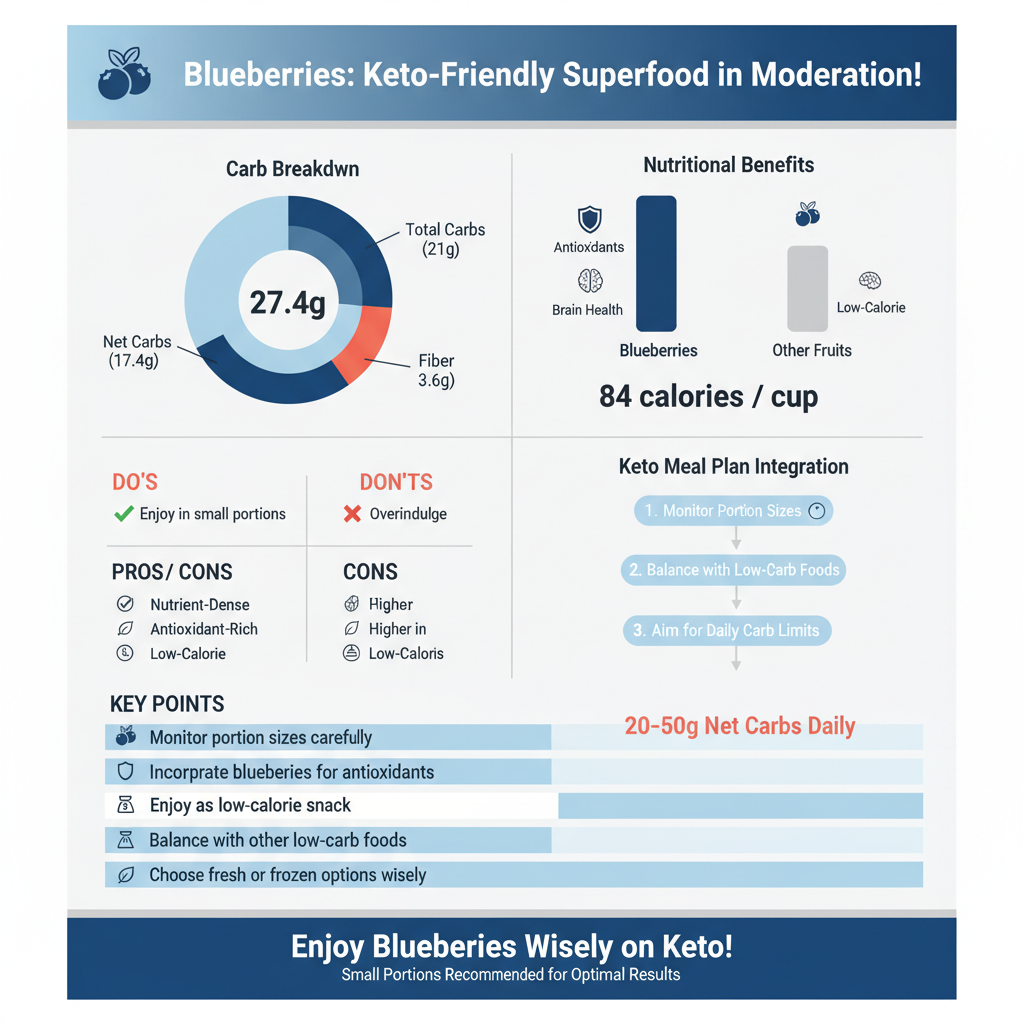

Understanding the carbohydrate limits inherent in a keto diet is fundamental to successfully incorporating fruits like blueberries. Most keto diets recommend staying below 20-50 grams of net carbs per day, which requires careful planning and portion control. Given that a one-cup serving of blueberries contains a significant portion of this daily allowance, moderation becomes the cornerstone of their inclusion in a keto lifestyle.
Despite their carbohydrate content, blueberries offer a range of health benefits that can complement a low-carb diet. Research has indicated that the antioxidants in blueberries may improve brain health, potentially reducing the risk of cognitive decline as we age. Additionally, their anti-inflammatory properties can support overall health, making them a worthwhile addition to a balanced keto diet when consumed appropriately. Thus, enjoying a small portion of blueberries can provide flavor and essential nutrients without derailing your dietary goals.
Best Ways to Incorporate Blueberries on Keto
When looking to incorporate blueberries into your keto diet, creativity is key. Here are several effective strategies for enjoying this fruit while keeping your carb intake in check:
1. Toppings for Yogurt or Smoothies: Use blueberries as a topping for unsweetened, keto-friendly yogurt made from almond or coconut milk. A small handful can enhance flavor while contributing valuable nutrients. Similarly, adding a few blueberries to a low-carb smoothie can create a delicious, refreshing drink without excessive carbs.
2. Salad Enhancements: Adding blueberries to salads can introduce a burst of flavor and color. Combine them with low-carb greens like spinach or arugula, along with nuts and a light vinaigrette to create a delicious and nutritious meal that satisfies both taste and dietary requirements.
3. Keto Baking: For those who enjoy baking, consider incorporating blueberries into recipes using almond or coconut flour. You can create muffins or pancakes that are not only delicious but also align with your ketogenic goals. For instance, almond flour blueberry muffins can be a delightful breakfast option, providing both flavor and nutrition.
4. Snack Options: Another method of incorporating blueberries is as a standalone snack. Measure out a small portion—perhaps a quarter of a cup—to enjoy on its own, ensuring you remain within your carb limits while satisfying your sweet tooth.
Potential Risks of Overindulging
While blueberries can be a beneficial part of a ketogenic diet, the risk of overindulgence is significant. Eating large quantities can quickly lead to exceeding your daily carb limits, which may hinder your progress on the keto diet. It is vital to monitor your body’s response to blueberries and adjust your servings accordingly to maintain your desired state of ketosis.
To manage your carbohydrate intake effectively, consider using tracking apps that allow you to log your food consumption. These tools can help you keep a close watch on your total carbohydrate intake and ensure that any additions, including fruits, fit within your overall dietary framework. Being aware of how different foods affect your body can empower you to make informed decisions that support your health goals.
Alternatives to Blueberries on Keto
If you find that blueberries do not fit well into your dietary preferences or limits, there are several alternatives that can still satisfy your cravings for sweetness without compromising your ketogenic lifestyle:
1. Low-Carb Berries: Explore other berry options, such as raspberries or strawberries, which typically contain lower sugar content. For example, a cup of raspberries has about 15 grams of carbohydrates, making them a slightly more keto-friendly choice.
2. Healthy Fats: Incorporate more keto-friendly fruits like avocados or olives, which provide healthy fats rather than sugars. Avocados, in particular, are high in fiber and healthy monounsaturated fats, making them an excellent choice for a keto diet.
3. Flavorings and Spices: Experiment with various flavorings and spices to replace the sweetness of fruits. For instance, cinnamon or vanilla extract can add a delightful taste to your dishes without the additional carbohydrates.
Conclusion
In summary, blueberries can be keto-friendly when consumed in moderation, allowing you to enjoy their health benefits without compromising your diet. Their rich nutritional profile, including antioxidants and vitamins, can enhance your meals while offering valuable health support. By being mindful of portion sizes and incorporating them into various recipes, you can enjoy blueberries as a delicious addition to your keto lifestyle. Start tracking your intake today and discover how to enjoy blueberries while staying on track with your ketogenic diet!
Frequently Asked Questions
Are blueberries considered keto-friendly fruits?
Yes, blueberries can be considered keto-friendly, but in moderation. They contain about 12 grams of carbohydrates per 100 grams, which translates to roughly 9 grams of net carbs when fiber is accounted for. Since a typical ketogenic diet restricts daily carb intake to around 20-50 grams, you can enjoy small portions of blueberries without exceeding your carb limits if you plan your meals carefully.
How many blueberries can I eat on a keto diet?
On a keto diet, it’s best to limit your intake of blueberries to about ¼ cup (approximately 37 grams), which contains roughly 4-5 grams of net carbs. This portion allows you to enjoy their flavor and nutritional benefits, such as antioxidants and vitamins, while staying within your daily carb allowance. Always keep an eye on how blueberries fit into your overall daily carb count to maintain ketosis.
Why are blueberries a good choice for a keto diet?
Blueberries offer several health benefits that make them a good choice for a keto diet. They are rich in antioxidants, particularly anthocyanins, which can help combat oxidative stress and inflammation. Additionally, blueberries provide essential vitamins like vitamin C and K, contributing to your overall health while adding flavor and nutrition to your meals without overwhelming your carb intake.
What are some keto-friendly recipes that include blueberries?
There are numerous keto-friendly recipes that incorporate blueberries, such as keto blueberry pancakes made with almond flour, chia seed puddings topped with fresh blueberries, or smoothies blended with spinach, coconut milk, and a handful of blueberries. You can also add them to keto-friendly yogurt or cottage cheese for a nutritious and satisfying snack while keeping your carb count in check.
Which other berries are keto-friendly besides blueberries?
Other keto-friendly berries include raspberries, blackberries, and strawberries, which are also lower in carbs compared to many fruits. For instance, raspberries contain about 5-6 grams of net carbs per 100 grams, making them a great alternative to blueberries. Including these berries in your diet can provide variety while still allowing you to enjoy the benefits of fresh fruit within your keto lifestyle.
References
- https://www.healthline.com/nutrition/blueberries-keto
- https://www.dietdoctor.com/low-carb/foods/blueberries
- 13 effects of smoking cigarettes
- https://www.ncbi.nlm.nih.gov/pmc/articles/PMC6571557/
- https://www.verywellfit.com/are-blueberries-keto-friendly-5193437
- https://www.sciencedirect.com/science/article/pii/S2212267217301120
- https://www.washingtonpost.com/food/2020/03/30/are-blueberries-keto-friendly/
- https://www.health.harvard.edu/staying-healthy/the-health-benefits-of-blueberries