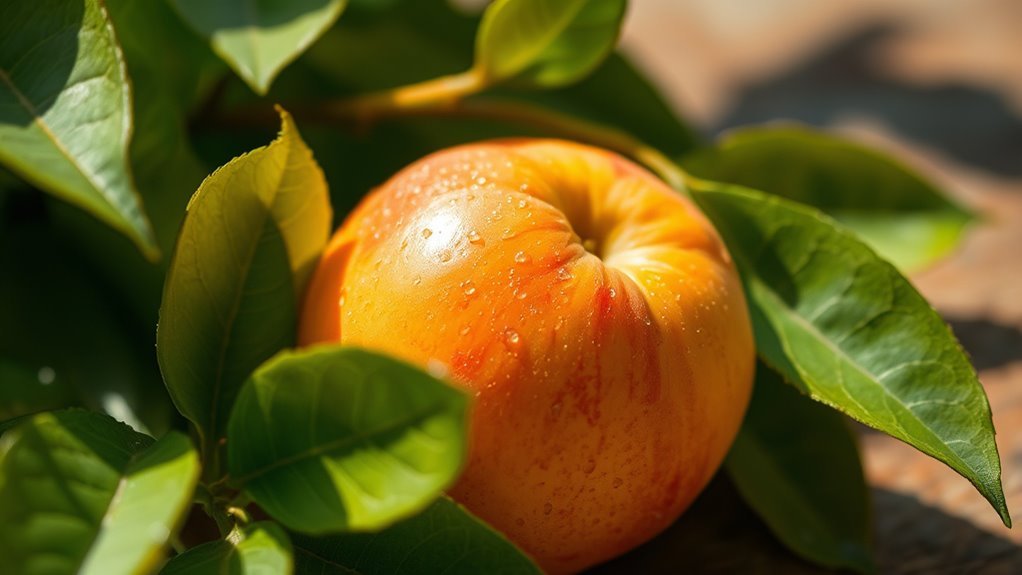

Yes, apricots can fit into a ketogenic diet, but you’ll need to watch portion sizes due to their carbohydrate content. A fresh apricot has about 4 grams of carbs, so sticking to 2-4 apricots can help you stay within your daily limits. They also provide fiber and essential nutrients that can support your overall health. For more tips on incorporating apricots and managing your carb intake, there’s plenty more to explore.
Understanding the Ketogenic Diet
When you’re exploring dietary options, understanding the ketogenic diet can be vital for making informed choices. The keto basics revolve around high-fat, low-carbohydrate intake, prompting your body to enter a state of ketosis, where it burns fat for fuel instead of carbohydrates. This shift can lead to weight loss and improved energy levels for many. However, diet variations exist, including targeted keto and cyclical keto, each catering to different lifestyles and fitness needs. It’s important to assess which version aligns with your goals and preferences, as flexibility in the keto approach can enhance sustainability. By understanding these fundamentals, you can embrace the freedom to tailor your diet while reaping the potential benefits of the ketogenic lifestyle.
Nutritional Profile of Apricots
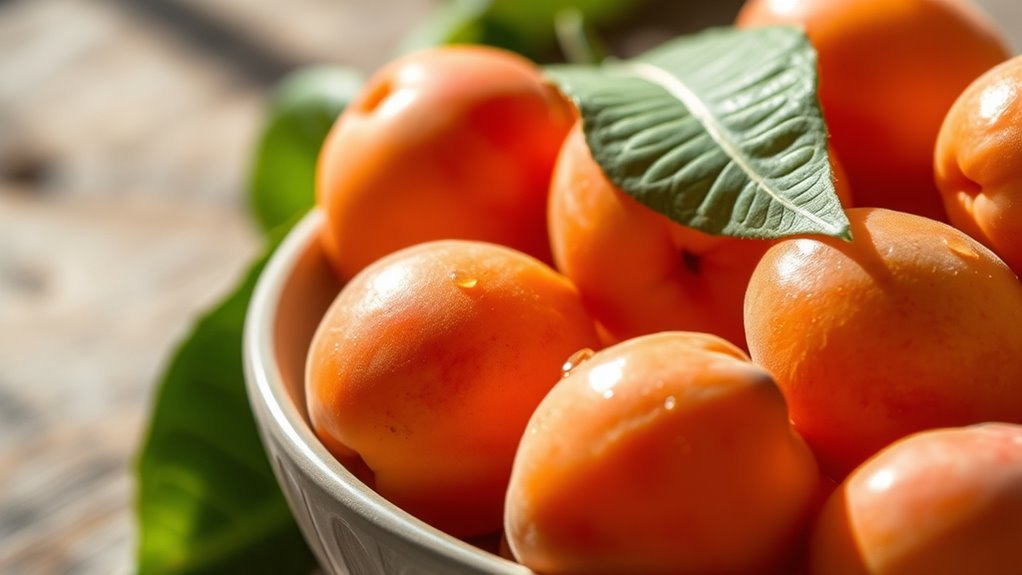
Apricots, with their vibrant orange hue, are not just a delicious summer fruit; they also boast a remarkable nutritional profile. These fruits come in various apricot varieties, each offering unique flavors and benefits. Rich in vitamins A and C, apricots support your immune system and promote skin health. The vitamin content is particularly impressive, as these vitamins act as antioxidants, protecting your cells from damage. Additionally, apricots provide essential minerals like potassium and magnesium, which help maintain heart health and regulate blood pressure. Their fiber content aids digestion, making them a well-rounded choice for a healthy lifestyle. Incorporating apricots into your diet can enhance your nutrition while satisfying your taste buds with their sweet, tangy flavor.
Carbohydrate Content in Apricots
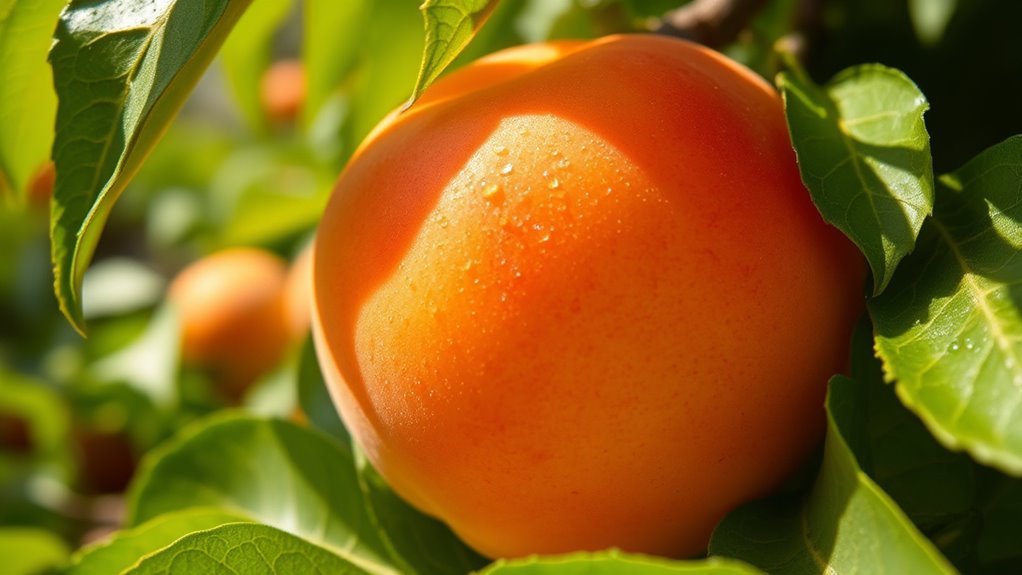
When considering apricots on a keto diet, it’s essential to look at their carbohydrate content. A standard serving contains around 3-4 grams of net carbs, which can fit into your daily limit if you’re mindful of portion sizes. Understanding how to balance apricot intake with your overall carb goals is key to maintaining ketosis.
Apricot Carbs Overview
Understanding the carbohydrate content in apricots is essential for anyone following a keto diet. Different apricot varieties have varying carb counts, which can affect your daily intake. Typically, fresh apricots contain about 3.9 grams of carbs per fruit. During apricot seasonality, which peaks in late spring to early summer, you might find more options, including dried apricots, which have a higher carb concentration due to the removal of water.
Here’s a quick overview of apricot carbs:
| Apricot Type | Carbs per 100g |
|---|---|
| Fresh Apricots | 9.0g |
| Dried Apricots | 62.0g |
| Apricot Puree | 11.0g |
| Apricot Jam | 30.0g |
| Apricot Nectar | 12.0g |
Being mindful of these differences can help you enjoy apricots without jeopardizing your keto goals.
Keto-Friendly Serving Sizes
For those on a keto diet, knowing how to incorporate apricots in a way that fits your carbohydrate limits is important. Apricots contain about 3.9 grams of carbs per fruit, which might seem manageable, but portion sizes matter. A typical serving of apricots is around 1-2 fruits, making them a potential option for keto snacks if you plan accordingly. If you’re looking for a burst of flavor without exceeding your carb limits, consider limiting your intake to one apricot. This way, you can enjoy the fruit’s benefits without jeopardizing your keto goals. Always be mindful of how these portion sizes fit into your overall daily carb count to maintain your desired balance. Enjoy freedom in your choices, but stay informed!
Fiber and Sugar in Apricots
Apricots are a delightful fruit that can fit into various dietary plans, but their fiber and sugar content is particularly significant for those following a keto diet. These fruits provide essential nutrients while keeping your carb intake in check. Here’s what you need to know about their fiber and sugar profile:
- Fiber Benefits: Apricots are a good source of dietary fiber, which aids digestion and promotes satiety.
- Sugar Content: They contain natural sugars, but a moderate serving won’t derail your keto goals if you’re mindful of your overall carb intake.
- Serving Size Matters: Stick to small portions to enjoy the benefits without exceeding your daily carb limits.
Health Benefits of Apricots
Apricots pack a nutrient-rich profile, providing essential vitamins and minerals that support overall health. Their antioxidant properties help combat oxidative stress, which can contribute to various chronic diseases. Additionally, incorporating apricots into your diet may promote heart health by improving cholesterol levels and reducing blood pressure.
Nutrient-Rich Profile
While many fruits are celebrated for their health benefits, apricots stand out due to their impressive nutrient profile. These small fruits pack a punch when it comes to nutrient density, making them a great addition to your diet. Their vitamin content is particularly remarkable, providing essential nutrients without excessive calories.
- Rich in vitamins A and C, supporting immune function and skin health
- High in dietary fiber, promoting digestive health and satiety
- Low in calories, making them a guilt-free snack option
Incorporating apricots into your meals not only enhances flavor but also delivers a concentrated source of vitamins and minerals that can contribute to your overall health.
Antioxidant Properties
Packed with a wealth of vitamins, apricots also boast impressive antioxidant properties that can greatly benefit your health. These fruits contain a rich phytonutrient content, including carotenoids and flavonoids, which help combat oxidative stress. This oxidative stress can lead to cellular damage and various chronic diseases, so incorporating apricots into your diet can be a smart choice. The antioxidant benefits of apricots may support your overall well-being by reducing inflammation and promoting healthier skin. Plus, their low-calorie nature makes them an excellent snack option. By enjoying apricots, you’re not just indulging in a delicious treat; you’re also giving your body the protective support it needs to thrive in a world filled with stressors.
Heart Health Support
When you think about supporting heart health, incorporating apricots into your diet could be a beneficial choice. These small fruits pack a punch with various nutrients that contribute to overall cardiovascular wellness.
- Rich in Potassium: This mineral helps regulate blood pressure, reducing strain on your heart.
- High in Fiber: Fiber aids in lowering cholesterol levels, promoting healthier arteries.
- Loaded with Antioxidants: Apricots contain vitamins A and C, which combat oxidative stress and inflammation in the body.
How Apricots Fit Into a Keto Meal Plan
Although apricots can be enjoyed in moderation, incorporating them into a keto meal plan requires careful consideration of their carbohydrate content. With about 4 grams of net carbs per apricot, you can fit them into your daily carb allowance, but portion control is essential. Consider using apricots in creative apricot recipes, such as blending them into smoothies or adding them to salads for a burst of flavor. You could also make keto snacks by pairing dried apricots with nuts for a satisfying treat. Remember to track your carb intake to guarantee they align with your keto goals. Ultimately, enjoying apricots occasionally can add diversity to your meal plan while keeping your low-carb lifestyle intact.
Portion Control and Serving Suggestions
Finding the right portion size for apricots is essential to maintain your keto lifestyle without exceeding your carb limits. A typical serving of apricots is about 2 to 4 apricots, which provides roughly 4-8 grams of carbs. To enjoy apricots while staying on track, consider these serving ideas:
Finding the right portion size of apricots is key for keto, with 2-4 apricots yielding 4-8 grams of carbs.
- Pair apricots with a handful of nuts for a satisfying snack.
- Incorporate chopped apricots into a leafy green salad for added flavor and texture.
- Blend apricots with unsweetened almond milk for a revitalizing smoothie.
Alternative Low-Carb Fruits
If you’re looking to diversify your fruit intake while sticking to a low-carb diet, there are several alternative fruits that can fit seamlessly into your keto plan. Consider incorporating these options:
| Fruit | Net Carbs (per 100g) |
|---|---|
| Raspberries | 5.5 |
| Strawberries | 7.7 |
| Blackberries | 4.9 |
| Lemons (keto friendly citrus) | 9.3 |
| Limes (keto friendly citrus) | 7.0 |
These low carb berries and citrus fruits provide essential vitamins and antioxidants without derailing your carb count. Enjoy them in moderation, and you’ll find they can enhance your meals and snacks while keeping you within your dietary goals. Embrace the variety and enjoy the freedom it brings!
Final Thoughts on Apricots and Keto
When considering apricots in the context of a keto diet, it’s important to weigh their nutritional profile against your carb goals. While fresh apricots can fit into your plan, moderation is key. Here are a few points to keep in mind:
When incorporating apricots into a keto diet, moderation and mindful carb counting are essential for success.
- A typical apricot contains about 4 grams of carbs, which can add up quickly.
- You can enjoy apricot recipes that incorporate low-carb ingredients for tasty keto snacks.
- Dried apricots are much higher in sugar and should generally be avoided on keto.
Ultimately, if you love apricots, think about portion sizes and how they fit into your daily carb limit. With some creativity, you can enjoy apricots while still maintaining your keto lifestyle.
Frequently Asked Questions
Can Dried Apricots Be Included in a Keto Diet?
Dried apricots can be tricky on a keto diet, as they contain about 62 grams of carbs per 100 grams. When you’re aiming for a low-carb lifestyle, these sweet treats might not fit your macros. Instead, consider using them sparingly or as an occasional keto snack. Balance is key, so if you love dried apricots, just be mindful of portion sizes to keep your carb intake in check. Enjoy your freedom to snack wisely!
Are Apricots Safe for a Keto Diet During Weight Loss?
When considering if apricots are safe for a keto diet during weight loss, it’s essential to look at their benefits. Apricots are low in calories and high in vitamins A and C, making them a nutritious option. While they’re not the most keto-friendly fruits due to their natural sugars, in moderation, they can fit into your plan. Just be mindful of portion sizes to maintain your carb limits while enjoying their flavor and health perks.
How Do Apricots Compare to Other Fruits on Keto?
When it comes to your fruit choices on keto, consider apricots as a tantalizing gem among the options. With lower carbs compared to many fruits, apricot nutrition offers a sweet escape without derailing your goals. While bananas and grapes may spike your carb count, apricots shine as a better alternative. Just remember to enjoy them in moderation, and you’ll find that they can fit beautifully into your keto lifestyle, adding variety and flavor.
What Are the Best Ways to Eat Apricots on Keto?
When you’re looking for ways to enjoy apricots on a keto diet, consider incorporating them into your meals creatively. You could make low-carb apricot recipes, like apricot chicken or a savory apricot salsa. Dried apricots can also be a tasty option for keto snacks, but watch portion sizes due to their sugar content. Mixing apricots with nuts or cheese can balance flavors while keeping your carb count in check. Enjoy experimenting!
Can I Use Apricot Extracts or Oils on a Keto Diet?
You can definitely use apricot extracts or oils on a keto diet. Apricot oil benefits include its ability to support skin health and provide healthy fats, which can be a great addition to your meals. Keto-friendly extracts can enhance flavor without adding unnecessary carbs. Just be mindful of portion sizes, as even low-carb options can add up. Enjoy exploring these extracts and oils while maintaining your keto lifestyle for a delicious experience!
Frequently Asked Questions about Apricots and Keto Diet
1. Are apricots keto-friendly?
Yes, apricots can be included in a ketogenic diet, but it’s important to consume them in moderation. Apricots have a relatively low carbohydrate content compared to other fruits, with about 3.9 grams of net carbs per 100 grams. This makes them a suitable choice for those following a keto diet, but portion control is essential to stay within your daily carb limits.
2. How many carbs are in apricots?
A 100-gram serving of apricots contains approximately 11 grams of carbohydrates, of which about 7 grams are fiber. This results in roughly 3.9 grams of net carbs. It’s vital to account for these carbs in your daily intake if you’re adhering to a strict ketogenic diet.
3. What are the health benefits of apricots?
Apricots are rich in vitamins A and C, potassium, and antioxidants, which can support overall health. They may help improve skin health, boost the immune system, and promote good vision. Additionally, their fiber content aids in digestion, making them a beneficial addition to a balanced diet, even for those on keto, as long as portion sizes are monitored.
4. Can I eat dried apricots on a keto diet?
Dried apricots are higher in sugar and carbohydrates compared to fresh apricots due to the removal of water content. A typical serving of dried apricots can contain significantly more carbs, making them less suitable for a ketogenic diet. If you choose to consume dried apricots, do so sparingly and check the serving size to manage your carb intake effectively.
5. What are some keto-friendly ways to incorporate apricots into my diet?
You can enjoy apricots in various keto-friendly ways. Consider adding sliced fresh apricots to salads, blending them into smoothies with low-carb ingredients, or using them as a topping for keto-friendly yogurt. Additionally, you can pair apricots with nuts or cheese for a satisfying snack. Just remember to keep an eye on portion sizes to maintain your carbohydrate goals.
References
- https://www.healthline.com/nutrition/keto-diet-foods#fruits
- https://www.ncbi.nlm.nih.gov/pmc/articles/PMC6462943/
- https://www.webmd.com/diet/obesity/what-to-know-about-keto-diet
- https://www.verywellfit.com/keto-diet-food-list-5111387
- https://www.journalofclinicalnutrition.org/
- https://nutritiondata.self.com/facts/fruits-and-fruit-juices/2111/2
- https://www.cdc.gov/healthyweight/assessing/bmi/adult_bmi/index.html
- https://www.health.harvard.edu/staying-healthy/the-truth-about-the-keto-diet