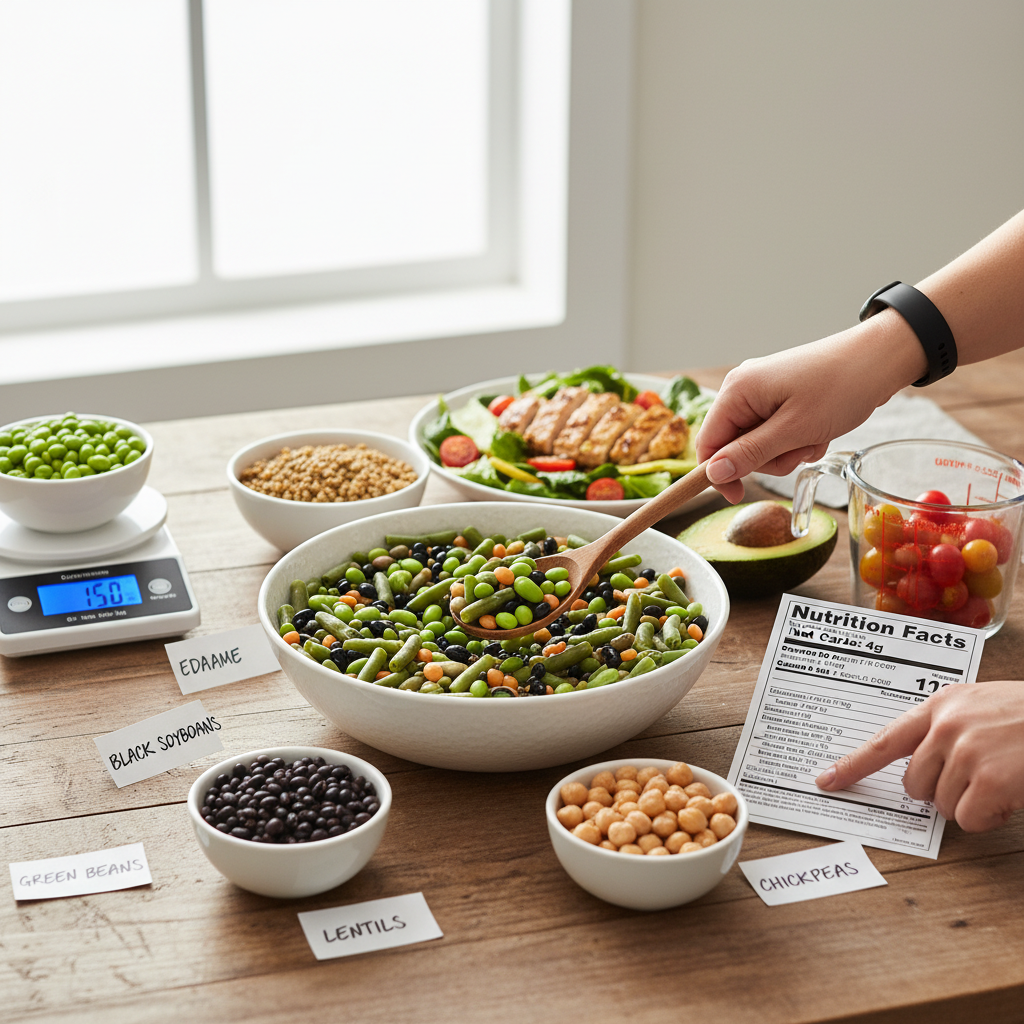

Beans are generally not considered keto-friendly due to their high carbohydrate content. However, some options can be enjoyed in moderation on a ketogenic diet. In this article, we will explore which beans may fit into your keto lifestyle, their nutritional value, and how to incorporate them into your meals.
Understanding the Keto Diet
The ketogenic diet is a high-fat, low-carb eating plan designed to promote ketosis, a metabolic state where the body burns fat for fuel instead of carbohydrates. For many, the primary goal of this diet is to significantly reduce carbohydrate intake to keep the body in this fat-burning state. Unfortunately, most beans are high in carbohydrates, which can hinder the goal of maintaining ketosis. With a typical keto diet allowing for about 20 to 50 grams of carbs per day, even a small serving of many beans can quickly exceed these limits. Therefore, understanding the carb content of different beans is crucial for anyone attempting to adhere to a ketogenic lifestyle.
Low-Carb Bean Options
While the options may be limited, there are specific beans that can fit into a keto diet when consumed in moderation.
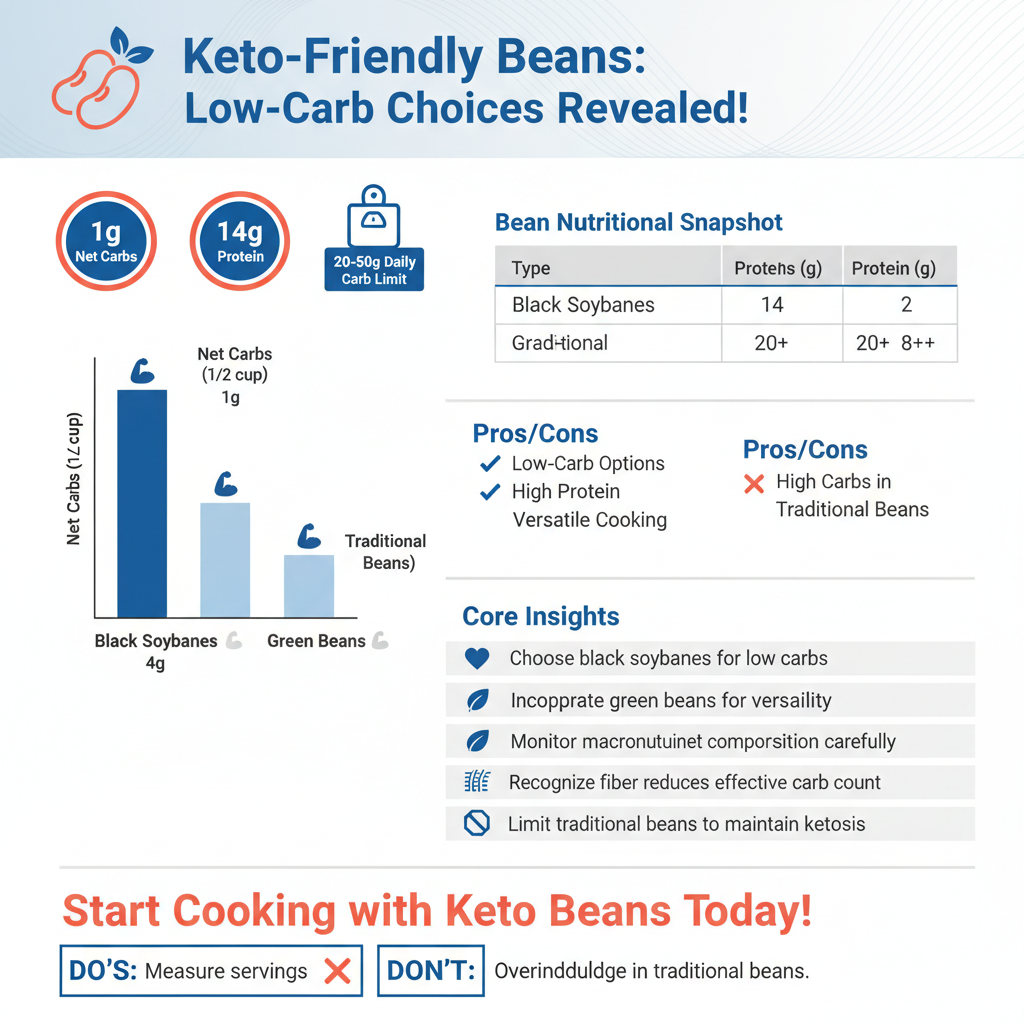
– Black Soybeans: These are perhaps the most popular choice among keto enthusiasts. Black soybeans are low in carbohydrates, with only about 1 gram of net carbs per half-cup serving, and they are high in protein, making them an excellent choice for those looking to maintain muscle mass while on a low-carb diet. They can be used in various dishes, including salads and stir-fries.
– Green Beans: Although technically classified as a legume rather than a true bean, green beans are low in carbs, offering approximately 4 grams of net carbs per half-cup serving. They are versatile and can be steamed, sautéed, or incorporated into casseroles, making them a great addition to a keto meal plan.
These options allow for some flexibility in meal planning while still adhering to the low-carb principles of the ketogenic diet.
Nutritional Breakdown of Beans
When considering the nutritional value of beans, it is essential to look at the macronutrient composition: carbohydrates, protein, and fat.
– Macronutrients: For instance, black soybeans provide around 14 grams of protein and only 1 gram of net carbs per half-cup serving. In contrast, traditional beans like black beans and kidney beans can contain upwards of 20 grams of carbs per serving, making them less suitable for a ketogenic diet.
– Fiber Content: An important factor in the carb count is dietary fiber. Since fiber is not digested, it can be subtracted from the total carbohydrate count to calculate net carbs. For example, if a half-cup of black soybeans contains 8 grams of total carbohydrates and 7 grams of fiber, the net carbs would be just 1 gram. This means that fiber plays a significant role in allowing some beans to fit into a low-carb framework.
Being aware of these nutritional aspects is crucial for anyone looking to maintain a keto diet while trying to incorporate beans.
Portion Control and Serving Suggestions
For those determined to include beans in their keto diet, portion control is key to remaining within carbohydrate limits.
– Recommended Serving Sizes: If you choose to eat black soybeans, a serving of about half a cup is advisable. This portion allows you to enjoy the benefits of the beans without significantly impacting your daily carb allowance. Green beans can be consumed in slightly larger portions due to their lower carb count, with up to a cup being a reasonable serving.
– Incorporating Beans into Meals: One effective way to enjoy beans is to mix them with other keto-friendly ingredients. For instance, you could create a salad with black soybeans, diced cucumbers, cherry tomatoes, and a high-fat dressing like olive oil or avocado-based dressing. This not only enhances the flavor but also ensures that the overall dish remains low in carbohydrates.
Alternatives to Beans on Keto
If beans don’t fit your dietary needs, there are plenty of alternatives that can provide similar textures or flavors without the high carb content.
– Other Legumes and Keto-Friendly Substitutes: Cauliflower and zucchini are excellent substitutes for beans in many recipes. For example, cauliflower can be mashed or riced to mimic the texture of refried beans, while zucchini can be spiralized into noodles that serve as a low-carb base for various dishes.
– Low-Carb Recipes: Consider preparing a cauliflower and black soybean chili or zucchini boats stuffed with taco-seasoned ground beef and topped with cheese. These dishes are not only low in carbs but also nutritious and satisfying.
Potential Benefits of Beans
Despite their generally high carbohydrate levels, beans have notable health benefits that shouldn’t be ignored.
– Health Benefits: Beans are rich in fiber, which is essential for digestive health, and they provide a good source of protein, which is vital for muscle repair and growth. Additionally, beans contain vitamins and minerals such as iron, magnesium, and folate, contributing to overall health.
– Moderation: For those on a strict keto diet, incorporating small amounts of beans can still offer some advantages. Eating beans in moderation can help balance meals, add bulk, and provide essential nutrients without dramatically impacting carbohydrate intake.
Tips for Choosing Beans Wisely
When selecting beans for a keto diet, mindful choices can make a difference.
– Read Labels Carefully: Understanding the distinction between net carbs and total carbs is crucial. Always check the nutrition label and look for the fiber content to accurately calculate net carbs.
– Opt for Canned or Dried Beans: Canned beans often have added sodium, so rinsing them can help reduce this content. Dried beans typically have fewer carbohydrates and can be prepared in a way that maximizes their nutritional benefits.
Additionally, consider cooking beans from scratch, which allows you to control the preparation methods and ingredients, making them more compatible with your dietary goals.
Summarizing the key insights, while most beans are not keto-friendly due to their high carbohydrate levels, there are a few options like black soybeans and green beans that can be considered in moderation. If you’re looking to maintain a keto diet, focus on managing portion sizes and exploring low-carb alternatives. For more keto tips and recipes, subscribe to our newsletter for the latest updates!
Frequently Asked Questions
Are any beans keto-friendly for a low-carb diet?
While most beans are high in carbohydrates, some types can be considered keto-friendly when consumed in moderation. For example, green beans and black soybeans are lower in carbs compared to traditional beans like kidney or pinto beans. Incorporating these in small quantities can allow you to enjoy beans without significantly impacting your daily carb limit on a ketogenic diet.
What types of beans are the lowest in carbs?
The lowest carb beans include black soybeans, green beans, and navy beans. Black soybeans contain about 2 grams of net carbs per half-cup serving, making them a popular choice for keto dieters. Green beans, although technically a vegetable, are often included in discussions about beans and have roughly 4 grams of net carbs per half-cup serving, making them another excellent option.
How can I incorporate beans into my keto meal plan?
To incorporate beans into your keto meal plan, start by using low-carb varieties like black soybeans or green beans in recipes. You can add them to salads, stir-fries, or soups for added texture and flavor. Additionally, be mindful of portion sizes to ensure you stay within your daily carbohydrate limit while still enjoying the nutritional benefits beans can offer.
Why are most beans not suitable for a ketogenic diet?
Most beans are high in carbohydrates, which can hinder the state of ketosis that the ketogenic diet aims to achieve. For instance, common beans such as black beans and kidney beans can contain upwards of 20 grams of carbs per cup, making it difficult to fit them into a low-carb meal plan. Therefore, those following a strict keto diet should limit their intake of traditional beans to maintain their carb intake effectively.
What are some keto-friendly alternatives to beans?
If you’re looking for alternatives to beans on a ketogenic diet, consider options like cauliflower, zucchini, or mushrooms, which can provide similar textures and flavors without the high carb content. Additionally, legumes such as lentils and chickpeas should generally be avoided on a keto diet; however, you can use mashed avocado or nuts as a protein-rich substitute that aligns better with keto principles.
References
- https://www.healthline.com/nutrition/keto-beans
- https://www.ncbi.nlm.nih.gov/pmc/articles/PMC6466150/
- Infectious (septic) arthritis: Causes, symptoms, treatment, and risks
- https://www.dietdoctor.com/low-carb/keto/food-list/beans
- https://www.nutrition.gov/topics/whats-my-plate/beans-and-peas
- https://www.webmd.com/diet/ss/slideshow-beans-peas
- https://www.sciencedirect.com/science/article/pii/S2212267216300038