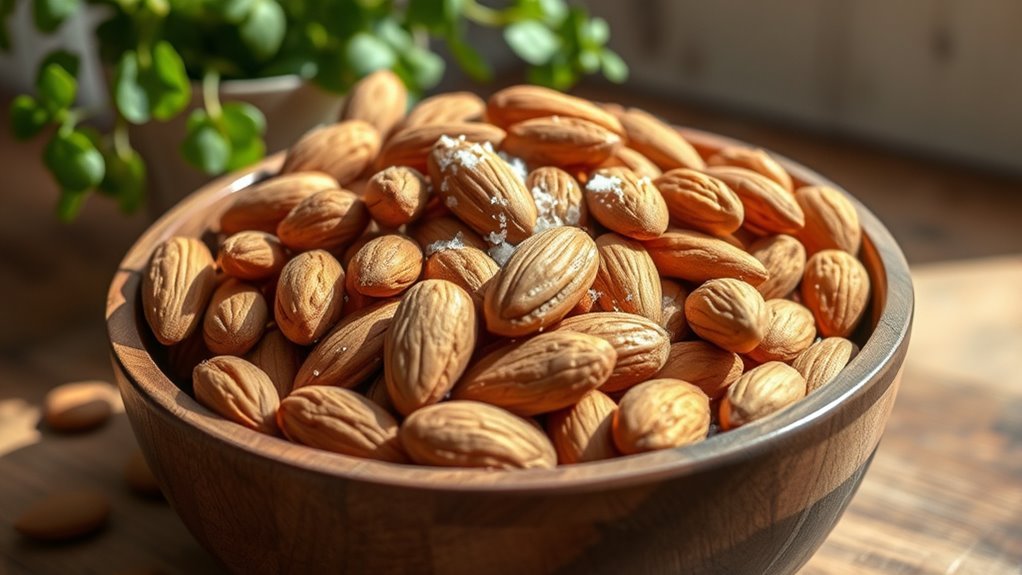

Yes, almonds are a great choice for a keto diet. They’re low in carbohydrates—only about 2.5 grams per ounce—and high in healthy fats and protein, making them filling and nutritious. Almonds offer heart health benefits, help with weight management, and assist in blood sugar control. Just stick to the recommended serving size of about 23 almonds to stay within your carb limits. There’s a lot more to discover about how to enjoy almonds on a keto lifestyle.
Nutritional Profile of Almonds
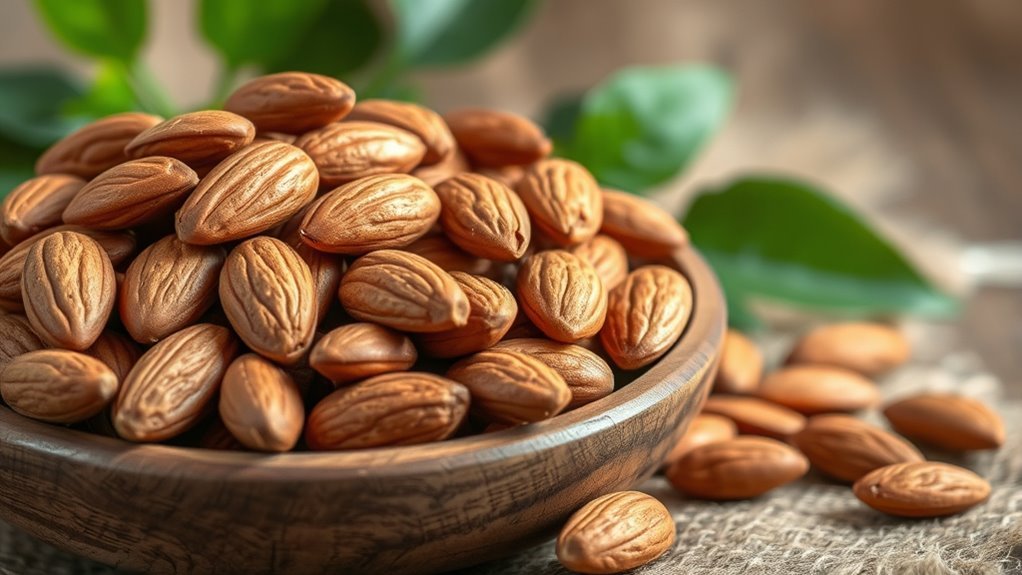
When you consider the nutritional profile of almonds, it quickly becomes clear why they’re a popular choice for those following a keto diet. Almonds are low in carbohydrates, with about 2.5 grams per ounce, making them an excellent option for maintaining ketosis. Their high-fat content, primarily healthy monounsaturated fats, contributes to satiety and energy. Additionally, almonds are rich in protein, providing around 6 grams per ounce, which supports muscle maintenance. Different almond varieties, such as raw, roasted, or sliced, offer slight variations in their nutritional content, but all retain essential vitamins and minerals like vitamin E and magnesium. Incorporating almonds into your diet can be a simple way to enjoy a nutritious snack while adhering to your keto lifestyle.
Health Benefits of Almonds on a Keto Diet
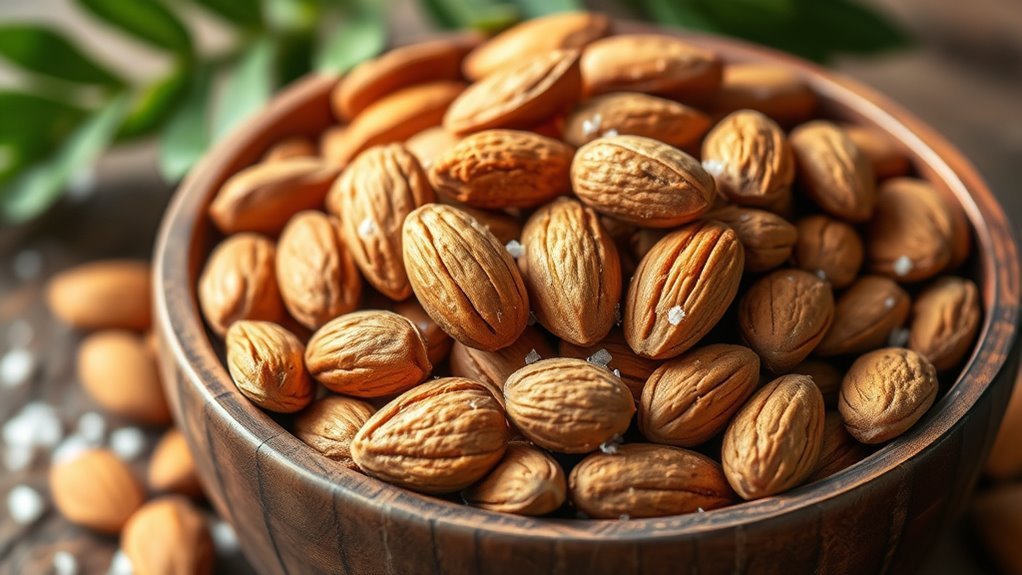
Although you might be aware of almonds’ impressive nutritional profile, the health benefits they offer when incorporated into a keto diet are equally remarkable. Almonds are packed with almond antioxidants, which can help combat oxidative stress and inflammation in your body. Their high levels of healthy fats and fiber contribute to improved heart health, making them a great snack to support your keto lifestyle.
| Benefit | Description | Evidence |
|---|---|---|
| Antioxidant Properties | Fight oxidative stress | Rich in vitamin E and flavonoids |
| Heart Health | Lower cholesterol levels | Linked to reduced heart disease risk |
| Weight Management | Promotes satiety | High fiber content |
| Blood Sugar Control | Stabilizes blood sugar | Low glycemic index |
| Nutrient Dense | Packed with vitamins and minerals | Supports overall health |
How Many Almonds Can You Eat on Keto?
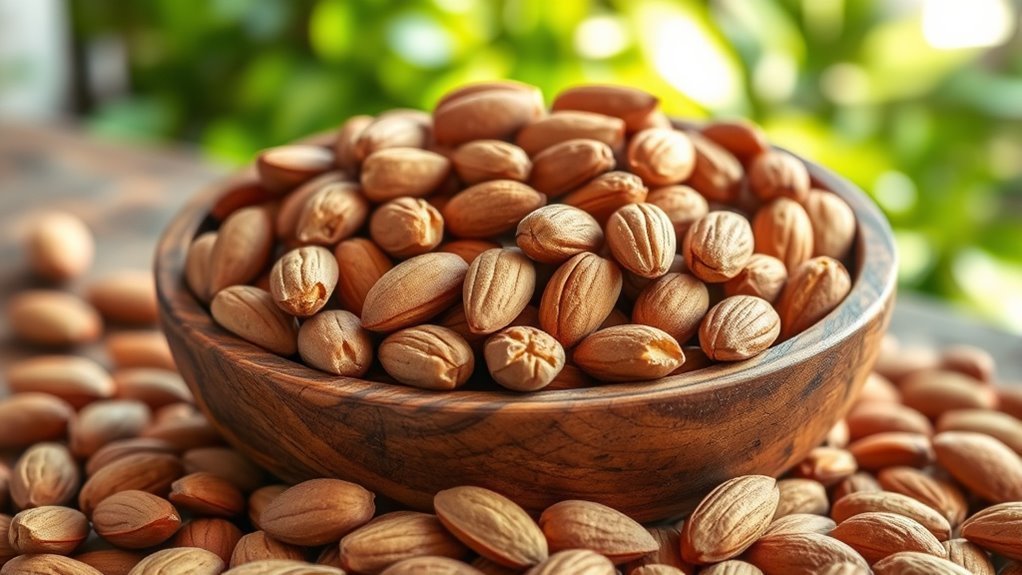
Incorporating almonds into your keto diet can yield significant health benefits, but knowing how many to eat is key for staying within your daily carb limits. Generally, a serving of about 1 ounce, or roughly 23 almonds, provides around 2.5 grams of net carbs. This portion control helps you enjoy almonds as a nutritious snack alternative without overdoing it on carbs. If you’re snacking frequently, consider measuring out your almonds to avoid mindless eating, which can lead to exceeding your carb goals. Remember, moderation is essential. Balance your almond intake with other low-carb foods, ensuring you’re getting a variety of nutrients while enjoying the freedom that a keto lifestyle can offer.
Almond-Based Keto Recipes
If you’re looking to spice up your keto meal plan, almond-based recipes offer delicious and versatile options that can satisfy your cravings without breaking your carb limits. You can use almond flour to create low-carb bread, pancakes, or even pizza crusts, making it a fantastic substitute for traditional flours. For a sweet treat, consider almond butter; it’s perfect for drizzling over keto-friendly desserts or incorporating into smoothies. You can also whip up almond-flour-based cookies that are not only easy to make but also delightful. Plus, almond flour and almond butter are both rich in healthy fats and protein, keeping you full and energized. Embrace these ingredients, and enjoy the freedom to indulge while staying true to your keto goals!
Tips for Choosing the Right Almonds for Keto
When it comes to maintaining a keto diet, selecting the right almonds can make a significant difference in your overall success. Here are some tips to help you choose wisely:
- Explore flavor varieties: Raw, roasted, or flavored almonds can add variety to your snacks. Just be cautious of added sugars or unhealthy oils.
- Consider preparation methods: Opt for unsalted or lightly salted options to keep sodium levels in check. You can also try almond flour for baking!
- Check for freshness: Look for almonds that are firm and smell nutty. Stale almonds can affect taste and quality.
Frequently Asked Questions about Almonds and Keto
1. Are almonds considered keto-friendly?
Yes, almonds are considered keto-friendly. They are low in carbohydrates and high in healthy fats, making them an excellent choice for those following a ketogenic diet. A typical serving of almonds (about 1 ounce or 28 grams) contains approximately 6 grams of carbohydrates, 3.5 grams of fiber, and 14 grams of fat, allowing for a net carb count of around 2.5 grams, which fits well within the daily carb limits of a keto diet.
2. How many almonds can I eat on a keto diet?
The amount of almonds you can eat on a keto diet varies based on your individual carbohydrate limit, but a typical serving size is about 1 ounce (approximately 23 almonds). This serving provides a good balance of fats, protein, and low net carbs. Some individuals may be able to consume more almonds while still staying within their carb limits, but it’s essential to monitor your intake to ensure you remain in ketosis.
3. Are there any health benefits to eating almonds on a keto diet?
Yes, almonds offer several health benefits that complement a keto diet. They are rich in vitamin E, magnesium, and antioxidants, which can help reduce inflammation and improve heart health. The healthy fats in almonds can also promote satiety, making it easier to maintain a caloric deficit if weight loss is your goal. Additionally, the fiber content in almonds aids in digestion and can help keep blood sugar levels stable, which is beneficial for overall health.
4. Can I eat almond butter on a keto diet?
Yes, almond butter is also keto-friendly, provided you choose a natural variety without added sugars or unhealthy oils. Almond butter retains the nutritional benefits of whole almonds, including healthy fats and protein, while providing a creamy texture that can be enjoyed in various recipes or as a snack. Just be mindful of portion sizes, as the calories can add up quickly, similar to whole almonds.
5. Are there any downsides to eating almonds on a keto diet?
While almonds are nutritious and keto-friendly, there are a few downsides to consider. Some people may experience digestive issues, such as bloating or gas, when consuming nuts in large amounts. Additionally, almonds are calorie-dense, so overeating them can lead to exceeding your daily caloric intake. Lastly, some individuals may have nut allergies, which would require them to avoid almonds and other nuts altogether. Moderation is key to enjoying almonds as part of a balanced keto diet.
References
- https://www.healthline.com/nutrition/are-almonds-keto
- https://www.ncbi.nlm.nih.gov/pmc/articles/PMC5649060/
- https://www.medicalnewstoday.com/articles/324341
- https://www.washingtonpost.com/lifestyle/wellness/are-almonds-keto/2020/01/15/9c5c8b52-2d27-11ea-bcb3-ac6482c4a92f_story.html
- https://www.almonds.com/health-benefits/
- https://www.verywellfit.com/are-almonds-keto-friendly-5118650