

On a keto diet, you should aim for about 20 to 50 grams of net carbohydrates per day to stay in ketosis, with most people targeting 20 to 30 grams. This helps your body shift to burning fat for fuel instead of carbs. Individual needs can vary based on metabolism and activity level, so tracking your intake is key. If you want to know more about optimizing your carb intake, there’s plenty more to explore.
Understanding Ketosis and Its Benefits
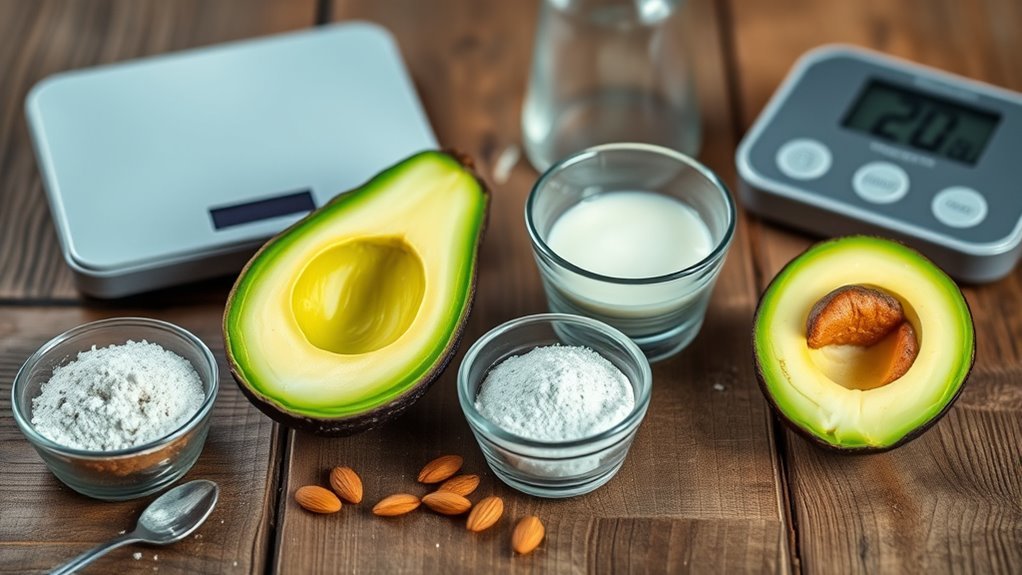
When you shift your body into a state of ketosis, it begins to burn fat for fuel instead of carbohydrates, which can lead to numerous health benefits. The ketosis process results in increased ketone production, providing a clean energy source for your brain and body. Many people experience weight loss, improved mental clarity, and enhanced energy levels while in this state. Additionally, ketosis may help stabilize blood sugar levels, making it beneficial for individuals with insulin resistance. This metabolic flexibility allows you to enjoy greater freedom in food choices while still promoting health. Understanding these ketosis benefits can empower you to make informed decisions about your diet and lifestyle, ultimately leading to improved overall well-being.
Recommended Daily Carb Intake for Keto

The recommended daily carb intake for a keto diet typically ranges from 20 to 50 grams of net carbohydrates. This range helps you stay within keto carb limits, promoting ketosis and fat burning. Most people aim for around 20 to 30 grams to effectively maintain their daily carb goals, but individual needs can vary. It’s essential to track your carb intake carefully, focusing on low-carb vegetables, nuts, and seeds while avoiding high-carb foods. Remember, the quality of carbs matters too; prioritize nutrient-dense options. Staying within these limits can help you enjoy the freedom of a keto lifestyle while achieving your health and weight goals. Always listen to your body and adjust your intake as needed for best results.
Factors Influencing Your Carb Threshold

Several factors can influence your individual carb threshold on a keto diet, making it essential to understand how they affect your body’s response to carbohydrates. Your individual metabolism plays an important role; some people can process carbs more efficiently than others. If you have a faster metabolism, you might tolerate higher carb intake while staying in ketosis. Additionally, your activity level greatly impacts your carb needs. More active individuals often require more carbohydrates for energy, allowing for a slightly higher threshold. Conversely, if you’re less active, you may need to cut carbs further to maintain ketosis. Recognizing these factors empowers you to tailor your carb intake, giving you the freedom to find a balance that works best for your lifestyle.
Tracking Your Carbs: Tools and Tips
To successfully manage your carb intake on a keto diet, tracking your carbohydrates is essential, especially since even small amounts can affect your ability to stay in ketosis. Here are some tips and tools for effective carb tracking:
Tracking your carbohydrates is crucial on a keto diet, as even minor amounts can disrupt ketosis.
- Use Useful Apps: Consider apps like MyFitnessPal or Carb Manager to log your food and monitor your carb intake easily.
- Read Labels: Always check nutritional labels for hidden carbs in packaged foods.
- Keep a Food Journal: Jotting down what you eat can help you stay accountable and recognize patterns.
- Plan Your Meals: Preparing meals in advance can reduce the temptation to stray from your carb limits.
Types of Carbs: What to Include and Avoid
When you’re on a keto diet, it’s essential to understand which carbs to include and which to avoid. Focus on good carbs, like non-starchy vegetables and low-sugar fruits, while steering clear of refined grains and sugary snacks. Making informed choices about your carb intake can help you stay within your limits and achieve your health goals.
Good Carbs to Include
While it might seem challenging to navigate carbohydrate choices on a keto diet, incorporating the right types of carbs can actually support your health goals. Focus on these good carbs that can enhance your nutrition without derailing your keto journey:
- Fiber rich vegetables: Leafy greens, broccoli, and cauliflower provide essential nutrients.
- Low carb fruits: Berries, such as strawberries and raspberries, are perfect for a sweet treat.
- Nuts and seeds: Almonds, walnuts, and chia seeds add healthy fats and protein.
- Avocado: Packed with fiber and healthy fats, it’s a versatile addition.
Bad Carbs to Avoid
Even with good carbs on your radar, it’s equally important to recognize which carbs can undermine your keto efforts. You’ll want to steer clear of refined sugars, processed grains, and sugary snacks that can spike your insulin levels. Starchy vegetables, like potatoes and corn, should also be limited, as well as high-carb fruits such as bananas and grapes. Sweetened beverages, including sodas and fruit juices, are also off-limits. Instead of white bread and traditional pasta alternatives, look for low-carb options.
| Type of Bad Carb | Examples | Impact on Keto |
|---|---|---|
| Refined Sugars | Candy, pastries | High insulin spike |
| Processed Grains | White bread, cereals | Increases cravings |
| Sugary Snacks | Granola bars, cookies | Adds empty calories |
Adjusting Your Carb Intake for Optimal Results
Adjusting your carb intake is essential for maximizing the benefits of a keto diet. To find what works best for you, consider making personalized adjustments based on your lifestyle and goals. Here are four strategies to help you optimize your carb intake:
- Start with a baseline: Aim for 20-50 grams of carbs daily, then tweak as needed.
- Try carb cycling: Incorporate higher carb days to boost energy and performance while staying within your overall goals.
- Monitor your body’s response: Pay attention to how different carb levels affect your energy, mood, and weight loss.
- Experiment regularly: Don’t be afraid to adjust based on your progress and personal needs.
Finding the right balance empowers you to thrive on your keto journey.
Common Mistakes to Avoid on a Keto Diet
When you’re on a keto diet, it’s easy to overlook hidden carbs in sauces, snacks, and even vegetables. Ignoring the balance of macronutrients can also hinder your progress, as your body needs the right proportions of fats, proteins, and carbs to function efficiently. Being aware of these common mistakes can help you stay on track and achieve your keto goals more effectively.
Overlooking Hidden Carbs
How often do you consider the hidden carbs lurking in your favorite foods? Staying keto means maintaining carb awareness, but many overlook hidden sources that can sabotage your progress. Here are some common culprits:
- Sauces and Condiments: Ketchup, barbecue sauce, and dressings often contain added sugars.
- Processed Meats: Some deli meats have sugar or fillers, so check labels carefully.
- Nuts and Seeds: While healthy, they can have higher carb counts than you realize.
- Dairy Products: Flavored yogurts and certain cheeses may pack unexpected carbs.
Ignoring Macronutrient Balance
Many people focus solely on limiting carbohydrates when pursuing a keto diet, but overlooking macronutrient balance can hinder your success. Many carb misconceptions suggest that as long as you stay under a certain carb limit, you’re fine. However, achieving ideal health requires a balance of fats, proteins, and carbohydrates. If you only restrict carbs without considering protein and fat intake, you may miss essential nutrients and energy needed for overall well-being. Striking the right balance is important; it guarantees you’re fueling your body adequately while maximizing fat-burning. To thrive on a keto diet, pay attention to your entire macronutrient profile, not just carbs. Embrace this freedom to explore a balanced approach for lasting results.
1. How many carbs can I eat on a keto diet?
The standard ketogenic diet typically allows for around 20 to 50 grams of net carbohydrates per day. Net carbs are calculated by subtracting fiber and certain sugar alcohols from the total carbohydrates. This low carb intake is crucial for the body to enter a state of ketosis, where it burns fat for fuel instead of carbohydrates.
2. Can I exceed the carb limit occasionally?
While occasional carb intake above the recommended limit is possible, it can disrupt ketosis. Many people find that even small amounts of carbs can lead them out of ketosis, so it’s important to monitor your body’s response. If you choose to indulge, plan to return to your carb limit quickly to re-enter ketosis.
3. What types of carbohydrates should I avoid on a keto diet?
On a keto diet, it’s best to avoid high-carb foods such as bread, pasta, rice, sugary snacks, and most fruits. Instead, focus on low-carb vegetables, nuts, seeds, and dairy products. Reading nutrition labels can also help you identify hidden carbs in processed foods.
4. How do I track my carbohydrate intake on a keto diet?
To track your carb intake, consider using a food diary or a mobile app designed for tracking macronutrients. These tools allow you to log the foods you eat and calculate their carbohydrate content. Regular monitoring can help you stay within your daily carb limits and maintain ketosis.
5. Are there any benefits to a low-carb diet beyond weight loss?
Yes, a low-carb diet can offer benefits beyond weight loss, including improved blood sugar control, enhanced mental clarity, and reduced hunger levels. Some studies suggest that a ketogenic diet may also help manage conditions such as epilepsy, polycystic ovary syndrome (PCOS), and type 2 diabetes. However, it’s essential to consult a healthcare professional before making significant dietary changes.
References
- https://www.ncbi.nlm.nih.gov/pmc/articles/PMC6831524/
- https://www.health.harvard.edu/staying-healthy/what-is-the-keto-diet
- https://www.webmd.com/diet/what-is-the-ketogenic-diet
- https://www.mayoclinic.org/healthy-lifestyle/nutrition-and-healthy-eating/expert-answers/keto-diet/faq-20458525
- https://www.cdc.gov/healthyweight/assessing/bmi/adult_bmi/english_bmi_calculator/bmi_calculator.html
- https://www.nutrition.gov/topics/whats-your-nutrition-need/keto-diet