Yes, you can successfully follow a keto diet without a gallbladder, but it requires careful management. You’ll need to adjust your fat intake gradually and monitor how your body responds to different fat sources. Focus on healthy fats, and consider incorporating digestive enzymes to aid in fat digestion. While managing challenges like bloating or discomfort, listening to your body is essential. There’s much more to explore about making this diet work for you.
Understanding the Role of the Gallbladder in Digestion
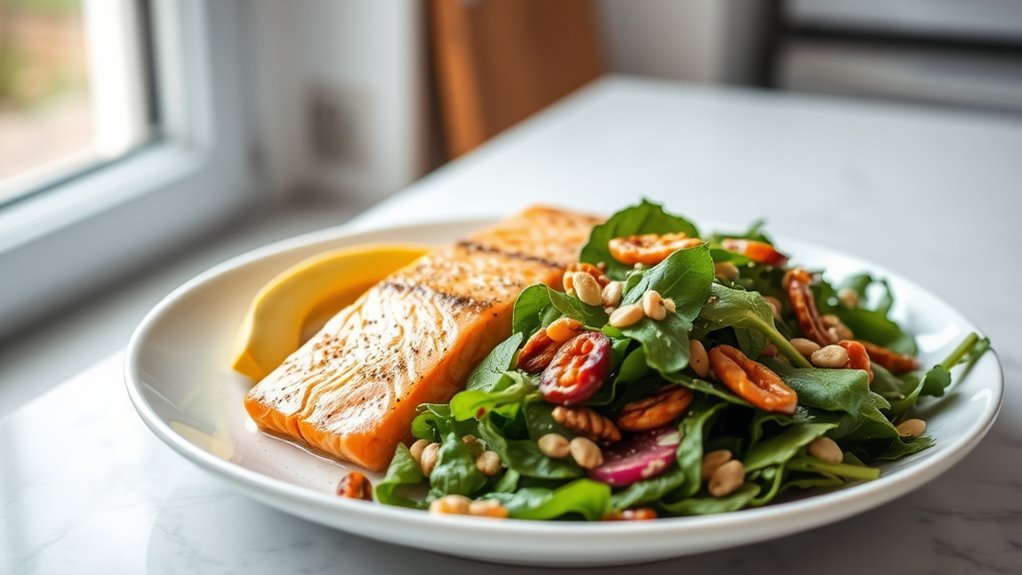
Although you might not think about it often, the gallbladder plays an essential role in digestion, particularly in the processing of fats. Its primary function is to store and concentrate bile, a digestive fluid produced by the liver. When you eat, the gallbladder releases bile into the small intestine, aiding in fat emulsification and absorption. Without a gallbladder, bile production continues, but it flows directly from the liver into the intestine, which can lead to difficulties digesting larger amounts of fat. This impacts your ability to comfortably enjoy a high-fat diet, such as keto. Understanding the gallbladder function helps you make informed dietary choices, ensuring you maintain digestive health and achieve your nutritional goals, even without this organ.
The Basics of a Keto Diet
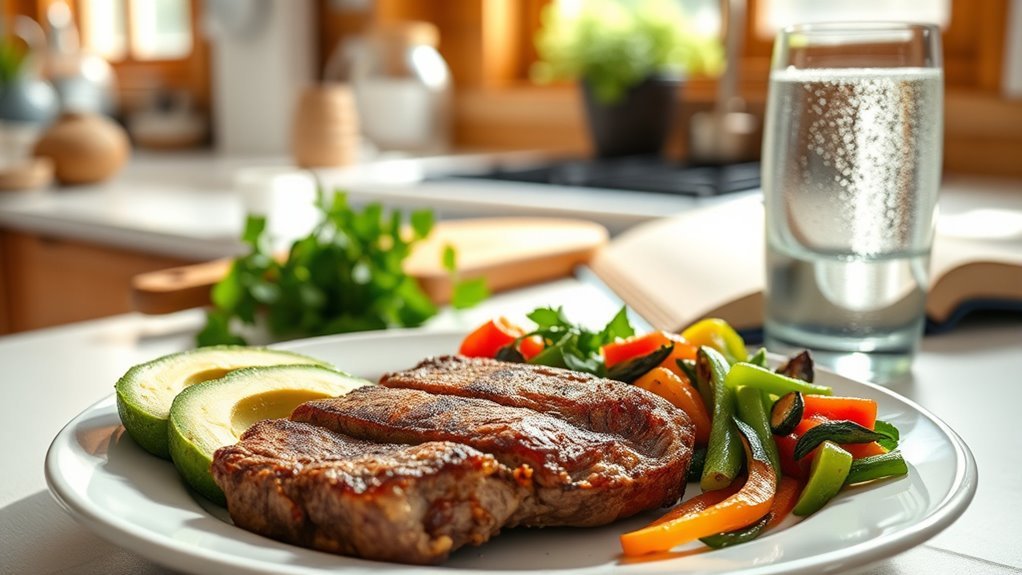
To understand the keto diet, it’s essential to grasp the concept of ketosis, where your body shifts from burning carbohydrates to fats for energy. You’ll also need to focus on high-fat food sources and learn the specific macronutrient ratios that support this metabolic state. This foundation will help you effectively implement a keto diet, even without a gallbladder.
Ketosis Explained Simply
When you shift to a ketogenic diet, your body undergoes a significant metabolic change known as ketosis, where it starts burning fat for fuel instead of carbohydrates. This process offers various ketosis benefits, such as improved energy levels, weight loss, and enhanced mental clarity. However, you might encounter ketosis challenges, including the “keto flu,” which can cause fatigue and irritability as your body adjusts. It’s crucial to stay hydrated and maintain electrolyte balance to ease this adjustment. By embracing a ketogenic lifestyle, you’re not just changing your diet; you’re empowering yourself to take control of your health. Understanding these dynamics can help you navigate the process, making it easier to enjoy the freedom that a keto diet offers.
High-Fat Food Sources
As your body adapts to ketosis, incorporating high-fat food sources becomes essential for maintaining energy levels and supporting your metabolic shift. Focusing on quality fats will enhance your keto experience, especially without a gallbladder. Here are some great options to include:
- Avocados: Rich in healthy fats and offer numerous avocado benefits, including fiber.
- Coconut oil: A versatile fat that supports energy and metabolism.
- Nut varieties: Almonds, walnuts, and macadamia nuts provide essential fatty acids.
- Fatty fish: Salmon and mackerel are excellent sources of omega-3s.
- Butter choices: Grass-fed butter offers superior nutrients and flavor.
Incorporating these foods into your diet can help you thrive on your keto journey while enjoying the freedom of flavorful meals.
Macronutrient Ratios Defined
Understanding macronutrient ratios is essential for anyone starting a keto diet, especially if you’re managing the absence of a gallbladder. In a typical keto diet, macronutrient balancing involves consuming about 70-75% fat, 20-25% protein, and 5-10% carbohydrates. This ratio encourages your body to enter a state of ketosis, where it burns fat for fuel instead of carbs. However, without a gallbladder, your body may have difficulty digesting high-fat foods, making careful dietary adjustments vital. You might need to gradually increase fat intake while monitoring your body’s responses. Incorporating medium-chain triglycerides (MCTs) can also help, as they’re easier to digest. Ultimately, finding the right balance is key to achieving the benefits of a keto diet while maintaining digestive health.
How Gallbladder Removal Affects Fat Digestion
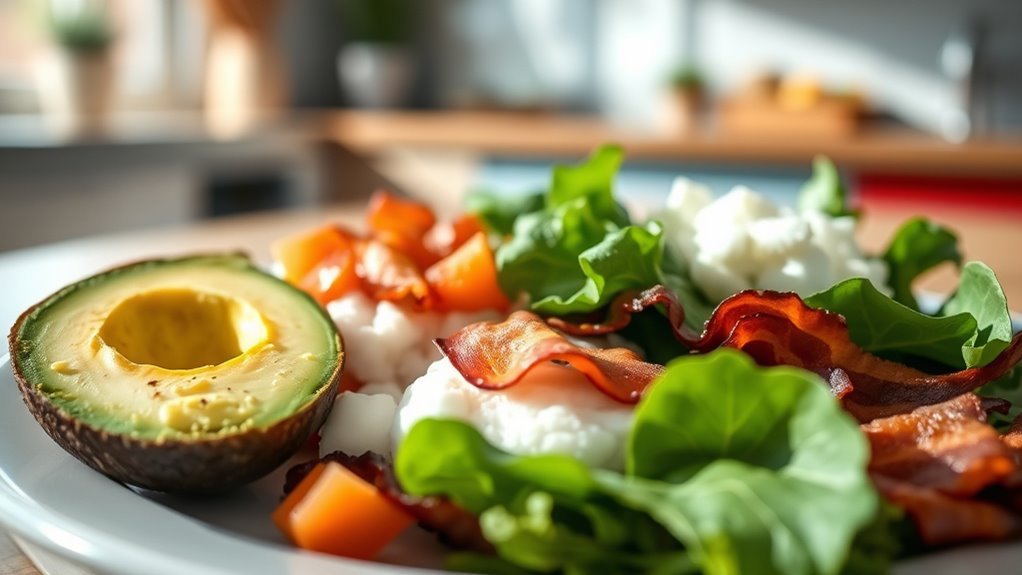
Although gallbladder removal can greatly impact fat digestion, many people successfully adapt to these changes. The gallbladder functions primarily to store and concentrate bile, which is essential for fat absorption. Without it, bile flows directly from the liver to the intestines, affecting how efficiently you digest fats. Here are some factors to take into account:
- Fat digestion may become less efficient.
- You might experience more frequent bowel movements.
- Some individuals report digestive discomfort post-meal.
- Lower fat intake initially may help ease your digestion.
- Gradually increasing fat intake can help your body adjust.
Understanding these changes empowers you to navigate your dietary choices, especially on a keto diet, and embrace the freedom of healthy eating.
Adjusting Your Fat Intake on Keto
When managing the keto diet without a gallbladder, adjusting your fat intake is essential for ideal digestion and overall health. Since your body may struggle with fat digestion, you’ll want to start with a moderate fat intake and gradually increase it as you become more fat-adapted. This gradual increase helps your body adjust to higher fat levels without overwhelming your digestive system. Pay attention to how you feel; if you experience discomfort, consider lowering your fat intake temporarily. By monitoring your body’s responses, you can find the right balance that supports your energy needs while promoting peak digestion. Remember, everyone’s journey is unique, so listen to your body and adapt your fat intake accordingly for lasting success on keto.
Choosing the Right Fats for Your Diet
Choosing the right fats for your keto diet is essential, especially without a gallbladder, since your body’s ability to process fat is different. Focusing on healthy fat sources can help you maintain energy levels and support your overall well-being. Here are some beneficial oils and fats you should consider incorporating:
- Olive oil: Rich in monounsaturated fats and antioxidants.
- Avocado oil: Great for cooking and packed with vitamins.
- Coconut oil: Medium-chain triglycerides (MCTs) provide quick energy.
- Grass-fed butter: Contains conjugated linoleic acid (CLA) for potential health benefits.
- Nut butters: Offer healthy fats and protein, perfect for snacking.
Monitoring Digestive Health After Surgery
After making dietary adjustments to include the right fats, it’s important to keep a close eye on your digestive health, especially following gallbladder surgery. Your body may struggle with bile acid balance, which can affect fat digestion. To support this process, consider digestive enzyme supplementation. These supplements can help your body break down fats more effectively, improving nutrient absorption and minimizing digestive discomfort. Monitor your body’s response to different foods and consider keeping a food diary to track any symptoms. If you notice persistent issues like bloating or diarrhea, consult a healthcare professional. Being proactive about your digestive health can empower you to enjoy the benefits of a keto diet while adapting to life without a gallbladder.
Common Challenges Faced on Keto Without a Gallbladder
Although many find the keto diet beneficial for weight loss and energy, those without a gallbladder often face unique challenges. Your body’s ability to digest fat can be compromised due to reduced bile production, affecting nutrient absorption. Here are some common hurdles you might encounter:
- Fat Digestion: Difficulty breaking down high-fat meals without ideal bile.
- Digestive Enzymes: Lower availability of enzymes may lead to discomfort.
- Meal Timing: Timing your meals becomes essential to aid digestion.
- Fiber Intake: Balancing fiber while on keto can be tricky and may cause bloating.
- Nutrient Absorption: Some essential nutrients may not be absorbed effectively.
Navigating these challenges requires awareness and adjustments to support your health on a keto diet.
Tips for Success on a Keto Diet Post-Surgery
After gallbladder surgery, managing your fat intake is vital on a keto diet to guarantee your body adapts effectively. You’ll also want to keep a close eye on your digestive health, as changes in fat digestion can occur without the gallbladder. By following these guidelines, you can enhance your chances of success on your keto journey.
Manage Fat Intake
Managing fat intake is essential for anyone following a keto diet, especially for those without a gallbladder. Since your body may struggle with fat digestion, it’s vital to be strategic about fat portioning. Start with small amounts and gradually increase your intake to find what works best for you. Here are some tips for success:
- Choose healthy fats like avocados, olive oil, and nuts.
- Spread your fat consumption evenly throughout the day.
- Monitor how your body responds to different fats.
- Keep a food diary to track your intake and any digestive changes.
- Consult a healthcare professional to tailor your diet plan.
This approach will help you navigate your keto journey while maintaining your well-being and freedom.
Monitor Digestive Health
As you adjust your fat intake on a keto diet without a gallbladder, it’s important to keep a close eye on your digestive health. Without this organ, your body has reduced bile production, which can impact fat digestion. To support your digestive system, consider incorporating digestive enzymes into your meals. These can help break down fats more efficiently, minimizing discomfort. Pay attention to how your body reacts to different fats; some may cause bloating or diarrhea. Gradually increase your fat intake to allow your body to adapt. Staying hydrated is essential, as it aids digestion and bile function. By monitoring these aspects, you can enjoy the freedom of a keto lifestyle while maintaining peak digestive health.
Foods to Avoid on a Keto Diet Without a Gallbladder
When following a keto diet without a gallbladder, it is crucial to be mindful of the foods you choose, since your body may struggle to digest certain fats effectively. Here are some foods you should avoid:
- High-fat dairy products (like cream and butter)
- Processed oils (such as canola or soybean oil)
- Fatty cuts of red meat (like ribeye or T-bone)
- Certain nuts (especially macadamias and cashews)
- Sugary keto friendly snacks (that can trigger digestive issues)
Instead, consider incorporating lean proteins and fiber-rich vegetables. You might also benefit from digestive enzyme supplements to help with fat digestion. Staying aware of your body’s responses can empower you to navigate your keto journey more successfully.
Listening to Your Body: Signs to Watch For
How can you tell if your body is responding well to the keto diet after gallbladder removal? Start by tuning into your hunger cues; frequent cravings might indicate you’re not getting enough fat or protein. If you experience digestive discomfort, it could signal issues with fat digestion or nutrient absorption. Pay attention to your energy levels; stable energy throughout the day suggests your body’s adapting well. Adjust your meal timing and portion sizes to find what works best for you. Staying hydrated is essential, as hydration needs can change on a keto diet. By monitoring these signs, you can better adapt your keto approach, ensuring it aligns with your body’s unique needs and promotes your overall well-being.
Frequently Asked Questions
Can I Eat Dairy on a Keto Diet Without a Gallbladder?
Yes, you can eat dairy on a keto diet without a gallbladder, but you’ll want to choose dairy types that are lower in lactose, as lactose intolerance can be more common in this situation. Hard cheeses, heavy cream, and full-fat yogurt are usually well-tolerated. Just pay attention to how your body reacts and adjust accordingly. Prioritizing quality sources of fat will help you maintain your keto goals while enjoying dairy.
How Do I Know if I’m Eating Enough Fat?
You’ll want to make sure you’re not just eating enough fat, but practically swimming in it! To achieve keto balance, your fat intake should typically make up about 70-75% of your total daily calories. Monitor your macros and consider incorporating healthy fats like avocados, olive oil, and nuts. If you’re feeling satisfied and energized while keeping carbs low, you’re likely on the right track! Always listen to your body’s cues.
Will a Keto Diet Cause Digestive Issues After Gallbladder Removal?
Yes, a keto diet can cause digestive issues after gallbladder removal due to reduced bile production, which helps digest fats. Without your gallbladder, your body may struggle to efficiently release bile and digestive enzymes, leading to symptoms like bloating or diarrhea. It’s essential to gradually increase fat intake and consider digestive enzyme supplements to aid digestion. Monitoring your body’s response will help you adjust your diet for better comfort and health.
Can I Take Supplements to Aid Fat Digestion?
Absolutely, you can take supplements to aid fat digestion! Think of digestive enzymes as your personal superheroes, helping break down fats more efficiently. After gallbladder removal, your body might struggle with fat digestion, so incorporating these enzymes can be beneficial. Look for supplements containing lipase, which specifically targets fats, ensuring your body gets the most from your meals. Just remember to consult a healthcare professional to find the right dosage for your needs!
Is Intermittent Fasting Safe for Those Without a Gallbladder?
Yes, intermittent fasting can be safe for you if you don’t have a gallbladder. Many individuals adapt well to fasting as it allows the body to manage bile production more efficiently. However, it’s essential to pay attention to how your body responds. Confirming you consume nutrient-dense foods during eating windows supports gallbladder health, even after its removal. Always consult with a healthcare professional before making significant dietary changes to verify it suits your needs.
Frequently Asked Questions
1. Can I follow a keto diet if I have had my gallbladder removed?
Yes, you can follow a keto diet without a gallbladder. However, you may need to make some adjustments to your diet to accommodate your body’s ability to digest fats. Since the gallbladder stores bile, which is essential for fat digestion, individuals without a gallbladder may find it more challenging to process high-fat foods. It is advisable to start with moderate fat intake and gradually increase it while monitoring how your body responds.
2. What should I be cautious about when starting a keto diet after gallbladder removal?
When starting a keto diet after gallbladder removal, it’s important to be cautious about the types and amounts of fats you consume. Opt for healthy fats such as avocados, olive oil, and fatty fish, and avoid processed trans fats. Additionally, consider consuming smaller meals more frequently to assist in fat digestion. If you experience digestive discomfort, consult a healthcare professional for guidance.
3. Will I experience digestive issues on a keto diet without a gallbladder?
Some individuals may experience digestive issues such as bloating, diarrhea, or gas when starting a keto diet without a gallbladder. This is often due to the body adjusting to a higher fat intake. To mitigate these issues, gradually introduce fats into your diet, stay hydrated, and consider incorporating digestive enzymes or bile salts to aid in fat digestion. If problems persist, consult with a healthcare provider.
4. Are there specific foods I should avoid on a keto diet without a gallbladder?
While following a keto diet without a gallbladder, it’s best to avoid heavily processed foods, trans fats, and excessive amounts of saturated fats that can be difficult to digest. Additionally, you may want to limit high-fiber foods initially, as they can cause bloating or discomfort. Focus on easily digestible foods that provide healthy fats, such as nut butters, fatty fish, and low-carb vegetables.
5. Should I consult with a healthcare professional before starting a keto diet without a gallbladder?
Yes, it is recommended to consult with a healthcare professional or a registered dietitian before starting a keto diet, especially if you have had your gallbladder removed. They can provide personalized advice based on your health history and dietary needs, ensuring that you follow a balanced and safe approach to the keto diet.
References
- https://www.ncbi.nlm.nih.gov/pmc/articles/PMC6982895/
- https://www.ncbi.nlm.nih.gov/books/NBK499877/
- https://www.healthline.com/nutrition/keto-diet-without-gallbladder
- https://www.webmd.com/diet/ss/slideshow-keto-diet
- https://www.mayoclinic.org/healthy-lifestyle/nutrition-and-healthy-eating/in-depth/ketogenic-diet/art-20460480
- https://www.gastro.org/practice-guidance/gi-patient-center/topic/dietary-fat-in-the-gallbladder-removal-patient
- https://www.jamanetwork.com/journals/jama/fullarticle/2679472