

Yes, you can lose weight on a ketogenic diet even with hypothyroidism. However, it requires careful attention to your thyroid health. Monitoring your hormone levels and making nutrient-dense choices are essential. The keto diet may offer benefits like improved insulin sensitivity and increased energy, but individual responses can vary. It’s important to consult with your healthcare provider for personalized adjustments. Stay tuned for more insights on steering your weight loss journey with hypothyroidism.
Understanding Hypothyroidism and Its Impact on Weight Loss
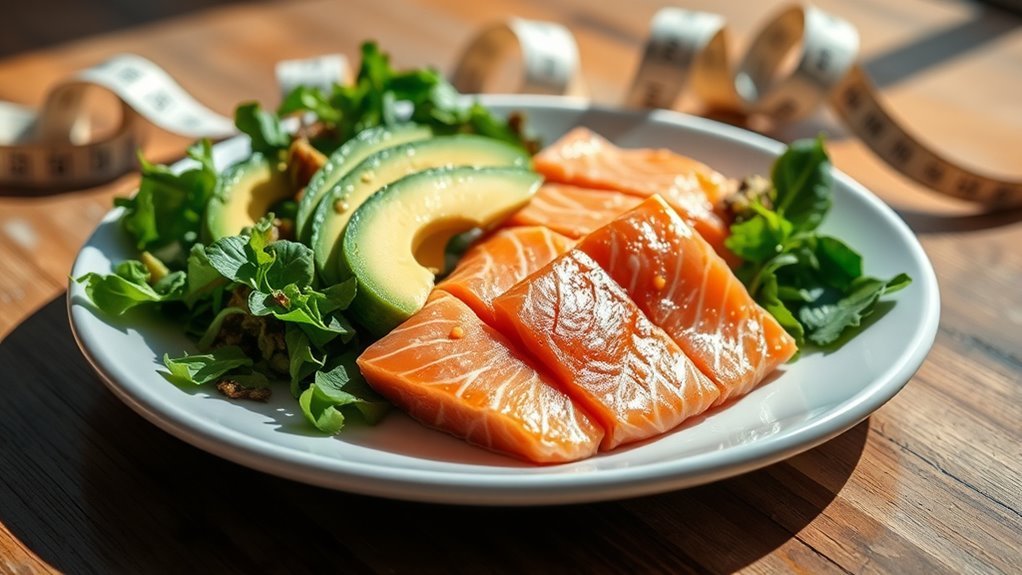
When you’re dealing with hypothyroidism, it can be challenging to manage your weight effectively. Low levels of thyroid hormones can slow your metabolic rate, making weight regulation a struggle. This means that even with careful dietary choices, you might find it hard to shed those extra pounds. Understanding your body’s unique needs is essential; it’s not just about calories in and out. Instead, focus on nutrient-dense foods that support thyroid function and boost your metabolism. Incorporating regular exercise tailored to your energy levels can also help. Remember, each person’s journey is different, and finding a sustainable approach that works for you is key. Embrace the freedom to explore what nourishes your body while keeping your thyroid health in mind.
The Basics of the Ketogenic Diet

The ketogenic diet, or keto, is a low-carb, high-fat eating plan designed to shift your body into a state of ketosis, where it burns fat for fuel instead of carbohydrates. Typically, this involves maintaining specific macronutrient ratios, often around 70-75% fat, 20-25% protein, and only about 5-10% carbohydrates. Understanding these fundamentals can help you tailor the diet to fit your lifestyle and health goals, especially in the context of managing hypothyroidism.
What Is Keto?
Although many diets promise quick weight loss, the ketogenic diet, or keto, stands out for its unique approach to nutrition. At its core, keto emphasizes high-fat, low-carbohydrate intake, shifting your body into a state of ketosis, where it burns fat for fuel instead of carbs. Unfortunately, there are plenty of keto misconceptions and myths that can confuse you. Some believe it’s a high-protein diet, while others think it’s unsustainable. In reality, keto can offer flexibility and freedom, allowing you to enjoy a variety of foods within its guidelines. By understanding the true principles of keto, you can make informed choices that suit your lifestyle, helping you achieve your health goals while debunking common misunderstandings.
Key Macronutrient Ratios
Understanding key macronutrient ratios is vital for anyone looking to successfully navigate the ketogenic diet. To achieve ideal ratios that support your weight loss goals, focus on the following macronutrient distribution:
- Fats: 70-75% of your daily intake
- Proteins: 20-25% of your daily intake
- Carbohydrates: 5-10% of your daily intake
- Fiber: Aim for adequate fiber intake to support digestion
This balanced approach helps your body enter ketosis while providing necessary nutrients. Remember, personalizing these ratios may be important, especially if you have hypothyroidism. Monitoring how your body responds to different macronutrient distributions can empower you to make informed choices, ensuring you enjoy the freedom of a healthier lifestyle while maintaining weight loss.
How Ketosis Affects Thyroid Function

When you enter ketosis, your body shifts its primary fuel source from carbohydrates to fats, which can influence thyroid function in several ways. The change in keto metabolism may impact the production and regulation of thyroid hormones, sometimes leading to fluctuations in energy levels and metabolism.
Here’s a quick look at how ketosis can affect thyroid function:
| Effect | Possible Outcome | Emotional Response |
|---|---|---|
| Reduced T3 Levels | Lower metabolism | Frustration |
| Altered Hormone Regulation | Fatigue | Exhaustion |
| Enhanced Fat Oxidation | Increased energy | Empowerment |
While some may find benefits, others might experience challenges. It’s essential to listen to your body and consult with a healthcare professional to navigate these changes effectively.
Potential Benefits of Keto for Hypothyroidism
While ketosis can impact thyroid function, there are potential benefits for those with hypothyroidism that are worth exploring. Here are some keto benefits that may support your thyroid health:
- Weight Management: A ketogenic diet can help you shed excess weight, which may alleviate some thyroid-related symptoms.
- Improved Insulin Sensitivity: Keto can enhance your body’s response to insulin, potentially stabilizing energy levels.
- Reduced Inflammation: The anti-inflammatory properties of a keto diet may positively affect overall body health, including thyroid function.
- Increased Energy Levels: Many people report heightened energy on a keto diet, which might help combat fatigue often linked to hypothyroidism.
Potential Drawbacks of Keto for Hypothyroidism
Although the ketogenic diet offers various benefits, it also has potential drawbacks for individuals with hypothyroidism that deserve careful consideration. You may face keto challenges like heightened thyroid symptoms due to reduced carbohydrate intake, which can affect your metabolic impact. Strict dietary restrictions might lead to nutrient absorption issues, depriving your body of essential vitamins and minerals important for hormonal balance. Additionally, the shift in energy levels can leave you feeling fatigued, complicating your weight loss journey. While keto may aid inflammation control, it’s essential to monitor how your body reacts to this diet, as it could exacerbate hypothyroid symptoms. Balancing these factors is key to making informed dietary choices that support your overall health and well-being.
Tips for Starting a Keto Diet With Hypothyroidism
When starting a keto diet with hypothyroidism, it’s essential to monitor your thyroid levels regularly to guarantee your body’s hormonal balance remains stable. Additionally, focusing on nutrient-dense foods will support your overall health and help you meet your dietary needs. Balancing these factors can make your keto journey more effective and sustainable.
Monitor Thyroid Levels
To successfully commence a keto diet with hypothyroidism, it’s essential to regularly monitor your thyroid levels. Keeping an eye on your hormone levels can help you adapt your diet more effectively. Here are some crucial tips for thyroid testing:
- Schedule regular blood tests to check TSH, T3, and T4 levels.
- Track any symptoms or changes in energy and mood during the diet.
- Adjust your keto plan based on test results and how you feel.
- Consult with a healthcare provider familiar with keto and thyroid health.
Focus on Nutrient-Dense Foods
Focusing on nutrient-dense foods is crucial for anyone with hypothyroidism starting a keto diet, as these foods provide essential vitamins and minerals that support thyroid function. Prioritize whole foods like leafy greens, avocados, and fatty fish, which not only offer healthy fats but also support overall health. Consider nutrient timing; consuming these foods around your workout can enhance energy levels and metabolism. Avoid processed items that can disrupt thyroid health. Remember, the key is to enjoy freedom in your choices while ensuring you nourish your body effectively. By making mindful selections, you can create a sustainable keto lifestyle that caters to your unique needs and helps you achieve your weight loss goals.
Monitoring Your Progress and Adjusting Your Approach
As you begin your weight loss journey with a ketogenic diet while managing hypothyroidism, it is crucial to regularly monitor your progress and adjust your approach as needed. Effective progress tracking helps you stay on course and make informed decisions. Consider these four key strategies:
- Weigh Yourself Weekly: Track your weight at the same time each week for consistency.
- Keep a Food Diary: Log what you eat to identify patterns and areas for improvement.
- Monitor Energy Levels: Pay attention to how your body feels—fatigue can signal a need for adjustments.
- Check Thyroid Levels: Regularly consult your healthcare provider to confirm your thyroid function remains ideal.
These approach adjustments can empower you on your journey to achieving your weight loss goals.
Frequently Asked Questions
Can I Combine Keto With My Thyroid Medication?
Yes, you can combine keto with your thyroid medication, but timing is vital. It’s important to take your medication at least 30 minutes before meals, especially if you’re adjusting your thyroid dosage. While keto may help some people feel more energetic, it can also affect how your body processes medication. Always consult your doctor to guarantee a safe and effective approach, allowing you the freedom to explore this dietary path while managing your health.
What Are Keto-Friendly Foods That Support Thyroid Health?
To support thyroid health on a keto diet, focus on keto vegetables like spinach, kale, and broccoli, which are rich in nutrients. Incorporate thyroid-friendly fats such as avocados, olive oil, and coconut oil, as they promote hormone production. Don’t forget to include sources of selenium, like Brazil nuts, which can further aid thyroid function. Balancing these foods will not only enhance your overall well-being but also empower you to enjoy your keto journey.
How Long Does It Take to See Weight Loss Results on Keto?
They say, “Good things come to those who wait.” When you start keto, you might see some initial weight loss within the first week, but true results typically appear after 2-4 weeks, as your body adapts to ketosis. This weight loss timeline can vary based on individual factors like metabolism and activity level. Remember, patience is key; everyone’s keto adaptation journey is unique, so focus on sustainable changes rather than quick fixes.
Are There Specific Supplements I Should Take on Keto for Hypothyroidism?
Yes, there are specific supplements you should consider for thyroid support on keto. It’s often recommended to take selenium and zinc, as they can enhance thyroid function. Timing is essential; take your supplements with meals to improve absorption. Additionally, consider vitamin D for overall health. Always consult with a healthcare professional before starting any new supplements to verify they fit your individual needs and lifestyle, allowing you the freedom to thrive on your journey.
Can Stress Affect My Weight Loss on a Keto Diet?
Absolutely, stress can impact your weight loss on a keto diet. Imagine Sarah, who struggled to shed pounds despite sticking to her meal plan. When she started managing her stress through yoga and meditation, her cortisol levels dropped, and she began to see progress. Stress management is essential; elevated cortisol can lead to weight gain and hinder fat loss. Prioritizing stress reduction can create a more balanced environment for your body to thrive.
Frequently Asked Questions about Losing Weight on Keto with Hypothyroidism
1. Can I lose weight on a keto diet if I have hypothyroidism?
Yes, many people with hypothyroidism can successfully lose weight on a ketogenic diet. The key is to focus on maintaining a balanced intake of healthy fats, moderate proteins, and low carbohydrates while also managing thyroid hormone levels. It’s essential to monitor your body’s response to dietary changes and consult with a healthcare provider to tailor the diet to your needs.
2. Will a keto diet affect my thyroid function?
A ketogenic diet can influence thyroid function in some individuals. Research suggests that very low carbohydrate intake may lead to decreased levels of thyroid hormones in some people. However, maintaining a moderate carb intake within the keto framework may help mitigate this effect. It’s crucial to work with a healthcare professional to monitor thyroid levels and adjust your diet as needed.
3. What are some keto-friendly foods that support thyroid health?
Keto-friendly foods that can support thyroid health include fatty fish (like salmon and sardines), nuts and seeds (like walnuts and flaxseeds), cruciferous vegetables (like broccoli and kale), and healthy oils (like olive oil and coconut oil). Additionally, incorporating foods rich in iodine (like seaweed) and selenium (like Brazil nuts) can further support thyroid function.
4. How should I monitor my weight loss progress on keto with hypothyroidism?
Monitoring weight loss progress on a keto diet while managing hypothyroidism can be done through consistent tracking of your weight, body measurements, and how your clothes fit. It’s also important to monitor energy levels, mood, and overall well-being. Regular check-ins with your healthcare provider to assess thyroid hormone levels and adjust medications if necessary are also vital for successful weight management.
5. What should I do if I’m not losing weight on the keto diet with hypothyroidism?
If you’re not losing weight on a keto diet while managing hypothyroidism, consider reviewing your macronutrient ratios and overall caloric intake. It may also be beneficial to assess your thyroid hormone levels and ensure they are adequately managed. In some cases, you may need to adjust your carbohydrate intake or include more physical activity. Consulting with a healthcare provider or a nutritionist who specializes in thyroid health can provide personalized strategies to overcome weight loss plateaus.
References
- https://www.ncbi.nlm.nih.gov/pmc/articles/PMC6537656/
- https://www.thyroid.org/thyroid-hormone-and-weight-gain/
- https://www.healthline.com/nutrition/keto-diet-and-thyroid-health
- https://www.webmd.com/diet/keto-diet-and-thyroid-issues
- https://www.endocrineweb.com/conditions/thyroid/can-keto-diet-help-weight-loss-hypothyroidism
- https://www.mayoclinic.org/diseases-conditions/hypothyroidism/symptoms-causes/syc-20350797
- https://www.hormonesmatter.com/hypothyroidism-keto-diet/