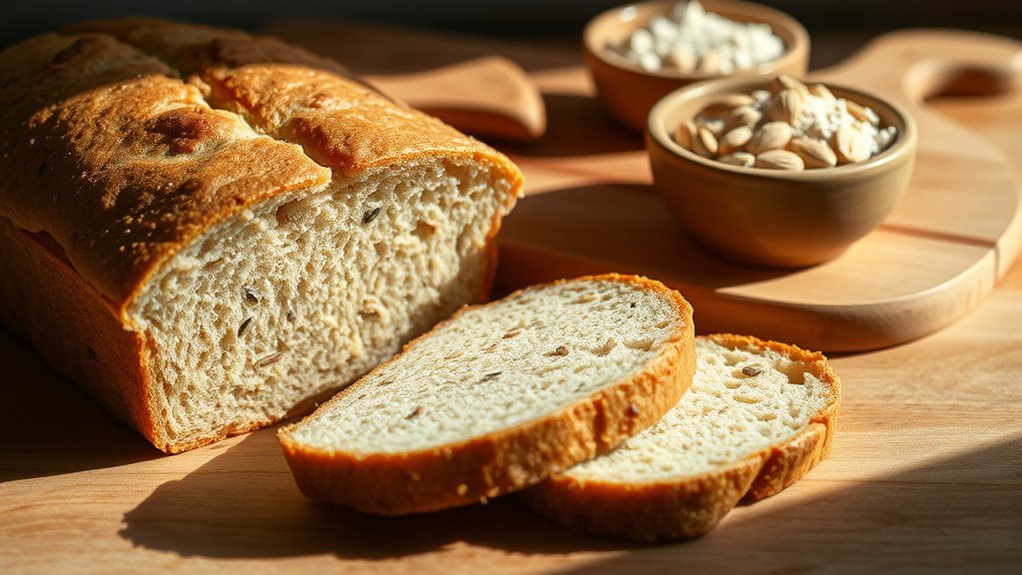

Yes, you can enjoy keto bread as a diabetic! It’s low in carbohydrates, often made from almond or coconut flour, and designed to help manage blood sugar levels. With high fiber content and healthy fats, keto bread can provide sustained energy without causing spikes in glucose. Just remember to monitor your blood sugar after eating and choose quality ingredients. There’s more to discover about how to effectively include keto bread in your meal plan.
Understanding the Ketogenic Diet
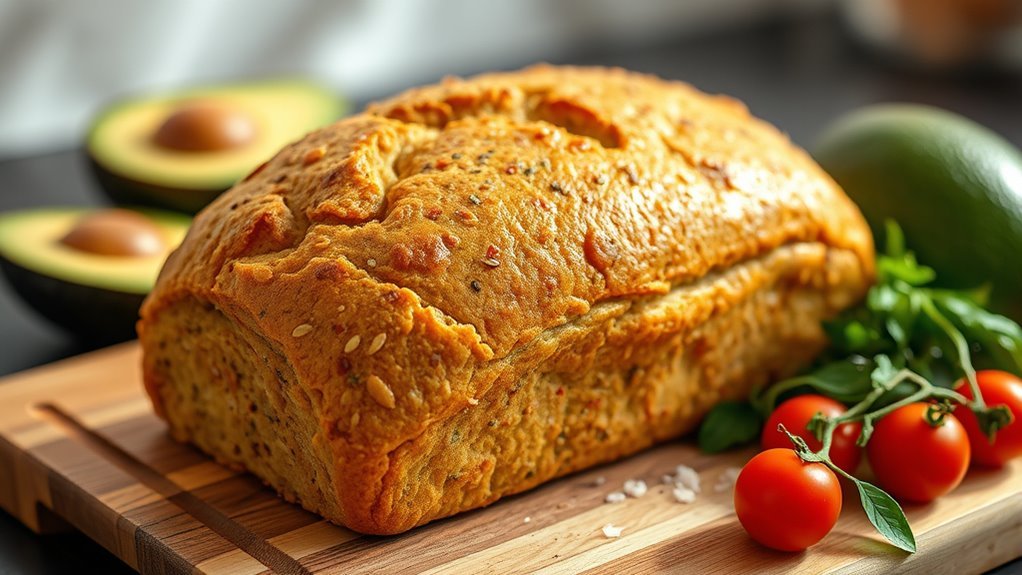
When it comes to managing diabetes, understanding the ketogenic diet can be essential for making informed dietary choices. The keto principles focus on high-fat, low-carbohydrate intake, which may help regulate blood sugar levels. By reducing carbs, your body enters ketosis, burning fat for energy instead of glucose. It’s important to recognize that diet variations exist within the ketogenic framework, allowing you to customize your approach based on personal preferences and health needs. You might explore options like targeted or cyclical keto to fit your lifestyle better. Balancing these principles with your diabetic management plan can empower you to enjoy a more flexible diet while maintaining your health and well-being. Always consult a healthcare professional before making significant dietary changes.
What Is Keto Bread?

Keto bread is a low-carbohydrate alternative to traditional bread, typically made from ingredients like almond flour, coconut flour, and eggs. These ingredients not only provide a different texture and taste but also offer nutritional benefits, such as higher fiber content and lower sugar levels. Understanding how keto bread impacts blood sugar levels can help you make informed choices if you’re managing diabetes.
Ingredients in Keto Bread
Bread alternatives designed for low-carb diets often feature a unique blend of ingredients that cater to those seeking healthier options. Keto bread typically contains ingredient types like almond flour, coconut flour, and flaxseed meal, which provide a lower carbohydrate count compared to traditional wheat flour. These alternatives also often include eggs, which help bind the ingredients together and add protein. You may find ingredients like psyllium husk or xanthan gum in keto bread recipes, which improve texture and create that desired bread-like consistency. Additionally, some recipes might use sweeteners like erythritol or stevia to enhance flavor without spiking blood sugar levels. By focusing on these ingredients, keto bread can fit into a low-carb lifestyle while offering a satisfying alternative to regular bread.
Nutritional Benefits Overview
The unique ingredients found in keto bread not only contribute to its low carbohydrate content but also offer several nutritional benefits that can be appealing to individuals, especially those managing diabetes. Keto bread is typically made from almond flour, coconut flour, and seeds, which provide healthy fats and fiber. This combination can support satiety and may help regulate blood sugar levels.
| Keto Bread Benefits | Diabetic Friendly Options |
|---|---|
| Low in carbohydrates | Almond flour |
| High in healthy fats | Coconut flour |
| Rich in fiber | Flaxseeds |
| Gluten-free | Chia seeds |
Impact on Blood Sugar
When exploring options for managing blood sugar, understanding what keto bread is can be essential for diabetics. Keto bread typically contains low carbohydrates and high fiber, which may help reduce blood sugar fluctuations compared to traditional bread. This lower carbohydrate content leads to a more controlled glycemic response, meaning your blood sugar levels might remain steadier after eating. Studies suggest that foods with reduced carbs can help some diabetics achieve better glucose control. However, individual responses can vary, so it’s important to monitor your blood sugar after consuming keto bread. Consulting with a healthcare professional can guide you in incorporating it into your diet while maintaining your freedom to enjoy a variety of foods without compromising your health.
Nutritional Composition of Keto Bread
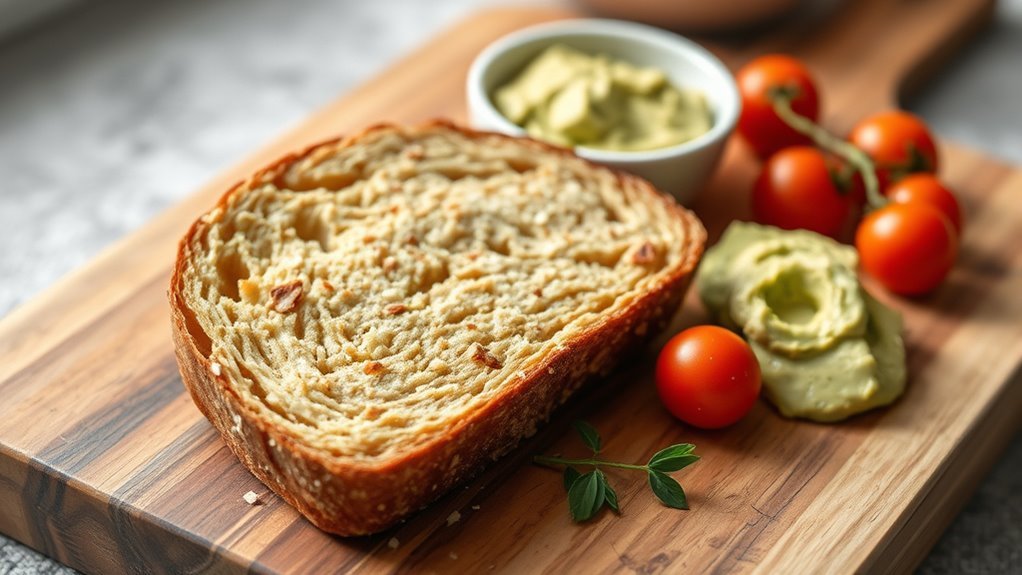
Keto bread offers a unique alternative for those looking to manage their carbohydrate intake while still enjoying baked goods. Its nutritional composition can align well with diabetic nutrition goals, allowing you to indulge without compromising your health. Here are four key components of keto bread:
- Low Carbohydrates: Typically contains 1-5 grams of net carbs per slice, making it suitable for low-carb diets.
- High Fiber: Often made with almond or coconut flour, providing essential fiber for digestive health.
- Healthy Fats: Includes ingredients like eggs and avocado oil, which support satiety and energy.
- Protein-Rich: Many recipes incorporate protein powders or nut flours, enhancing muscle maintenance.
This balanced approach helps you enjoy bread without the blood sugar spikes associated with traditional options.
The Impact of Carbohydrates on Blood Sugar
Understanding how carbohydrates affect blood sugar levels is essential for managing diabetes effectively. Different carbohydrate types can lead to varying blood sugar responses. Simple carbohydrates, like sugars, can cause rapid spikes in blood glucose, while complex carbohydrates, such as whole grains, tend to release energy more slowly, resulting in steadier blood sugar levels. As a diabetic, it’s vital to take into account not just the quantity of carbohydrates you consume but also their quality. Choosing high-fiber options can slow digestion and help maintain stable blood sugar levels. By being mindful of carbohydrate types, you empower yourself to make informed choices that support your health and freedom, allowing for a balanced diet that fits your lifestyle.
How Keto Bread Affects Blood Sugar Levels
While many bread options can lead to blood sugar spikes, keto bread presents a different scenario for those managing diabetes. Its low carbohydrate content typically results in fewer blood sugar fluctuations compared to traditional bread. Here’s how keto bread can positively impact your insulin response:
- Lower Carbs: Reduced carbs mean less glucose entering the bloodstream.
- High Fiber: Fiber helps slow digestion, moderating blood sugar levels.
- Healthy Fats: Fats provide sustained energy without causing spikes.
- Nutrient-Dense Ingredients: Often made with almond flour or coconut flour, these ingredients have a lower glycemic index.
Incorporating keto bread into your diet can help you maintain more stable blood sugar levels, allowing for greater freedom in your meal choices.
Comparing Keto Bread to Traditional Bread
How does keto bread stack up against traditional bread regarding managing diabetes? Keto bread generally has a lower carbohydrate content, which can help maintain stable blood sugar levels. While traditional bread offers a familiar texture that’s soft and fluffy, keto bread often features a denser, sometimes chewy texture due to its alternative ingredients, like almond flour or coconut flour. As for taste, many find that keto bread can be surprisingly satisfying, though it might not replicate the exact flavor of traditional bread. Ultimately, your choice may depend on how well you adapt to the differences in texture and taste, but the lower carbs in keto bread could provide more freedom in managing your diabetes.
Incorporating Keto Bread Into a Diabetic Meal Plan
Incorporating keto bread into your diabetic meal plan can be a smart way to enjoy the benefits of lower carbohydrates without sacrificing your favorite meals. Here are some tips for successful meal planning with keto bread:
- Choose recipes wisely: Look for keto bread recipes that use almond flour or coconut flour for lower glycemic impact.
- Balance your plate: Pair keto bread with protein and healthy fats to stabilize blood sugar levels.
- Portion control: Keep track of serving sizes to prevent overeating.
- Experiment and enjoy: Try different keto bread recipes to keep your meals exciting and flavorful.
Using these strategies, you can seamlessly enjoy keto bread while managing your diabetes effectively.
Potential Benefits of Keto Bread for Diabetics
Keto bread offers several potential benefits for diabetics, primarily due to its low carbohydrate content. This can help you maintain better blood sugar control, as fewer carbs generally lead to less insulin response. Additionally, many keto bread recipes include nutrient-dense ingredients that can support overall health.
Low Carbohydrate Content
When managing diabetes, keeping carbohydrate intake in check is essential, and that’s where the low carbohydrate content of keto bread can offer potential benefits. By opting for keto bread, you can enjoy a range of advantages:
- Low glycemic impact: Keto bread typically has a minimal effect on blood sugar levels.
- Reduced cravings: Lower carbs can help stabilize your appetite, reducing the urge to snack.
- Diverse carbohydrate sources: Keto bread often uses almond flour or coconut flour, offering healthier options.
- Increased dietary freedom: With lower carbs, you can incorporate more foods into your diet without compromising your health.
Incorporating low carbohydrate options like keto bread can support your dietary choices while managing diabetes effectively.
Blood Sugar Control
Since maintaining stable blood sugar levels is essential for managing diabetes, many individuals are turning to keto bread as a potential ally in their dietary regimen. This low-carb option can help improve insulin sensitivity, which is vital for keeping blood sugar levels in check. By reducing the intake of carbohydrates, especially refined ones, you can better manage carbohydrate timing throughout your day, minimizing spikes in glucose levels. Keto bread is often made with almond or coconut flour, which generally has a lower glycemic index than traditional bread. Incorporating it into your meals may allow for greater flexibility while still adhering to a diabetes-friendly diet. However, it’s important to monitor your blood sugar response to any new foods you introduce.
Nutrient-Dense Ingredients
The choice of ingredients in keto bread can be particularly beneficial for diabetics, as many recipes utilize nutrient-dense components that offer more than just low carbohydrates. By focusing on high-quality ingredient sources, you can improve your overall health while managing blood sugar levels effectively. Here are four nutrient-dense ingredients often found in keto bread:
- Almond flour – Rich in healthy fats and fiber, it helps maintain stable blood sugar.
- Coconut flour – High in fiber and low in carbs, it promotes digestive health.
- Psyllium husk – A great source of soluble fiber, it can aid in blood sugar control.
- Seeds (like chia or flax) – Packed with omega-3s and protein, they enhance nutrient density.
Choosing these ingredients allows you to enjoy tasty bread without compromising your health.
Choosing the Right Keto Bread
Choosing the right keto bread can make a significant difference in managing your diabetes while enjoying a low-carb lifestyle. There are various types of keto bread available, from almond flour to coconut flour and even cauliflower-based options. Each type offers unique nutritional benefits and can cater to your taste preferences. When selecting, pay attention to the ingredients—opt for breads with fiber-rich components and minimal additives. Flavor variations can elevate your meals, whether you prefer a classic sourdough or a savory herb-infused loaf. Remember to read labels carefully, focusing on net carbs and overall nutrition. By choosing wisely, you can savor delicious bread without compromising your health goals, giving you the freedom to enjoy your meals.
Tips for Monitoring Blood Sugar With Keto Bread
Monitoring blood sugar levels is essential when incorporating keto bread into your diet, especially for diabetics. Here are some tips to help you effectively manage your blood sugar while enjoying keto bread:
- Check Before Eating: Always perform blood sugar monitoring before consuming keto bread to establish a baseline.
- Portion Control: Stick to recommended serving sizes to avoid spikes in blood sugar. Smaller portions can help maintain stability.
- Track Your Response: After eating, monitor your blood sugar again to see how your body reacts to the bread.
- Adjust as Needed: If you notice significant fluctuations, consider adjusting your portion sizes or the type of keto bread you choose.
Frequently Asked Questions
Can Keto Bread Be Made at Home for Diabetics?
Think of keto bread as a canvas where you can paint your culinary masterpiece. You can definitely make keto bread at home using diabetic-friendly ingredients. There are plenty of keto bread recipes available that utilize almond flour, coconut flour, and flaxseed meal, all of which are low in carbs. By experimenting with these ingredients, you’ll create a delicious, nutritious bread that fits into your lifestyle, giving you the freedom to enjoy healthier options.
Is All Keto Bread Suitable for Diabetics?
Not all keto bread is suitable for diabetics. While it often has lower carbs, you need to check the nutritional content carefully. Some varieties can still spike blood sugar due to added ingredients like sweeteners or high-carb flours. It’s essential to read labels and choose brands that use almond flour or coconut flour, which are more diabetic-friendly. Always monitor how different breads affect your blood sugar to find what works best for you.
How Often Can Diabetics Eat Keto Bread?
When it comes to how often you can eat keto bread, frequency guidelines suggest moderation is key. You should consider your overall carbohydrate intake and blood sugar levels. Portion control is essential; a small slice may fit into your diet better than multiple servings. It’s best to monitor how your body responds and adjust accordingly. Consulting a healthcare professional can help tailor these guidelines to your individual needs, ensuring you maintain that desired freedom in your diet.
What Are the Best Toppings for Keto Bread?
Imagine a slice of warm keto bread, waiting for toppings that bring it to life. For nutrient density, spread creamy avocado or rich almond butter, both offering healthy fats. Bold flavor pairings like smoked salmon with dill or turkey and avocado create delightful contrasts. You could also try a tangy cream cheese and cucumber combination. Each topping not only enhances taste but also supports your health goals, making every bite a satisfying experience.
Can Keto Bread Help With Weight Management in Diabetics?
Keto bread can indeed support weight management, especially for those with diabetes. Its low-carb nature may help you maintain stable blood sugar levels, which is vital for weight control. Plus, keto benefits like increased satiety can prevent overeating. However, individual responses vary, so it’s essential to monitor how your body reacts. Combining keto bread with nutritious toppings can enhance your meal’s balance, making it easier to enjoy freedom in your dietary choices.
Frequently Asked Questions
1. Can diabetics eat keto bread?
Yes, diabetics can eat keto bread, but it is essential to choose products that are low in carbohydrates and high in fiber. Keto bread is typically made from almond flour, coconut flour, or other low-carb ingredients, which can help maintain stable blood sugar levels. However, individuals should always monitor their blood glucose response when trying new foods.
2. What ingredients are commonly found in keto bread?
Keto bread often includes low-carb ingredients such as almond flour, coconut flour, eggs, psyllium husk, and baking powder. These ingredients help create a bread-like texture while minimizing carbohydrate content. Some recipes may also use seeds or nuts for added flavor and nutrition.
3. How does keto bread affect blood sugar levels?
Keto bread generally has a lower glycemic index compared to traditional bread, meaning it is less likely to cause spikes in blood sugar levels. The high fiber content slows down the absorption of carbohydrates, which can be beneficial for diabetics. However, it’s still important for individuals to monitor their blood sugar levels after consuming keto bread to understand how it affects them personally.
4. Can homemade keto bread be a better option for diabetics?
Yes, making homemade keto bread can be a better option for diabetics as it allows for complete control over the ingredients used. By using low-carb flours and avoiding added sugars or preservatives, individuals can create a bread that meets their dietary needs. Additionally, homemade options can often be fresher and more flavorful than store-bought varieties.
5. Are there any potential downsides to eating keto bread for diabetics?
While keto bread can be a good option for many diabetics, there are potential downsides. Some commercially available keto breads may contain unhealthy additives or high levels of saturated fats. Additionally, individuals may experience digestive issues due to the high fiber content from alternative flours. It’s essential for diabetics to read labels carefully and consult with their healthcare provider when incorporating new foods into their diet.
References
- https://www.diabetes.org/healthy-living/recipes-nutrition/healthy-eating/keto-diet
- https://www.ncbi.nlm.nih.gov/pmc/articles/PMC6470866/
- https://www.health.harvard.edu/blog/the-ketogenic-diet-what-you-need-to-know-2019082917582
- https://www.cdc.gov/diabetes/basics/what-is-diabetes.html
- https://www.mayoclinic.org/diseases-conditions/type-2-diabetes/expert-answers/low-carb-diet/faq-20057788
- https://www.eatright.org/health/diseases-and-conditions/diabetes/the-keto-diet-and-diabetes
- https://www.verywellhealth.com/keto-diet-and-diabetes-5191404
- https://www.sciencedirect.com/science/article/pii/S2212267217300967
- https://www.webmd.com/diabetes/what-is-the-keto-diet
- https://www.clevelandclinic.org/health/diseases/17715-diabetes-and-the-keto-diet