
Yes, seeds are keto-friendly! They’re low in carbohydrates and high in healthy fats, protein, and essential nutrients. For instance, chia and flaxseeds are particularly low in net carbs, making them ideal for maintaining ketosis. Seeds can help you feel full while providing valuable omega-3 and omega-6 fatty acids. However, it’s important to consume them in moderation and be aware of potential allergies. Discover more about the nutritional profiles and best ways to include seeds in your diet.
Understanding Keto and Its Nutritional Requirements
When you consider adopting a ketogenic diet, it’s essential to understand its core nutritional requirements. The keto basics revolve around considerably reducing carbohydrate intake while increasing fats, which shifts your body into a state of ketosis. Typically, you’ll aim for macro ratios of about 70-75% fats, 20-25% protein, and only 5-10% carbohydrates. This balance helps your body burn fat for energy instead of glucose. It’s important to choose healthy fat sources, like avocados and olive oil, and to monitor your protein intake to avoid excess carbs. By grasping these key components, you empower yourself to make informed choices that align with your health goals while enjoying the freedom that the ketogenic lifestyle can offer.
The Role of Seeds in a Keto Diet
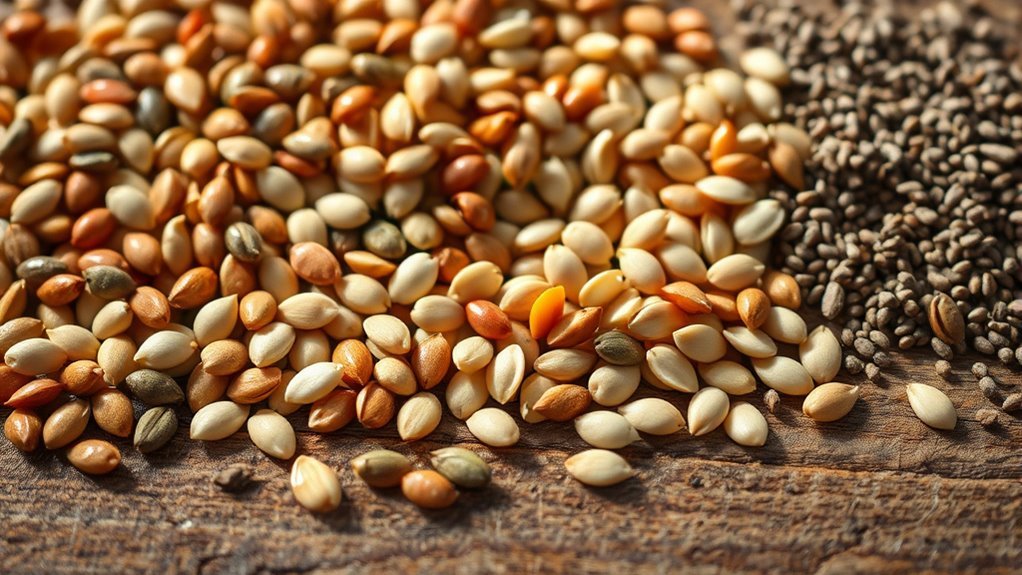
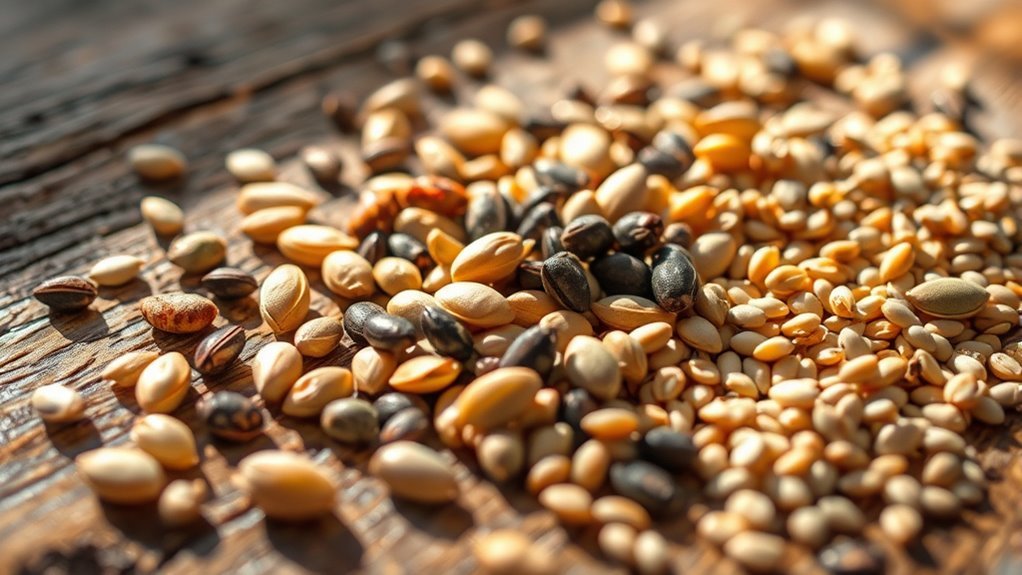
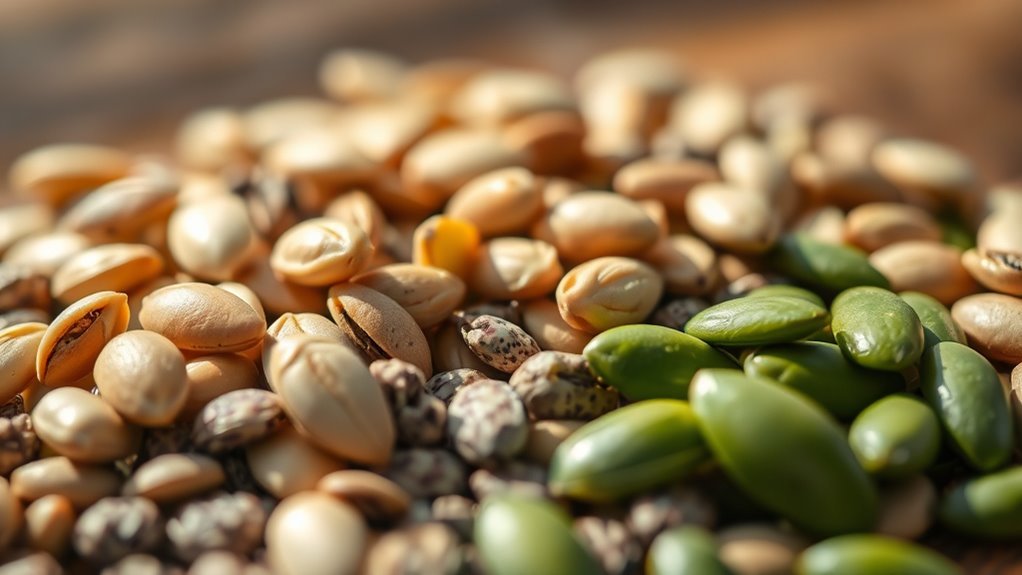
Seeds can be a valuable addition to your keto diet, providing essential nutrients while keeping carbs low. Their nutritional profile varies, with some seeds offering higher fat content that aligns well with keto principles. It’s important to know which seeds are best suited for your diet to maximize health benefits and maintain ketosis.
Nutritional Profile of Seeds
Although many people may overlook seeds as a mere snack, their nutritional profile makes them a valuable addition to a keto diet. These tiny powerhouses are packed with essential nutrients and healthy fats. Here are three key benefits of incorporating various seed varieties into your meals:
- High in Healthy Fats: Most seeds are rich in omega-3 and omega-6 fatty acids, promoting heart health.
- Low in Carbs: Seeds generally contain low carbohydrate levels, making them perfect for maintaining ketosis.
- Rich in Protein and Fiber: They provide a satisfying source of protein and fiber, helping to keep you full longer.
When considering seed storage, remember to keep them in a cool, dark place to maintain their nutritional integrity.
Best Seeds for Keto
Incorporating the right seeds into your keto diet can greatly enhance your overall nutritional intake. Seeds are rich in healthy fats, fiber, and essential nutrients, making them perfect for your low-carb lifestyle. Here’s a quick overview of some of the best seed varieties for keto:
| Seed Variety | Carbs (Net per 1 oz) | Storage Tips |
|---|---|---|
| Chia Seeds | 2g | Store in a cool, dark place |
| Flaxseeds | 0g | Keep in an airtight container |
| Pumpkin Seeds | 4g | Refrigerate for freshness |
| Sunflower Seeds | 3g | Store away from heat |
| Sesame Seeds | 4g | Use within a few months |
With proper seed storage, you can enjoy these nutritious options while staying on track with your keto goals.
Nutritional Profiles of Popular Seeds
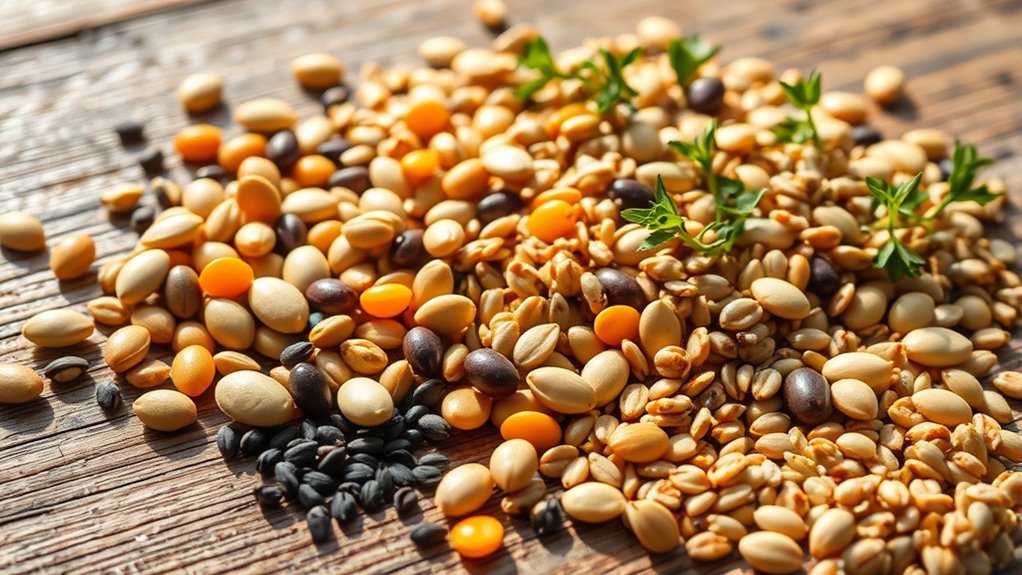
When considering seeds for your keto diet, it’s important to look at their nutritional profiles. Chia seeds are rich in fiber, omega-3 fatty acids, and various micronutrients, while flaxseeds offer similar health benefits along with lignans, which may support heart health. Understanding these facts can help you make informed choices about incorporating seeds into your meals.
Chia Seeds Nutrition Facts
Chia seeds, tiny powerhouses of nutrition, have gained popularity not just for their unique texture but also for their impressive health benefits. These little seeds pack a nutritional punch, making them a great addition to your diet. Here are some key nutrition facts:
- High in Fiber: Chia seeds can absorb water, aiding digestion and keeping you full longer.
- Rich in Omega-3s: They’re a great source of healthy fats, supporting heart health.
- Packed with Protein: Chia seeds offer a plant-based protein boost, perfect for various chia seed recipes.
Incorporating chia seeds into your meals can amplify the chia seed benefits, whether you sprinkle them on yogurt or blend them into smoothies. Enjoy the freedom to explore their versatility!
Flaxseeds Health Benefits
While many seeds offer health benefits, flaxseeds stand out for their unique nutritional profile and potential health advantages. These tiny powerhouses are rich in omega-3 fatty acids, fiber, and lignans, which can support heart health, improve digestive function, and even offer antioxidant properties. You might find that incorporating flaxseed into your diet can help manage cholesterol levels and promote weight management. Plus, there are countless flaxseed recipes to explore, from smoothies to baked goods, making it easy to enjoy their benefits. Just remember to ground them for ideal nutrient absorption. So, whether you sprinkle them on salads or mix them into your morning oatmeal, you’ll be embracing the numerous flaxseed benefits for a healthier lifestyle.
Chia Seeds: A Keto-Friendly Superfood
Seeds are often celebrated for their nutritional benefits, and chia seeds stand out as a particularly keto-friendly option. These tiny powerhouses pack a punch with their impressive nutritional value, making them a great addition to your keto recipes. Here are three health benefits of chia seeds:
- High in Fiber: Chia seeds are rich in fiber, which helps keep you full and supports digestive health.
- Omega-3 Fatty Acids: They provide a plant-based source of omega-3s, promoting heart health.
- Low in Carbs: With minimal net carbs, chia seeds fit perfectly into a ketogenic diet.
Incorporating chia seeds into your meals can enhance your health while satisfying your dietary needs. Enjoy their versatility in smoothies, puddings, or as a topping!
Flaxseeds: Benefits and Considerations
Flaxseeds are packed with essential nutrients, including omega-3 fatty acids, fiber, and lignans, making them a valuable addition to your diet. Their potential health benefits range from improved heart health to better digestive function. However, it’s important to contemplate how to incorporate them effectively into your meals for maximum benefit.
Nutritional Profile Overview
When considering a keto diet, it’s essential to look at the nutritional profile of flaxseeds, as they offer a unique combination of health benefits. These tiny seeds are packed with nutrient density, making them a valuable addition to your diet. Here’s what you’ll find:
- Omega-3 Fatty Acids: Flaxseeds are rich in alpha-linolenic acid (ALA), promoting heart health.
- Fiber: They provide both soluble and insoluble fiber, supporting digestive health and satiety.
- Protein: Flaxseeds contain a good amount of plant-based protein, making them a great choice for various seed varieties on a keto plan.
Incorporating flaxseeds can enhance your meal plans while keeping you aligned with your keto goals.
Potential Health Benefits
While you might be focused on the macronutrients in your keto diet, it’s important not to overlook the potential health benefits that flaxseeds can offer. This seed variety is rich in omega-3 fatty acids and lignans, which may support heart health and reduce inflammation. Research suggests that incorporating flaxseeds into your diet can also aid in digestion due to their high fiber content, helping you maintain a healthy gut. Additionally, their antioxidant properties contribute to overall wellness. However, moderation is key, as excessive intake can lead to digestive discomfort. So, consider adding flaxseeds to your meals for their numerous health advantages, all while enjoying the freedom to explore diverse flavors in your keto journey.
Pumpkin Seeds: Low-Carb Powerhouses
If you’re looking for a nutritious snack that aligns with a keto lifestyle, pumpkin seeds should be on your radar. These little powerhouses are low in carbs and packed with essential nutrients. Here are three health benefits of pumpkin seeds:
Pumpkin seeds are a nutritious, low-carb snack perfect for your keto lifestyle, packed with essential nutrients.
- High in Protein: They provide a great source of plant-based protein, helping you feel fuller longer.
- Rich in Healthy Fats: Pumpkin seeds contain healthy fats, including omega-3 and omega-6 fatty acids, which support heart health.
- Nutrient-Dense: They’re loaded with magnesium, zinc, and antioxidants, all of which contribute to overall well-being.
You can easily incorporate pumpkin seeds into your diet through various recipes, from salads to smoothies. Enjoy this versatile snack while sticking to your keto goals!
Sunflower Seeds: Nutritional Benefits and Carb Content
After exploring the benefits of pumpkin seeds, it’s worth considering another nutritious option: sunflower seeds. These tiny powerhouses are packed with essential nutrients and offer several health benefits, making them a great addition to your diet.
Here’s a quick look at their nutritional profile:
| Nutrient | Amount per 1 oz (28g) |
|---|---|
| Calories | 164 |
| Protein | 6 g |
| Total Carbohydrates | 6 g |
| Dietary Fiber | 2 g |
Sunflower seeds are relatively low in carbohydrates, with only about 4 grams of net carbs per serving. They’re rich in healthy fats, particularly polyunsaturated and monounsaturated fats, which can support heart health. Enjoying sunflower seeds can be a satisfying way to boost your nutrition while staying aligned with your keto goals.
How to Incorporate Seeds Into Your Keto Meal Plan
Incorporating seeds into your keto meal plan can be both simple and delicious, as they provide a nutrient-dense source of healthy fats and protein. Here are some easy ways to include them:
- Snack Mix: Combine seeds like pumpkin, sunflower, and chia for a crunchy, nutritious snack.
- Meal Prep: Add seeds to salads, smoothies, or yogurt for extra texture and nutrients.
- Seed Pairings: Try mixing flaxseeds with almond flour in your keto baking to enhance flavor and nutrition.
These options not only elevate your meals but also keep your diet varied and exciting. Remember, the right seed pairings can make all the difference in your keto journey, so get creative and enjoy the freedom of flavor!
Potential Risks of Eating Seeds on a Keto Diet
While seeds can be a nutritious addition to a keto diet, there are potential risks to take into account. First, some individuals may experience potential allergies to certain seeds, which could lead to adverse reactions. Additionally, excessive consumption of seeds can contribute to digestive issues, such as bloating or gas, due to their high fiber content. Furthermore, an imbalance in omega fatty acids may arise if you rely too heavily on specific seeds, like flax or chia, which are high in omega-3s. Striking a balance is key, and it’s essential to monitor your intake to avoid these pitfalls. By doing so, you can enjoy the benefits of seeds without compromising your health on a keto journey.
Conclusion: Seeds as Part of a Balanced Keto Approach
Although seeds can be a valuable component of a balanced keto diet, it’s important to approach their consumption mindfully. Here are three key points to keep in mind when incorporating seed varieties into your meals:
- Nutrient Density: Different seed varieties, like chia and flaxseeds, provide essential nutrients that support overall health.
- Healthy Fats: Many seeds are rich in healthy fats, helping you meet your keto macronutrient goals while promoting satiety.
- Potential Health Benefits: Regular consumption of seeds may offer benefits such as improved digestion and reduced inflammation.
Frequently Asked Questions
Can Seeds Help With Weight Loss on a Keto Diet?
Seeds can definitely support your weight management goals on a keto diet. They’re packed with nutrients, including healthy fats, fiber, and protein, which can help keep you feeling full longer. Incorporating seeds into your meals can enhance their nutrition without compromising your macros. Just remember to watch portion sizes, as seeds are calorie-dense. Overall, including seeds in your diet can be a tasty and beneficial choice for sustainable weight loss.
Are Roasted Seeds Healthier Than Raw Seeds for Keto?
When comparing roasted seeds to raw seeds, there are some roasted benefits worth noting. Roasting can enhance flavor and make seeds crunchier, which might encourage you to eat more. However, the nutritional comparison shows that roasting can decrease certain nutrients, like vitamin E and B vitamins. If you prefer the taste and texture of roasted seeds, just be mindful of added oils or salt, ensuring they align with your healthy eating goals.
How Many Seeds Can I Eat on a Keto Diet?
You might be surprised to learn that just one ounce of sunflower seeds packs about 7 grams of protein! When it comes to seed portioning on a keto diet, moderation is key. Aim for about 1-2 ounces daily, focusing on seed nutrition to keep your carb intake low. Incorporating a variety of seeds like chia, flax, and pumpkin can enhance your meals while aligning with your dietary goals, giving you the freedom to enjoy your snacks!
Can I Use Seed Oils on a Keto Diet?
Yes, you can use seed oils on a keto diet! They offer several benefits, such as healthy fats and essential nutrients. Common types like flaxseed oil, pumpkin seed oil, and sunflower oil can enhance your meals. Just be mindful of the omega-6 fatty acids, which can be inflammatory when consumed in excess. Balance is key, so incorporating a variety of fats will help you enjoy the freedom of flavorful, keto-friendly dishes.
Are There Any Seed Allergies to Be Aware of on Keto?
You’d think munching on seeds is totally safe, right? But watch out! Sunflower seed allergies can sneak up on you, causing unexpected reactions. If you’re diving into pumpkin seeds, be cautious too—some folks experience adverse responses. It’s important to know your body’s limits. Always consult a healthcare professional if you’re unsure about allergies. Enjoying seeds on a keto diet can be great, but staying informed keeps your freedom intact.
1. Are seeds keto-friendly?
Yes, most seeds are keto-friendly as they are low in carbohydrates and high in healthy fats. Popular seeds like chia seeds, flaxseeds, sunflower seeds, and pumpkin seeds can be a great addition to a ketogenic diet. They provide essential nutrients, fiber, and can help you feel full, which is beneficial for maintaining ketosis.
2. Which seeds are best for a keto diet?
Some of the best seeds for a keto diet include:
- Chia Seeds: High in fiber and omega-3 fatty acids.
- Flaxseeds: Rich in lignans and fiber, helping to support digestive health.
- Pumpkin Seeds: Packed with magnesium, iron, and zinc.
- Sunflower Seeds: A great source of vitamin E and healthy fats.
These seeds not only fit within the carb limits of a keto diet but also provide a variety of health benefits.
3. How many carbs do seeds typically contain?
The carbohydrate content in seeds can vary, but most seeds contain around 1-5 grams of net carbs per ounce. For example:
- Chia Seeds: Approximately 2 grams of net carbs.
- Flaxseeds: About 0.4 grams of net carbs.
- Pumpkin Seeds: Roughly 4 grams of net carbs.
- Sunflower Seeds: Around 4 grams of net carbs.
This low carb content makes seeds an excellent choice for those following a ketogenic diet.
4. Can I eat seeds in moderation on a keto diet?
Yes, you can eat seeds in moderation on a keto diet. While they are low in carbs, it’s important to keep portion sizes in check as they are calorie-dense. A small handful can provide health benefits without exceeding your daily carb limit. Incorporating them into meals or snacks can enhance flavor and nutrition.
5. Are there any seeds I should avoid on a keto diet?
While most seeds are keto-friendly, it’s wise to be cautious with certain seed mixes or processed seeds that may have added sugars or carbohydrates. For instance, avoid seeds that are coated with sweeteners or those found in trail mixes that contain dried fruits. Always check the nutritional label to ensure they align with your keto goals.
References
- https://www.ncbi.nlm.nih.gov/pmc/articles/PMC7072041/
- https://www.healthline.com/nutrition/keto-diet-foods
- https://www.washingtonpost.com/food/2021/07/16/keto-diet-seeds/
- https://www.cdc.gov/healthyweight/healthy_eating/index.html
- https://www.nutrition.gov/topics/whats-food/food-groups/seeds-and-nuts
- https://www.medicalnewstoday.com/articles/322881
- https://www.sciencedirect.com/science/article/pii/S0378432019300581
- https://www.hsph.harvard.edu/nutritionsource/healthy-weight/what-is-a-healthy-diet/