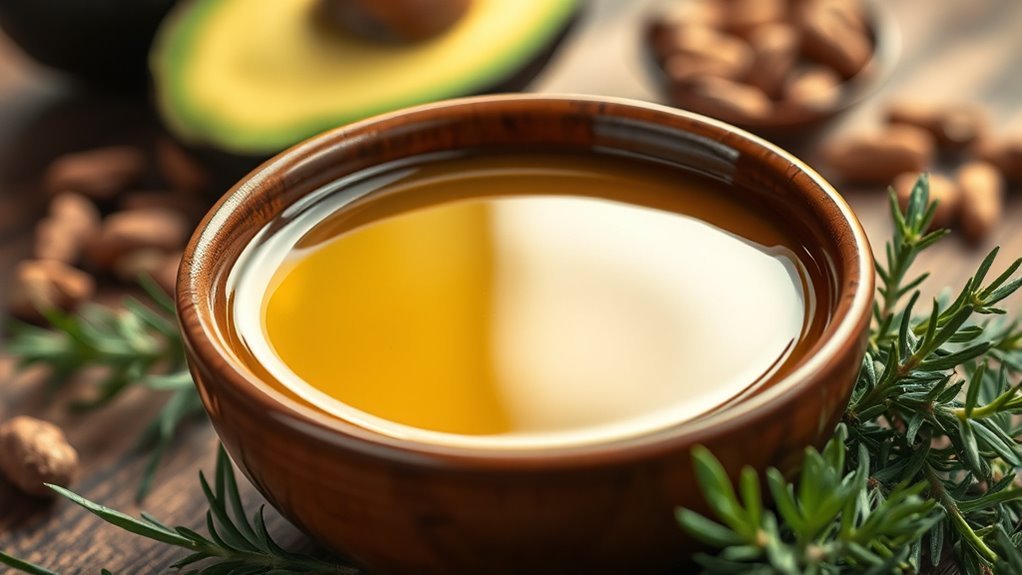

Yes, ghee is keto-friendly! It’s packed with healthy fats, making it an excellent choice for maintaining ketosis. With about 62% saturated fat, ghee provides quick energy and essential vitamins like A, D, E, and K. It’s also lactose-free, which suits those with sensitivities. While it’s a great fat source, moderation is key to avoid excessive calorie intake. To learn how to incorporate ghee into your meals and its potential drawbacks, keep going!
What Is Ghee and How Is It Made?

Ghee, a type of clarified butter, has been a staple in Indian cuisine for centuries. Its history dates back to ancient times when it was used not only for cooking but also in religious rituals and Ayurvedic medicine. Making ghee involves simmering unsalted butter to separate the milk solids from the fat, resulting in a rich, nutty flavor. You’ll find various ghee varieties, including traditional cow’s ghee, buffalo ghee, and even those infused with herbs and spices. Each type offers unique flavor profiles and cooking properties, making it versatile for different culinary uses. Understanding these ghee varieties can enhance your cooking experience, allowing you to enjoy this timeless ingredient in countless dishes while embracing freedom in your culinary choices.
Nutritional Profile of Ghee
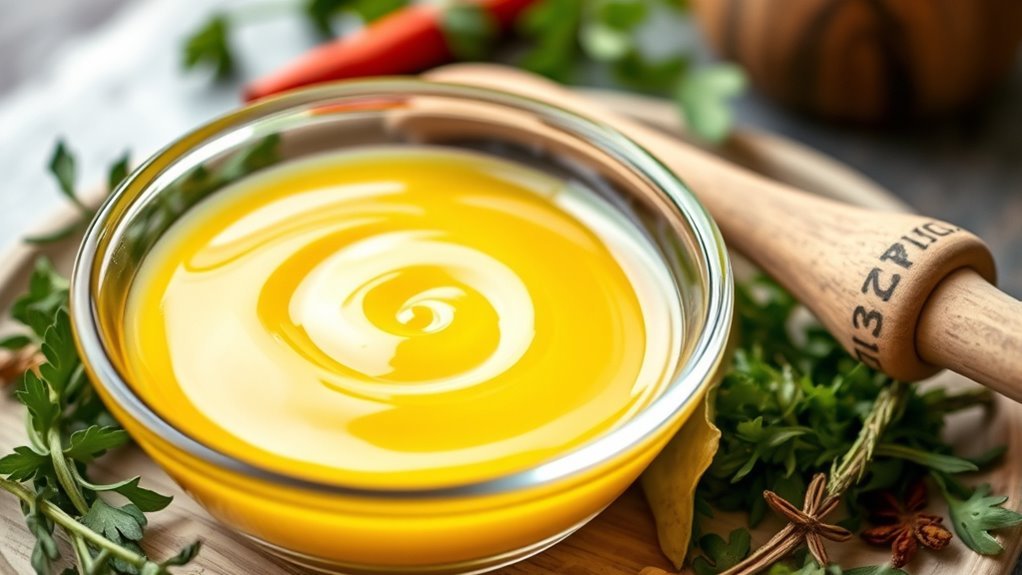
Rich in flavor and nutrients, ghee boasts an impressive nutritional profile that appeals to many health-conscious individuals. It’s primarily composed of fats, with roughly 62% saturated fat, offering quick energy and supporting nutrient absorption. Ghee is also rich in butyrate, a short-chain fatty acid linked to anti-inflammatory effects and improved gut health. Additionally, it contains vitamins A, D, E, and K, which are essential for various bodily functions. While ghee’s nutritional benefits are notable, those seeking alternatives might consider coconut oil or olive oil, both of which provide healthy fats and distinct flavors. Ultimately, incorporating ghee or its alternatives into your diet can enhance your culinary experiences while supporting your nutritional goals.
The Role of Fats in a Keto Diet
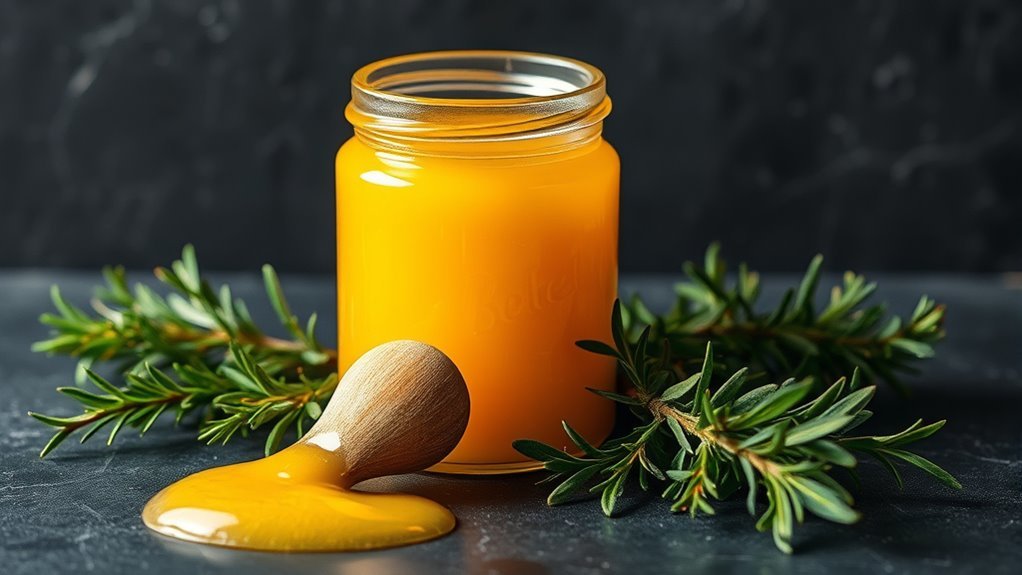
In a keto diet, healthy fats play an important role in helping your body enter and maintain ketosis. You’ll find that the ideal fats-to-carbohydrates ratio is essential for maximizing fat burning while minimizing carb intake. Understanding this balance can greatly impact your overall success on a ketogenic journey.
Importance of Healthy Fats
While many diets emphasize reducing fat intake, healthy fats play an essential role in a ketogenic (keto) lifestyle. Incorporating healthy fat sources like avocados, olive oil, and ghee not only helps maintain ketosis but also supports overall well-being. These fats are vital for fat absorption, allowing your body to effectively utilize the nutrients from other foods. When you consume healthy fats, you provide your body with a steady source of energy, which can reduce cravings and keep you feeling satisfied. Embracing healthy fats empowers you to enjoy delicious meals while staying aligned with your keto goals. Remember, quality matters—opt for unprocessed sources to maximize benefits and support your journey toward freedom in your dietary choices.
Fats vs. Carbohydrates Ratio
Understanding the right balance between fats and carbohydrates is key to succeeding on a keto diet. Typically, you’ll want to aim for a ratio of about 70-75% fats, 20-25% protein, and only 5-10% carbohydrates. This high-fat intake promotes fats health, allowing your body to enter ketosis, where it burns fat for fuel instead of carbohydrates.
Here’s a quick overview of common sources:
| Fats Sources | Carbohydrates Sources |
|---|---|
| Avocado | Bread |
| Olive Oil | Pasta |
| Nuts and Seeds | Rice |
| Butter | Fruits |
Benefits of Ghee for Keto Followers
Ghee is a great addition to your keto diet due to its high fat content, which can help you meet your daily fat intake goals. It’s also lactose-free, making it a suitable option for those who are lactose intolerant but still want to enjoy rich flavors in their meals. By incorporating ghee, you can enhance your cooking while adhering to keto principles.
High Fat Content
For those following a ketogenic diet, the high fat content of ghee offers significant benefits. Incorporating ghee into your meals can enhance your ketogenic experience with its rich flavors and nutritional profile. Here are some ghee benefits:
- Energy Source: Ghee provides a concentrated source of energy, helping you maintain ketosis.
- Nutrient Absorption: The fats in ghee facilitate the absorption of fat-soluble vitamins, boosting the nutritional value of your meals.
- Versatile Cooking: With its high smoke point, ghee is ideal for various ghee recipes, from sautéing to baking.
- Satiety: The richness of ghee can help keep you satisfied, reducing cravings and supporting your dietary goals.
Embracing ghee can truly elevate your keto journey!
Lactose-Free Option
If you’re sensitive to lactose but still want to enjoy the benefits of a ketogenic diet, ghee might be the perfect solution. Ghee is clarified butter, meaning it’s free from lactose and casein, making it a great option for those with lactose intolerance. The lactose-free benefits of ghee allow you to indulge in healthy fats without digestive discomfort.
Here’s a quick comparison of ghee and some common ghee alternatives:
| Ghee | Ghee Alternatives |
|---|---|
| Lactose-free | May contain lactose |
| High smoke point | Lower smoke point |
| Nutrient-rich | Varies by alternative |
| Rich in flavor | Mild flavor options |
Incorporating ghee into your meals can help you stay on track with your keto lifestyle while enjoying freedom from lactose.
How Ghee Fits Into Your Daily Macros
When incorporating ghee into your daily macros, it’s essential to evaluate its high-fat content and how it fits within your overall dietary goals. Ghee can be a fantastic source of healthy fats, but balance is key. Here are some tips to help you with macro balancing:
Incorporating ghee requires mindful evaluation of its fat content to align with your dietary goals. Balance is essential for effective macro management.
- Calculate Your Daily Fat Needs: Determine your total daily fat intake based on your macro goals.
- Portion Control: Use ghee in moderation to prevent exceeding your fat allowance.
- Consider Ghee Alternatives: Explore options like olive oil or coconut oil for variety and balancing macros.
- Track Your Intake: Use a food diary or app to monitor how ghee affects your overall fat consumption.
Cooking With Ghee: Tips and Techniques
While ghee has gained popularity for its distinct flavor and high smoke point, cooking with it requires some understanding of its unique properties. It’s perfect for sautéing, frying, or baking, providing a rich, nutty flavor that enhances dishes. When you’re considering ghee alternatives, options like coconut oil or olive oil can offer similar benefits, but ghee stands out due to its nutrient profile. For ideal ghee storage, keep it in an airtight container in a cool, dark place; it can last for months without refrigeration. Always remember to use it in moderation, especially if you’re following a keto diet. Enjoy experimenting with ghee in your cooking, and let its versatility elevate your meals!
Potential Drawbacks of Ghee on a Keto Diet
Although ghee is often praised for its health benefits and suitability for a ketogenic diet, there are potential drawbacks to contemplate. Here are some considerations:
Ghee offers health benefits, but it’s important to be aware of potential drawbacks before incorporating it into your diet.
- Ghee Allergies: If you’re sensitive to dairy, ghee might still trigger allergies, as it’s derived from milk.
- High Caloric Content: Ghee is calorie-dense, which can lead to overconsumption and potential weight gain if not monitored.
- Saturated Fat: While healthy fats are essential, excessive saturated fat may increase cholesterol levels for some individuals.
- Lack of Nutrients: Unlike whole foods, ghee lacks many nutrients; relying solely on it may lead to nutritional imbalances.
If you’re concerned about these issues, consider ghee substitutes like coconut oil or olive oil to diversify your fat sources.
Delicious Recipes Using Ghee for Keto Meals
Incorporating ghee into your keto meals can elevate both flavor and nutritional value, offering a rich source of healthy fats. You can use ghee as a base for delicious ghee sauces, like a creamy garlic sauce to drizzle over grilled chicken or sautéed vegetables. For a tasty side dish, try roasting cauliflower in ghee, seasoned with your favorite herbs, for a crunchy, flavorful bite. Don’t forget about ghee desserts; you can create keto-friendly brownies by substituting ghee for butter, enhancing the richness. Additionally, ghee can be blended into your morning coffee for a satisfying, energy-boosting drink. These recipes not only satisfy your cravings but also align perfectly with your keto lifestyle, allowing you to enjoy the freedom of flavorful meals.
Frequently Asked Questions
Can Ghee Be Consumed on a Vegan Diet?
If you’re following a vegan diet, ghee isn’t suitable since it’s derived from animal milk. However, you can explore several vegan alternatives and ghee substitutes that mimic its rich flavor and cooking properties. Options like coconut oil, vegan butter, or olive oil can work well in recipes. Each substitute brings its unique taste, so you might want to experiment to find what fits your culinary needs while sticking to a vegan lifestyle.
Is Ghee Suitable for Lactose-Intolerant Individuals?
If you’re lactose intolerant, you might wonder if ghee is suitable for you. Ghee is often considered lactose-free due to the clarification process, which removes most of the lactose. This can provide lactose-free benefits for many individuals. However, if you’re unsure, exploring ghee alternatives like coconut oil or avocado oil might be wise. Always listen to your body and consult with a healthcare professional if you’re uncertain about incorporating ghee into your diet.
How Does Ghee Compare to Butter in Keto?
When you’re deciding between ghee and butter for your keto journey, think about the benefits ghee offers. It has a higher smoke point and is free from lactose, making it easier to digest. You’ll find ghee recipes that enhance flavors without compromising your diet. Both are high in fat, but ghee provides a richer source of nutrients. Ultimately, you’ll enjoy the freedom to experiment while keeping your keto goals in check!
Can Ghee Help With Weight Loss on Keto?
Ghee can be a helpful addition to your weight management efforts on a keto diet. It’s rich in healthy fats, which can support ketosis, the state where your body burns fat for fuel. By incorporating ghee, you might experience keto benefits like improved satiety and energy levels. However, moderation is key; too much fat can hinder your weight loss goals. So, enjoy ghee mindfully and balance it with your overall dietary needs.
What Are the Storage Recommendations for Ghee?
When it comes to ghee storage, you’re in luck! Ghee has a long shelf life, often lasting up to a year if kept in a cool, dark place. Ideally, store it in an airtight container to prevent oxidation. For best freshness, you can refrigerate it, which can extend its life even further. Just remember, ghee’s natural properties make it resistant to spoilage, so you don’t need to worry too much about it going bad quickly.
Frequently Asked Questions about Ghee and the Keto Diet
1. Is ghee suitable for a ketogenic diet?
Yes, ghee is suitable for a ketogenic diet. Ghee is a clarified form of butter that is rich in fats, making it an excellent source of healthy fats for those following a keto lifestyle. It is high in saturated fats, which can help maintain ketosis, as it provides the necessary energy without carbohydrates.
2. What are the nutritional benefits of ghee on a keto diet?
Ghee offers several nutritional benefits on a keto diet, including:
- High in Healthy Fats: Ghee is composed of approximately 62% saturated fat, which supports energy levels while on a low-carb diet.
- Rich in Vitamins: It contains fat-soluble vitamins A, D, E, and K, which are essential for maintaining overall health.
- Anti-Inflammatory Properties: Ghee is known for its butyrate content, which has anti-inflammatory effects and may support gut health.
3. Can ghee help with weight loss on a keto diet?
Ghee can potentially aid weight loss on a keto diet by providing a concentrated source of fats that can help keep you satiated, reducing the likelihood of snacking on high-carb foods. Additionally, the butyrate in ghee may enhance metabolic health, promoting fat burning. However, moderation is key, as consuming too many calories, even from healthy fats, can hinder weight loss progress.
4. How should ghee be incorporated into a keto diet?
Ghee can be incorporated into a keto diet in various ways:
- Cooking: Use ghee for frying, sautéing, or baking due to its high smoke point.
- As a Spread: Spread ghee on vegetables or use it on keto-friendly bread alternatives.
- In Coffee: Try adding ghee to coffee or tea for a creamy, fat-rich beverage.
5. Are there any drawbacks to using ghee on a keto diet?
While ghee has many benefits, there are some potential drawbacks to consider:
- High-Calorie Content: Ghee is calorie-dense, so portion control is important to avoid excessive caloric intake.
- Lactose Sensitivity: Although ghee is low in lactose, individuals with severe lactose intolerance may still experience sensitivity.
- Fat Quality: The quality of ghee can vary; opt for organic, grass-fed ghee to ensure the best nutrient profile.
References
- https://www.healthline.com/nutrition/ghee-keto
- https://www.medicalnewstoday.com/articles/325242
- https://www.ncbi.nlm.nih.gov/pmc/articles/PMC6047630/
- https://www.wisewell.com/blog/ghee-and-keto-diet
- https://pubmed.ncbi.nlm.nih.gov/29575093/
- https://www.verywellfit.com/ghee-keto-diet-5196743
- https://www.thekitchn.com/what-is-ghee-229445
- https://www.bbcgoodfood.com/howto/guide/what-ghee