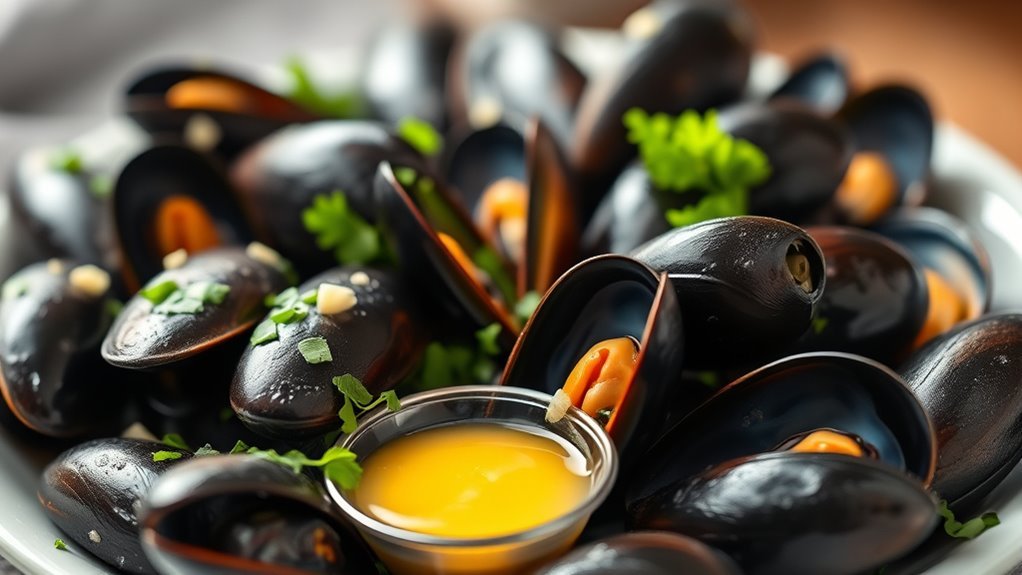

Mussels are a great choice for a keto diet because they’re low in carbohydrates and high in protein. A typical 3-ounce serving contains about 3 grams of carbs and 18 grams of protein, making them both filling and nutritious. They also provide essential omega-3 fatty acids and nutrients that support overall health. With their versatility in cooking methods, you can enjoy them in various flavors without exceeding your carb limits. There’s plenty more to explore about mussels and their health benefits.
Nutritional Profile of Mussels
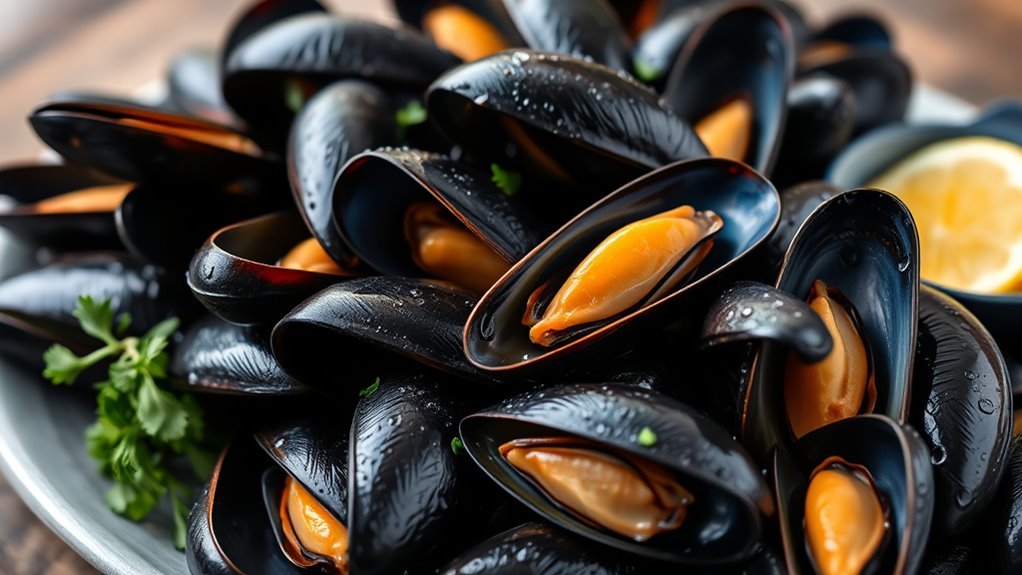
When you’re considering a ketogenic diet, understanding the nutritional profile of mussels is essential. Mussels are a fantastic option due to their impressive nutrient density, providing a rich source of protein, vitamins, and minerals while being low in carbohydrates. There are various mussel types, including blue and green-lipped mussels, each offering unique flavors and nutritional benefits. For instance, blue mussels are high in omega-3 fatty acids, promoting heart health, while also supplying essential nutrients like vitamin B12 and iron. Additionally, their low calorie content makes them a great choice for those seeking to maintain a healthy weight. Incorporating mussels into your meals can enhance your nutrient intake while aligning with a ketogenic lifestyle, granting you the freedom to enjoy diverse flavors.
Carb Content in Mussels
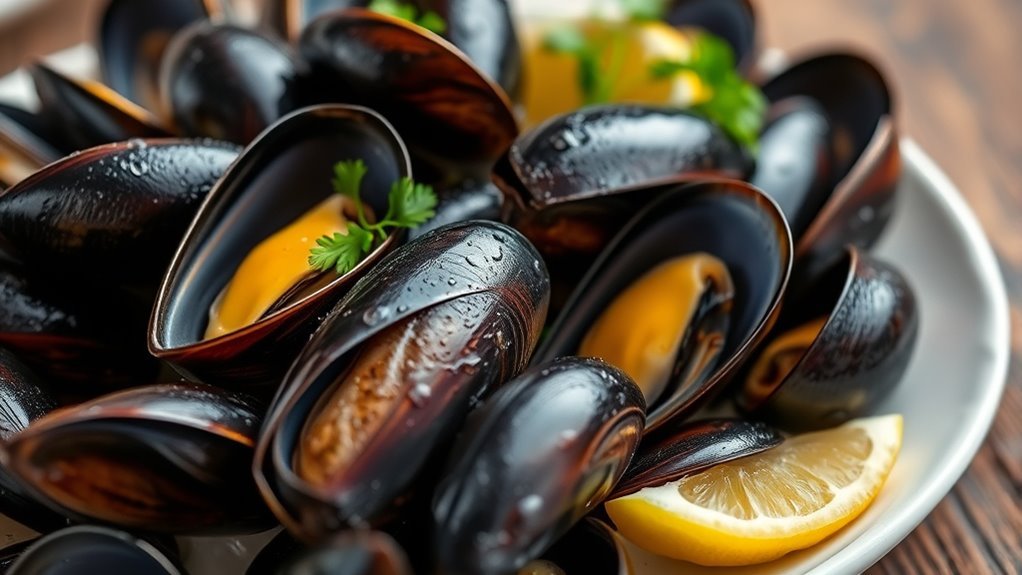
Mussels are remarkably low in carbohydrates, making them an excellent choice for those following a ketogenic diet. Most mussel varieties contain about 3 grams of carbs per 3-ounce serving, which is quite minimal. This means you can enjoy them without jeopardizing your carb limit. Whether you opt for blue, green-lipped, or black mussels, you’ll find they maintain this low-carb profile.
When considering serving sizes, remember that a typical meal might include 6 to 8 ounces, still keeping your carb intake well within range. Pair mussels with keto-friendly ingredients, and you’ll create satisfying meals that align with your dietary goals. Embracing mussels allows you to enjoy delicious flavors while staying committed to your keto lifestyle.
Health Benefits of Mussels
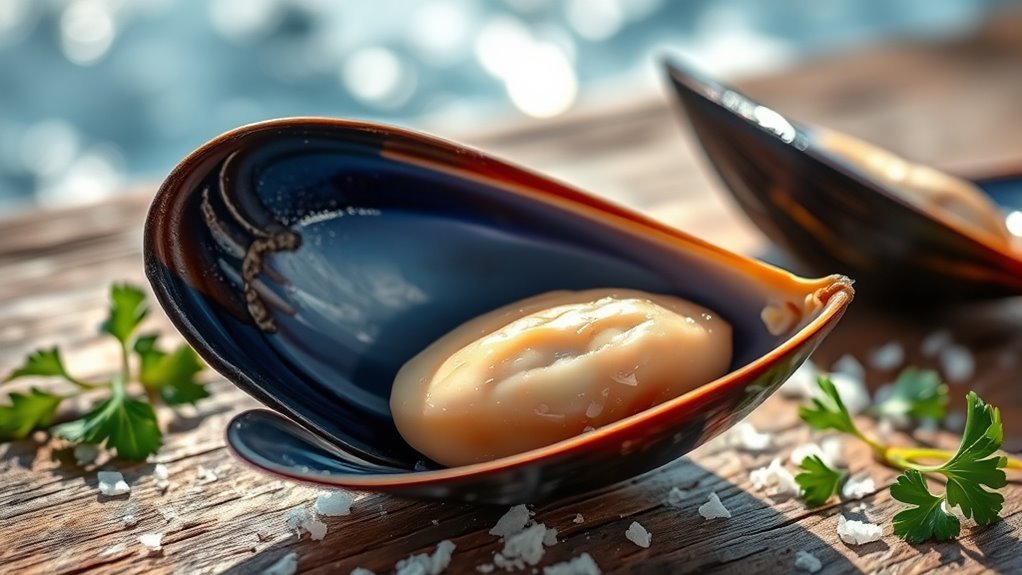
While you might think of mussels solely as a tasty seafood option, they also offer numerous health benefits that can enhance your overall well-being. Mussels are packed with essential nutrients, providing a rich source of protein, omega-3 fatty acids, vitamins, and minerals. These nutritional benefits contribute to improved heart health, stronger bones, and enhanced immune function.
Here’s a quick overview of mussels’ health benefits:
| Nutrient | Benefit | Source |
|---|---|---|
| Protein | Muscle repair & growth | 18g per 3 oz serving |
| Omega-3s | Heart health | Anti-inflammatory fats |
| Zinc | Immune support | 2.5 mg per 3 oz |
Incorporating mussels into your diet can greatly boost your overall mussels health.
How Mussels Fit Into a Keto Diet
If you’re following a keto diet, you’ll be pleased to know that mussels can be a valuable addition to your meal plan. Their keto compatibility makes them an excellent choice for low-carb eating. Here’s why:
Mussels are a keto-friendly seafood option, perfect for low-carb meal plans. Enjoy their rich nutrients without the carbs!
- Low in Carbs: Mussels contain minimal carbohydrates, allowing you to enjoy them without worrying about exceeding your daily limit.
- High in Protein: They provide a great source of protein, essential for muscle maintenance and overall health on a keto diet.
- Nutrient-Dense: Mussels are rich in vitamins and minerals, especially when sourced sustainably, giving you the nutrients your body craves without the carbs.
Cooking Methods for Mussels
When it comes to cooking mussels, steaming is one of the most popular techniques, as it preserves their natural flavor and texture. You might also explore baking mussels, which allows for a variety of delicious toppings and flavor combinations. Both methods can enhance your culinary experience while keeping your keto diet on track.
Steaming Mussels Techniques
To achieve perfectly steamed mussels, it is essential to understand the right techniques that enhance their natural flavors and textures. Here are some effective steaming techniques you can use:
- Prep the Mussels: Rinse them under cold water and remove any beards. Discard open or damaged shells.
- Choose the Right Liquid: Use broth, white wine, or even coconut milk for flavor enhancements. Add aromatics like garlic or herbs for an extra kick.
- Control the Heat: Bring the liquid to a boil, then reduce to a simmer. Cover tightly and steam for about 5-7 minutes, until the mussels open.
Baking Mussels Variations
While steaming is a popular method for cooking mussels, baking them offers a delightful alternative that enhances their flavor and texture. When you bake mussels, you can experiment with various baked mussel toppings to elevate your dish. Classic choices include garlic butter, breadcrumbs, and herbs, which create a savory crust. For a twist, consider stuffed mussel variations, where you fill the shells with ingredients like cheese, spinach, or chorizo, adding depth to each bite. Baking not only locks in moisture but also allows for a beautiful presentation, making it perfect for gatherings. Plus, it’s an excellent way to cater to different tastes, ensuring everyone enjoys this versatile seafood. Immerse yourself in baking and discover your favorite combinations!
Delicious Keto Mussel Recipes
If you’re looking to elevate your keto meals, mussels are an excellent choice, as they’re not only low in carbs but also packed with protein and healthy fats. Here are three delicious keto mussel recipes to try:
- Mussels Marinara: Sauté garlic in olive oil, add crushed tomatoes, season with herbs, and toss in the mussels until they open up. Serve hot!
- Garlic Butter Mussels: Melt butter with minced garlic and parsley, then steam the mussels in this flavorful mixture. Perfect for dipping!
- Spicy Mussels: Cook mussels with diced tomatoes, chili flakes, and a splash of white wine for a zesty kick.
These recipes not only satisfy your taste buds but also keep your carb count low, making them perfect for your keto lifestyle!
Potential Considerations for Eating Mussels on Keto
When considering mussels on a keto diet, it’s important to look at their nutritional profile, as they are low in carbs and high in protein. However, the way you prepare them can greatly impact their overall health benefits. Be mindful of added ingredients that might increase carb counts or unhealthy fats.
Nutritional Profile Analysis
Mussels can be a nutritious addition to a ketogenic diet, as they offer a rich source of protein and healthy fats while being low in carbohydrates. When considering mussels, keep these factors in mind:
- Protein Power: Mussels contain about 20 grams of protein per 100 grams, making them a great option for muscle maintenance.
- Low Carb Count: With only 7 grams of carbs per serving, they fit seamlessly into your keto meal plan.
- Sustainability Matters: Choosing sustainably sourced mussels supports ocean health, an essential aspect for eco-conscious eaters.
However, if you have shellfish allergies, it’s essential to avoid mussels altogether. Enjoying this seafood responsibly can contribute to your keto journey while being mindful of both health and environmental impact.
Preparation Methods Impact
While various preparation methods can enhance the flavor of mussels, they can also considerably impact their keto-friendliness. Choosing the right approach matters, especially regarding mussel sourcing and flavor enhancements. Here’s a quick overview of how different methods stack up:
| Preparation Method | Keto-Friendly? | Flavor Enhancements |
|---|---|---|
| Steamed | Yes | Natural, subtle flavors |
| Fried | No | Heavy, often greasy |
| Grilled | Yes | Smoky, charred taste |
Steaming or grilling mussels generally keeps them keto-friendly, while frying can introduce unwanted carbs and unhealthy fats. Opt for fresh mussels and simple seasonings to maintain their nutritional integrity while enjoying delightful flavors that fit your keto lifestyle.
Frequently Asked Questions
Are Mussels Safe to Eat on a Keto Diet?
When considering if mussels are safe to eat on a keto diet, you’ll find they offer excellent mussel nutrition. They’re low in carbs and high in protein, making them a great choice for your keto meals. Plus, they provide essential vitamins and minerals that can enhance keto benefits, such as improved energy levels and muscle support. Just be mindful of their source and preparation to ascertain they fit your dietary needs. Enjoy!
Can Mussels Cause Allergies in Some Individuals?
Imagine the ocean’s treasure chest, filled with delightful shellfish like mussels. However, for some, this treasure can turn into a trap. Yes, mussels can cause allergies in certain individuals, leading to allergenic reactions that range from mild to severe. Shellfish allergies are among the most common allergens, and it is crucial to know your body’s signals. If you’re unsure, it’s wise to consult a healthcare professional before diving into this culinary delight.
How Should Mussels Be Stored for Freshness?
To keep mussels fresh, you’ll want to follow some key mussel refrigeration tips. Store them in the fridge, ideally in a breathable container like a bowl covered with a damp cloth. Avoid sealing them in plastic, as they need air. Mussels have a shelf life of about 1-2 days when properly stored. Remember to check for any open shells before cooking; discard those that don’t close when tapped. Enjoy your delicious catch!
Are Farmed Mussels Healthier Than Wild-Caught Mussels?
Imagine diving into the ocean, feeling free as a bird, yet wondering about the mussels you’re about to enjoy. When comparing farmed mussels to wild-caught, both have their merits. Farmed mussels often boast consistent nutrition, while wild mussels provide natural benefits, like a varied diet. Ultimately, choosing between them depends on personal preference and values. Both options offer delicious and nutritious ways to enjoy seafood, so you can’t go wrong!
What Are the Environmental Impacts of Mussel Farming?
When you consider the environmental impacts of mussel farming, you’ll find sustainability concerns are significant. While mussels can improve water quality by filtering pollutants, their farming can disrupt local ecosystems. Overcrowding may lead to habitat destruction and affect native species. However, if managed responsibly, mussel farming can be a sustainable practice. It’s essential to balance production with ecosystem effects, ensuring that the benefits don’t come at the expense of the environment.
Frequently Asked Questions about Mussels on a Keto Diet
1. Are mussels suitable for a keto diet?
Yes, mussels are suitable for a keto diet. They are low in carbohydrates and high in protein, making them an excellent choice for those following a ketogenic eating plan. A typical serving of mussels contains around 5 grams of carbohydrates, which can fit well within the daily carb limit for keto dieters.
2. How many carbs are in mussels?
Mussels are relatively low in carbohydrates. A 3-ounce serving of cooked mussels typically contains about 5 grams of carbohydrates. This low carb content makes them a favorable option for those on a ketogenic diet, allowing you to enjoy seafood without exceeding your daily carb intake.
3. What are the nutritional benefits of mussels?
Mussels are rich in essential nutrients, including high-quality protein, omega-3 fatty acids, vitamins (such as B12 and C), and minerals like iron and zinc. They are also low in calories, making them a nutritious addition to a keto diet that supports overall health and wellness.
4. Can I include mussels in my keto meal plans?
Absolutely! Mussels can be included in various keto meal plans. They can be steamed, grilled, or incorporated into soups and salads. Pairing mussels with low-carb vegetables or healthy fats like olive oil can enhance their flavor while keeping the meal keto-friendly.
5. Are there any concerns about eating mussels on a keto diet?
While mussels are generally safe and healthy, it’s important to ensure they are fresh and properly cooked to avoid foodborne illnesses. Additionally, individuals with shellfish allergies should avoid mussels. As with any food, moderation is key, so enjoy mussels as part of a balanced keto diet.
References
- https://en.wikipedia.org/wiki/Mussel
- https://www.ncbi.nlm.nih.gov/pmc/articles/PMC6639092/
- https://www.healthline.com/nutrition/are-mussels-keto
- https://www.dietaryguidelines.gov/
- https://www.hsph.harvard.edu/nutritionsource/what-should-you-eat/
- https://www.cdc.gov/nutrition/index.html
- https://www.heart.org/en/healthy-living/healthy-eating/eat-smart/nutrition-basics/what-is-ketogenic-diet
- https://www.nutrition.gov/
- https://www.fda.gov/food/food-labeling-nutrition/food-nutrition-facts-label