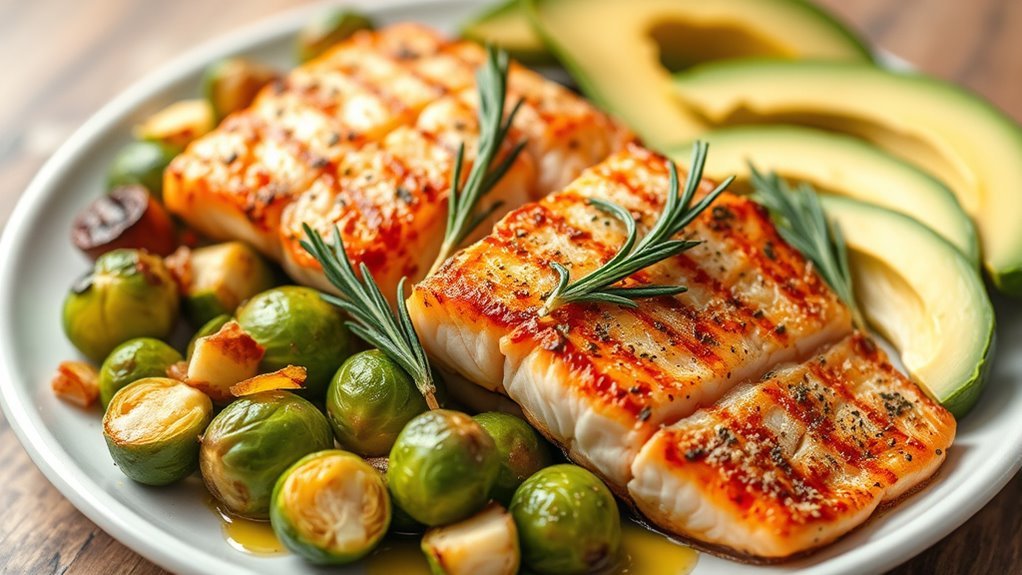

The keto diet is a high-fat, low-carbohydrate eating plan that alters your body into a metabolic state called ketosis. In ketosis, your body burns fat for fuel instead of glucose, which can lead to weight loss and improved mental clarity. You’ll consume healthy fats, quality protein, and low-carb vegetables while avoiding sugars, grains, and high-carb fruits. This approach may enhance energy levels and suppress appetite. To learn about how to successfully shift to keto, explore further insights.
Understanding Ketosis: The Science Behind the Keto Diet
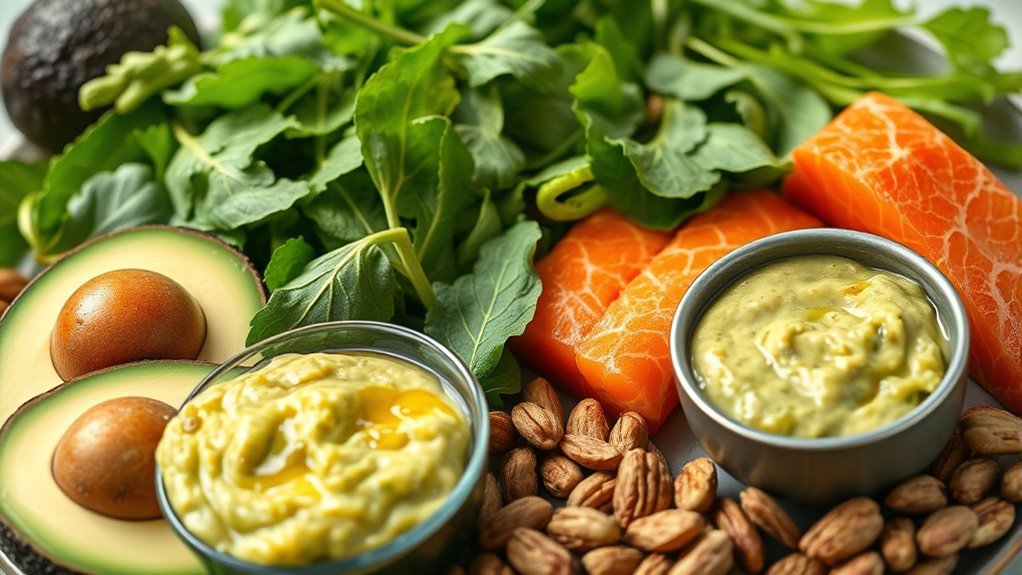
When you shift your diet to a ketogenic approach, your body undergoes a significant metabolic change known as ketosis. In this metabolic state, your body changes from using glucose as its primary energy source to burning fat for fuel. The ketosis process begins when carbohydrate intake is drastically reduced, leading your liver to convert fatty acids into ketones. These ketones serve as an alternative energy source, allowing you to maintain energy levels while potentially promoting fat loss. Additionally, the change can enhance mental clarity and focus as your brain adapts to using ketones. Understanding this metabolic change empowers you to make informed decisions about your diet, offering a sense of freedom in how you fuel your body for peak performance and well-being.
Foods to Include: Building Your Keto Plate
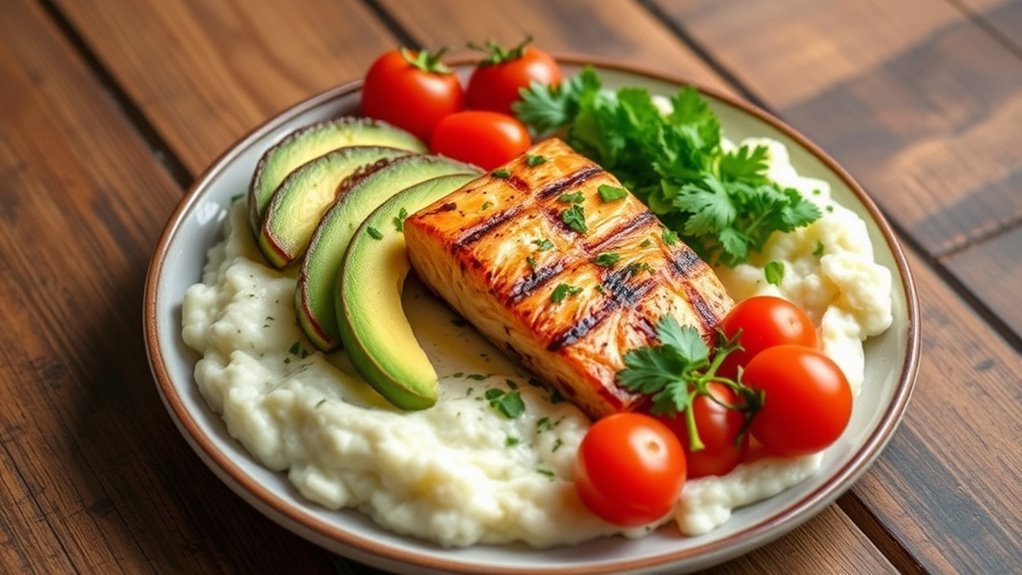
When building your keto plate, it’s crucial to choose foods that align with the diet’s low-carb principles. Incorporating low-carb vegetables, quality protein sources, and healthy fats can help you maintain ketosis while providing the nutrients your body needs. Understanding the right balance of these components will enhance your overall keto experience.
Low-Carb Vegetables Selection
While starting on a keto diet, selecting the right low-carb vegetables is essential for maintaining nutritional balance and staying within your carbohydrate limits. Focus on keto-friendly greens like spinach, kale, and arugula, which are not only low in carbs but also packed with vitamins and minerals. Other low-carb options include zucchini, bell peppers, and broccoli, all providing nutrient-dense choices that can enhance your meals. Experiment with different vegetable varieties to keep your plate vibrant and satisfying. Incorporating these veggies can help you meet your dietary goals while enjoying the flavors and textures they offer. Remember, the right selection supports your keto journey, ensuring you feel both energized and nourished.
Protein Sources to Include
Incorporating protein into your keto plate is just as important as selecting the right low-carb vegetables. You’ll want to include lean meats like chicken, turkey, and beef for high-quality protein. Seafood choices, such as salmon and shrimp, are also excellent due to their healthy fats. Don’t overlook dairy options like cheese and Greek yogurt, which provide both protein and calcium. Explore egg varieties, as they’re versatile and nutrient-dense. For plant proteins, consider tofu products and nut butters, offering a tasty alternative. If you’re looking for convenience, protein powders can easily supplement your intake. Balancing these protein sources will help you stay satisfied while adhering to your keto lifestyle. Enjoy the freedom to mix and match!
Healthy Fats Options
Including healthy fats in your keto diet is essential for achieving and maintaining ketosis, as they provide the energy your body needs while keeping carbohydrate intake low. You can incorporate a variety of healthy fats to build your keto plate. Avocado oil and olive oil are excellent for dressings and cooking, while coconut butter adds a rich flavor to snacks or desserts. Nut butters, like almond or macadamia, are great for quick energy boosts. Don’t forget cheese options for flavor and texture, and fatty fish—rich in omega-3s—for heart health. Grass-fed butter is another fantastic choice. Finally, explore a seeds selection, including chia and flaxseeds, to enhance your meals with fiber and healthy fats.
Foods to Avoid: What to Steer Clear Of

To successfully adhere to a keto diet, it’s crucial to understand which foods to avoid, as certain items can considerably hinder your progress. Steer clear of sugar substitutes that can spike insulin levels, processed snacks loaded with hidden carbs, and high carb fruits that derail ketosis. Grains alternatives like rice, pasta, and bread should be eliminated, along with starchy vegetables such as potatoes and corn. Sugary beverages, including soda and juice, are also detrimental, as they contribute to unwanted sugar intake. Finally, avoid unhealthy fats found in fast food, which can lead to inflammation and other health issues. By sidestepping these foods, you’ll have a better chance of achieving your keto goals and enjoying the freedom that comes with it.
Health Benefits: Why Consider the Keto Diet?
Considering the keto diet may offer you significant weight loss benefits and improved mental clarity. By shifting your body into a state of ketosis, you can enhance fat burning and potentially boost cognitive function. This approach not only helps with weight management but may also support your overall mental performance.
Weight Loss Benefits
While many diets promise quick results, the ketogenic diet stands out for its ability to promote significant weight loss through a unique metabolic process. By shifting your body into a state of ketosis, where it burns fat for fuel instead of carbohydrates, you may find it easier to shed pounds. This approach effectively challenges common keto myths, showing that a high-fat diet can actually lead to weight loss rather than weight gain. Additionally, the keto diet encourages the adoption of sustainable weight loss strategies, such as reduced hunger and cravings, which can help you stay on track. Ultimately, this diet offers a balanced method that empowers you to take control of your health and achieve your weight loss goals.
Improved Mental Clarity
As you embrace the ketogenic diet, you might notice a marked improvement in your mental clarity, thanks to the brain’s unique ability to utilize ketones—produced during ketosis—as a more efficient energy source than glucose. This shift not only fuels your brain but can also lead to significant cognitive enhancement. Many individuals report heightened mental focus, which can boost productivity and creativity in daily tasks. The reduction in blood sugar fluctuations often associated with a low-carb lifestyle helps maintain stable energy levels, allowing for sustained attention. Additionally, research suggests that ketones may have neuroprotective effects, promoting overall brain health. By adopting the keto diet, you’re not just improving your physical well-being; you’re also revealing your mind’s potential for sharper thinking and clarity.
Potential Challenges: Navigating the Keto Lifestyle
Steering through the keto lifestyle can present several challenges, especially as your body adapts to a low-carb, high-fat diet. Meal planning becomes essential as you navigate social situations where high-carb foods are prevalent. Cravings management is another hurdle; learning to balance your nutrient intake while satisfying your cravings is vital for long-term sustainability. Common pitfalls include neglecting meal prep, which can lead to impulsive eating choices. Dining out often requires creativity and vigilance to guarantee you stay within your macros. To successfully maintain a keto diet, it’s important to develop strategies that allow flexibility while prioritizing nutritional balance. Embracing these challenges can ultimately lead to a more liberated and empowered approach to your health.
Getting Started: Tips for a Successful Transition to Keto
Shifting to a keto diet can be a transformative experience, but it requires careful planning and preparation. Start by focusing on meal planning; map out your meals for the week to guarantee you’re hitting your macronutrient goals. This not only simplifies your choices but also helps you resist temptations. Next, tackle grocery shopping with a well-structured list. Stick to the perimeter of the store, where whole foods like meats, dairy, and low-carb vegetables are usually found. Don’t forget to read labels—hidden sugars can derail your progress. Finally, stay informed about the keto lifestyle’s nuances to make adjustments as needed. Embrace this journey with an open mind, and you’ll find the freedom to enjoy delicious, satisfying meals while achieving your health goals.
Frequently Asked Questions about the Keto Diet
What is the Keto Diet?
The Keto Diet, short for the ketogenic diet, is a high-fat, low-carbohydrate diet that aims to shift the body’s metabolism from burning carbohydrates for energy to burning fat. By significantly reducing carbohydrate intake and replacing it with fat, the diet induces a state called ketosis, where the body becomes highly efficient at burning fat for energy. This diet typically includes high-fat foods such as avocados, nuts, seeds, oils, and fatty fish, while minimizing foods high in carbohydrates like grains, sugars, and starchy vegetables.
What are the benefits of the Keto Diet?
The Keto Diet has been associated with several health benefits, including weight loss, improved blood sugar control, and enhanced mental focus. By promoting fat as the primary energy source, many people experience a decrease in hunger and cravings, making it easier to maintain a calorie deficit for weight loss. Additionally, ketosis can lead to improved insulin sensitivity, which is beneficial for those with type 2 diabetes. Some research also suggests potential therapeutic effects of the Keto Diet in neurological disorders, such as epilepsy and Alzheimer’s disease.
Are there any side effects of the Keto Diet?
While many people find success with the Keto Diet, it can also come with side effects, especially during the initial transition into ketosis, commonly referred to as the “keto flu.” Symptoms may include fatigue, headaches, dizziness, nausea, and irritability. These symptoms usually subside after a few days as the body adapts. Long-term adherence to the diet may lead to nutrient deficiencies if not properly managed, so it’s important to ensure a well-rounded intake of vitamins and minerals through food or supplements.
Can anyone follow the Keto Diet?
While many people can safely follow the Keto Diet, it may not be suitable for everyone. Individuals with certain health conditions, such as pancreatic disease, liver conditions, or disorders that affect fat metabolism, should consult a healthcare professional before starting the diet. Additionally, pregnant or breastfeeding women and those with a history of eating disorders should also seek medical advice to ensure the diet is appropriate for their individual health needs.
How do I start the Keto Diet?
To start the Keto Diet, begin by calculating your daily macronutrient needs, focusing on a high-fat intake (about 70-75% of your calories), moderate protein (20-25%), and very low carbohydrates (5-10%). Plan your meals around keto-friendly foods such as fatty cuts of meat, fish, eggs, dairy, non-starchy vegetables, and healthy fats. It’s also beneficial to gradually decrease carbohydrate intake instead of making abrupt changes. This helps ease your body into ketosis and minimizes the side effects commonly associated with the transition phase.
References
- https://en.wikipedia.org/wiki/Ketogenic_diet
- https://www.ncbi.nlm.nih.gov/pmc/articles/PMC7694459/
- https://www.health.harvard.edu/staying-healthy/the-ketogenic-diet
- https://www.cdc.gov/healthyweight/assessing/bmi/adult_bmi/english_bmi_calculator/interactive_bmi_calculator.html
- https://www.mayoclinic.org/healthy-lifestyle/nutrition-and-healthy-eating/expert-answers/keto-diet/faq-20461050
- https://www.nutrition.gov/topics/nutrition-101/health-and-nutrition-research/keto-diet
- https://www.ncbi.nlm.nih.gov/books/NBK499877/
- https://www.reuters.com/article/us-health-ketogenic-diet-idUSKCN1G20LQ
- https://www.bbc.com/news/health-51049718
- https://www.sciencedirect.com/science/article/pii/S0899900719301161