To do a keto diet, aim to shift your body into ketosis by drastically reducing carbohydrates and increasing healthy fats. Your macronutrient breakdown should be about 70-75% fat, 20-25% protein, and only 5-10% carbohydrates. Include keto-friendly foods like leafy greens, avocados, and fatty meats to stay satisfied. Planning meals and tracking your carb intake is essential. By avoiding common mistakes, you can make your keto journey easier and more enjoyable as you explore delicious recipe ideas.
Understanding the Keto Diet Basics
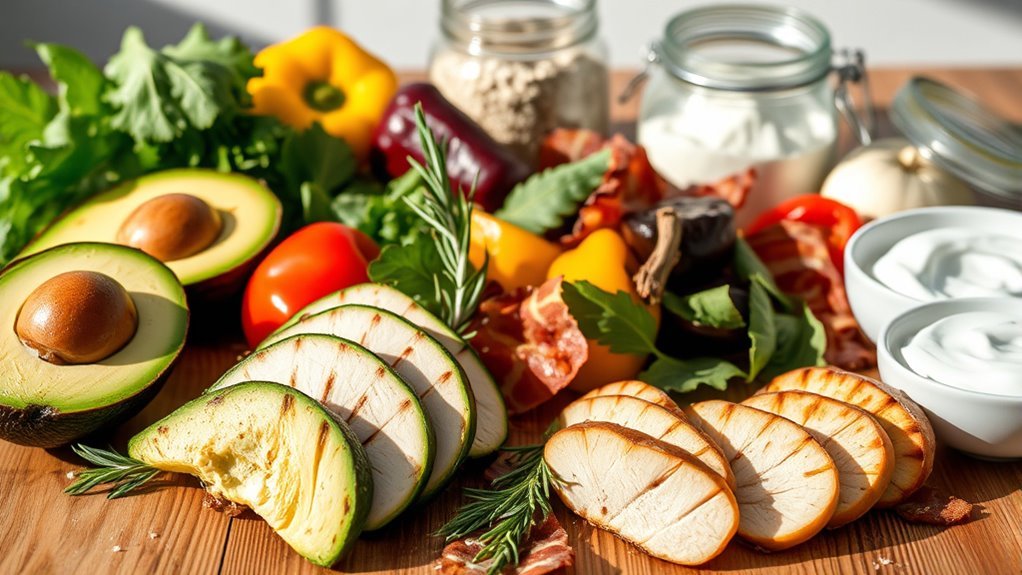
While you might have heard a lot about the keto diet, understanding its fundamentals is key to effectively adopting this low-carb, high-fat eating plan. The primary aim of the keto diet is to shift your body into a state of ketosis, where it burns fat for fuel instead of carbohydrates. To achieve this, you’ll need to focus on a specific macronutrient breakdown—typically around 70-75% fat, 20-25% protein, and only 5-10% carbohydrates. This drastic reduction in carbs helps your body adapt to using fat as its primary energy source. By comprehending these basics, you’ll have the freedom to tailor your meals and snacks, making informed choices that align with your health goals while enjoying the benefits of this popular diet.
Essential Foods to Include in Your Keto Meal Plan
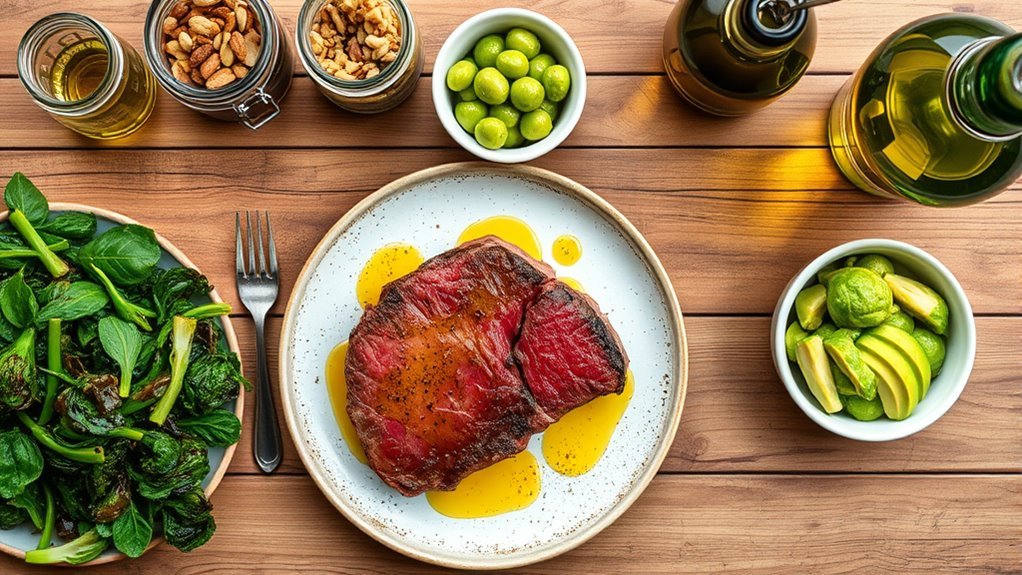
To successfully maintain a keto diet, it’s crucial to select the right foods that align with your macronutrient goals. Focus on incorporating keto friendly vegetables like spinach, kale, and zucchini, as they’re low in carbs and high in essential nutrients. Additionally, healthy fats are your friends; consider avocados, olive oil, and nuts as staples in your meals. For quick fuel, high fat snacks like cheese, beef jerky, and nut butter can satisfy cravings without derailing your plan. Don’t forget protein sources such as fatty fish and grass-fed meats, which can help you feel full longer. By choosing these foods, you’ll create a balanced meal plan that supports your keto lifestyle and gives you the freedom to enjoy your meals.
Tips for Staying on Track With Keto
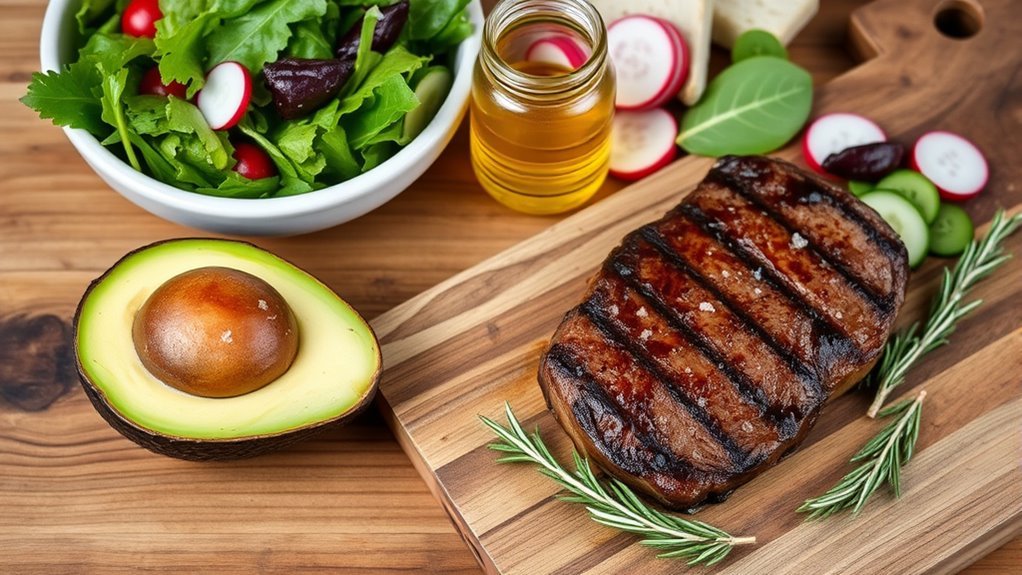
Sticking to a keto diet can be challenging, especially when faced with temptations and social situations. To stay on track, plan your meals in advance through effective meal prep. Preparing your meals for the week not only saves time but also guarantees you have keto-friendly options readily available. When grocery shopping, make a list focused on low-carb foods, and avoid aisles that tempt you with high-carb snacks. Surround yourself with supportive friends and family who understand your goals; it makes a difference. Finally, don’t be too hard on yourself; slip-ups happen. Acknowledge them, learn, and get back on track. Emphasizing preparation and support can empower you to maintain your keto lifestyle while enjoying the freedom it offers.
Delicious Keto Recipe Ideas
Exploring delicious keto recipe ideas can make your journey enjoyable and satisfying. Start with savory keto snacks like cheese crisps or avocado deviled eggs; they’re easy to prepare and packed with flavor. For meals, consider zucchini noodles tossed with pesto or a creamy cauliflower soup. Don’t forget about keto friendly desserts! You can whip up chocolate avocado mousse or almond flour brownies, which satisfy your sweet tooth without derailing your diet. Incorporating these recipes not only keeps your meals exciting but also guarantees you’re consuming healthy fats and low carbs. With a variety of options, you can enjoy the freedom to indulge while staying true to your keto goals. Embrace these ideas, and your keto journey will be both delicious and fulfilling!
Common Mistakes to Avoid on the Keto Diet
While starting on a keto diet can lead to impressive results, many people unknowingly make common mistakes that can hinder their progress. One major issue is falling for keto misconceptions, like believing all fats are good. Focus on healthy fats and avoid processed options. Another mistake is neglecting carb counting; even on keto, it’s essential to track your intake to stay within the recommended limits. Some may also underestimate the importance of electrolytes, leading to fatigue or headaches. Additionally, not adjusting portion sizes can stall weight loss. Finally, be wary of “keto-friendly” products that may still contain hidden carbs. By being mindful of these pitfalls, you can navigate your keto journey with greater success and freedom.
Frequently Asked Questions about the Keto Diet
What is a Keto Diet?
A Keto Diet, or ketogenic diet, is a low-carb, high-fat diet that aims to put your body into a metabolic state called ketosis. In this state, the body becomes highly efficient at burning fat for energy instead of carbohydrates. Typically, a keto diet consists of about 70-75% fat, 20-25% protein, and only 5-10% carbohydrates. This shift in macronutrient intake can lead to various health benefits, including weight loss, improved mental clarity, and enhanced energy levels.
What foods can I eat on a Keto Diet?
On a Keto Diet, you can enjoy a variety of foods, including meats (beef, chicken, pork), fatty fish (salmon, mackerel), eggs, high-fat dairy (cheese, butter, cream), nuts and seeds, low-carb vegetables (leafy greens, broccoli, cauliflower), and healthy fats (olive oil, coconut oil, avocado). It’s important to avoid high-carb foods such as grains, sugars, fruits (except berries in moderation), and starchy vegetables (potatoes, corn). Reading labels and tracking your macros can help you stay within your carb limit.
How do I transition to a Keto Diet?
Transitioning to a Keto Diet can be done gradually or abruptly. A gradual approach might involve slowly reducing carbohydrate intake over a week while increasing fat intake. This can help minimize symptoms of the “keto flu,” which some people experience when starting. Alternatively, you can jump straight into the diet by significantly cutting carbs and increasing fats while ensuring you stay hydrated and maintain electrolyte balance. It’s advisable to plan meals ahead and prepare snacks that are keto-friendly to ease the transition.
What are the potential side effects of a Keto Diet?
While many people find success on the Keto Diet, there can be side effects, particularly during the initial transition phase. Commonly referred to as the “keto flu,” symptoms may include headaches, fatigue, dizziness, irritability, and digestive issues. These symptoms typically subside within a week as the body adjusts to burning fat for fuel. It’s important to stay hydrated, consume enough electrolytes, and ensure you’re eating a well-rounded keto-friendly diet to mitigate these effects. If symptoms persist, consulting a healthcare professional is recommended.
Can I exercise on a Keto Diet?
Yes, you can exercise on a Keto Diet, and many people find that they can maintain or even improve their exercise performance once fully adapted to ketosis. Initially, you might experience a decrease in energy levels during workouts as your body transitions to using fat for fuel. However, after adaptation, many individuals report increased endurance and improved recovery times. It’s essential to listen to your body, ensure you’re consuming enough calories, and consider adjusting your nutrient intake or workout intensity based on how you feel.
References
- https://www.wikiwand.com/en/Ketogenic_diet
- https://www.ncbi.nlm.nih.gov/pmc/articles/PMC6837536/
- https://www.healthline.com/nutrition/what-is-a-keto-diet
- https://www.cdc.gov/healthyweight/healthy_eating/dietary_guidelines.html
- https://www.nhlbi.nih.gov/health-topics/healthy-eating
- https://www.mayoclinic.org/healthy-lifestyle/nutrition-and-healthy-eating/expert-answers/keto-diet/faq-20454748
- https://www.hsph.harvard.edu/nutritionsource/keto-diet/
- https://www.heart.org/en/healthy-living/healthy-eating/eat-smart/nutrition-basics/the-ketogenic-diet
- https://www.webmd.com/diet/what-is-the-keto-diet