

On the ketogenic diet, you can expect to lose about 1 to 2 pounds per week, especially in the beginning when your body enters ketosis and starts burning fat for fuel. Initially, much of the weight loss may come from water weight as your body adjusts. It’s important to stay consistent with your macronutrient ratios and make healthy food choices to support your goals. If you stick with it, you’ll discover more strategies for maximizing your results.
Understanding the Ketogenic Diet

When you explore the ketogenic diet, you’ll find it’s not just a trend but a scientifically-backed approach to weight loss. The ketogenic principles focus on drastically reducing carbohydrates and increasing healthy fats, which shifts your body into a metabolic state called ketosis. In ketosis, your body becomes more efficient at burning fat for energy instead of relying on carbs. This shift can lead to significant weight loss and improved energy levels. By prioritizing healthy fats, like avocados, nuts, and olive oil, you not only enhance satiety but also support overall health. This diet encourages you to break free from conventional eating patterns and embrace a lifestyle that promotes both freedom and well-being. Understanding these fundamentals can empower your weight loss journey.
Factors Influencing Weight Loss on Keto

Successfully maneuvering the ketogenic diet involves understanding several key factors that can influence your weight loss journey. Your macronutrient ratios play an essential role; balanced fats, proteins, and carbs can enhance fat-burning. Individual metabolism varies, affecting how efficiently you lose weight. Staying mindful of hydration levels is important, as dehydration can hinder progress. Meal timing can also impact your body’s ability to use energy effectively. Prioritizing food quality guarantees you’re fueling your body with nutrients that support weight loss. Additionally, exercise frequency boosts your metabolism, while stress management and sleep quality are critical for hormonal balance and recovery. By considering these factors, you can tailor your approach to the keto diet, ultimately allowing for a more successful weight loss experience.
Average Weight Loss Expectations
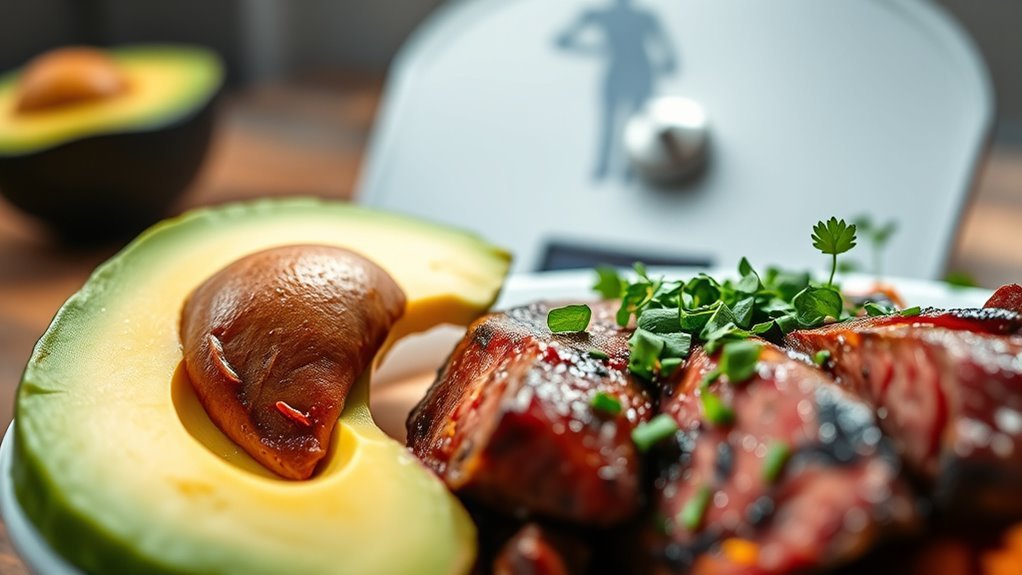
On average, individuals following a ketogenic diet can expect to lose about 1 to 2 pounds per week, especially during the initial phases. However, your keto results may vary based on several factors. Here are some common expectations:
- Initial Water Weight: Most of your early weight loss may be water.
- Fat Loss: As you enter ketosis, fat burning becomes more efficient.
- Consistency: Sticking to your macros is vital for sustained weight loss.
- Individual Factors: Age, gender, and metabolism can all influence your average weight loss.
The First Few Weeks on Keto
The initial weeks of a ketogenic diet can be both exciting and challenging as your body adjusts to a new way of fueling itself. During this period, you may experience keto adaptation, where your body shifts from burning glucose to utilizing fats for energy. This shift can lead to initial cravings for carbohydrates, which might tempt you to revert to old eating habits. It’s essential to stay focused on your goals and remind yourself of the benefits of this lifestyle change. Hydration and electrolyte balance play an important role in easing these cravings. By staying committed and allowing your body time to adapt, you’ll likely find that your cravings diminish, paving the way for improved energy levels and overall well-being.
Long-Term Weight Loss on Keto
While many people see initial weight loss on the ketogenic diet, sustaining that progress over the long term requires a thoughtful approach to eating habits and lifestyle choices. To maintain sustained ketosis and combat metabolic adaptation, consider these strategies:
Sustaining long-term weight loss on the ketogenic diet demands mindful eating and strategic lifestyle choices.
- Monitor your macronutrients: Regularly adjust your fat, protein, and carb intake to stay in ketosis.
- Incorporate variety: Rotate foods to avoid nutrient deficiencies and keep your meals interesting.
- Stay active: Regular physical activity can enhance fat burning and support weight maintenance.
- Practice mindful eating: Pay attention to hunger cues and avoid emotional eating to foster a healthier relationship with food.
Common Challenges and How to Overcome Them
What common challenges might you face on the keto diet, and how can you effectively tackle them? Keto cravings and maneuvering social situations can be tough. Here’s how to handle them:
| Challenge | Solution | Tips |
|---|---|---|
| Keto Cravings | Stay hydrated and snack smart | Keep keto-friendly snacks handy |
| Social Situations | Communicate your diet goals | Suggest keto-friendly venues |
| Meal Prep | Plan your meals weekly | Batch-cook and freeze meals |
Tips for Maximizing Your Weight Loss Results
Maneuvering challenges on the keto diet is just the beginning; to truly optimize your weight loss results, it’s important to implement effective strategies. Here are four tips to enhance your journey:
- Meal Timing: Experiment with intermittent fasting to help regulate insulin levels and promote fat burning.
- Exercise Routines: Incorporate both strength training and cardiovascular exercises to maximize calorie burn and maintain muscle mass.
- Stay Hydrated: Drink plenty of water to support metabolism and curb hunger.
- Monitor Macronutrients: Keep track of your fat, protein, and carb intake to guarantee you stay within your keto limits.
Frequently Asked Questions about Weight Loss on the Keto Diet
1. How much weight can I realistically lose on the keto diet?
The amount of weight you can lose on the keto diet varies significantly from person to person. On average, individuals may lose anywhere from 1 to 2 pounds per week during the initial phase, with many experiencing a rapid loss of water weight in the first week. Over the longer term, sustainable weight loss of 1 pound per week is a healthy and achievable goal for most people. Factors such as starting weight, adherence to the diet, and level of physical activity all play a crucial role in weight loss success.
2. Why do people lose weight quickly on the keto diet?
People often lose weight quickly on the keto diet due to a combination of factors. Initially, the body enters a state of ketosis, where it burns fat for fuel instead of carbohydrates. This process leads to a significant reduction in water weight, which can result in rapid initial weight loss. Additionally, the ketogenic diet often suppresses appetite and reduces cravings, making it easier for individuals to consume fewer calories overall. However, it’s important to note that as the body adjusts to the diet, weight loss may slow down.
3. Is weight loss on the keto diet sustainable long-term?
While many people experience significant weight loss on the keto diet initially, maintaining that weight loss can be challenging. Sustainability often depends on individual lifestyle choices, dietary preferences, and the ability to stick to a low-carb regimen. Some may find it difficult to adhere to the strict guidelines of the keto diet over time. For long-term success, it may be beneficial to adopt a more balanced approach to nutrition that includes a variety of food groups while still incorporating low-carb principles.
4. What factors influence weight loss on the keto diet?
Several factors influence weight loss on the keto diet, including:
- Caloric intake: Consuming fewer calories than you burn is essential for weight loss.
- Exercise: Regular physical activity can enhance weight loss results and improve overall health.
- Starting weight: Individuals with a higher starting weight may experience faster initial weight loss.
- Metabolism: Individual metabolic rates vary, affecting how quickly one loses weight.
- Adherence: Following the diet strictly will yield better results than inconsistent adherence.
5. Are there any risks associated with losing weight on the keto diet?
While many individuals can successfully lose weight on the keto diet, there are potential risks to consider. Rapid weight loss can lead to nutrient deficiencies, as certain food groups are restricted. Additionally, some people may experience side effects known as the “keto flu,” which includes symptoms like fatigue, headaches, and irritability during the initial adjustment phase. It’s important to consult with a healthcare provider before starting any new diet, especially one as restrictive as keto, to ensure it aligns with your health needs and goals.
References
- https://www.ncbi.nlm.nih.gov/pmc/articles/PMC8028710/
- https://www.healthline.com/nutrition/keto-diet-weight-loss
- https://www.webmd.com/diet/obesity/ss/slideshow-keto-diet
- https://www.cdc.gov/healthyweight/losing_weight/index.html
- https://www.mayoclinic.org/healthy-lifestyle/nutrition-and-healthy-eating/expert-answers/keto-diet/faq-20454533
- https://www.nutrition.gov/topics/nutrition-101/dietary-guidelines/low-carb-diets
- https://www.who.int/news-room/fact-sheets/detail/obesity-and-overweight
- https://www.jamanetwork.com/journals/jama/fullarticle/2770287