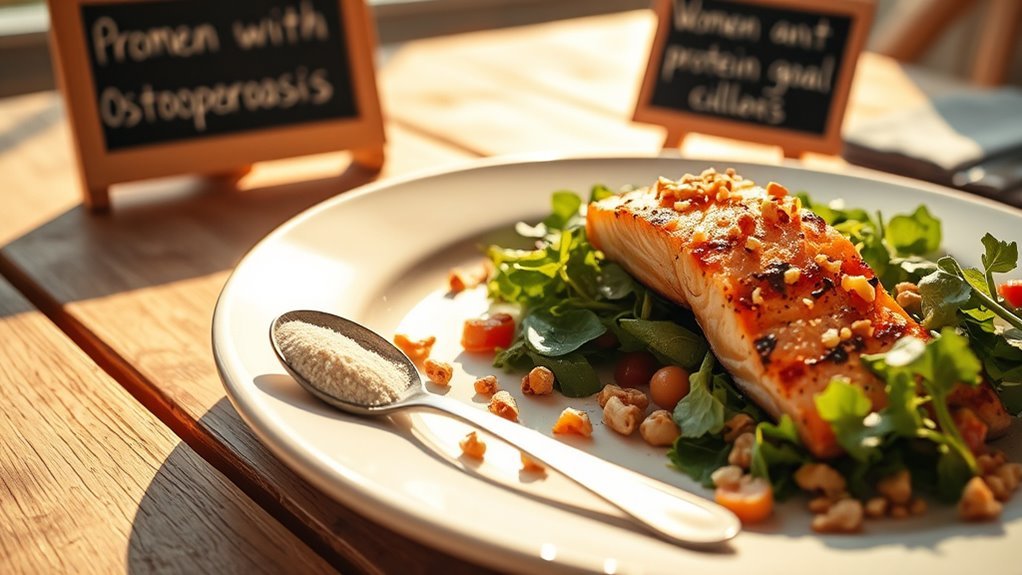

If you’re a woman with osteoporosis on a ketogenic diet, aim for 1.0 to 1.2 grams of protein per kilogram of body weight to maintain bone health and muscle mass. For instance, if you weigh 60 kg, that translates to about 60-72 grams of protein daily. Prioritizing high-quality protein sources is essential for strengthening bones and supporting overall health. There’s much more to explore about balancing your diet effectively for ideal results.
Understanding Osteoporosis and Its Impact on Women

Understanding osteoporosis is essential, especially since it disproportionately affects women, particularly after menopause. This condition weakens bones, making them more susceptible to fractures. Key osteoporosis causes include hormonal changes, particularly a decline in estrogen, along with factors like age, genetics, and lifestyle choices. You may notice osteoporosis symptoms such as back pain, a stooped posture, or unexpected fractures. Recognizing these signs early can empower you to make informed decisions about your health. Maintaining a balanced diet, engaging in regular exercise, and discussing your risk factors with healthcare providers can help mitigate the impact of osteoporosis. By understanding the causes and symptoms, you can take proactive steps toward preserving your bone health and enjoying a more liberated, active lifestyle.
The Role of Protein in Bone Health
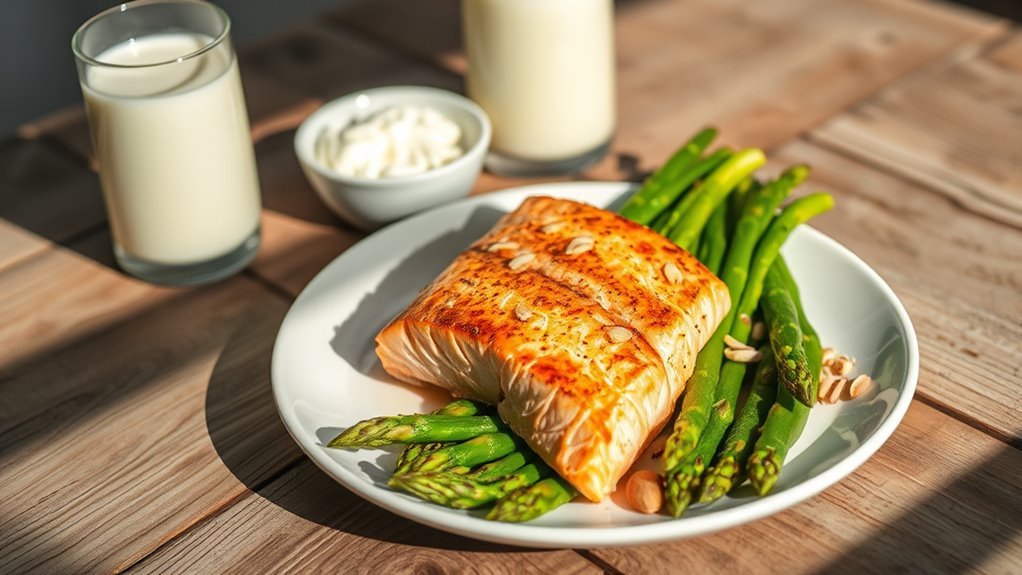
Protein plays an essential role in maintaining bone density, which is especially important for women with osteoporosis. Essential amino acids from quality protein sources are critical for bone health and can greatly impact your overall well-being. By focusing on incorporating the right types of protein into your diet, you can support your bones and enhance your health on a keto lifestyle.
Protein Supports Bone Density
Adequate protein intake is essential for maintaining bone density, especially for women with osteoporosis. Protein plays an important role in bone health by supporting the structure and function of bones. When you guarantee a dietary balance that includes sufficient protein, you enhance protein absorption, which is critical for bone repair and strength. Here are some benefits of protein for bone density:
- Reduces bone resorption
- Supports collagen synthesis
- Enhances calcium absorption
- Promotes muscle strength, aiding bone support
- Helps maintain a healthy weight, reducing fracture risk
Essential Amino Acids Role
While many factors contribute to bone health, the role of essential amino acids in supporting bone density can’t be overlooked. These amino acids are vital for protein synthesis, which helps maintain and repair bone tissue. When you consume adequate amounts of essential amino acids, you’re promoting a stronger skeletal structure, which is especially important for women with osteoporosis.
Here’s a quick overview:
| Essential Amino Acids | Role in Bone Health | Sources |
|---|---|---|
| Leucine | Stimulates muscle growth | Meat, dairy |
| Lysine | Supports collagen formation | Eggs, legumes |
| Methionine | Aids in protein metabolism | Fish, nuts |
Incorporating these amino acids into your diet can empower your journey toward better bone health.
Sources of Quality Protein
When it comes to maintaining strong bones, incorporating quality protein sources into your diet is essential. A balanced intake of protein can support bone health, especially for women with osteoporosis. Here are some excellent sources to take into account:
- Plant-based proteins: Lentils, chickpeas, and quinoa are packed with nutrients.
- Dairy alternatives: Almond milk and soy yogurt provide calcium and protein without dairy.
- Seafood options: Fatty fish like salmon and sardines are rich in omega-3s and protein.
- Nut varieties: Almonds, walnuts, and pistachios offer healthy fats along with protein.
- Eggs: A versatile option, eggs are rich in essential amino acids.
Recommended Protein Intake for Women With Osteoporosis
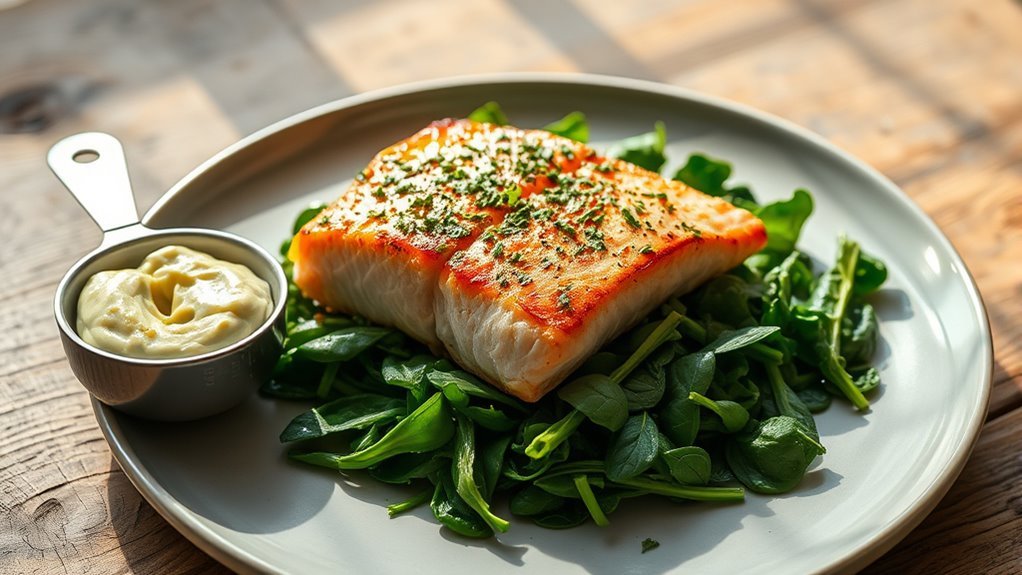
For women with osteoporosis, aiming for a protein intake of 1.0 to 1.2 grams per kilogram of body weight daily can be essential for maintaining bone health and muscle mass. Meeting these protein requirements is a vital element of osteoporosis management, helping to strengthen bones and support overall well-being.
Here’s a quick reference table to guide your protein intake based on body weight:
| Body Weight (kg) | Daily Protein Intake (grams) |
|---|---|
| 50 | 50 – 60 |
| 60 | 60 – 72 |
| 70 | 70 – 84 |
| 80 | 80 – 96 |
| 90 | 90 – 108 |
The Ketogenic Diet Explained
Understanding the ketogenic diet is important for anyone considering dietary changes, especially women with osteoporosis. This diet focuses on low carbohydrate intake, which shifts your body into ketosis, a state where fat becomes your primary energy source. Here are some key ketogenic principles to keep in mind:
- Emphasis on healthy fats
- Moderate protein consumption
- Minimal carbohydrate intake
- Inclusion of non-starchy vegetables
- Awareness of dietary restrictions
For those with osteoporosis, it’s crucial to balance these principles with adequate nutrient intake, particularly calcium and vitamin D. By understanding the ketogenic diet, you can make informed choices that support your health and well-being while enjoying the freedom that comes with a tailored eating plan.
Protein Sources Suitable for a Keto Diet
While managing a ketogenic diet, selecting the right protein sources is essential, especially for women with osteoporosis. You can include high-quality meat sources like grass-fed beef, chicken, and fatty fish, which provide both protein and healthy fats. If you prefer vegan protein, consider options like tempeh, tofu, and seitan, which serve as excellent meat substitutes. Dairy alternatives, such as almond or coconut yogurt, can also boost your protein intake while keeping carbs low. Additionally, don’t overlook protein powders—look for low-carb options like whey or plant-based blends that fit into your keto lifestyle. Choosing a variety of these protein sources will help you maintain a balanced diet and support your bone health effectively.
Balancing Macronutrients: Protein, Fats, and Carbs
Balancing macronutrients is essential for optimizing your health on a ketogenic diet, especially if you’re managing osteoporosis. Achieving the right macronutrient ratios through dietary adjustments can help you maintain energy levels while supporting bone health.
- Aim for moderate protein intake to preserve muscle mass.
- Prioritize healthy fats for energy and nutrient absorption.
- Minimize carbohydrate intake to stay in ketosis.
- Consider calcium and vitamin D sources to support bone density.
- Monitor your overall caloric intake to avoid weight fluctuations.
Meal Planning Tips for Protein-Rich Keto Meals
When planning protein-rich keto meals, it’s essential to focus on high-quality protein sources like lean meats, eggs, and low-carb dairy. Incorporating meal prep strategies can help you streamline your cooking process and guarantee you always have nutritious options on hand. By organizing your meals around these protein sources, you can support your bone health while staying within your keto guidelines.
Protein Sources for Keto
Incorporating a variety of protein sources is essential for crafting protein-rich meals on a keto diet, especially for women managing osteoporosis. A diverse range of options can help you maintain nutritional balance while enjoying the freedom of choice. Here are some protein sources to evaluate:
- Plant-based proteins like lentils and quinoa
- Dairy alternatives such as almond or coconut yogurt
- Nut sources including almonds, walnuts, and chia seeds
- Seafood options like salmon, shrimp, and sardines
- Protein powders, such as whey or pea protein, for easy supplementation
Meal Prep Strategies
Meal prep can be a game-changer for women on a keto diet, especially those managing osteoporosis. By planning your meals ahead, you can guarantee you’re hitting your protein portions while staying within keto guidelines. Start by selecting high-quality protein sources, like lean meats, fish, and plant-based options, and batch-cook them for the week. Incorporate a variety of low-carb vegetables to enhance nutrition. Use clear containers to portion out meals, making it easy to grab and go. Don’t forget to include healthy fats, like avocado or olive oil, to complete your dishes. Meal prepping not only saves time but also empowers you to maintain your dietary goals without feeling restricted. With the right strategies, you can thrive on your keto journey.
Monitoring Your Progress and Adjusting Protein Intake
As you commence on your journey with a keto diet for managing osteoporosis, it is vital to regularly monitor your progress and adjust your protein intake accordingly. Progress tracking is essential to guarantee you’re meeting your nutritional goals and supporting bone health. Here are some strategies to take into account:
Regularly tracking your progress is key to optimizing protein intake and enhancing bone health on your keto journey.
- Keep a food diary to record protein intake
- Use apps to track your macros effectively
- Monitor bone density through regular check-ups
- Assess energy levels and muscle strength
- Adjust protein intake based on your activity levels and feedback
Frequently Asked Questions
1. How much protein should a woman with osteoporosis consume on a keto diet?
Women with osteoporosis typically require about 1.0 to 1.2 grams of protein per kilogram of body weight per day. For those following a ketogenic diet, it’s essential to balance protein intake with fat intake to maintain ketosis while also supporting bone health. Consulting with a healthcare provider or a registered dietitian is recommended to tailor protein needs based on individual health conditions and dietary goals.
2. Can a keto diet help improve bone health in women with osteoporosis?
A ketogenic diet can aid in weight management and may reduce inflammation, which is beneficial for bone health. However, the diet must be well-planned to ensure adequate intake of calcium and vitamin D, both crucial for bone density. It’s vital to include keto-friendly foods rich in these nutrients and to monitor overall health closely, preferably under medical supervision.
3. What types of protein sources are best for women with osteoporosis on a keto diet?
Women with osteoporosis on a keto diet should focus on high-quality protein sources that are low in carbohydrates. Excellent options include fatty fish (like salmon and mackerel), eggs, poultry, and grass-fed meats. Additionally, dairy products such as cheese and Greek yogurt can provide both protein and calcium. Plant-based options like tofu and tempeh can also be included, but they should be balanced with other nutrient-dense foods.
4. Are there any risks associated with high protein intake for women with osteoporosis?
High protein intake can sometimes lead to increased calcium excretion, which may affect bone health negatively. To mitigate this risk, it’s crucial to ensure adequate calcium intake through food or supplements. Maintaining a balanced diet that includes both protein and other essential nutrients is key. Regular check-ups with a healthcare provider can help monitor bone health and adjust dietary needs accordingly.
5. How can a woman with osteoporosis stay in ketosis while getting enough protein?
To stay in ketosis while consuming enough protein, women should focus on moderate protein intake, around 20-25% of total daily calories. This can be achieved by including high-fat, low-carb protein sources and ensuring that the majority of calories come from healthy fats. Incorporating avocados, olive oil, nuts, and seeds can help balance the macronutrient ratio while supporting overall health. Tracking macronutrients using apps can also help maintain proper ratios.
References
- https://www.ncbi.nlm.nih.gov/pmc/articles/PMC6518718/
- https://www.ncbi.nlm.nih.gov/pmc/articles/PMC6823979/
- https://ods.od.nih.gov/factsheets/Protein-HealthProfessional/
- https://www.bones.nih.gov/health-info/bone/bone-health/osteoporosis
- https://www.osteoporosis.foundation/osteoporosis-and-nutrition
- https://www.health.harvard.edu/staying-healthy/the-importance-of-protein
- https://www.nhlbi.nih.gov/health-topics/osteoporosis
- https://www.mayoclinic.org/diseases-conditions/osteoporosis/symptoms-causes/syc-20348590