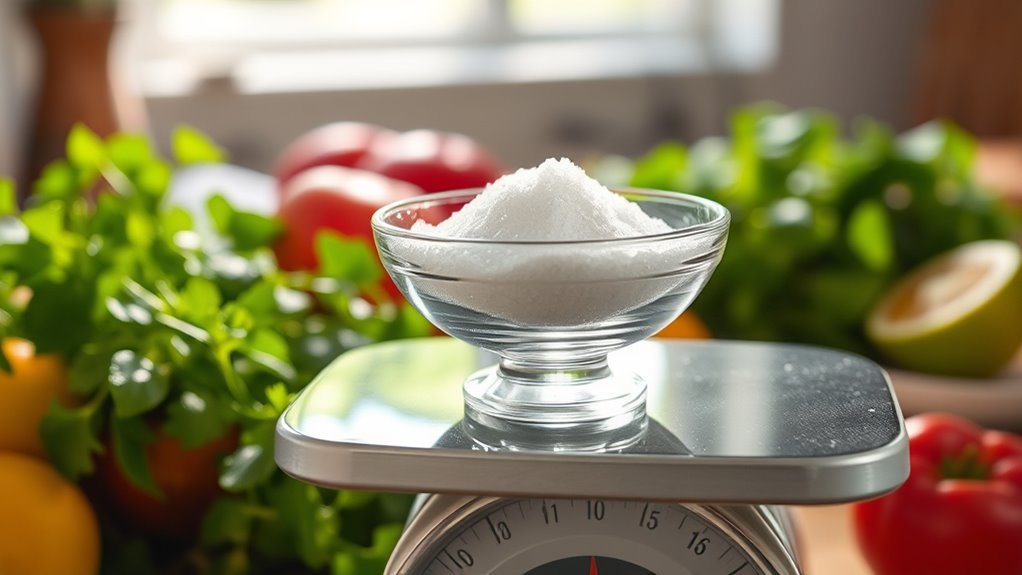

On a keto diet, you should limit your daily sugar intake to about 20-30 grams to maintain ketosis. Keeping your sugar levels low helps shift your body into fat-burning mode and supports your health goals, like weight loss and increased energy. It’s important to watch out for hidden sugars in processed foods, which can quickly add up. If you’re curious about how to manage sugar consumption and explore suitable alternatives, there’s more to discover.
Understanding Ketosis and Sugar

When you’re exploring a ketogenic diet, it’s crucial to understand the relationship between ketosis and sugar. Ketosis is a metabolic state where your body burns fat for fuel instead of carbohydrates. By drastically reducing sugar intake, you can enhance your sugar metabolism, leading to ketosis benefits such as improved energy levels and mental clarity. When your body shifts away from glucose, it becomes more efficient at utilizing fat stores, which can aid in weight loss. However, it’s important to monitor your carb intake to maintain this state. Striking a balance allows you the freedom to enjoy your food while reaping the numerous advantages of ketosis, ultimately supporting your health and wellness goals.
Types of Sugar: Natural vs. Added

While you might be tempted to think all sugars are created equal, understanding the difference between natural and added sugars is essential, especially on a ketogenic diet. Natural sweeteners, like those found in fruits and some dairy products, come with vitamins and minerals that can benefit your health. On the other hand, added sugars, often found in processed foods, contribute empty calories with little nutritional value. These added sugars can spike blood sugar levels, making them less compatible with your keto goals. By focusing on natural sweeteners and minimizing added sugars, you can maintain better control over your carbohydrate intake and support your overall health. This distinction empowers you to make informed choices while enjoying a low-carb lifestyle.
The Role of Sugar in a Keto Diet
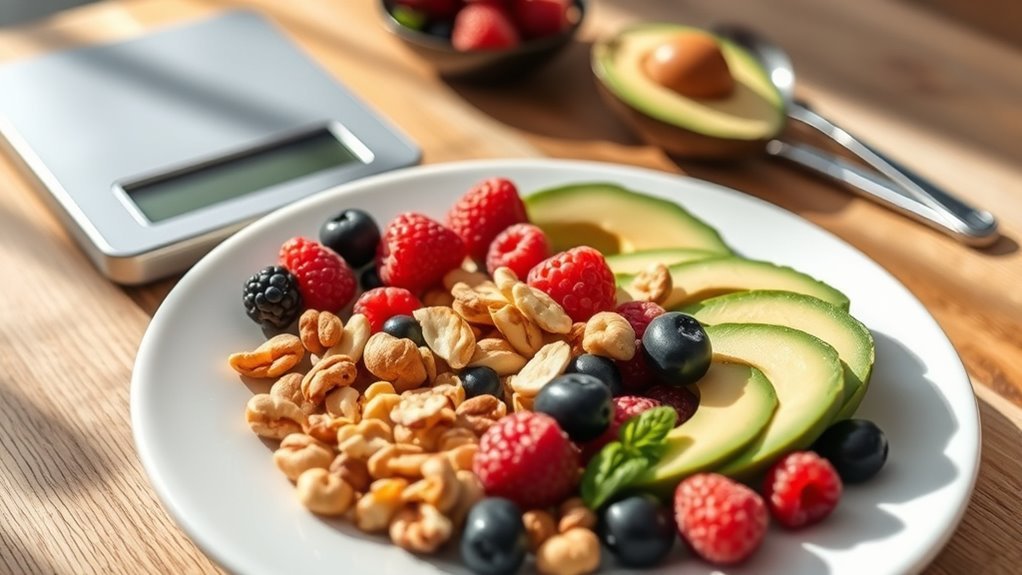
Understanding the role of sugar in a keto diet is essential for achieving your dietary goals, as it directly impacts your body’s ability to enter and maintain ketosis. When you consume sugars, your body engages in sugar metabolism, leading to an insulin response that can hinder ketosis.
Consider these key points:
- High sugar intake spikes insulin levels, promoting fat storage.
- Lowering sugar helps shift your body into fat-burning mode.
- Monitoring sugar can enhance energy levels throughout the day.
- Understanding individual tolerance to sugar is vital for success.
Recommended Sugar Intake on Keto
When you’re on a keto diet, it’s vital to be mindful of your daily sugar intake, typically recommended to be around 20-50 grams of net carbs. However, hidden sugar sources in processed foods can easily push you over that limit, making it essential to read labels carefully. Understanding where sugar can sneak into your meals will help you maintain your keto goals effectively.
Daily Sugar Limit
On a ketogenic diet, limiting sugar intake is essential for maintaining ketosis, the metabolic state where your body burns fat for fuel instead of carbohydrates. While individual tolerance can vary, most experts recommend keeping your daily sugar limit to around 20-30 grams. This helps reduce sugar cravings and supports your goals.
Consider these tips for managing your sugar intake:
- Opt for sugar alternatives like stevia or erythritol.
- Incorporate low-carb fruits, such as berries, in moderation.
- Stay hydrated to help curb cravings.
- Track your intake to stay within your limit.
Hidden Sugar Sources
While you might think you’re avoiding sugar on a ketogenic diet, hidden sources can easily sneak into your meals and snacks. Processed foods often contain sneaky ingredients like syrups, starches, and flavor enhancers that can spike your sugar intake without you realizing it. It’s essential to read ingredient lists and nutritional labels carefully, as many items marketed as “sugar-free” still have hidden sugar. Common culprits include sauces, dressings, and even some dairy products. By enhancing your food awareness, you can better navigate sugar labels and choose options that align with your keto goals. Staying informed about hidden sugar sources empowers you to maintain your freedom on this diet while enjoying a satisfying, low-carb lifestyle.
Hidden Sugars in Common Foods
Many people are surprised to learn just how prevalent hidden sugars are in everyday foods, even those that seem healthy. It’s essential to check common food labels for sugar content, as many products contain added sugars that can sabotage your keto goals. Here are some surprising sources of hidden sugars:
- Sauces and dressings: Many contain high-fructose corn syrup or other sweeteners.
- Granola bars: Often marketed as healthy, but can be loaded with sugar.
- Canned vegetables: Some have added sugars for flavor.
- Flavored yogurt: Even “light” versions can have more sugar than you’d expect.
Being aware of these hidden sugars helps you make informed choices and maintain your freedom on a keto lifestyle.
Sugar Substitutes for a Keto Lifestyle
If you’re maneuvering a keto lifestyle, finding suitable sugar substitutes can make a significant difference in satisfying your sweet tooth without derailing your carb count. Embracing sugar alternatives like stevia, erythritol, and monk fruit can help you enjoy treats without the sugar spike. These keto-friendly sweeteners are low in carbs and provide a satisfying sweetness that won’t kick you out of ketosis. Stevia’s natural origins appeal to many, while erythritol offers a sugar-like texture. Monk fruit, with its unique taste, is another excellent option. Each sweetener has its pros and cons, so it’s worth experimenting to find what works best for you. By choosing the right sugar substitutes, you can maintain your keto goals and enjoy a variety of flavors.
Tips for Managing Sugar Consumption on Keto
Managing sugar consumption on a keto diet is essential for maintaining your goals. You should track your carb intake to guarantee you’re staying within your limits, and opting for natural sweeteners can help satisfy your cravings without derailing your progress. By being mindful of these strategies, you’ll find it easier to enjoy your favorite flavors while adhering to your keto lifestyle.
Track Your Carb Intake
While adhering to a ketogenic diet, tracking your carb intake is essential for maintaining ketosis and managing sugar consumption. Carb counting helps you stay within your limits and avoid unwanted sugar spikes. Using tracking apps can simplify this process, allowing you to monitor your daily intake effectively. Here are some tips to make tracking easier:
- Choose a reliable tracking app that suits your needs.
- Log everything you eat, including hidden sugars in sauces or snacks.
- Set daily carb limits based on your personal goals.
- Review your progress regularly to adjust as needed.
Choose Natural Sweeteners
Tracking your carb intake is just the first step in successfully managing a ketogenic diet; choosing the right sweeteners can also greatly impact your sugar consumption. Natural sweetener options, like stevia, erythritol, and monk fruit, are fantastic alternatives that won’t spike your blood sugar levels. These sweeteners provide the sweetness you crave while keeping your carb count low, allowing you to enjoy your favorite treats guilt-free. Plus, many of them offer health benefits, such as antioxidant properties. Remember, moderation is key; even natural sweeteners can affect some individuals differently. By opting for these healthier choices, you can maintain your freedom in enjoying flavors without compromising your keto goals or overall well-being.
Frequently Asked Questions
1. How many grams of sugar can I consume on a keto diet?
On a standard ketogenic diet, it is generally recommended to limit your total carbohydrate intake to about 20 to 50 grams per day. This includes sugars and other carbohydrates. Ideally, your sugar intake should be as low as possible, typically around 5% or less of your total daily calories, which translates to approximately 25 grams of sugar or less per day. However, individual tolerance can vary, so it’s important to monitor how your body responds.
2. What types of sugars should I avoid on keto?
On a keto diet, it’s best to avoid sugars that can spike your blood glucose levels. This includes table sugar (sucrose), honey, maple syrup, and high-fructose corn syrup. Additionally, be cautious with foods that contain added sugars, including many processed foods and beverages. Instead, you can use sugar substitutes like stevia or erythritol, which have minimal impact on blood sugar levels.
3. Can I eat fruits on a keto diet?
Yes, you can eat certain fruits on a keto diet, but you need to choose wisely. Berries such as strawberries, raspberries, and blackberries are lower in sugar and can be consumed in moderation. However, fruits like bananas, grapes, and apples tend to be high in sugar and should be avoided or limited. Always check the carbohydrate content of fruits and account for them within your daily carb limit.
4. How can I satisfy my sweet cravings on a keto diet?
To satisfy sweet cravings on a keto diet, you can use low-carb sweeteners such as stevia, monk fruit, or erythritol. These alternatives provide sweetness without the sugar and have little to no impact on blood sugar levels. Additionally, you can indulge in keto-friendly desserts made with almond flour, coconut flour, and sugar-free chocolate to satisfy your sweet tooth while staying within your carb limits.
5. How can I track my sugar intake on a keto diet?
To effectively track your sugar intake on a keto diet, you can use various mobile apps like MyFitnessPal or Cronometer that allow you to log your food and monitor macronutrient intake, including sugars. Additionally, reading nutrition labels and understanding the carbohydrate content of foods is crucial. Keeping a food diary can also help you stay accountable and ensure you remain within your desired sugar limits.
References
- https://www.ncbi.nlm.nih.gov/pmc/articles/PMC6479954/
- https://www.health.harvard.edu/staying-healthy/the-truth-about-sugar
- https://www.cdc.gov/nutrition/data-statistics/know-your-limit-for-added-sugars.html
- https://www.webmd.com/diet/obesity/sugar-in-your-diet
- https://www.nutritionaloutlook.com/view/what-is-keto-diet-and-how-does-it-work
- https://www.mayoclinic.org/healthy-lifestyle/nutrition-and-healthy-eating/expert-answers/keto-diet/faq-20464016
- https://www.dietitians.ca/Your-Health/Nutrition-Resources/Articles/Keto-Diet-Sugar-Intake-and-Nutrition.aspx
- https://www.ncbi.nlm.nih.gov/pmc/articles/PMC6137495/