

Keto constipation can last anywhere from a few days to a couple of weeks, depending on your diet, hydration, and individual health factors. Many people experience this issue due to low fiber intake and dehydration during the shift to a ketogenic diet. Signs to watch for include discomfort, bloating, or infrequent stools. If these symptoms persist, it’s important to take action to improve your digestive health. Discover more ways to alleviate keto constipation and support your gut health.
Understanding Keto Constipation

While many people turn to the ketogenic diet for its potential benefits in weight loss and improved energy, it’s important to understand that some may experience keto constipation as a side effect. This can occur during the initial phase of keto adaptation, where your body adjusts to burning fat instead of carbohydrates. During this shift, your digestive enzymes may struggle to keep up, leading to digestive discomfort. A decrease in fiber intake, common on keto, can also contribute. To alleviate constipation, consider increasing your intake of low-carb, high-fiber foods like leafy greens or incorporating digestive enzymes to support gut health. Staying hydrated is essential too, as proper hydration helps maintain regular bowel movements, allowing you to enjoy the freedom that keto offers.
Common Causes of Constipation on Keto
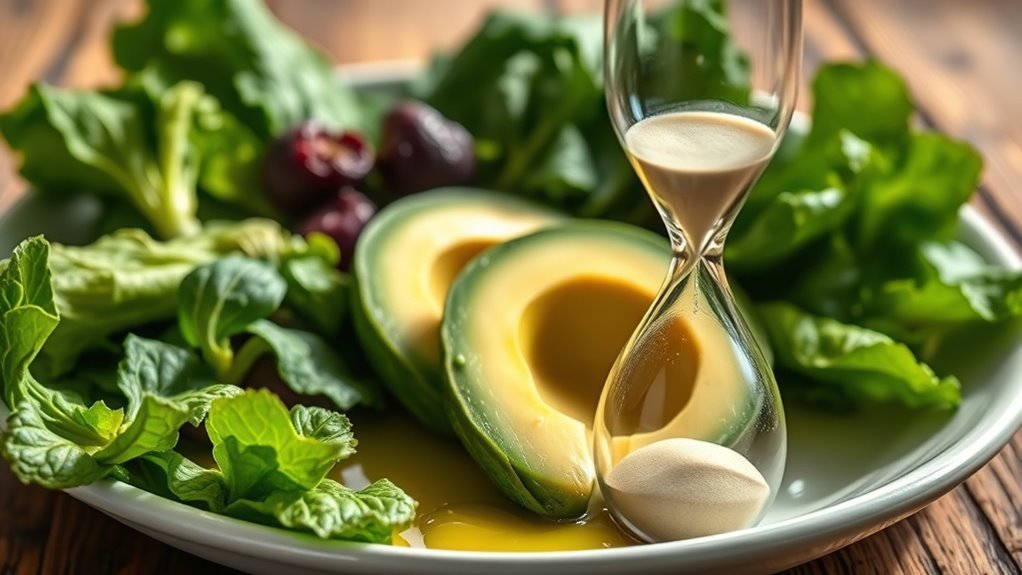
When you switch to a ketogenic diet, you might notice some changes in your digestion. Two common causes of constipation during this shift are low fiber intake and dehydration. Understanding how these factors play a role can help you manage your symptoms more effectively.
Low Fiber Intake
One major factor contributing to constipation on a ketogenic diet is low fiber intake, as many traditional high-fiber foods are often restricted. To ease this issue, consider incorporating more keto-friendly vegetables and fiber-rich snacks into your meals. Here’s a quick reference table to help you:
| Keto-Friendly Vegetables | Fiber-Rich Snacks | Suggested Servings |
|---|---|---|
| Spinach | Chia Seed Pudding | 1 cup |
| Broccoli | Almonds | 1 oz |
| Avocado | Flaxseed Crackers | 2 tbsp |
| Zucchini | Coconut Chips | 1 oz |
Dehydration Issues
Dehydration can greatly contribute to constipation on a ketogenic diet, especially since the body tends to excrete more water as it shifts into ketosis. You might experience dehydration symptoms like dry mouth, fatigue, or headaches, which can worsen digestive issues. To combat this, implementing effective hydration strategies is essential. Aim to drink enough water throughout the day, and consider adding electrolytes to replenish lost minerals. Incorporating hydrating foods, like leafy greens and cucumbers, can also help. Remember, staying hydrated not only supports digestion but enhances your overall well-being while on keto. By prioritizing your fluid intake, you can minimize constipation and enjoy a smoother shift into ketosis, ultimately allowing you more freedom in your dietary choices.
How Long Does Constipation Typically Last?

Constipation can vary in duration, typically lasting from a few days to a couple of weeks. Factors such as diet changes, hydration levels, and individual health can influence how long it lasts for you. Understanding these aspects can help you manage and alleviate constipation more effectively.
Common Duration of Constipation
When you switch to a ketogenic diet, you might find that your bowel habits change, leading to discomfort from constipation. This is often due to the digestive adjustments your body undergoes during keto adaptation. Typically, constipation can last anywhere from a few days to a couple of weeks as your body adjusts to this new way of eating. It’s essential to remember that everyone’s experience varies. While some might find relief within days, others may take longer to notice improvements. Staying hydrated, increasing fiber intake, and ensuring you’re consuming enough electrolytes can help ease this change. Ultimately, being patient and allowing your body time to adapt is key to overcoming keto-related constipation.
Factors Influencing Constipation Length
Several factors can influence how long constipation lasts on a ketogenic diet. Your dietary preferences play a significant role, as a low-fiber intake can exacerbate the issue. Additionally, your individual metabolism affects how quickly your body processes food.
| Factor | Influence on Constipation Length |
|---|---|
| Dietary Preferences | Low fiber can prolong constipation |
| Individual Metabolism | Slower metabolism may increase duration |
| Hydration Levels | Adequate hydration can shorten symptoms |
Signs That Constipation Is Related to Keto
Keto dieters may notice certain signs that suggest their constipation is linked to the dietary changes they’re making. As your body undergoes keto adaptations, you might experience specific symptoms related to your digestive adjustments. Here are four signs to watch for:
- Reduced Fiber Intake: If you’ve cut back on high-fiber foods, it could lead to constipation.
- Dehydration: The keto diet can lead to increased water loss; insufficient hydration can exacerbate constipation.
- Changes in Bowel Movements: If you’re experiencing harder, less frequent stools, it may indicate a connection to your new diet.
- Abdominal Discomfort: Bloating or cramping can signal that your body is struggling with the shift to ketosis.
Recognizing these signs can help you assess your digestive health on keto.
Dietary Changes to Alleviate Keto Constipation
If you’re experiencing constipation on a keto diet, making some dietary changes can help. Increasing your fiber intake and ensuring you stay hydrated regularly are essential steps to alleviate discomfort. These adjustments can support your digestive health while maintaining your low-carb lifestyle.
Increase Fiber Intake
While shifting to a low-carb diet, many people experience constipation, making it essential to reflect on dietary adjustments to promote regularity. Increasing your fiber intake can greatly help alleviate this issue. Here are some ways to boost your fiber consumption:
- Include high fiber foods: Avocados, chia seeds, and leafy greens are great options.
- Opt for low-carb vegetables: Broccoli, Brussels sprouts, and zucchini provide fiber without excess carbs.
- Consider fiber supplements: If you struggle to meet your fiber goals, a quality supplement may help.
- Experiment with psyllium husk: This natural fiber can be mixed into drinks or smoothies for an easy boost.
Stay Hydrated Regularly
Increasing fiber intake is an essential step, but it’s equally important to stay hydrated. Adequate water intake can greatly alleviate keto constipation. When you’re on a ketogenic diet, your body tends to lose more water and electrolytes, which can lead to dehydration. Staying hydrated not only supports digestion but also enhances the hydration benefits, which include improved bowel movement regularity. Aim for at least 8 cups of water daily, adjusting based on your activity level and individual needs. You might also consider adding electrolyte-rich fluids to guarantee balanced hydration. By prioritizing hydration alongside fiber, you’re giving your body the support it needs to function at its best and enjoy the freedom that comes with a well-balanced keto lifestyle.
The Role of Hydration in Digestive Health
Although many people overlook it, hydration plays an essential role in maintaining digestive health, especially when following a ketogenic diet. Proper hydration supports the function of digestive enzymes, which are critical for breaking down food and absorbing nutrients. Here are some key hydration benefits you should consider:
- Softens Stool: Adequate water intake helps soften your stool, reducing constipation.
- Facilitates Digestion: Water aids in the transportation of nutrients and waste through your digestive tract.
- Supports Enzyme Function: Hydration is fundamental for digestive enzymes to work effectively.
- Prevents Dehydration: Staying hydrated can help prevent the adverse effects of dehydration, which may worsen constipation.
Incorporating Fiber Into Your Keto Diet
Incorporating fiber into your keto diet can greatly enhance your digestive health and help alleviate constipation, which is a common issue for many on this low-carb regimen. When meal planning, focus on low-carb fiber sources to meet your needs without compromising your goals. Here’s a quick reference table to guide you:
| Fiber Source | Net Carbs (per 100g) | Fiber Content (g) |
|---|---|---|
| Chia Seeds | 6 | 34 |
| Avocado | 2 | 7 |
| Broccoli | 4 | 3 |
| Flaxseeds | 1.5 | 27 |
Supplements to Consider for Digestive Relief
For those still experiencing issues with constipation despite adding fiber-rich foods to your keto diet, certain supplements can provide additional digestive relief. Consider incorporating the following:
- Probiotic Supplements: These can help restore gut flora, promoting regularity.
- Digestive Enzymes: They aid in breaking down food, potentially easing digestive discomfort.
- Magnesium Citrate: Known for its laxative effect, it can help draw water into the intestines.
- Psyllium Husk: This soluble fiber supplement can help bulk up stools and improve bowel movements.
Before starting any supplement, it’s wise to consult with a healthcare professional. Finding the right support can make your keto journey more enjoyable and free from discomfort.
When to Seek Medical Advice
When should you consider seeking medical advice for keto-related constipation? If you’ve been struggling with constipation for more than a week despite dietary adjustments, it’s time to consult a medical professional. Additionally, if you experience severe abdominal pain, bloating, or notice blood in your stool, don’t hesitate to reach out for help. These symptoms could indicate a more serious issue that requires attention. Also, if you’re feeling increasingly fatigued or unwell, it may be worth discussing your symptoms with a doctor. Remember, while dietary changes can cause temporary discomfort, persistent issues should never be overlooked. Your health and well-being are paramount, so don’t shy away from seeking guidance when necessary.
Tips for Maintaining Digestive Health on Keto
Although switching to a keto diet can lead to changes in your digestive health, there are several effective strategies to help maintain regularity. Here are some tips to support your gut:
- Incorporate Probiotic Foods: Add yogurt, kefir, and fermented vegetables to boost your gut bacteria.
- Utilize Digestive Enzymes: Consider supplements to aid digestion, especially if you’re experiencing discomfort.
- Pay Attention to Meal Timing: Regular meal patterns can help your digestive system function more smoothly.
- Adopt a Consistent Exercise Routine: Regular physical activity enhances gut motility, reducing constipation.
Don’t forget about stress management and including healthy fats in your meals. These practices can contribute to better overall digestive health on your keto journey.
Frequently Asked Questions about Keto Constipation
1. How long does keto constipation typically last?
Keto constipation can last anywhere from a few days to several weeks, depending on the individual’s adaptation to the ketogenic diet. Many people experience this issue during the initial transition as their bodies adjust to a low-carb, high-fat diet. However, with proper dietary adjustments and hydration, symptoms typically improve within a couple of weeks.
2. What causes constipation on a keto diet?
Constipation on a keto diet can be caused by several factors, including a decrease in fiber intake, dehydration, and changes in gut bacteria. As many high-fiber foods are restricted on a keto diet, individuals may not get enough fiber, which is crucial for regular bowel movements. Additionally, when carbohydrate intake is low, the body may retain more water, leading to dehydration and constipation.
3. How can I relieve constipation while on a keto diet?
To relieve constipation on a keto diet, consider increasing your intake of low-carb, high-fiber foods such as leafy greens, avocados, and chia seeds. Staying hydrated is also essential; aim to drink plenty of water throughout the day. Additionally, incorporating magnesium-rich foods or supplements can help promote bowel regularity. Regular physical activity can also stimulate digestion and alleviate constipation.
4. Is keto constipation a permanent issue?
No, keto constipation is generally not a permanent issue. Most individuals find that their bodies adjust to the ketogenic diet over time, leading to improved digestive function. However, if constipation persists beyond a few weeks or becomes severe, it’s important to consult a healthcare professional to rule out any underlying issues and receive personalized advice.
5. When should I seek medical advice for keto constipation?
You should seek medical advice for keto constipation if you experience severe abdominal pain, blood in your stools, or if your constipation lasts more than three weeks despite making dietary changes. These symptoms may indicate a more serious condition that requires medical attention. It’s always best to consult a healthcare provider if you have concerns about your digestive health.
References
- https://www.ncbi.nlm.nih.gov/pmc/articles/PMC6520666/
- https://www.healthline.com/nutrition/keto-diet-constipation
- https://www.webmd.com/diet/what-to-know-about-keto-diet
- https://www.ncbi.nlm.nih.gov/pmc/articles/PMC8016030/
- https://www.bmj.com/content/365/bmj.l1475
- https://www.mayoclinic.org/healthy-lifestyle/nutrition-and-healthy-eating/expert-answers/keto-diet/faq-20466394
- https://www.clevelandclinic.org/health/diet-nutrition/faq-what-is-the-keto-diet