

To start the keto diet, begin by understanding its core principles: a low-carb, high-fat approach that shifts your body into ketosis for fat burning. Assess your current eating habits and set realistic goals. Calculate your macros, aiming for 70-75% fats, 20-25% protein, and 5-10% carbs. Plan and prepare meals in advance to avoid last-minute decisions. Finally, track your progress to stay motivated and adjust as needed. There’s much more to discover about this transformative lifestyle.
Understanding the Keto Diet Basics
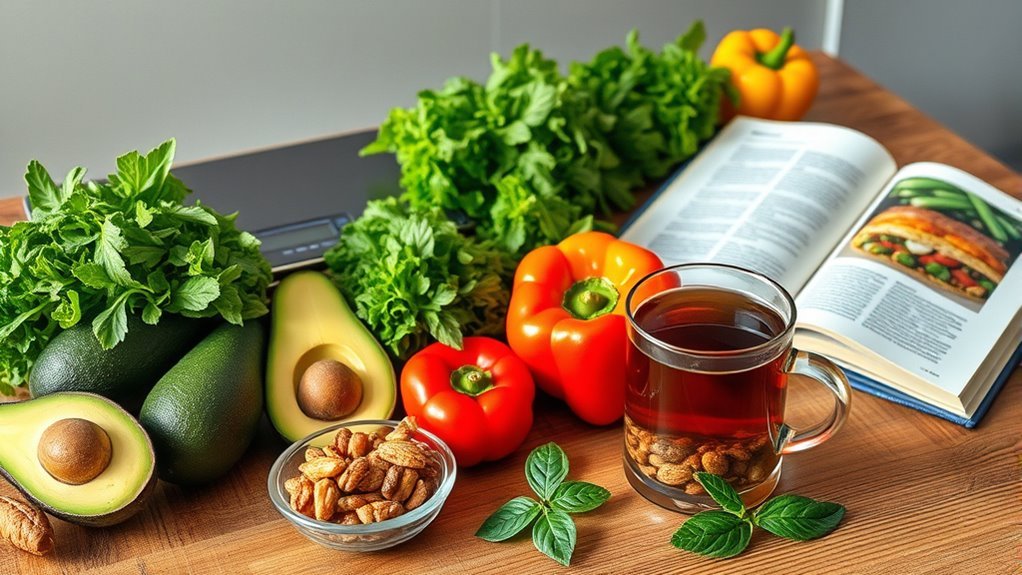
The ketogenic diet, often referred to as the keto diet, is a low-carb, high-fat eating plan designed to shift your body’s metabolism from burning glucose to burning fat for energy. Understanding the keto diet fundamentals is essential for success. By drastically reducing carbohydrate intake, you encourage your body to enter a state called ketosis, where it efficiently burns fat for fuel. This shift not only helps with weight loss but also offers low carb benefits, such as improved mental clarity and stable energy levels. You’ll focus on foods like avocados, nuts, and healthy oils while avoiding grains and sugars. Embracing these principles can provide you the freedom to enjoy satisfying meals that align with your health goals.
Assessing Your Current Diet
Before diving into the keto diet, it’s essential to assess your current eating habits, as this will help identify areas for improvement. Start by keeping a food diary for a week to track what you eat and when. This will provide insights into your eating patterns and may reveal frequent cravings. Evaluating cravings is vital—are you reaching for snacks out of hunger or boredom? Identifying triggers, such as stress or social situations, can also help you understand your relationship with food. By recognizing these factors, you can make informed choices that align with your keto goals. This self-awareness not only empowers you but also sets the stage for a successful shift to a low-carb lifestyle.
Setting Realistic Goals
When starting the keto diet, it’s essential to define your objectives to guarantee clarity and focus. Tracking your progress will help you stay accountable and motivated, while being open to adjusting your goals as needed allows for flexibility in your journey. By setting realistic goals, you can create a sustainable path toward achieving your desired results.
Define Your Objectives
Setting realistic goals is essential for your success on the keto diet, as it helps you stay focused and motivated throughout your journey. Begin by defining clear, achievable objectives that align with your personal health aspirations. This involves breaking down your ultimate goal into smaller milestones, making goal setting more manageable and less intimidating. For instance, you might aim to lose a certain amount of weight in a specific timeframe or incorporate more low-carb meals into your weekly routine. Utilize motivation strategies like celebrating small victories and connecting with supportive communities. Remember, flexibility is key; adjust your goals as needed to suit your evolving lifestyle. Ultimately, your objectives should inspire freedom and empowerment on your keto journey.
Track Your Progress
Tracking your progress is an integral part of achieving the goals you’ve set for your keto journey. By keeping an eye on your progress metrics, you can guarantee you stay aligned with your objectives. Here are three effective strategies to help you track your progress:
- Progress Journaling: Document your meals, feelings, and physical changes. This helps you identify patterns and stay motivated.
- Regular Weigh-Ins: Weigh yourself weekly, but remember that fluctuations are normal. Focus on the trend over time.
- Measurements: Take body measurements (waist, hips, etc.) every month. This can reveal changes that the scale might not show.
Adjust as Needed
Adjusting your goals is essential as you progress on the keto diet, especially since what works at the beginning may need tweaking over time. It’s important to set realistic expectations that align with your lifestyle and preferences. Remember, breaking free from common keto myths can empower you to embrace flexibility rather than strict dietary restrictions. For instance, if you find that certain foods cause cravings or energy dips, don’t hesitate to modify your approach. Listen to your body and track your progress to identify what truly works for you. By adjusting your goals as needed, you create a sustainable path that promotes long-term success and freedom in your dietary choices. Stay adaptable, and enjoy the journey!
Calculating Your Macros
To successfully follow the keto diet, understanding macronutrient ratios is essential, as it helps you maintain the right balance of fats, proteins, and carbohydrates. You’ll need to track your intake to guarantee you’re meeting these specific targets, which can considerably impact your results. By doing this, you can optimize your diet for better weight loss and overall health.
Understanding Macronutrient Ratios
Understanding macronutrient ratios is essential for successfully following the keto diet, as it directly impacts your body’s ability to enter and maintain ketosis. To achieve the right macronutrient balance, focus on the following three key components:
- Fat Percentage: Aim for about 70-75% of your daily calories from healthy fats. This high fat intake encourages your body to utilize fat as its primary energy source.
- Protein Intake: Keep your protein intake moderate, around 20-25% of daily calories. Too much protein can kick you out of ketosis.
- Carbohydrates: Limit your carbs to about 5-10% of your daily caloric intake. This restriction helps deplete glycogen stores and promotes fat burning.
Tracking Your Intake
Once you’ve grasped the macronutrient ratios, the next step involves tracking your intake to verify you’re meeting those targets. Maintaining a food diary can be an excellent way to stay accountable and understand your eating patterns. You can jot down everything you consume, making it easier to calculate your macros. Alternatively, mobile apps like MyFitnessPal or Carb Manager simplify this process, allowing you to log meals quickly and access a vast database of foods. These tools not only help you track carbs, fats, and proteins but also provide insights into your overall nutritional balance. Remember, the goal isn’t restriction but finding freedom in knowing what fuels your body effectively while enjoying the foods you love.
Meal Planning and Preparation
Effective meal planning and preparation is essential for successfully starting the keto diet. To guarantee you stay on track and enjoy your meals, consider these three key steps:
Effective meal planning is crucial for a successful keto diet, ensuring you stay on track and enjoy delicious meals.
- Create a Meal Prep Schedule: Dedicate time each week to plan your meals. This will help you avoid last-minute decisions that could lead to non-keto choices.
- Develop Grocery Lists: Make detailed grocery lists based on your meal plan. This not only saves time but also minimizes impulse buys that might not fit the keto lifestyle.
- Batch Cook: Prepare large portions of keto-friendly meals and freeze them. This way, you’ll always have quick options available, making it easier to stick to your diet.
With a little organization, you’ll find that keto can be both enjoyable and liberating!
Stocking Your Kitchen
Stocking your kitchen with the right ingredients is essential for maintaining a successful keto diet. Start by identifying your kitchen essentials—healthy fats like olive oil, coconut oil, and avocado oil are key. You’ll want to keep pantry staples such as nuts, seeds, and low-carb flours like almond flour or coconut flour handy. Fresh vegetables, particularly leafy greens, should fill your fridge, while proteins like poultry, fish, and eggs are crucial for meal preparation. Don’t forget sugar alternatives like stevia or erythritol to satisfy your sweet tooth without derailing your progress. By creating a well-stocked kitchen, you’ll empower yourself to whip up delicious, satisfying meals that adhere to keto principles, allowing you the freedom to enjoy your culinary adventures.
Overcoming Common Challenges
Although starting a keto diet can be exciting, it often comes with its fair share of challenges. You’ll likely face hurdles in grocery shopping, social situations, and meal planning. Here are three tips to help you navigate these obstacles:
- Plan Ahead: Create a grocery list that focuses on keto-friendly foods. This saves you time and keeps you on track.
- Communicate: When attending social gatherings, inform friends or family about your dietary preferences. Most people are understanding and can accommodate your needs.
- Stay Flexible: If you find yourself in a tricky situation, focus on low-carb options and don’t stress over every detail. Embrace the journey and enjoy the freedom that comes with your new lifestyle.
Tracking Your Progress
As you commence your keto journey, tracking your progress can play an essential role in maintaining motivation and ensuring you’re on the right path. Utilizing various tracking tools can help you monitor progress indicators such as weight loss, ketone levels, and energy levels.
| Progress Indicator | Suggested Tracking Tool |
|---|---|
| Weight | Scale or mobile app |
| Ketone Levels | Blood ketone meter |
| Energy Levels | Journal or app entries |
Regularly analyzing these indicators will empower you to make informed adjustments, ensuring you stay aligned with your goals. Embrace this process as a way to celebrate your success and refine your approach, allowing you the freedom to enjoy your keto lifestyle.
What is the Keto Diet?
The Keto Diet, short for the ketogenic diet, is a low-carb, high-fat diet that aims to put your body into a state of ketosis. In ketosis, your body becomes highly efficient at burning fat for energy instead of relying on carbohydrates. Typically, the macronutrient breakdown for a ketogenic diet is about 70-75% fat, 20-25% protein, and only 5-10% carbohydrates. This significant reduction in carbs forces the body to utilize fat as its primary energy source.
How do I start the Keto Diet?
Starting the Keto Diet involves several key steps:
- Educate Yourself: Learn about the macronutrient ratios that define the keto diet and understand how it works.
- Plan Your Meals: Create a meal plan that focuses on high-fat, low-carb foods. Incorporate avocados, nuts, seeds, oils, fatty fish, and non-starchy vegetables.
- Stock Your Kitchen: Remove high-carb foods from your pantry and fridge and replace them with keto-friendly options.
- Monitor Your Macros: Use apps or journals to track your carbohydrate intake and ensure you stay within the recommended limits.
- Stay Hydrated and Consider Electrolytes: Drink plenty of water and consider supplements for electrolytes, as the diet can lead to a loss of water and minerals.
What foods should I eat on the Keto Diet?
On the Keto Diet, focus on high-fat and low-carb foods. Here are some food categories to include:
- Healthy Fats: Olive oil, coconut oil, butter, and avocado oil.
- Proteins: Meat, fatty fish, eggs, and cheese.
- Low-Carb Vegetables: Leafy greens, broccoli, cauliflower, and zucchini.
- Nuts and Seeds: Almonds, walnuts, chia seeds, and flaxseeds.
Avoid high-carb foods such as sugary snacks, bread, pasta, and most fruits.
What are the common side effects of starting the Keto Diet?
When starting the Keto Diet, some individuals may experience a phenomenon known as the “Keto flu.” This can include symptoms such as fatigue, headache, nausea, dizziness, and irritability. These symptoms typically arise as your body adjusts to burning fat instead of carbohydrates. To alleviate these effects:
- Stay well-hydrated.
- Ensure adequate salt and electrolyte intake.
- Gradually reduce carbohydrate intake to ease the transition.
Most symptoms should subside within a few days to a week.
Can I exercise while on the Keto Diet?
Yes, you can exercise while on the Keto Diet. However, it may take some time for your body to adapt to using fat as fuel, which can temporarily affect your performance. Many people find that once they are fully in ketosis, they can perform well in both endurance and strength training. It’s important to listen to your body and adjust your workout intensity as needed, especially during the initial transition period.
References
- https://www.healthline.com/nutrition/ketogenic-diet-101
- https://www.mayoclinic.org/healthy-lifestyle/nutrition-and-healthy-eating/expert-answers/keto-diet/faq-20459723
- https://www.ncbi.nlm.nih.gov/pmc/articles/PMC6326553/
- https://www.webmd.com/diet/obesity/ss/slideshow-keto-diet
- https://www.bbc.co.uk/news/health-48915527
- https://www.cdc.gov/healthyweight/assessing/bmi/adult_bmi/english_bmi_calculator/bmi_calculator.html
- https://www.verywellfit.com/what-is-the-keto-diet-5190676