The ketogenic diet can potentially increase your cholesterol levels, particularly LDL cholesterol. However, individual responses to the diet vary considerably. Some people may see an uptick in cholesterol, while others may experience stable levels or even an increase in HDL, the “good” cholesterol. It’s essential to manage your fat sources and incorporate fiber-rich foods to support heart health. If you’re curious about the long-term effects and strategies for cholesterol management on keto, there’s more to explore.
Understanding Cholesterol: The Basics

Cholesterol, a waxy substance found in your blood, plays an essential role in various bodily functions, including hormone production and cell membrane formation. Your body produces cholesterol naturally, but it can also come from dietary sources, such as meat, dairy products, and certain oils. Understanding cholesterol functions helps you appreciate its significance; it aids in the synthesis of vitamin D, bile acids, and sex hormones. While it’s important for your health, it’s imperative to maintain a balance. Too much cholesterol can lead to health issues, but not enough can hinder bodily processes. By knowing where cholesterol comes from and what it does, you can make informed choices in your diet and lifestyle, embracing your freedom to live healthily.
The Ketogenic Diet Explained

The ketogenic diet, often referred to as “keto,” is a low-carbohydrate, high-fat eating plan that has gained popularity for its potential weight loss and health benefits. At its core, the keto basics revolve around drastically reducing your carbohydrate intake and replacing it with fats. This shift encourages your body to enter a metabolic state known as ketosis, where it efficiently burns fat for fuel instead of relying on carbs. The diet principles focus on high-quality fats, moderate protein, and minimal carbohydrates, typically around 20-50 grams daily. By embracing this eating style, many find freedom in their food choices while experiencing potential improvements in weight management and overall health. However, it’s essential to approach any diet with balance and consideration for individual needs.
How Keto Affects Cholesterol Levels
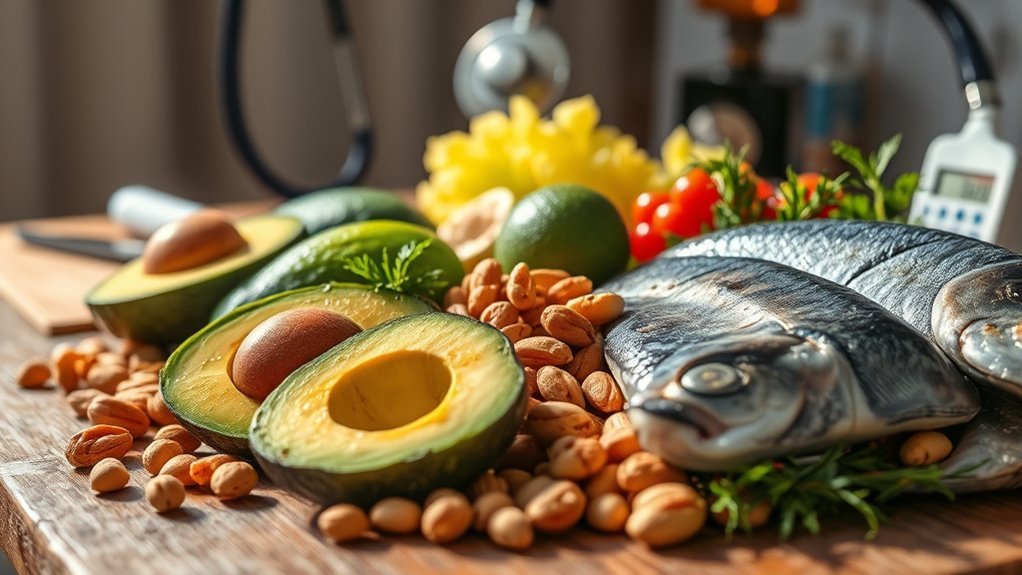
When you start a ketogenic diet, it’s important to understand how it can influence your cholesterol levels. The diet often leads to changes in both LDL (bad cholesterol) and HDL (good cholesterol) levels, largely due to increased saturated fat intake. By examining these cholesterol types and their roles, you can better grasp the overall impact on your heart health.
Cholesterol Types Explained
Understanding cholesterol types is fundamental, especially for those considering a ketogenic diet. Cholesterol serves essential functions, including hormone production and cell membrane integrity. There are two main types: LDL (low-density lipoprotein) and HDL (high-density lipoprotein). LDL is often labeled “bad” cholesterol, as high levels can lead to plaque buildup in arteries, while HDL is deemed “good” because it helps remove excess cholesterol from the bloodstream. Your cholesterol sources can influence these levels; for instance, while a keto diet emphasizes healthy fats from avocados and nuts, it can also include saturated fats from meats and dairy. Balancing these sources is critical to maintain healthy cholesterol levels and support overall well-being on your keto journey.
Impact on LDL Levels
While adopting a ketogenic diet, you might notice changes in your LDL cholesterol levels, which can be both beneficial and concerning. LDL variations are influenced by genetic factors and can differ widely among individuals. Some people may experience an increase in LDL, particularly during the initial stages of the diet, while others may see stable or even decreased levels over time. The duration of your diet plays a role; prolonged adherence often leads to metabolic changes that stabilize cholesterol. Additionally, lifestyle influences, such as exercise and stress management, can impact your results. Dietary compliance is essential too; sticking to whole foods and healthy fats can help mitigate any negative effects on LDL, giving you a sense of freedom in your health journey.
Role of Saturated Fats
The role of saturated fats in a ketogenic diet is a vital factor in understanding how it affects cholesterol levels. While saturated fat sources such as coconut oil, butter, and fatty cuts of meat can raise LDL cholesterol, they also influence HDL cholesterol positively. It’s essential to recognize that not all dietary fat types behave the same way. Some research suggests that saturated fats may not be as harmful as once thought, particularly when consumed in the context of a low-carb diet. However, individual responses vary, and monitoring your cholesterol levels is important. Balancing saturated fats with unsaturated fats can help maintain healthy cholesterol levels while enjoying the dietary freedom a keto lifestyle offers.
The Role of Saturated Fats in the Keto Diet
Saturated fats play an essential role in the keto diet, as they serve as a primary energy source while helping to maintain ketosis. While you might have heard concerns about the heart disease link, it’s important to understand the context. Here are three key saturated fat sources that can support your keto journey:
- Coconut oil – Rich in medium-chain triglycerides (MCTs), which can boost energy and enhance fat burning.
- Grass-fed butter – Packed with vitamins and healthy fats, it can provide a rich, satisfying flavor to your meals.
- Fatty cuts of meat – These are not only delicious but also help keep you satiated.
In moderation, these sources can be part of a healthy keto lifestyle, enabling you to enjoy the freedom of varied, satisfying meals.
Individual Responses to the Keto Diet
As you commence on the keto journey, it’s vital to recognize that individual responses to the diet can vary markedly. Factors such as genetics, metabolic health, and lifestyle can all influence how your body reacts to the shift in macronutrient ratios. This individual variability means that while some may experience improved cholesterol levels and weight loss, others might see a rise in cholesterol or struggle with weight management. Personalized nutrition plays an important role here; tailoring your keto approach to your unique needs can lead to better outcomes. Monitoring your body’s responses through regular check-ups can help you navigate this diet effectively, ensuring you embrace a path that aligns with your health goals and personal preferences.
Research Findings on Keto and Cholesterol
Research on the keto diet’s impact on cholesterol levels has produced mixed results, reflecting the variability in individual responses. While some people experience increased cholesterol levels, others may see improvements. Here are three key findings:
- Keto benefits: Many individuals report positive health outcomes, such as weight loss and improved insulin sensitivity, which can influence cholesterol levels.
- Cholesterol myths: It’s essential to differentiate between LDL cholesterol types; not all LDL is harmful. Some may even be protective.
- Individual variability: Your genetic makeup and overall lifestyle can greatly affect how your body responds to the keto diet, leading to different cholesterol outcomes.
Understanding these factors can help you navigate the keto landscape more effectively, debunking myths and embracing the potential benefits.
Managing Cholesterol on a Keto Diet
While steering through a keto diet, managing cholesterol levels effectively is essential for your overall health. Implementing cholesterol management strategies can help you maintain a balanced lipid profile. Consider incorporating dietary fiber sources like avocados, chia seeds, and leafy greens into your meals to support heart health. Here’s a quick overview of beneficial foods:
| Food Source | Cholesterol Impact | Dietary Fiber Content |
|---|---|---|
| Avocados | Lowers LDL | High |
| Chia Seeds | Lowers LDL | Very High |
| Spinach | Neutral | Moderate |
| Almonds | Lowers LDL | High |
Expert Opinions on Keto and Heart Health
When considering a keto diet, it’s important to understand how it can affect your cholesterol levels and overall heart health. Experts highlight that while some individuals may see an increase in cholesterol, the impact on heart health can vary widely based on individual factors. Evaluating the long-term effects of a keto diet is vital for making informed decisions about your health.
Cholesterol Levels Overview
Understanding cholesterol levels in the context of a ketogenic diet can be complex, especially as expert opinions vary widely. Here are a few key points to take into account:
- Many cholesterol myths suggest that all cholesterol is bad, but your body needs some cholesterol for essential functions.
- Current cholesterol guidelines emphasize the importance of looking at LDL and HDL levels, rather than total cholesterol alone.
- Research indicates that a ketogenic diet can lead to increased HDL (the “good” cholesterol) while affecting LDL levels differently among individuals.
As you navigate your keto journey, remember that cholesterol responses can vary. It’s essential to consult healthcare professionals and understand your own body’s reactions to dietary changes, rather than relying solely on generalized guidelines.
Impact on Heart Health
As you explore the relationship between a ketogenic diet and heart health, it’s crucial to reflect on the varying expert opinions on the subject. While some argue that keto can lead to elevated cholesterol levels, others suggest it may not greatly increase heart disease risk for everyone. Understanding these keto misconceptions is critical.
| Expert Opinion | Supportive Evidence | Concerns Raised |
|---|---|---|
| Cardiologist A | Lower triglycerides observed | Potential LDL elevation |
| Nutritionist B | Improved insulin sensitivity | Long-term heart disease risks |
| Research Study C | No increase in heart disease markers | Individual variability exists |
| Dietician D | Enhanced metabolic health | Adverse effects on some patients |
Navigating these perspectives can empower you to make informed decisions about your heart health and diet.
Long-Term Effects Evaluated
While many people embrace the ketogenic diet for its short-term weight loss benefits, it’s vital to assess its long-term effects on heart health. Experts suggest that long-term adherence to Keto can lead to various outcomes, depending on dietary variations. Here are three key points to reflect on:
- Cholesterol Levels: Some individuals may experience increased LDL cholesterol, which can impact heart health.
- Nutritional Balance: Limited dietary variations might lead to deficiencies in essential nutrients, affecting overall health.
- Inflammation: Long-term adherence could potentially influence inflammation markers, which are essential for cardiovascular health.
Understanding these factors helps you make informed choices about the keto diet, ensuring it aligns with your health goals while maintaining freedom in your dietary choices.
Frequently Asked Questions about Keto and Cholesterol
1. Does the ketogenic diet cause high cholesterol levels?
The ketogenic diet can lead to increased cholesterol levels in some individuals, particularly LDL cholesterol (often referred to as “bad” cholesterol). This is due to the high intake of saturated fats from sources like meat, dairy, and certain oils. However, it’s important to note that some research indicates that a significant portion of the population may experience an increase in HDL cholesterol (“good” cholesterol) and a decrease in triglycerides, which can offset the potential risks associated with elevated LDL levels. Regular monitoring and consulting with a healthcare professional are recommended for those on a keto diet.
2. Are all types of cholesterol affected equally by the keto diet?
Not all types of cholesterol are affected equally on the ketogenic diet. While many people may see an increase in LDL cholesterol, they might also experience a rise in HDL cholesterol, which is beneficial. The ratio of LDL to HDL cholesterol is often considered more important than the absolute levels of each. Monitoring this ratio can provide a clearer picture of cardiovascular health. Additionally, the size and density of LDL particles can vary, with smaller, denser particles being more harmful than larger, fluffier ones.
3. What should I do if my cholesterol levels increase on a keto diet?
If you notice an increase in cholesterol levels while following a ketogenic diet, it is advisable to consult with a healthcare professional. They may recommend lifestyle adjustments such as incorporating more fiber-rich foods, choosing healthier fats (like olive oil and avocados), and increasing physical activity. Additionally, they might suggest periodic testing to monitor cholesterol levels and cardiovascular health, as well as considering the overall context of your dietary habits and genetic predispositions.
4. Can a ketogenic diet improve my cholesterol profile?
In some cases, a ketogenic diet can improve cholesterol profiles. Many individuals experience increases in HDL cholesterol and decreases in triglycerides, which are beneficial for heart health. These improvements can lead to a favorable cholesterol ratio. However, the effects can vary widely from person to person. Individual response to the diet can depend on factors such as genetics, existing health conditions, and overall dietary choices. Monitoring cholesterol levels and working with a healthcare provider is essential to determine the diet’s impact on your health.
5. Is it safe to follow a keto diet if I have high cholesterol?
Whether it is safe to follow a ketogenic diet with high cholesterol levels depends on individual health circumstances. Some people with high cholesterol may benefit from the diet due to weight loss and improved metabolic markers, while others may experience adverse effects. It is crucial to consult with a healthcare provider before starting a keto diet if you have high cholesterol or other health concerns. They can help guide you on how to safely implement the diet and monitor your health throughout the process.
References
- https://www.ncbi.nlm.nih.gov/pmc/articles/PMC6520865/
- https://www.health.harvard.edu/staying-healthy/the-truth-about-the-ketogenic-diet
- https://www.webmd.com/diet/what-is-the-ketogenic-diet
- https://www.cdc.gov/healthyweight/assessing/bmi/adult_bmi/index.html
- https://www.mayoclinic.org/healthy-lifestyle/nutrition-and-healthy-eating/in-depth/keto-diet/art-20460420
- https://www.heart.org/en/news/2020/09/10/keto-diet-may-raise-heart-disease-risk-in-some-people
- https://www.nhlbi.nih.gov/health-topics/cholesterol
- https://www.usda.gov/topics/nutrition-resources/what-nutrition-guidelines-say-about-carbohydrates-and-cholesterol
- https://www.frontiersin.org/articles/10.3389/fnut.2021.660643/full